






Vintage Car Ornament
These vintage car ornament pieces transform motoring history into sculptural metalwork and glass.
Vintage Car Ornament
A vintage car ornament serves as a decorative accessory mounted on the radiator cap or grille of a motor car, though many survive today as desk models or paperweights. Buyers searching for a vintage car ornament encounter cast metal figures and heavy glass sculptures dating from the Edwardian era through the mid-twentieth century.
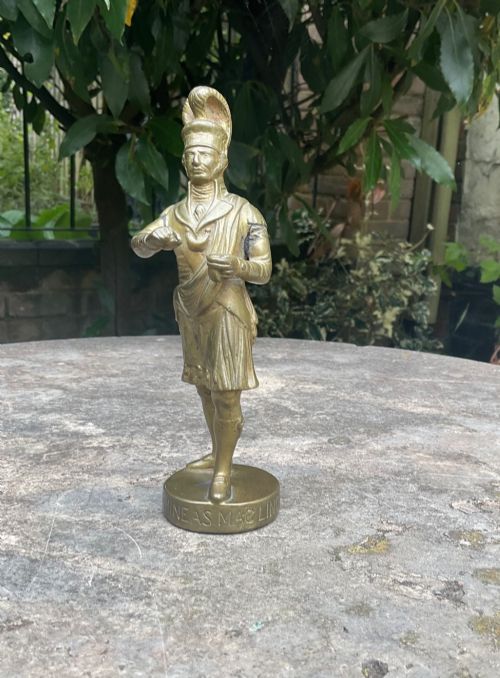
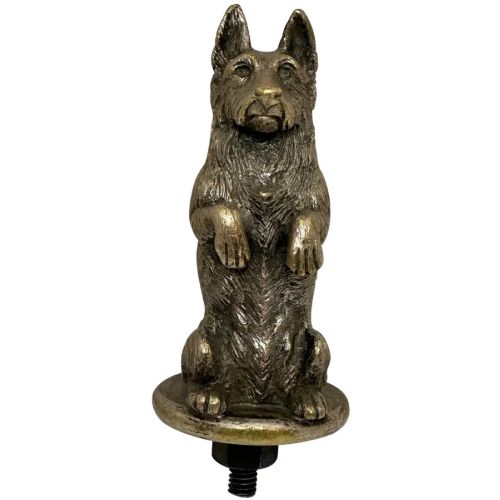
The selection on this page centres on car mascots, sculptures, and desk accessories created during the 1900s, 1920s, 1930s, and 1940s. Animal figures, human forms, and novelty objects dominate the physical inventory, reflecting the diverse tastes of early motorists.
Moulded glass, bronze, and chrome pieces represent the principal forms available to collectors. Makers utilised these materials to produce aerodynamic and expressive figures that captured the spirit of speed during the height of motoring culture.
Materials and production methods
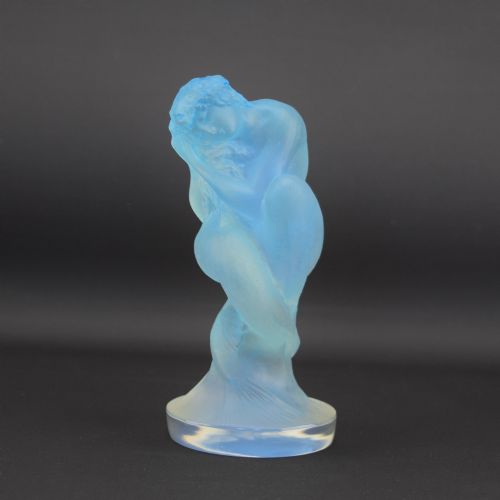
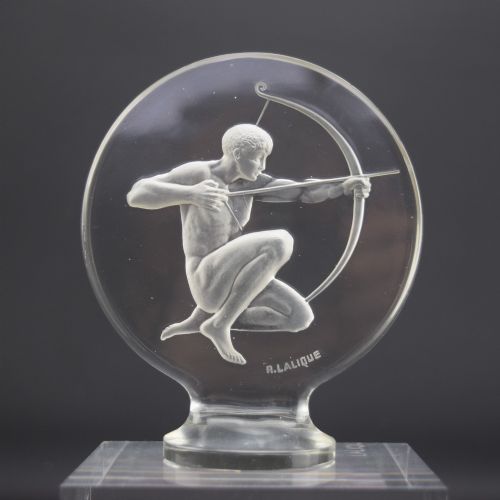
Glass ornaments rely on moulding techniques, often utilising clear, frosted, or opalescent glass to catch and refract light when mounted on a vehicle. Makers such as Rene Lalique transformed utilitarian glass into translucent sculptural art for motor radiator caps.
Vintage Car Ornament Retail Price Guide 2026
Typical asking prices for vintage car ornament among the pieces listed under this phrase on Sellingantiques today, from the lower quarter to the upper quarter. They describe what is for sale here now, not the wider market.
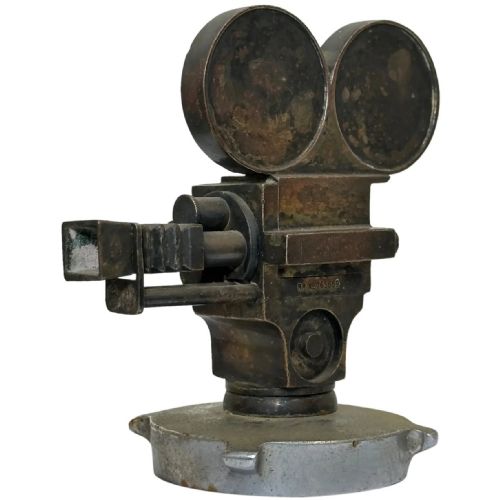
Among the metal dogs and dancers, a solid bronze movie director reel camera mascot captures early cinematic enthusiasm on the road.
Distinctions in quality
The quality of a piece rests upon the sharpness of the casting and the finesse of the finishing work. Superior bronze and silver items retain crisp anatomical lines and deliberate patination, whereas lesser examples show softened details from worn moulds.
In glass ornaments, the depth of the opalescence and the clarity of the moulding dictate the standard. Finer specimens display complex play of light within the glass body, while basic production pieces lack such optical nuance.
Asprey·Rene Lalique·Louis Lejeune·Desmo
The Vintage Car Ornament Glossary
- Car mascot
- A sculptural figure mounted on the radiator cap of a motor car. They functioned as personal statements for drivers and distinct ornaments for luxury vehicles.
- Opalescent glass
- Glass that exhibits a milky, milky-blue or fire-like iridescence when lit from certain angles. This effect was heavily utilised in French glass ornaments to add visual depth.
- Cold painted bronze
- Bronze sculpture decorated with non-fired paint applied after casting. This technique added vibrant colour to animal and human figures.
- Radiator cap
- The functional filler cap atop a car engine cooling system where early mascots were attached. Many surviving ornaments retain threaded bases designed to screw directly into these caps.
Vintage Car Ornament: Frequently Asked Questions
Were these ornaments actually used on cars?
Drivers mounted these metal and glass sculptures directly onto the radiator caps of vehicles during the early and mid-twentieth century. They served as personal expressions of style and identity for motorists.
Over time, many surviving examples migrated from vehicles to desk displays, cabinets, and paperweights as motoring laws changed and cars evolved.
How do I identify Art Deco pieces?
Art Deco pieces display geometric streamlining, stylised animal forms, and representations of speed and modern machinery. Look for clean lines in figures like greyhounds, dancers, and director camera reels.
These designs typically date from the 1920s and 1930s, utilising bronze, chrome, and moulded glass to achieve a sleek aesthetic.
What is the difference between bronze and silver pieces?
Bronze ornaments offer durability and take patination well, often featuring warm brown or gilt surfaces that age gracefully. Silver items, including solid silver desk models and novelty pieces, provide a brighter, reflective finish associated with luxury presentation.
Both metals were cast with high levels of detail, though silver pieces often bear hallmarks indicating their assay office and maker.
Can glass mascots be displayed safely?
Glass mascots require stable placement away from edges due to their heavy moulded construction. Using specialised display stands or wooden bases protects the threaded mounting bolts found on the bottom of many pieces.
Keeping them out of direct, intense heat prevents stress to historical glass compounds.