


Vintage Car Hood Ornament
A vintage car hood ornament is a sculptural metal or glass mascot that crowns a motor bonnet, bringing distinct personality and movement to classic motoring.
Vintage Car Hood Ornament
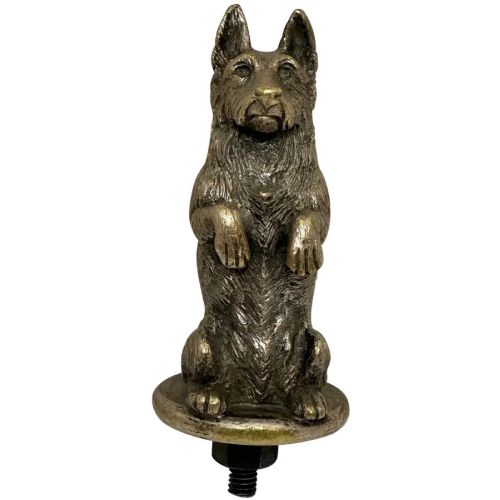
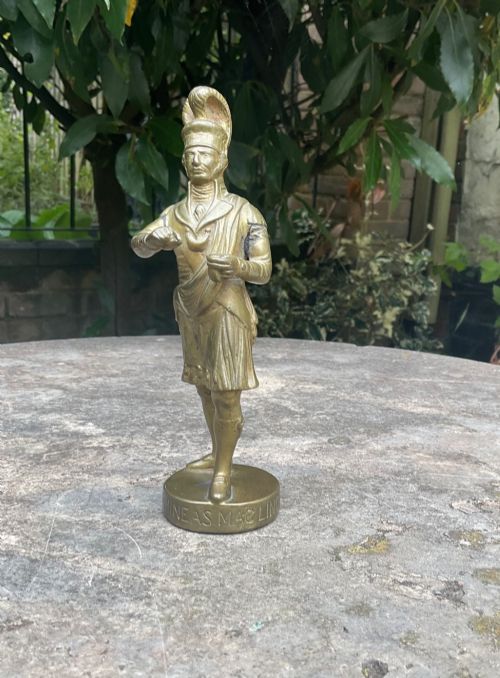
A vintage car hood ornament serves as a sculptural focal point mounted upon a motor bonnet, functioning both as a personal expression of the motorist and a decorative feature of early motoring history. These pieces take the form of car mascots and sculptures, often repurposed as paperweights or decorative objects.
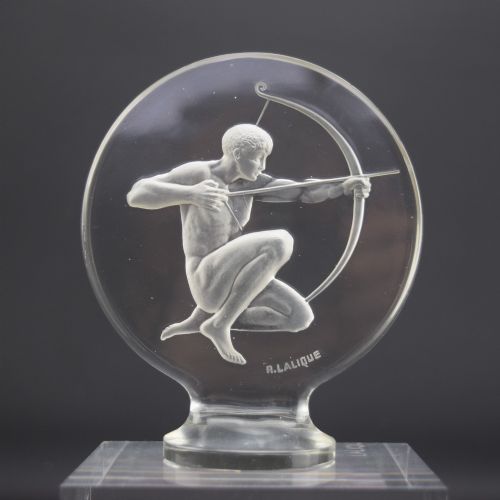
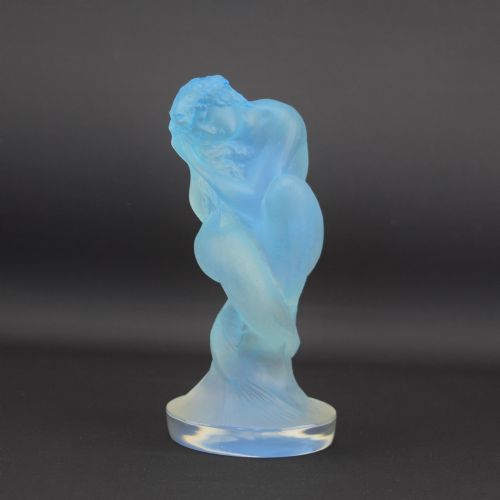
The most common examples met on this page belong to the Art Deco style, frequently rendered as animal figures, female nudes, or iconic portraits. These items span periods from the Edwardian era through the nineteen-forties, capturing the speed and mechanical optimism of early twentieth-century transport.
Makers and foundries produced these sculptures in varied scales, ranging from small desk ornaments to prominent radiator caps. Collectors encounter figurative subjects such as birds, fish, hounds, and human figures designed to pierce the airflow visually.
Materials and methods
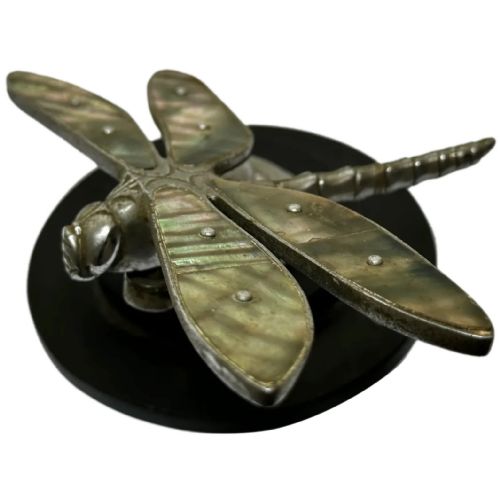
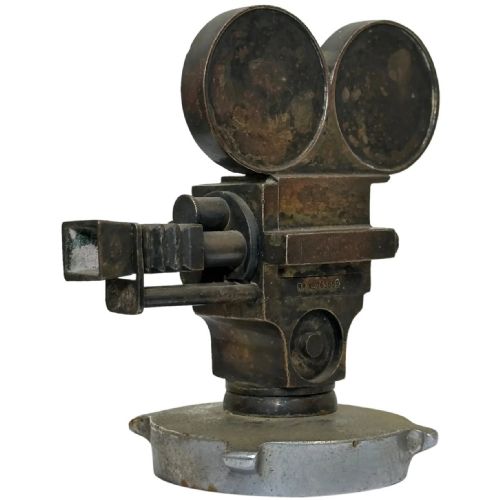
Moulders and metalworkers utilised bronze, chrome, and cast metals to create durable figures capable of withstanding weather and road vibration. Bronze pieces often received cold-painted finishes or gilt applications to accentuate fine details in the casting.
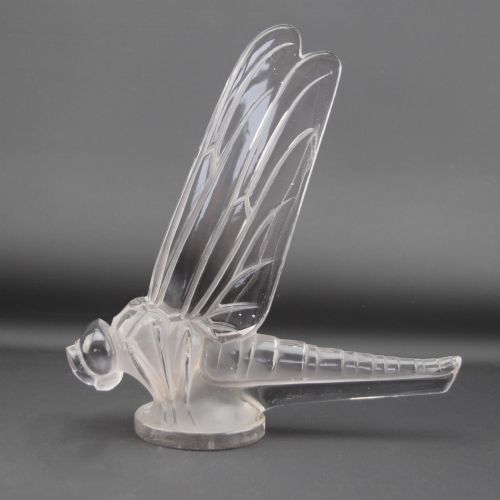
Glassmakers employed moulded, frosted, opalescent, and clear glass to capture light atop the radiator grille. These glass mascots required precise cooling to prevent thermal stress while maintaining luminosity under sunlight.
Materials recorded on this site include moulded, frosted, opalescent, and clear glass alongside bronze, chrome, wood, and metal.
Assessing craftsmanship
Glass examples reveal excellence through the purity of the material, the subtlety of opalescence, and the absence of heavy moulding seams. Master glasshouses achieved a tactile translucency that simpler pressed glass pieces fail to replicate.
Rene Lalique·Louis Lejeune·Jose Dunach·Phineas·Desmo
The Vintage Car Hood Ornament Glossary
- Car Mascot
- A sculptural ornament mounted on the radiator cap of a motor car. These items were widely used during the early and mid-twentieth century to personalise vehicles.
- Opalescent Glass
- Glass that displays a milky, iridescent quality shifting between blue and amber tones when light passes through it. This technique added depth to sculptural glass mascots.
- Cold-Painted Bronze
- Bronze sculpture decorated with non-firing paints applied after the metal casting and finishing process. This method allowed for vibrant surface colours on animal and human figures.
- Automobilia
- Collectable items associated with motor cars, including mascots, badges, and interior accessories. The field encompasses items produced from the Edwardian period onward.
Vintage Car Hood Ornament: Frequently Asked Questions
How do I mount a vintage car hood ornament?
Most mascots feature a threaded base or stud designed to secure directly through a hole in the radiator cap or a dedicated mounting bar. Motorists traditionally attached them using a bolted fitting with a rubber washer to absorb road vibrations.
Today, many collectors prefer to display these pieces on custom wooden bases or acrylic plinths as desk sculptures rather than fitting them to working motor cars.
Were these glass mascots fragile for driving?
Glass mascots were indeed vulnerable to stone chips, sudden temperature changes, and vibration while vehicles were in motion. Manufacturers thickened the glass at stress points to improve durability on rough early roads.
Despite these precautions, many glass mascots survived by being removed when cars were parked or by being kept indoors as decorative paperweights.
How do I distinguish bronze from plated metal?
Solid bronze pieces display a characteristic weight and develop a natural patina over time where the surface is exposed to air. Magnet testing helps separate iron-based metals from non-ferrous bronze or brass alloys.
Plated items may show base metal beneath the chrome or gilt surface where handling or wear has occurred through use.
What periods are most common for these ornaments?
The vast majority of these sculptures date from the nineteen-twenties and nineteen-thirties, aligning with the height of the Art Deco movement and interwar motoring enthusiasm. Earlier Edwardian examples tend to be simpler brass or bronze figures.
Later pieces extending into the nineteen-forties reflect wartime themes or post-war transitions in vehicle design before radiator caps became integrated beneath streamlined bonnets.