



Vintage Canvas Frame
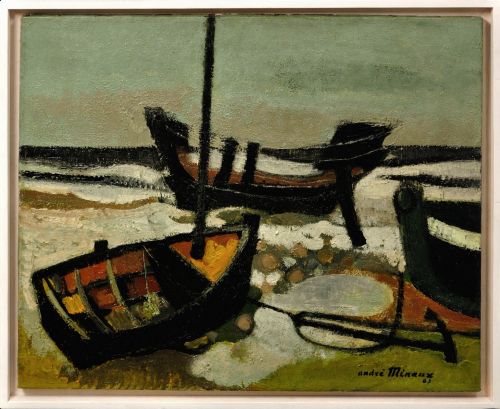
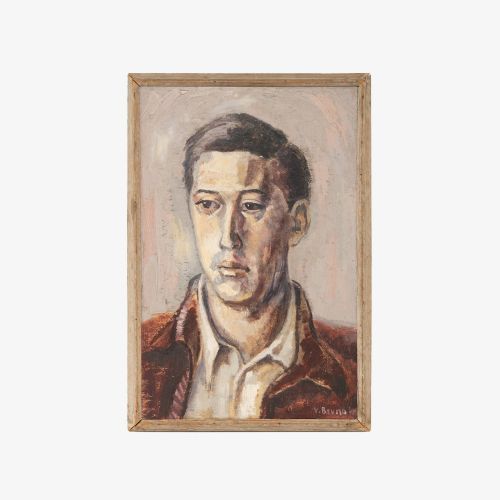
These vintage canvas frame works are oil paintings on fabric stretched across wooden supports, prized for their historical subjects and textured brushwork.
Vintage Canvas Frame
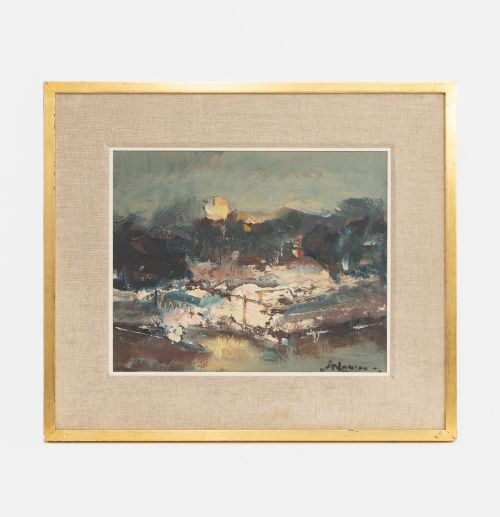
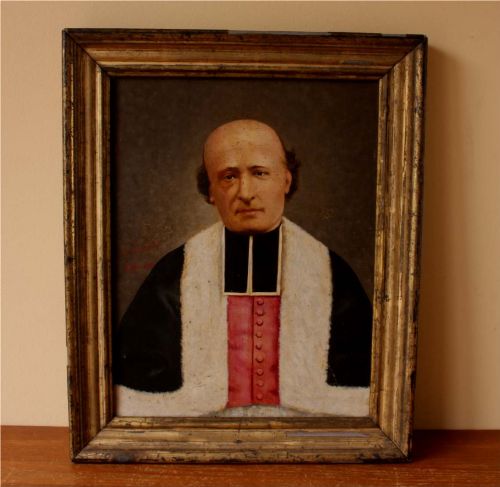
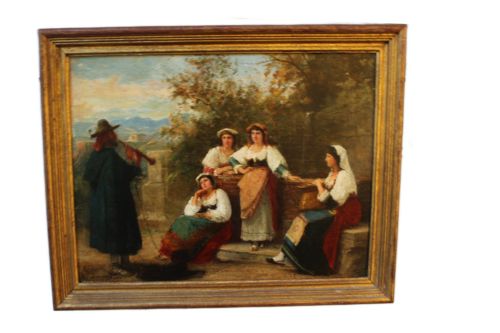
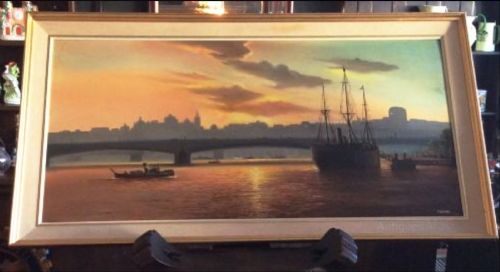
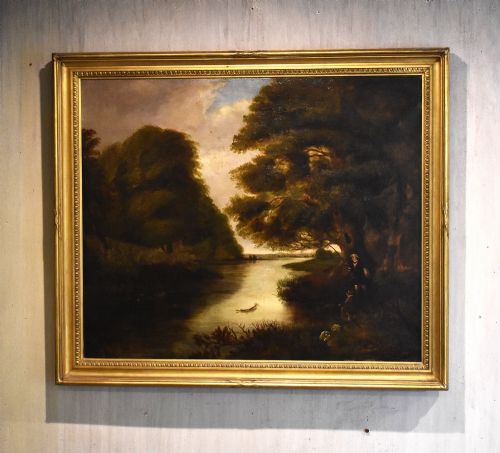
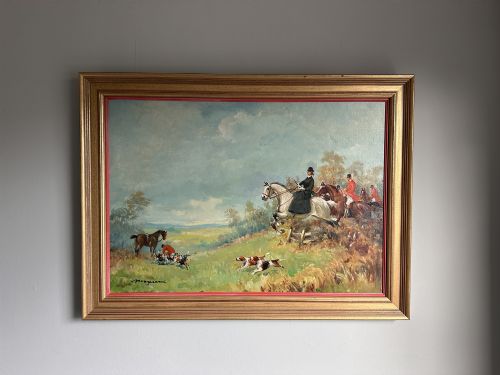
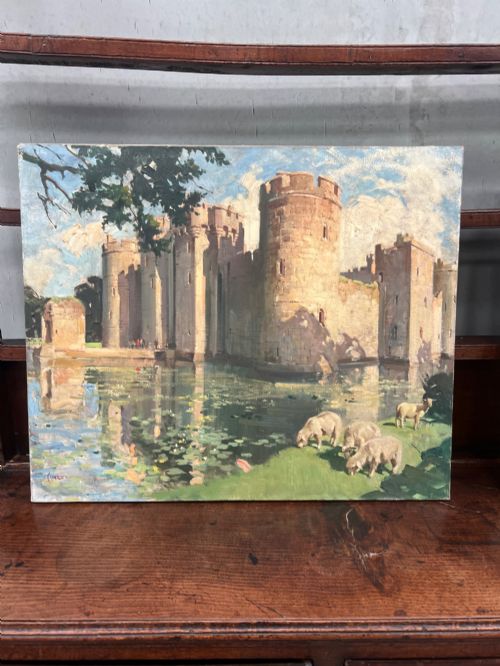
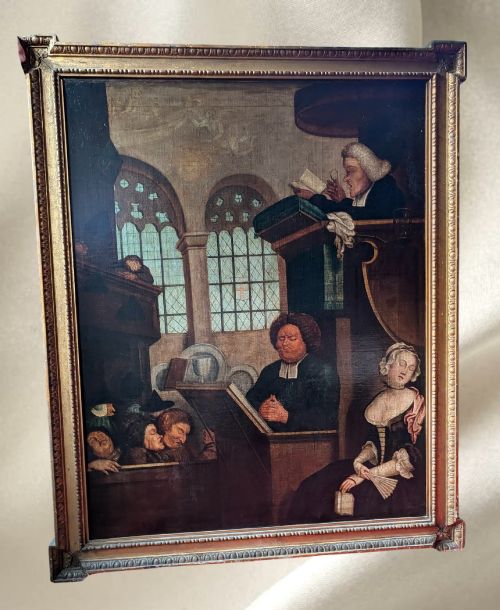
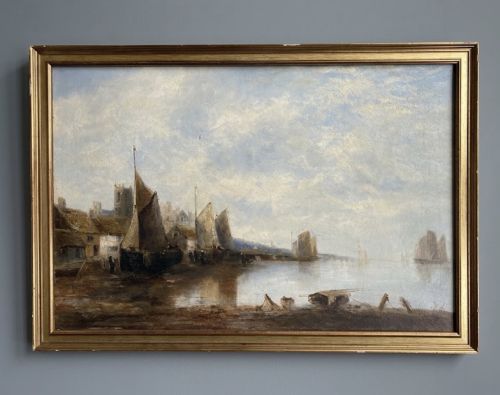
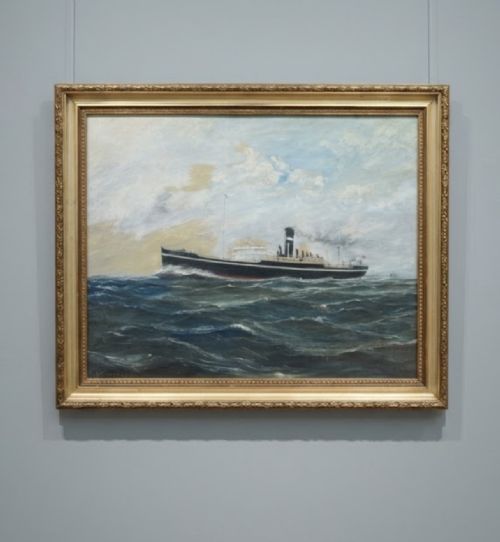
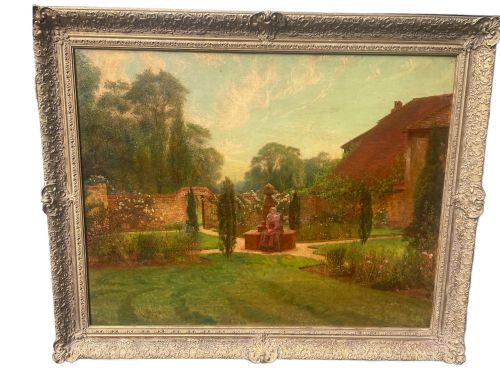
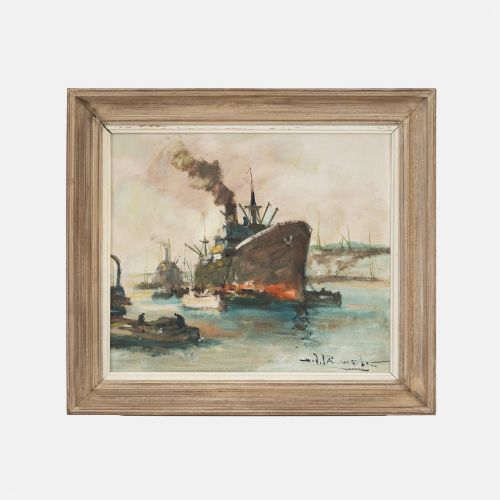
A vintage canvas frame search uncovers oil paintings executed on woven fabric, typically mounted on wooden stretcher bars and presented within decorative surrounds. These pieces span from the nineteenth century through the mid-twentieth century, capturing subjects ranging from pastoral landscapes and equine studies to formal portraits.
The most common examples on this page are mid-century Dutch landscapes, Victorian sporting scenes, and early twentieth-century portraits. Works often reflect regional movements such as British Impressionism, Victorian Realism, and the Dutch School, utilising oil paint applied to stretched canvas.
How they were made
Artists utilised oil paint mixed from ground pigments and drying oils, layered onto prepared linen or cotton canvas stretched tightly across timber frames. This combination allowed for rich impasto textures and subtle blending, which dried slowly to form a durable painted surface.
Surrounds were fashioned from wood, frequently embellished with gilt or carved plaster mouldings to complement the composition. The physical interaction between the flexible canvas and the rigid wooden stretcher remained central to the preservation of these painted works.
Vintage Canvas Frame Retail Price Guide 2026
Typical asking prices for vintage canvas frame among the pieces listed under this phrase on Sellingantiques today, from the lower quarter to the upper quarter. They describe what is for sale here now, not the wider market.
Several Victorian canvases capture mischievous pets and farmyard animals caught mid-mischief, offering an endearing glimpse into historical domestic life.
What varies in quality
The distinction between ordinary and superior works lies in the confidence of the brushwork and the anatomical or spatial accuracy of the composition. Master painters achieved depth and light through precise tonal control, whereas lesser works often display rigid proportions and flat fields of colour.
Materials also dictate standard; tightly woven linen supports and solid timber frames that retain their original joinery indicate superior craftsmanship. The preservation of the pigment layer, free from excessive craquelure or clumsy overpainting, separates museum-grade examples from decorative ones.
Herbert Royle·Charles Bilger Spalding·George F. Bird·Sir David Murray·Agnes Augusta Talboys·Lionel Ellis·William Langley·Sushila Singh·Walter Robin Jennings·William Manners
The Vintage Canvas Frame Glossary
- Canvas
- A heavy woven fabric, typically linen or cotton, used as a surface for painting. It requires priming with gesso or size before oil pigment is applied.
- Stretcher
- The wooden frame upon which a canvas is pulled tight. Corner keys allow the wood pieces to be expanded to maintain fabric tension.
- Impasto
- Paint applied in thick strokes that stand out from the surface. This technique creates a tangible texture that catches the light.
- Giltwood
- Timber carved and coated with gold leaf or metallic powder. It provides a reflective border that isolates the painting from its surroundings.
- Craquelure
- A network of fine cracks in the paint surface caused by the ageing of oil paint and ground layers. It serves as an indicator of antiquity.
Vintage Canvas Frame: Frequently Asked Questions
How do I clean an oil painting?
Dust accumulated on the canvas should be removed gently using a soft, dry brush. Moisture or household cleaning agents must be avoided to prevent damage to the pigment layer.
Professional conservators should handle any deeper cleaning or removal of discoloured varnish. Attempting to wash the surface independently risks stripping the original oil glazes.
Should the frame match the period?
Original surrounds often complement the age and aesthetic of the canvas, bearing matching wear and construction methods. Keeping a period-appropriate border preserves the historical integrity of the piece.
Replacements can be utilised if the original surround is missing or structurally unsound. Selecting a moulding from the correct era ensures the visual balance remains undisturbed.
How do I date a canvas?
Examination of the stretcher bars, nails, and canvas weave reveals clues about the decade of production. Older supports often feature handmade wooden wedges and hand-forged tacks rather than modern staples.
Signatures, exhibition labels, and inscriptions on the reverse provide further chronological context. Comparing the stylistic conventions with known regional schools helps narrow down the year of creation.
Where should I hang these paintings?
These works require placement away from direct sunlight and excessive humidity to protect the organic fibres of the canvas and wood. Stable indoor temperatures prevent warping of the stretcher and cracking of the oil paint.
Wall spaces with indirect ambient lighting showcase the texture and brushwork most effectively. Ensuring secure fixings appropriate for the weight of the timber surround is essential for safe display.