

Vintage Canterbury Stand
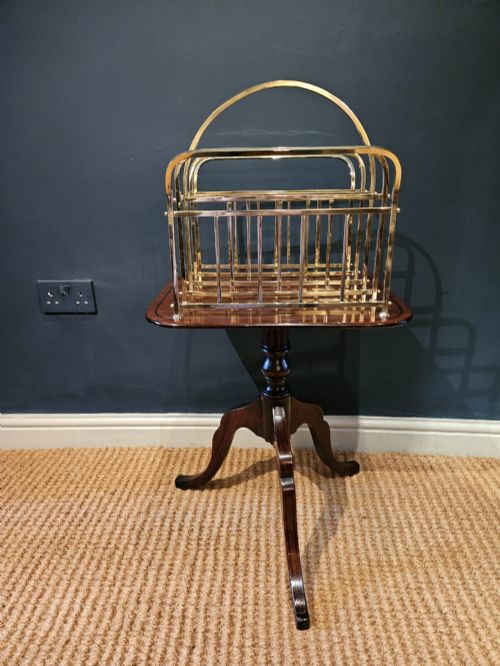
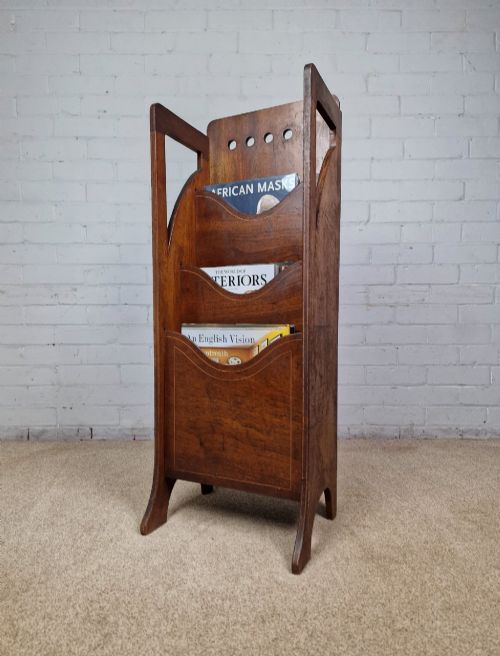
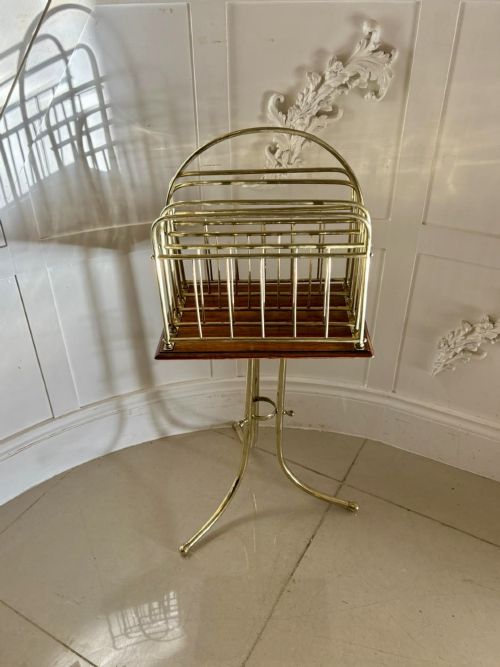
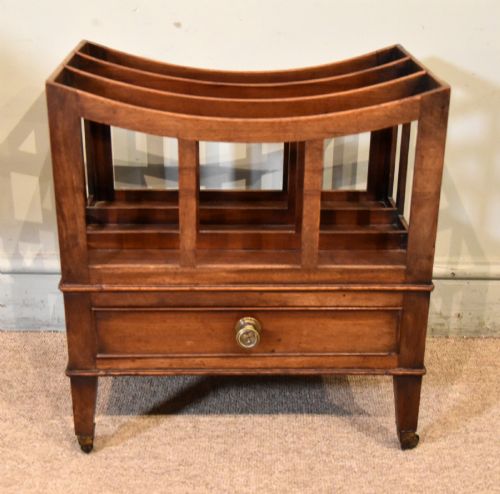
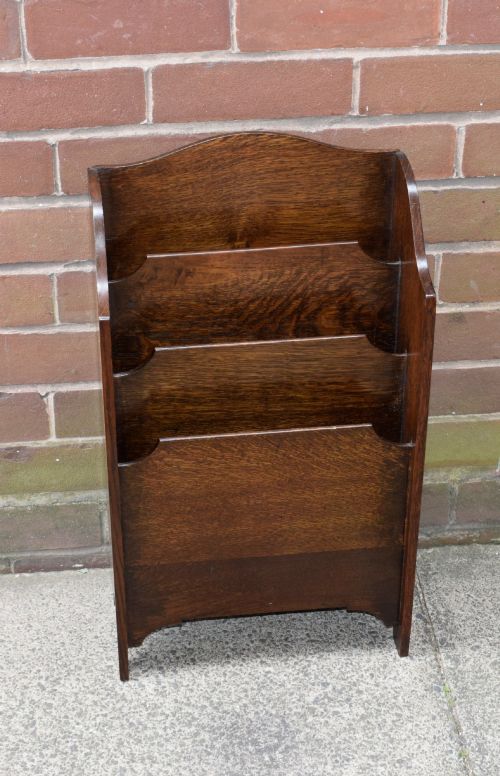
A vintage canterbury stand is an exceptional piece of compartmentalised furniture designed to hold periodicals, music sheets and folios.
Vintage Canterbury Stand
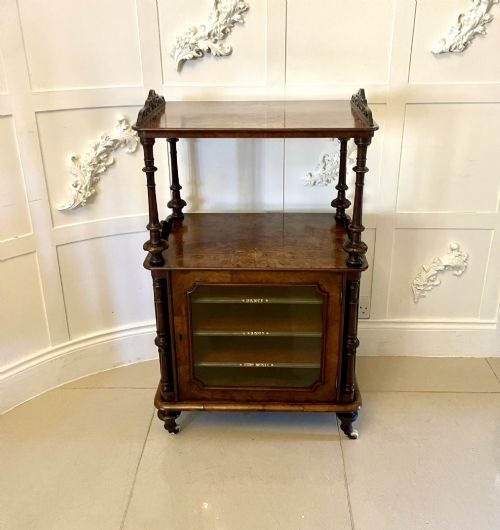
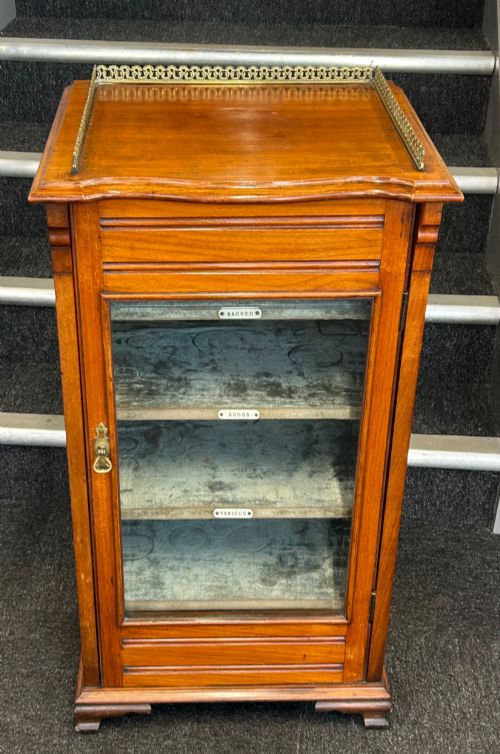
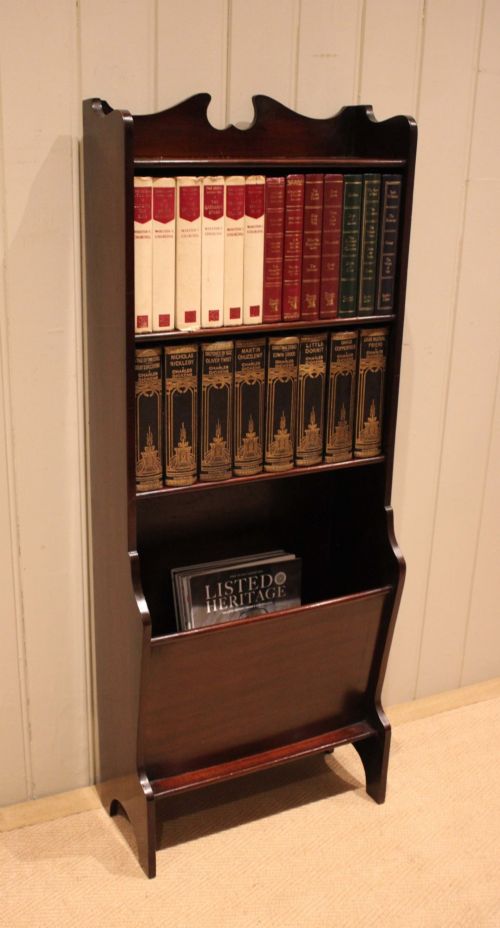
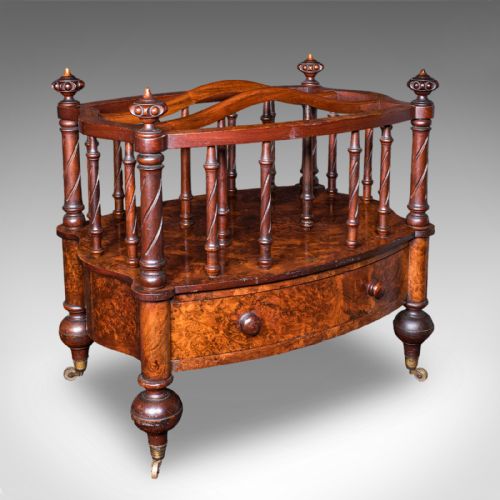
A vintage canterbury stand serves as a dedicated holder for newspapers, magazines and sheet music, evolving from traditional partition racks into versatile occasional tables and music cabinets. When exploring this selection, buyers frequently encounter mahogany and burr walnut examples spanning the Regency, Victorian and Edwardian periods.
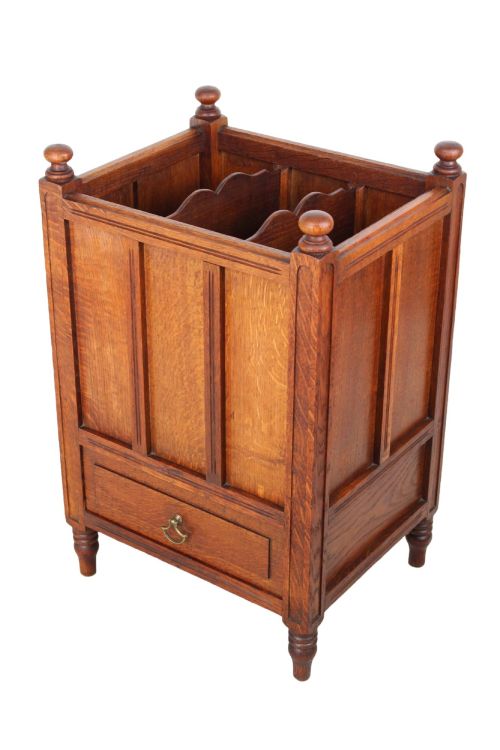
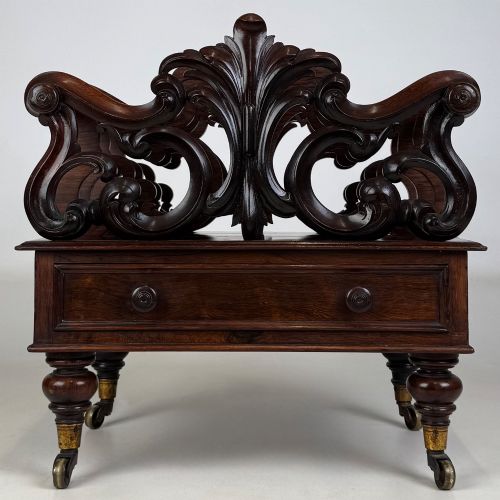
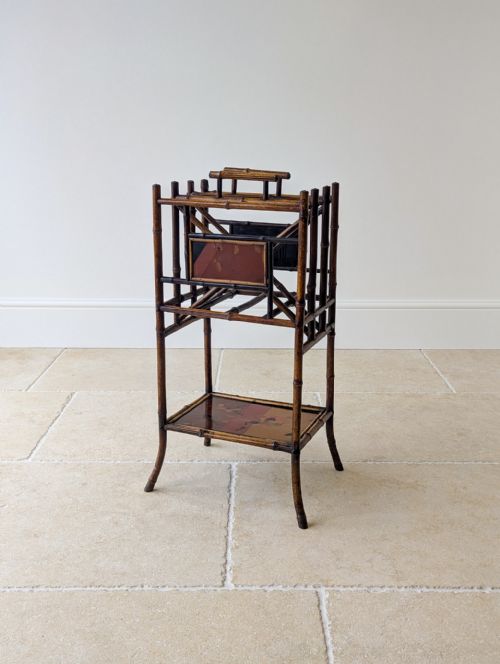
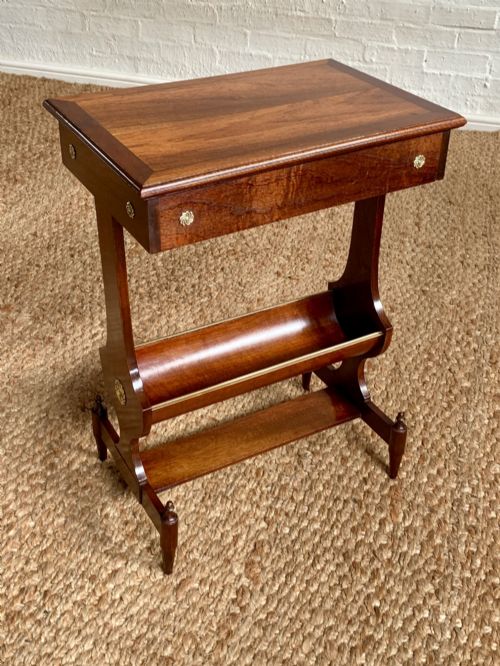
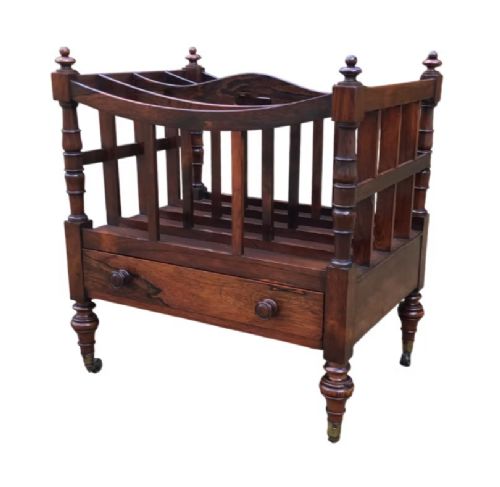
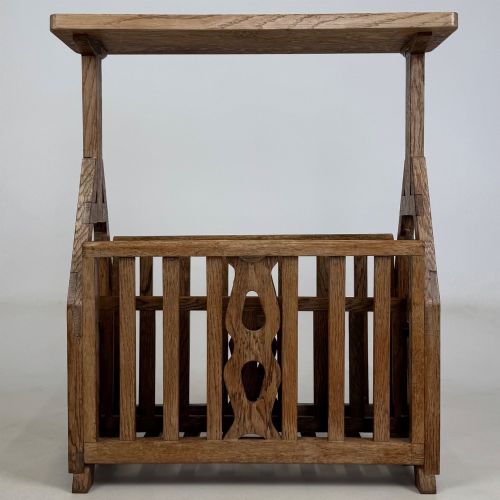
The form typically incorporates vertical divisions for upright storage above a low drawer or plinth, though certain variants integrate freestanding side tables or revolving frames. Pieces range from formal George III and Regency designs in richly figured woods to lighter Edwardian iterations and bamboo or brass interpretations.
Materials and construction
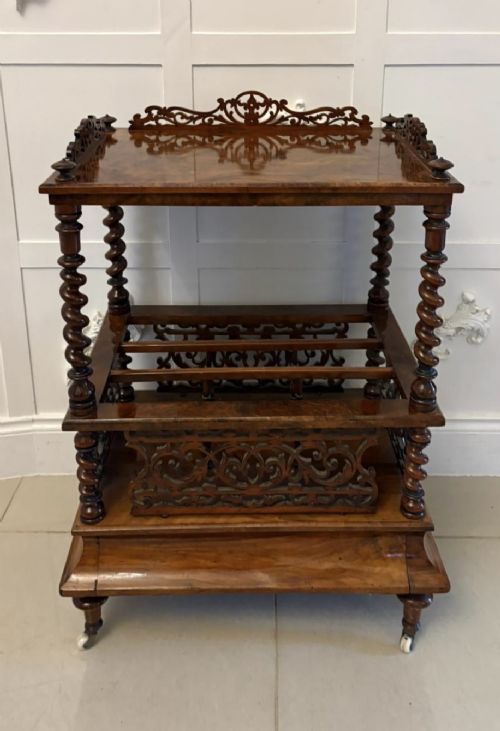
Cabinetmakers utilised dense timbers such as mahogany, rosewood and walnut, often selecting figured burr veneers or Cuban mahogany for principal surfaces. Structural elements incorporate delicate turnings, carved rails and inlaid details.
Alternative idioms employ bamboo with lacquer panels or combine oak with brass and copper hardware. Freestanding variants frequently rest upon turned legs fitted with original castors for mobility.
Vintage Canterbury Stand Retail Price Guide 2026
Typical asking prices for vintage canterbury stand among the pieces listed under this phrase on Sellingantiques today, from the lower quarter to the upper quarter. They describe what is for sale here now, not the wider market.
Assessing quality and craftsmanship
Distinction in these stands rests upon the fidelity of the timber selection, such as deeply figured mahogany or choice burr walnut, alongside the crispness of turned spindles and carved details. Finer examples display refined joinery in the slatted divisions and clean integration of under-tier drawers.
Proportion and structural restraint separate workshop pieces from mass production, where heavier scantlings or secondary timbers diminish the visual balance of the piece.
The Vintage Canterbury Stand Glossary
- Canterbury
- A low stand with upright partitions used originally for holding sheet music or folios, later adapted for newspapers and magazines.
- Folio
- A large-format sheet or book, for which grander stands and cabinets were specifically proportioned.
- Whatnot
- A multi-shelved open stand for displaying or storing small items, occasionally combined with cabinet or rack functions.
- Castor
- A small wheel fitted to the legs of furniture to permit easy rolling across carpets and floors.
Vintage Canterbury Stand: Frequently Asked Questions
What was a canterbury stand used for?
These stands originated as dedicated pieces for keeping loose sheets of music close to an instrument in the drawing room. Over time, their partitioned compartments made them equally practical for holding daily newspapers and weekly magazines.
Today they continue this role beside a sofa or armchair, keeping current reading materials organised and tidy within reach.
How do I date a vintage canterbury?
Dating relies on timber choice, architectural styling and structural details such as leg turnings and castors. Regency and George III pieces display formal classical lines in mahogany or rosewood, while Victorian examples often feature rich burr walnut or exotic bamboo.
Edwardian iterations tend to be lighter in scale, sometimes combining the traditional rack with a sheet music cabinet or small drawer.
Are these stands sturdy enough for modern magazines?
Most stands are robustly constructed from hardwoods like mahogany, oak or walnut, designed to support heavy folios and bound volumes of music. Their slatted partitions easily accommodate modern periodicals and newspapers.
Care should be taken when moving them loaded, particularly older examples fitted with small brass castors.
Where should I place a canterbury stand?
Their traditional home is beside a principal seating group in a living room, study or music room where reading matter accumulates. Because many feature finished backs and sides, they work well freestanding rather than pushed against a wall.
Compact Edwardian and bamboo versions also function effectively as small side tables in tighter spaces.