





Vintage Cane Bed
These vintage cane bed designs combine open-weave natural seating materials with sturdy wooden frames, offering both traditional character and practical airflow.
Vintage Cane Bed
A vintage cane bed brings together woven organic materials and robust timber construction, drawing on centuries of furniture-making tradition. When searching for a vintage cane bed, buyers encounter a variety of forms ranging from classic daybeds and single frames to expansive king-size suites.
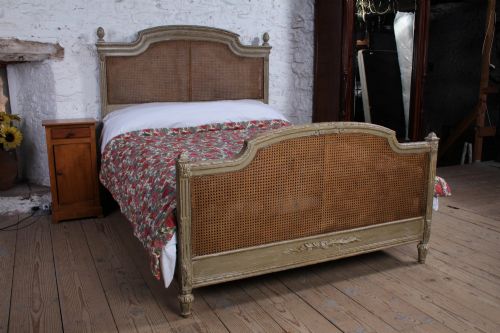
The pieces appearing on this page span several distinct periods, including Victorian, Regency, and early twentieth-century eras. Stylistic influences vary widely, featuring French Louis XVI style, colonial campaign designs, and Anglo-Indian aesthetics alongside traditional British forms.
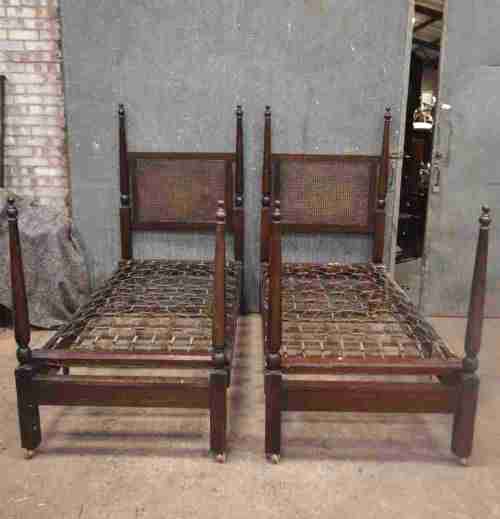
Wooden frameworks are typically paired with woven rattan or cane panels integrated into headboards, footboards, and side rails. Forms include traditional four-poster beds, daybeds, and rocking cribs, reflecting diverse historical domestic requirements.
How they were made
Construction relies heavily on traditional timber framing using materials such as mahogany, oak, beech, and painted or ebonised woods. Artisans shaped these structural elements through careful carving and turning to support the tension of woven panels.
The defining characteristic of these pieces is the use of cane and rattan, woven by hand into open grid patterns within recessed frame channels. Additional structural stability is provided through metal components like brass hardware, particularly in folding campaign furniture.
Vintage Cane Bed Retail Price Guide 2026
Typical asking prices for vintage cane bed among the pieces listed under this phrase on Sellingantiques today, from the lower quarter to the upper quarter. They describe what is for sale here now, not the wider market.
Even the nursery gets a touch of grandeur with Victorian rocking cribs ready to lull tiny occupants to sleep.
What varies in quality
Quality in these pieces is dictated by the integrity of the timber framing and the tightness of the woven cane panels. Superior examples display precise joinery and hand-carved details that remain crisp and well-defined over generations of use.
The condition of the woven rattan panels significantly influences the standard of the piece, with uniform weave tension indicating superior craftsmanship. Furthermore, the selection of dense hardwoods like mahogany or oak separates standard production items from finer bespoke commissions.
Heals and son
The Vintage Cane Bed Glossary
- Cane
- A material derived from the peeled bark of rattan palms, traditionally utilised for woven seating and bed panels. It provides a flexible yet durable surface with natural ventilation.
- Rattan
- A climbing palm species whose stems are processed to create both structural framing members and the flexible material used for weaving. It is known for its lightness and strength.
- Bergere
- An enclosed upholstered or caned armchair or bed frame style originating in France, typically featuring exposed wooden framing and woven sides. This design gained prominence during the eighteenth century and influenced later revival periods.
- Campaign Bed
- A portable bed designed for military officers on active service, featuring folding frames and knock-down joints for ease of transport. They were frequently constructed from mahogany with brass fittings.
- Canapé Corbeille
- A French term describing a rounded, basket-like sofa or daybed shape often incorporating curved wooden backs and cane panels. The style provides an enveloping silhouette.
- Ebonised
- Wood that has been chemically or pigment-treated to resemble expensive ebony timber. This dark finish was popular in various nineteenth-century furniture styles.
Vintage Cane Bed: Frequently Asked Questions
How do I clean a cane headboard?
Dust the woven cane regularly using a soft brush attachment on a vacuum cleaner to prevent debris buildup within the small grid openings. You can occasionally wipe the surface with a damp cloth wrung out in warm water, ensuring the material dries thoroughly afterwards.
Avoid soaking the cane or using harsh chemical cleaners, as excessive moisture can cause the natural fibres to become brittle and snap. Applying a very light coat of boiled linseed oil can help maintain flexibility in older rattan panels.
Are these beds suitable for daily use?
Most of these antique and vintage bed frames are structurally robust enough for regular modern sleeping arrangements, provided they have been properly restored. Many pieces incorporate sturdy timber frames made from oak or mahogany that easily support contemporary mattress weights.
It remains wise to check whether older frames have been adapted to fit standard modern mattress dimensions. Professional installation ensures that side rails and internal slat systems securely lock into place.
How do I identify a Louis XVI style bed?
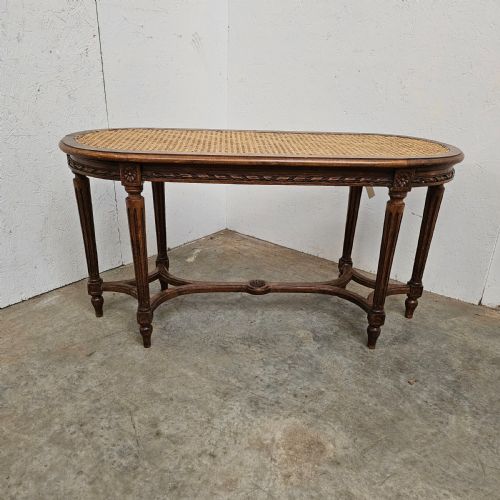
Louis XVI style furniture is characterised by a return to classical straight lines, geometric symmetry, and restrained ornamentation following the curves of the Rococo period. Look for fluted column legs, carved rosette motifs, and rectangular or oval framed headboards.
These pieces often feature painted or gilded wood finishes alongside neatly integrated cane panels. The overall aesthetic emphasises architectural balance and refined classical proportions.