


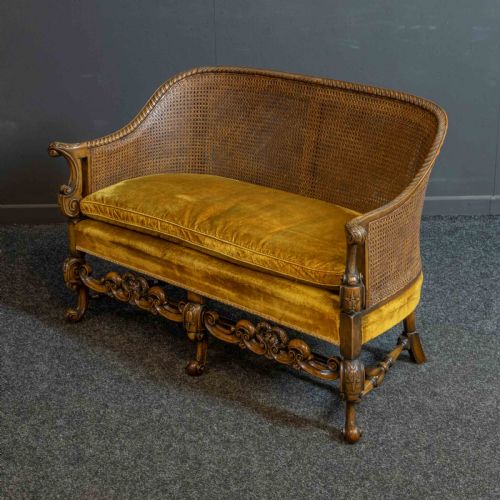
Vintage Cane Back Sofa
A vintage cane back sofa brings tactile woven texture and classic period character into a room.
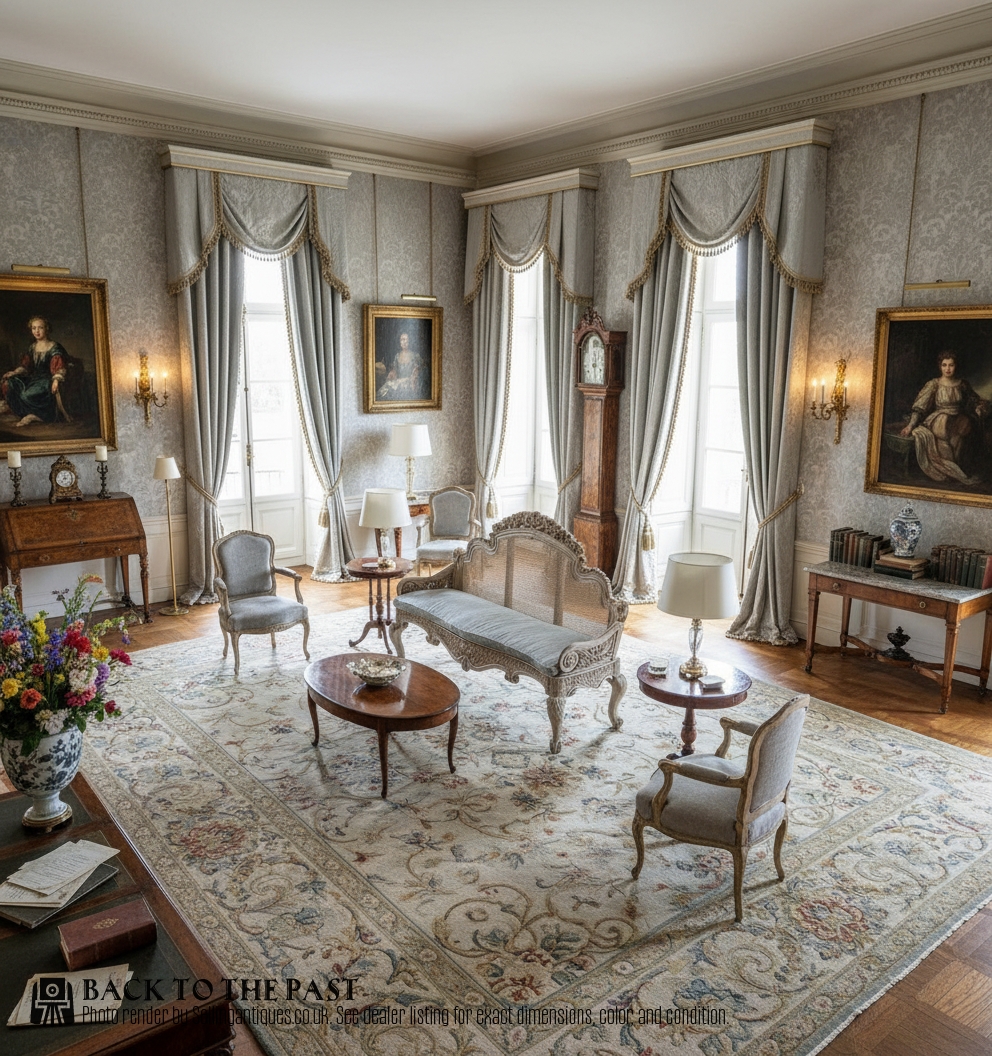
Vintage Cane Back Sofa
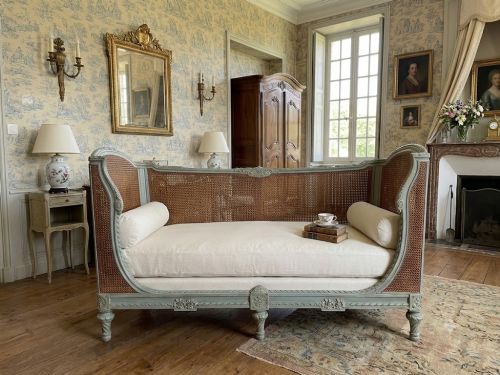
A vintage cane back sofa unites traditional seating forms with resilient woven natural materials. Buyers searching for a vintage cane back sofa encounter settees, daybeds, and benches spanning the late nineteenth century through the early twentieth century.
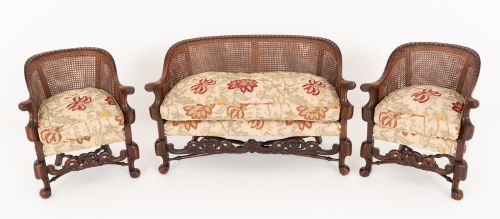
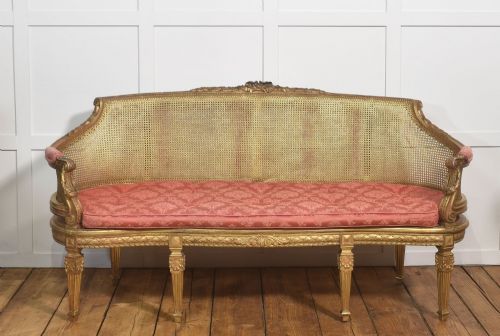
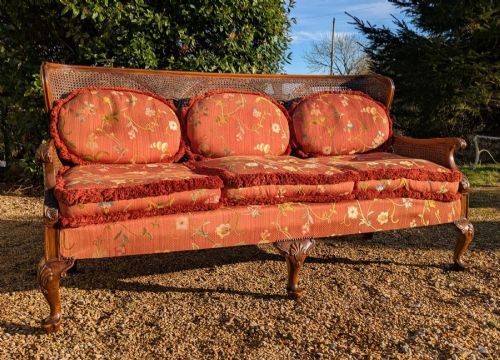
The selection ranges from French Louis XVI and Louis XV style painted and giltwood frames to Carolean and William and Mary revival pieces in walnut. Viennese bentwood and Anglo-Indian designs also appear among the offerings.
Most examples rely on wooden frames paired with open woven cane backrests, frequently accompanied by upholstered seat cushions in fabric, linen, or damask.
How they were made
Frames take shape from carved walnut, beech, and giltwood, utilising traditional joinery suited to each revival style. Woodworkers shaped curved and straight structural elements to support the tension of the woven work.
Cane strands are hand-woven directly through drilled holes or channels in the wooden frames to form open geometric patterns. Additional comfort comes from feather cushions and upholstered elements covered in damask or linen.
Thonet introduced number sixteen to the seating lexicon, proving that even a humble bentwood loveseat deserves a proper numerical designation.
What varies in quality
Quality rests upon the crispness of the wood carving and the tightness of the woven cane panels. Finer examples display meticulous joinery and well-preserved surface treatments, whether painted, gilded, or polished walnut.
The integrity of the woven panels and the durability of the underlying wooden frame determine the overall calibre of the piece. Upholstery materials and cushion fillings also contribute to the finish of each item.
The Vintage Cane Back Sofa Glossary
- Caning
- The practice of weaving rattan or split cane to create supportive and decorative panels for furniture backs and seats. This technique provides both visual lightness and structural flexibility.
- Bergere
- An enclosed upholstered armchair or sofa featuring wooden frames and cane or upholstered sides and back. These seats commonly include loose squab cushions.
- Giltwood
- Timber treated with a thin layer of gold leaf or gilt finish. This decorative coating enhances the formality of revival seating frames.
- Bentwood
- Wood softened through steaming and bent into curved structural forms. This method defines lightweight production seen in Viennese seating.
- Daybed
- An elongated seating form designed for reclining as well as sitting. These pieces combine supportive backrests with extended surface lengths.
Vintage Cane Back Sofa: Frequently Asked Questions
How do I care for cane furniture?
Keep woven panels lightly dusted and maintain moderate room humidity to prevent the natural material from becoming brittle over time.
Avoid placing these items in direct sunlight or beside intense heat sources which can dry out the cane strands.
Are these sofas comfortable for daily use?
Many designs incorporate upholstered feather cushions or supportive seat pads to provide comfort alongside the firm support of the woven backrest.
Their suitability depends on the specific depth and cushion filling of each individual settee.
What is the difference between revival styles?
Revival pieces draw inspiration from historical periods such as Louis XVI or William and Mary, reinterpreting classic decorative motifs for later interiors.
Carved details, frame shapes, and wood finishes help distinguish French chateau influences from English or Viennese designs.
Can damaged cane be repaired?
Woven panels can be re-caned by skilled artisans who thread new material through the existing frame holes using traditional techniques.
Professional restoration ensures the tension and pattern match the original construction of the piece.