
Vintage Candlestick Holders
These vintage candlestick holders bring domestic illumination to a room, offering tactile metal and ceramic forms that ground a tabletop with historical character.
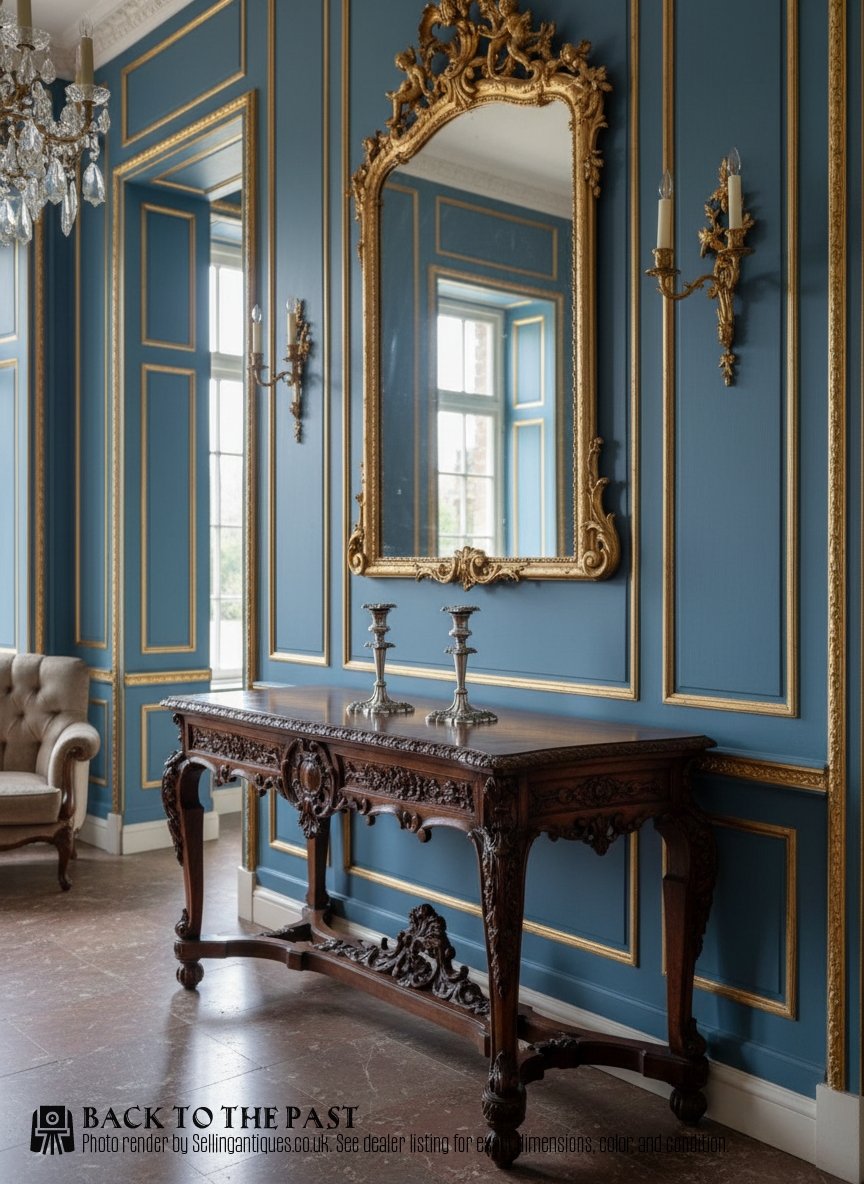
Vintage Candlestick Holders
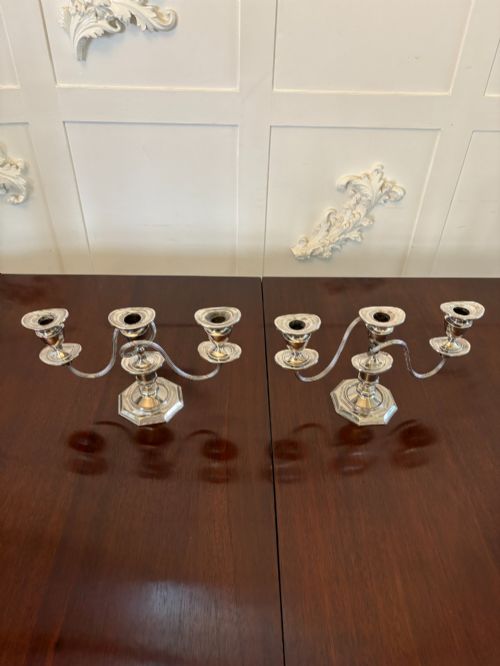
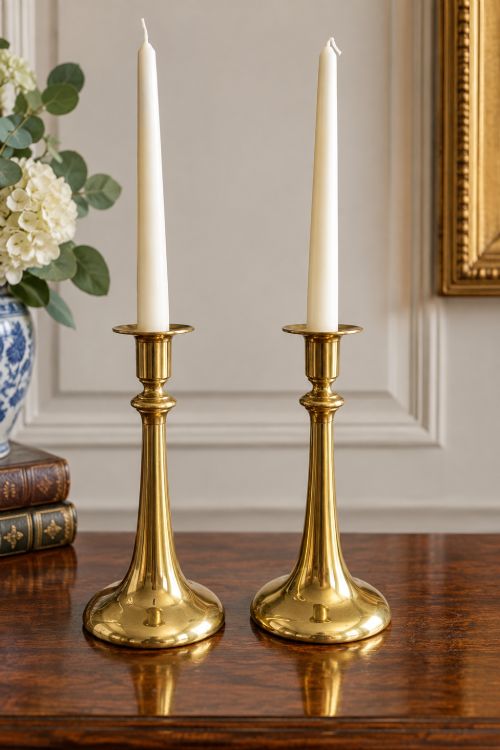
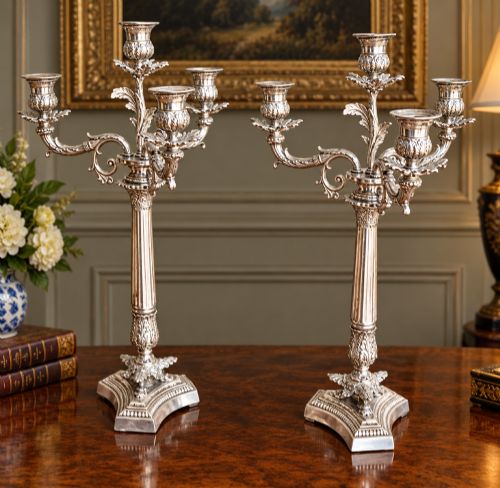
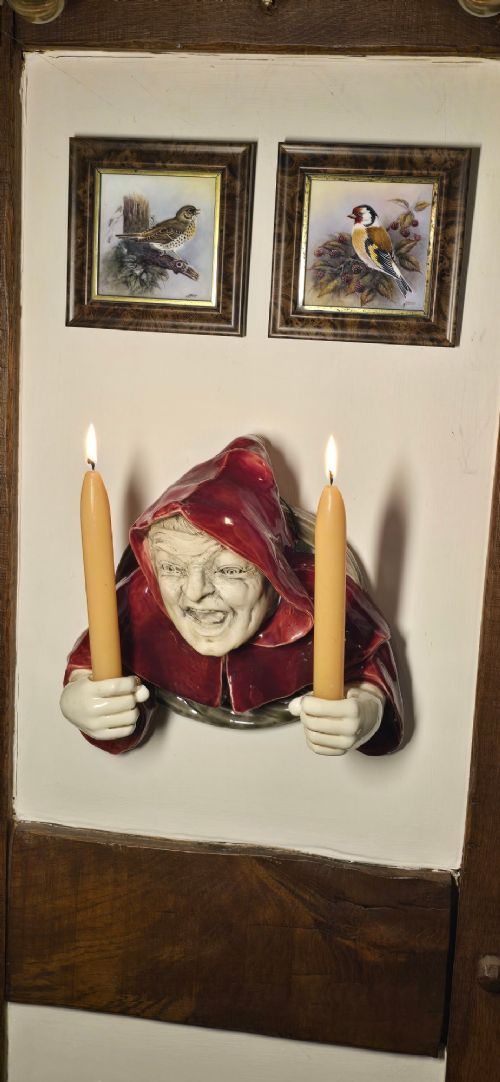
When you search for vintage candlestick holders, you encounter a varied assortment of lighting implements designed to support candles in domestic spaces. These objects include paired table pieces, single chambersticks, multi-branch candelabras, and wall-mounted sconces originating across the eighteenth, nineteenth, and early twentieth centuries.
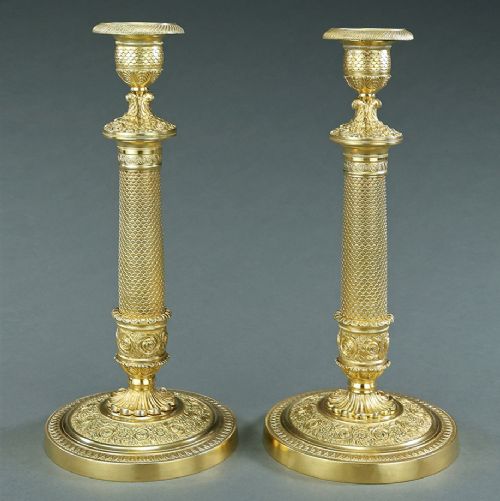
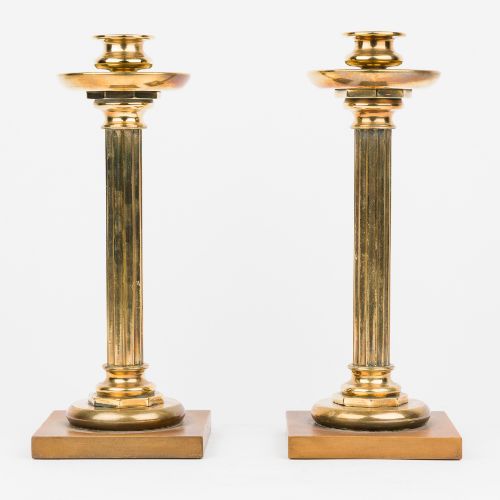
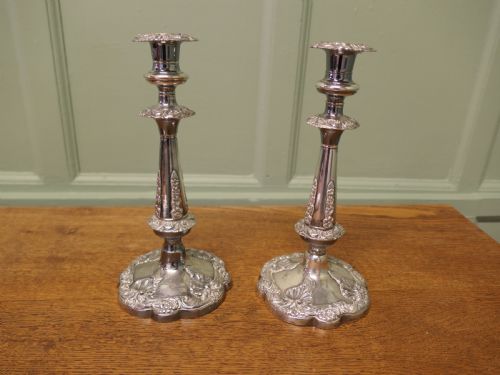
The specimens on this page encompass everyday domestic brass and pewter alongside refined sterling silver, silver plate, gilt bronze, porcelain, and mahogany. Stylistic influences range from austere Georgian lines and Victorian ornamentation to Edwardian elegance and neoclassical revivalism.
How they were made
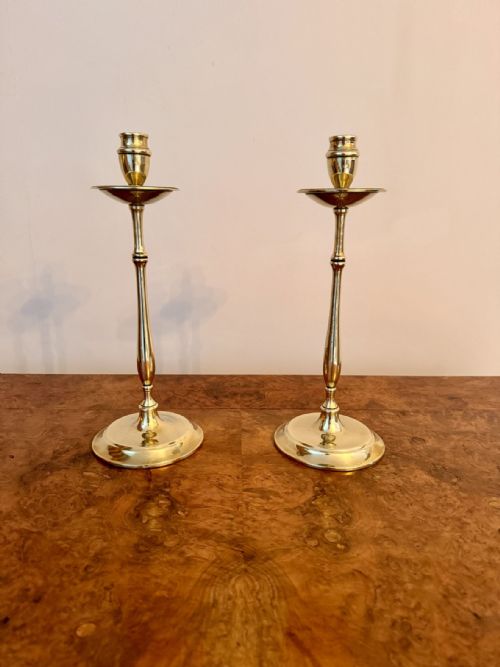
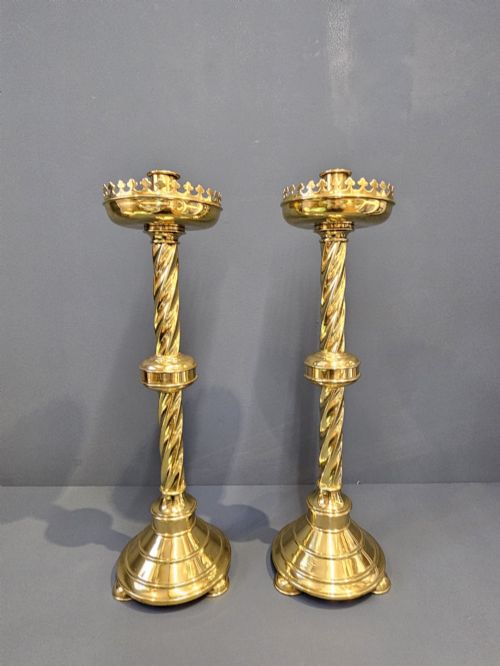
Makers utilised casting techniques for heavier metals, producing robust brass and bronze stems through sand casting or lost-wax methods before turning and finishing the components on a lathe. Silver items typically involve sheet metal shaping or weighted construction methods to ensure stability.
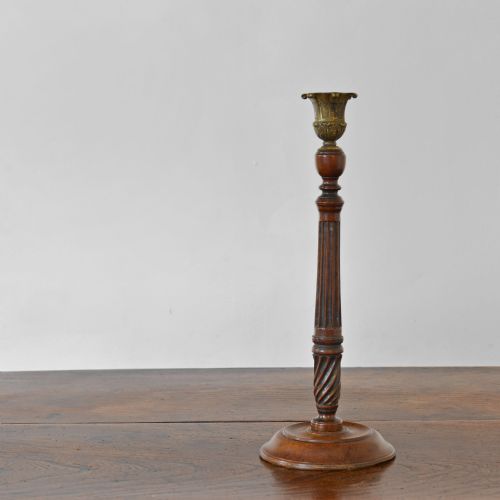
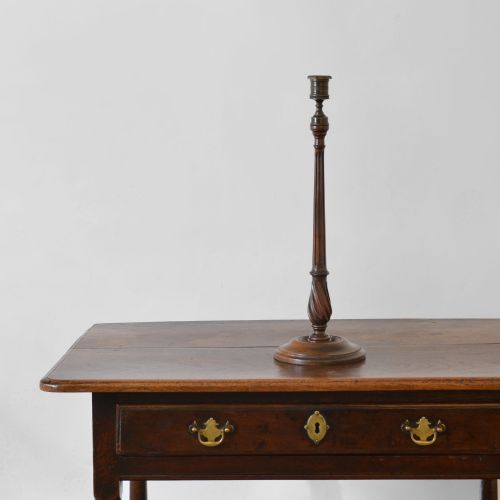
Ceramic and porcelain examples combine moulded earthenware bodies with hand-painted or transferred surface decoration, while wooden variants demonstrate traditional cabinetmaking techniques including turning and polishing to highlight natural grain patterns.
Several brass candlesticks take the form of standing terrier dogs and entwined snakes, proving that historical lighting could possess a playful personality.
What varies in quality
The distinction between standard and superior pieces rests on the crispness of casting detail, the weight of the metal, and the integrity of construction. Heavy, well-balanced bases and sharply defined neoclassical motifs or cast ornamentation separate finer examples from routine production.
Surface preservation also dictates worth, where original patination on brass, undisturbed silver plating, or undamaged ceramic glaze reflects careful historical ownership and superior original craftsmanship.
GEOFFREY BELLAM·Mappin & Webb·Nymphenburg·Birks·Garrard & Co.
The Vintage Candlestick Holders Glossary
- Chamberstick
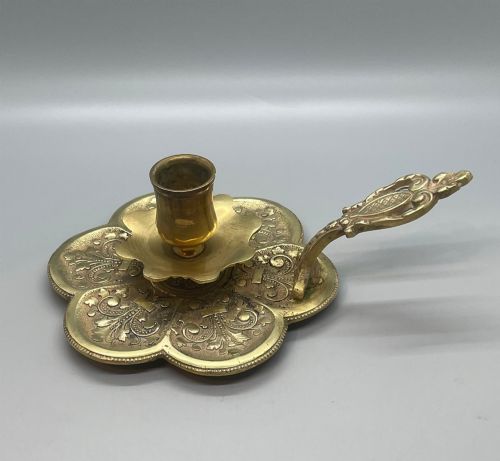
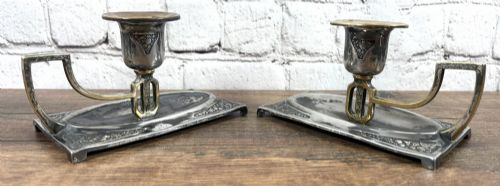
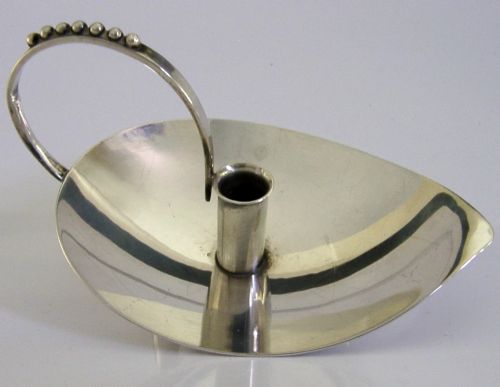
- A low candlestick fitted with a wide drip pan and a loop handle, originally designed for carrying illumination through bedchambers. These portable devices frequently include a matching conical snuffer.
- Pricket
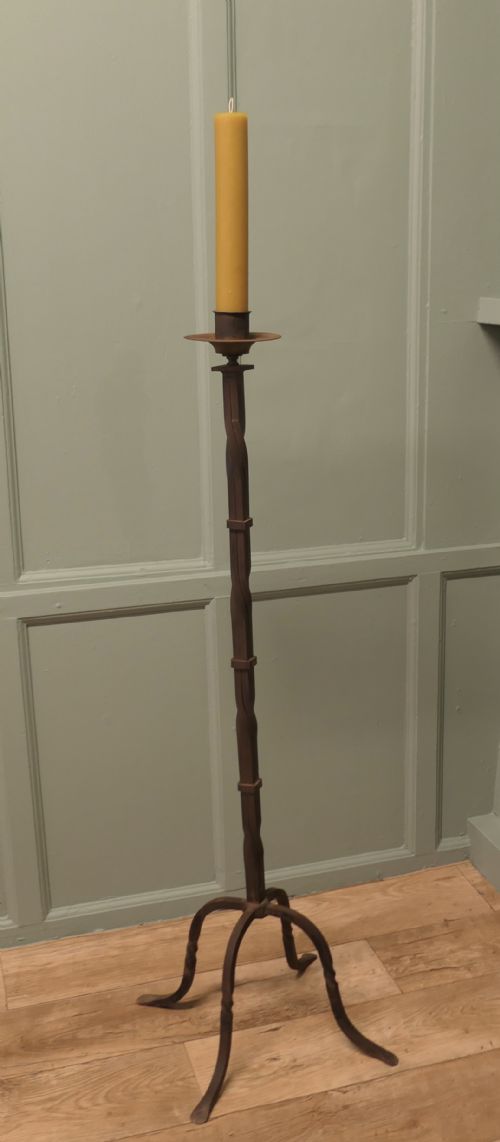
- A candlestick that uses an upright metal spike to impale the base of the candle rather than a socket to hold it. This medieval form appears in later revival styles.
- Sheffield plate
- An early fused plating technique where a thin sheet of sterling silver is thermally bonded to a thicker copper base. Pieces produced this way often reveal subtle traces of copper along high-wear edges.
- Ormolu
- Gilt bronze ornamentation applied to decorative objects, involving the high-temperature amalgamation of finely ground gold and mercury onto a bronze base. This technique creates a durable, rich golden surface finish.
Vintage Candlestick Holders: Frequently Asked Questions
What is a chamberstick?
A chamberstick is a low portable candlestick featuring a wide saucer base and a small side handle. They were used to light pathways through dark hallways and bedrooms.
The wide pan caught dripping wax, protecting hands and furniture during movement, and usually accommodated a small cone snuffer to extinguish the flame.
How do I date brass candlesticks?
Dating brass candlesticks involves examining the construction method, base shape, and wear patterns. Earlier eighteenth-century examples often display distinct casting seams and heavy patination, while nineteenth-century pieces show more standardised machine finishing.
Changes in stylistic revival periods, such as seventeenth-century style prickets made during the Victorian era, also require careful scrutiny of component weight and joinery.
What are silver plated candlesticks filled with?
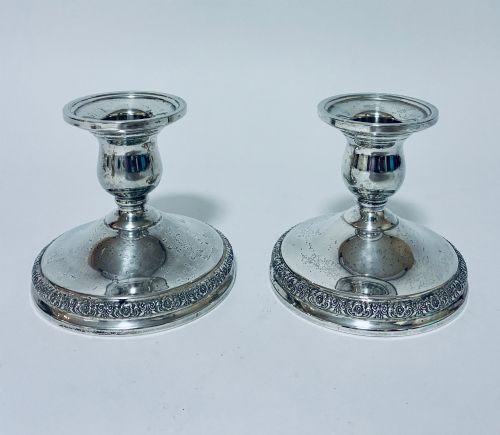
Silver plated and sterling silver candlesticks are typically weighted with a dense internal substance such as resin, plaster, or pitch. This internal filling provides necessary stability to support the candle safely.
Because thin silver sheet cannot support its own weight, this filling prevents the tall stem from tipping over easily during use.
How were candelabras used historically?
Candelabras served as grand centrepieces for dining tables and formal reception rooms, providing significant illumination before the advent of gas lighting and electricity. Multiple branches allowed a single base to project substantial light.
They demonstrated household wealth and status through the quantity of wax consumed and the richness of the metal or porcelain material.