






Vintage Candle Tray
These vintage candle tray pieces combine practical wax-catching bases with portable holders, offering both period utility and decorative presence.
Vintage Candle Tray
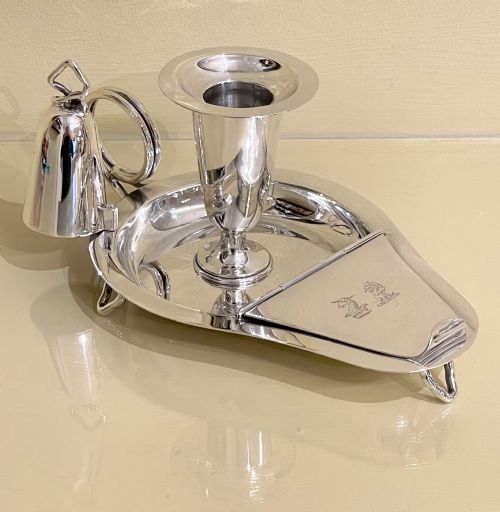
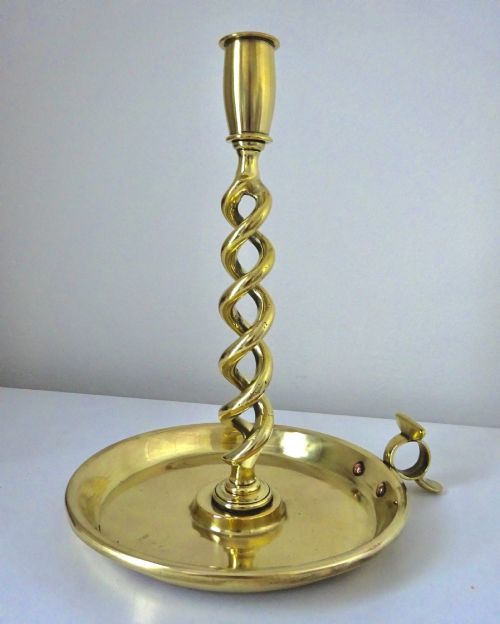
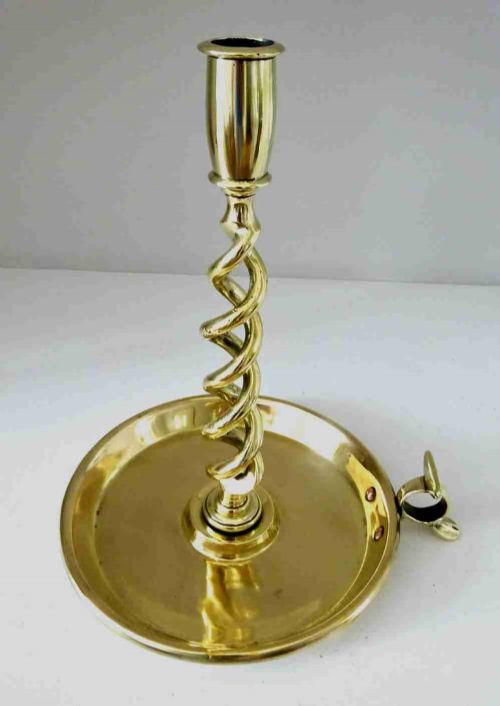
A vintage candle tray typically takes the form of a chamberstick or a fitted base designed to hold a candle alongside accessories like snuffers. The selections on this page draw from periods spanning the seventeenth century through to the mid twentieth century, encompassing Georgian, Victorian, and Edwardian eras.
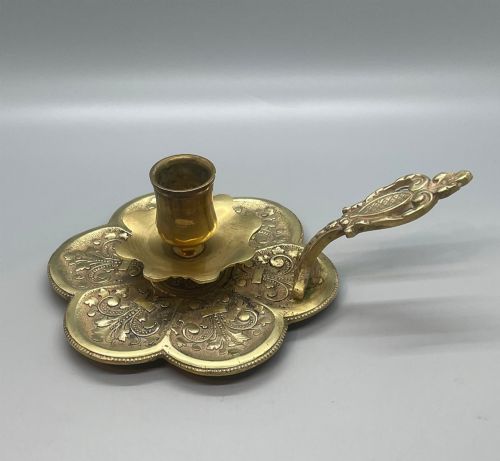
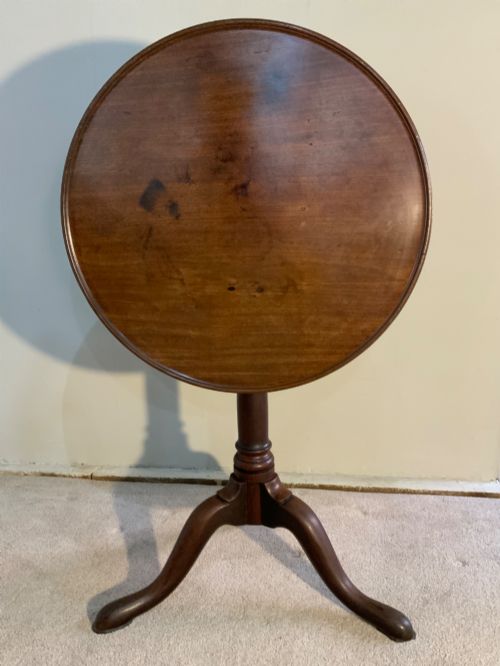
Forms range from simple metal dishes with integrated finger loops to mahogany tray top tripod tables and marble Grand Tour pieces. You are most likely to encounter brass and silver plated chambersticks equipped with handles and deep drip pans.
The objects serve primarily as portable lighting apparatuses from an era before electric illumination. Their survival reflects both daily domestic utility and the enduring appeal of traditional metalwork and woodwork.
Materials and Construction
Brass and silver plate dominate the construction, often shaped through casting, spinning, or heavy plating over a base metal like copper. Makers also utilised mahogany, marble, and stone for specific tray formats and table surfaces.
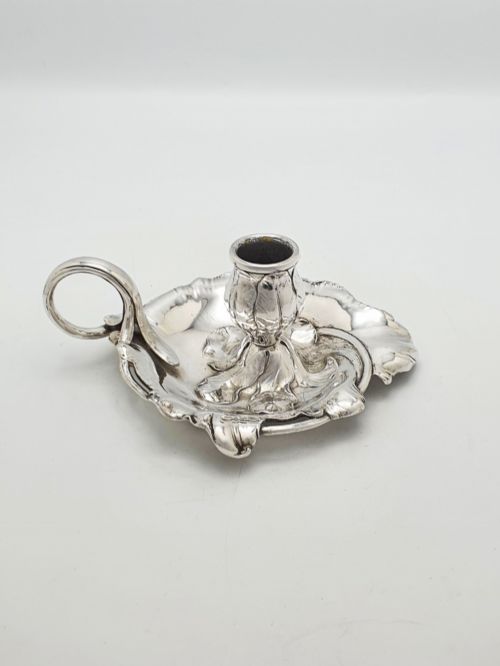
Construction details include twisted stems soldered or screwed to fitted trays, applied crests, and integrated handle loops designed for secure carrying. Artisans of the Arts and Crafts and Art Nouveau periods applied hand-hammered textures and organic leaf motifs to the metal surfaces.
Vintage Candle Tray Retail Price Guide 2026
Typical asking prices for vintage candle tray among the pieces listed under this phrase on Sellingantiques today, from the lower quarter to the upper quarter. They describe what is for sale here now, not the wider market.
Object forms encompass standard chambersticks, table trays, snuffers sets, and occasional tripod tables designed for holding candle accessories.
Evaluating the Pieces
Quality rests in the weight of the metal, the crispness of cast details such as twisted stems or decorative crests, and the integrity of the silver plating over the underlying copper or brass. Pieces that retain their original matched components, like snuffers resting in dedicated trays, demonstrate superior completeness.
Subtleties in design execution distinguish standard production items from workshop pieces bearing specific markers like the WMF or Liberty attribution. The thickness of the material and the balance of the handle to the drip pan dictate both durability and aesthetic harmony.
WMF·Liberty & Co.
The Vintage Candle Tray Glossary
- Chamberstick
- A portable candleholder featuring a shallow tray or saucer base, typically fitted with a handle for carrying through a house at night. The wide rim catches dripping wax.
- Snuffers
- A specialised pair of scissors fitted with a small box, used for trimming candle wicks before or during burning. They often sit alongside the candle in a matching tray.
- Old Sheffield Plate
- An early composite material made by fusing a thin sheet of silver to a thicker copper core, popular before modern electroplating techniques developed. Items show the rich lustre characteristic of early fused metal.
- Heemskerk Candlestick
- A heavy, bell-based brass candlestick style originating in the seventeenth century, known for its sturdy turned profile and central drip flange. These represent early domestic metalwork forms.
- Tripod Table
- A small occasional table supported by a pillar and three legs, sometimes constructed with a raised tray top designed to secure small objects. Mahogany versions appear frequently in Georgian contexts.
Vintage Candle Tray: Frequently Asked Questions
What is a chamberstick?
A chamberstick is a low candleholder mounted inside a shallow tray or saucer, equipped with a loop handle. It was designed to be carried safely through dark hallways.
The wide rim protects the hand from hot wax and provides a stable base for movement around the home.
How do I care for silver plated trays?
Silver plate requires gentle cleaning with a soft cloth and a non-abrasive polish formulated for plated metals. Avoid aggressive rubbing that might wear through the thin silver layer to the base metal underneath.
Store the pieces in a dry environment to prevent tarnishing and moisture damage to any underlying copper or brass.
What distinguishes Old Sheffield Plate?
Old Sheffield Plate involves a mechanical fusion of silver and copper sheets rather than an electrochemical process. This technique creates a durable layer where the underlying copper occasionally peeks through at high wear points.
Collectors value this material for its distinct weight, warm lustre, and historical importance in the evolution of metalworking.
How were these trays used historically?
These items served daily domestic functions in lighting rooms and guiding inhabitants through unlit buildings before electricity. Servants and family members used the finger loops to carry the flame securely.
They also functioned as decorative tabletop accessories in parlours and bedchambers, often holding snuffers to maintain the candle flame.