


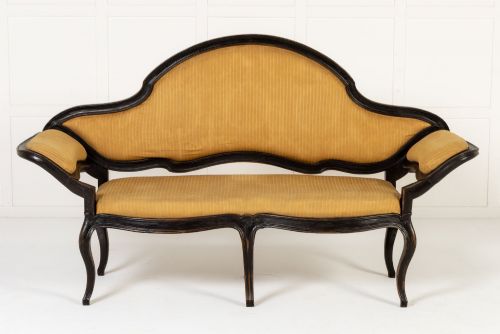


Vintage Canape
A vintage canape is an upholstered or caned seat designed for two or more, bringing French revival elegance and practical charm to a room.
Vintage Canape
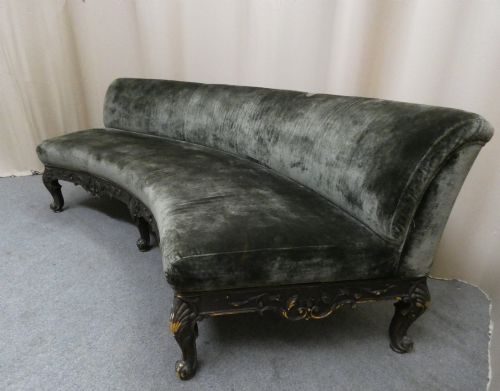
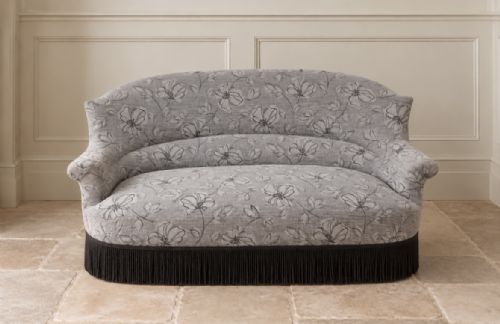
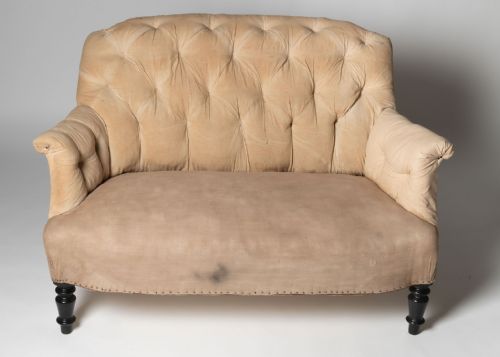
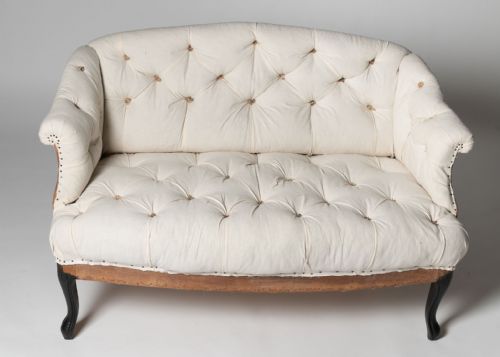
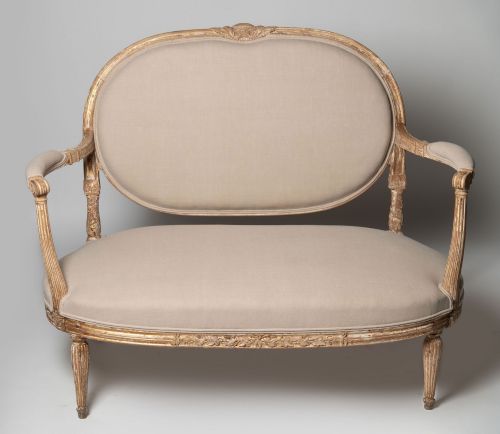
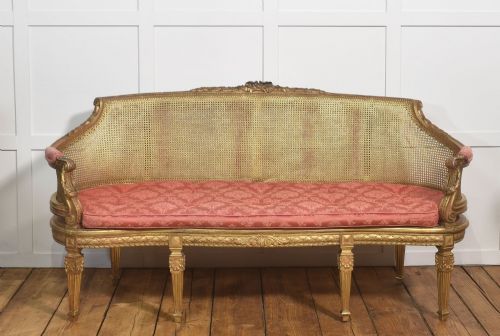
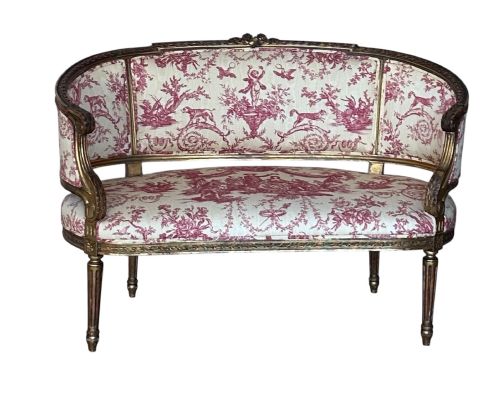
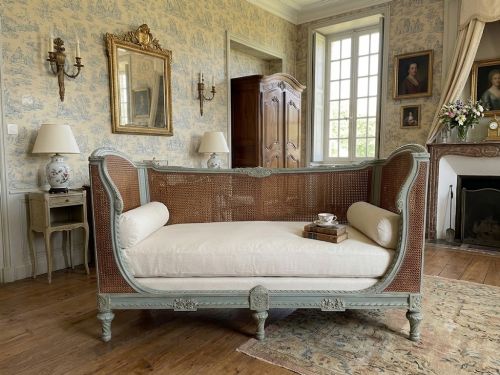
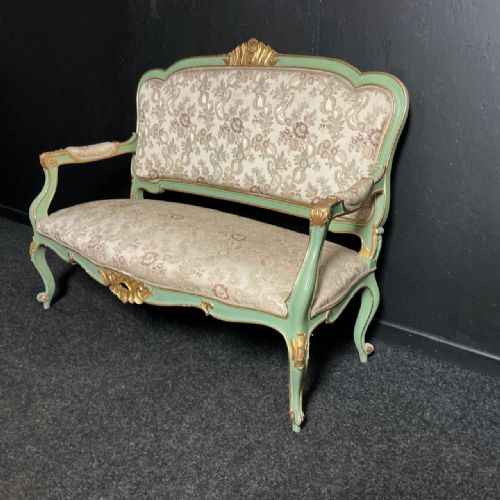
A vintage canape encompasses antique French sofas, settees, and daybeds originating mainly from the nineteenth and early twentieth centuries. These seats draw heavily on Louis XV and Louis XVI styles, showcasing ornate woodwork alongside upholstered or caned surfaces.
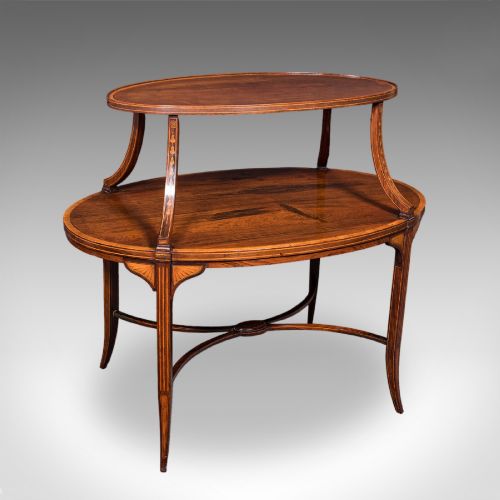
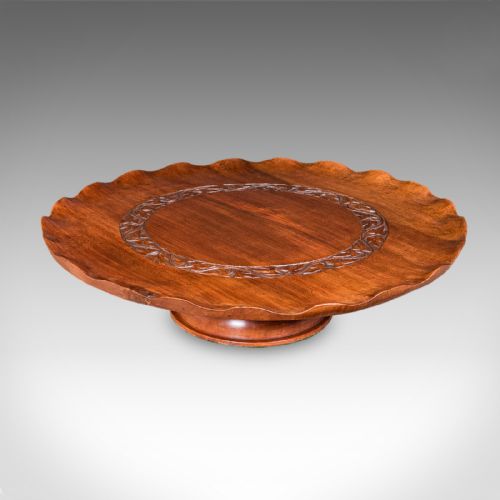
The version most commonly met on this page is the nineteenth-century French sofa or canape, often framed in walnut, giltwood, or painted wood. Alongside traditional seating, the listings occasionally include Edwardian rotating serving trays sharing the same term.
Makers and designers worked within established continental traditions, producing everything from intimate two-seat love seats to larger salon suites. The forms reflect an enduring demand for decorative period seating suited to drawing rooms and reception spaces.
What varies in quality
The refinement of the carved ornamentation on the wooden frame determines much of the distinction between standard items and superior examples. Deeply carved motifs and crisp detailing reflect greater skill from the cabinetmaker.
The choice and execution of materials also set pieces apart, particularly the fineness of the cane work and the quality of the giltwood or painted finish. Intact original upholstery and solid timber construction elevate the overall standard of the piece.
Vintage Canape Retail Price Guide 2026
Typical asking prices for vintage canape among the pieces listed under this phrase on Sellingantiques today, from the lower quarter to the upper quarter. They describe what is for sale here now, not the wider market.
Alongside French salon seating, the search captures turn-of-the-century rotary serving trays sharing the unexpected name of canape turntable.
The Vintage Canape Glossary
- Canape
- An antique settee or sofa, typically French in origin and styled after court furniture of the eighteenth century. These seats often feature exposed wooden frames and caned or upholstered panels.
- Giltwood
- Timber coated with a thin layer of gold leaf or gilt paint. This finish creates a bright, reflective surface popular on formal nineteenth-century seating.
- Cane
- Woven rattan or plant material used to form supportive panels for backs and seats. It provides a lighter alternative to solid upholstery.
- Louis XV Style
- A decorative design movement characterised by asymmetrical curves, floral carvings, and flowing lines. Furniture from this tradition emphasises comfort and ornamental grace.
Vintage Canape: Frequently Asked Questions
What is a canape?
A canape is an antique settee or sofa, most commonly associated with French design traditions from the nineteenth century. These seats typically feature decorative wooden frames and space for two or more occupants.
While the term usually describes formal upholstered seating, it occasionally appears in historical contexts for rotating serving trays from the Edwardian era. In furniture, it functions as a synonym for an ornate settee or love seat.
How do I identify a Louis XV style canape?
You can identify a Louis XV style canape by its curved wooden frames, cabriole legs, and organic floral carvings. These pieces avoid straight lines in favour of flowing, asymmetrical contours.
They often incorporate walnut or painted finishes alongside traditional upholstery or cane panels. The overall aesthetic prioritises relaxed elegance over rigid symmetry.
Where should I place a vintage settee?
A vintage settee works well in living rooms, bedrooms, or hallways where space allows for a decorative focal point. Smaller versions fit easily at the foot of a bed or in an intimate seating corner.
Because these pieces feature finished wooden backs and carved details, they can also sit away from walls in the centre of a room.
How do I care for caned furniture?
Caned furniture requires gentle cleaning with a soft brush to remove dust from the woven strands. Avoid placing cane pieces in overly dry environments or direct sunlight, which can make the material brittle.
Occasional light moisture can help maintain the flexibility of the natural plant fibres used in the weave.