





Vintage Calling Card Case
These vintage calling card case examples span from Victorian pieces to Art Deco designs, offering functional elegance for the modern collector.
Vintage Calling Card Case
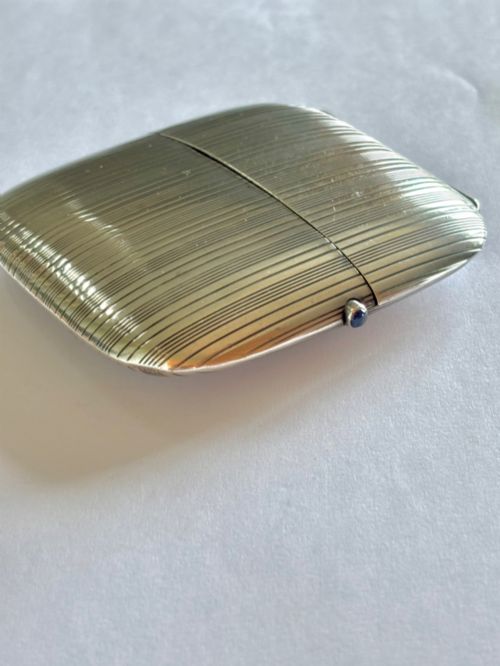
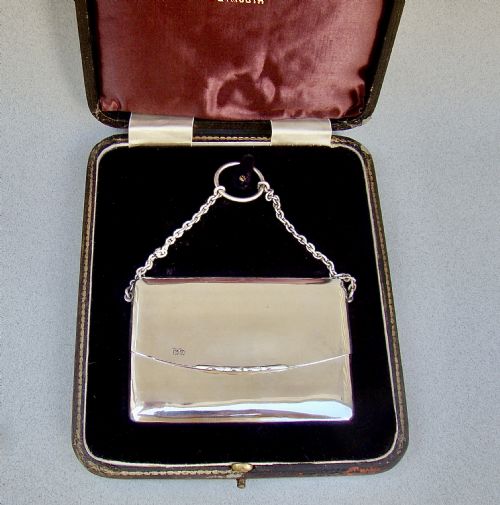
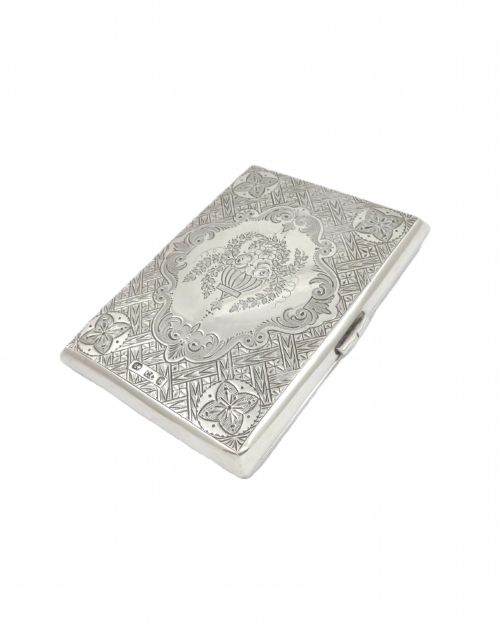
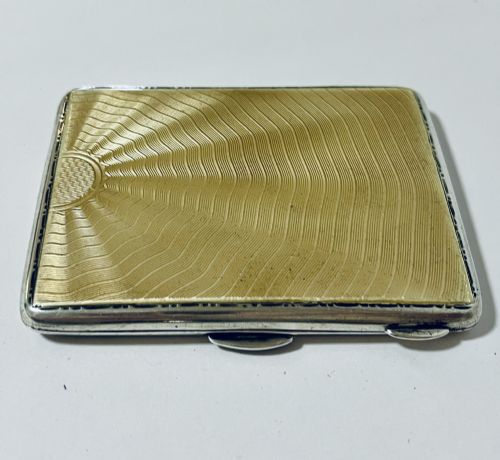
A vintage calling card case serves as a compact pocket receptacle designed to hold visiting cards, stamps, or notes during social calls. The selections visible here include traditional card cases, combined card and stamp cases, aide memoire pieces, and cigarette cases which often double in function.
Most examples originate from the Edwardian and Victorian eras, alongside Art Deco and 19th-century specimens. Collectors encounter varied regional origins, including British hallmarked pieces, continental work, Anglo-Indian items, and Soviet era objects.
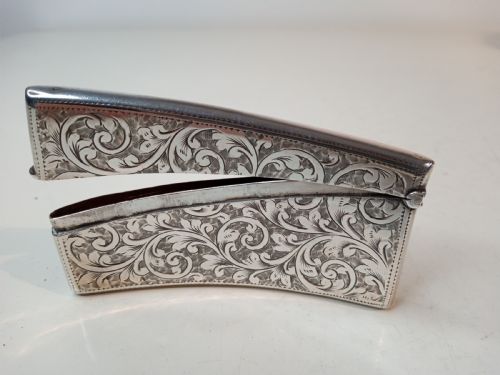
The physical formats vary from simple folding wallets and spring clip designs to rigid boxes and novelty shapes. Certain pieces incorporate internal silk linings or gilt washes to protect the contents.
Materials and construction
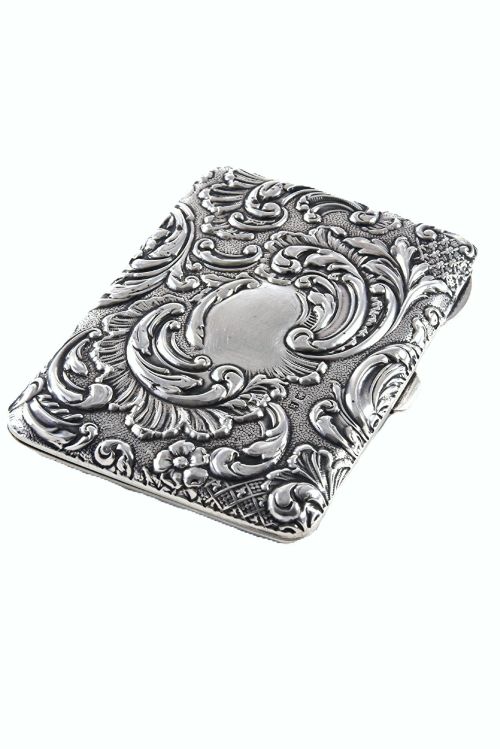
Sterling silver and standard silver form the primary structural body for the majority of examples. Silversmiths utilised techniques such as repoussé, engraving, and hallmarking to finish these metal surfaces.
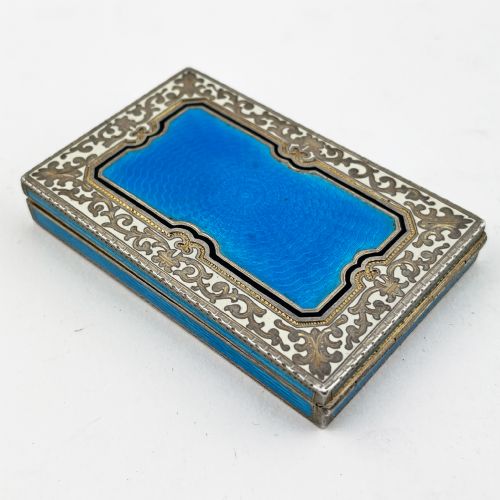
Decorative elements frequently incorporate vitreous enamel, polychrome enamel, or gilt metal highlights. Organic materials like Connemara marble and tortoiseshell appear inset into the silver frameworks.
Internal mechanisms rely on spring clips, silk folding panels, and hinged frames. These functional components require precise metalwork to ensure secure closure during daily use.
Materials documented across the inventory include sterling silver, enamel, tortoiseshell, and Connemara marble.
Evaluating the standard of execution
The sophistication of the surface decoration determines much of the distinction between standard examples and finer works. Hand-engraved motifs, detailed enamel panels, and specialised materials like tortoiseshell or Connemara marble elevate the piece.
Structural integrity depends upon the weight of the metal and the precision of the hinges and clasps. Solid silver construction with a gilt interior represents a higher grade of manufacture than plated or lightweight alternatives.
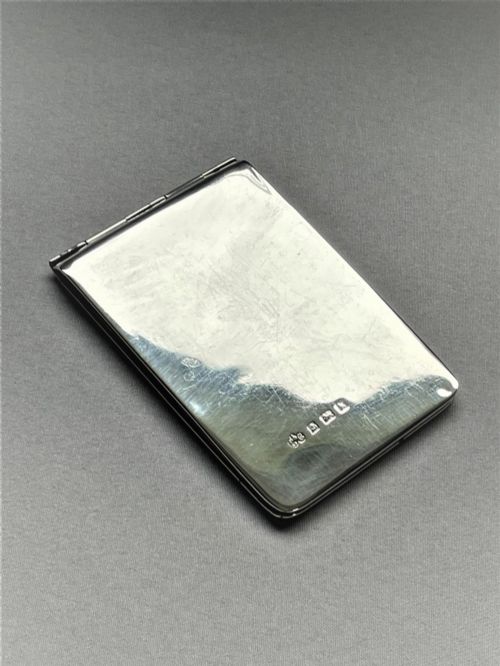
Maker marks and legible hallmarks provide historical clarity and evidence of official standard testing. Pieces bearing identifiable silversmith stamps command greater interest among serious collectors.
Willian Aitken
The Vintage Calling Card Case Glossary
- Aide Memoire
- A small notebook or memorandum case fitted with ivory or paper leaves and a pencil, used for recording social engagements. These often double as card cases in period collections.
- Hallmark
- An official stamp applied to precious metals indicating the purity, maker, and assay office. British pieces typically show a lion passant and date letter.
- Vitreous Enamel
- A material made by fusing powdered glass to a substrate by firing, producing a durable glossy coloured surface. It appears on numerous Art Deco and continental metal cases.
- Sterling Silver
- An alloy of silver containing 92.5 percent mass of silver and 7.5 percent mass of other metals, usually copper. This standard dominates British silver items from the 19th and 20th centuries.
Vintage Calling Card Case: Frequently Asked Questions
What is a vintage calling card case?
A vintage calling card case is a small protective container used historically to carry personal visiting cards when making social visits. These pocket items kept paper cards clean and uncreased.
The selections on this page include sterling silver boxes, tortoiseshell folding wallets, and enamel-decorated pieces from the Victorian, Edwardian, and Art Deco periods.
How were calling card cases used?
People carried these cases in pockets or handbags during formal social calls to present their cards upon arrival at a residence. The recipient used the cards to record visits and manage social obligations.
Many examples include internal clips, silk compartments, or small notebooks to hold stamps, coins, and memoranda alongside the cards.
How do I date a silver card case?
Dating silver items relies primarily on official hallmarks stamped into the metal by assay offices. These marks often include a specific letter code denoting the year of testing.
Stylistic indicators also help assign periods, such as the geometric lines of Art Deco pieces versus the ornate floral engravings typical of Victorian items.
Can I still use a card case today?
Modern collectors frequently utilise these vintage cases to hold business cards, credit cards, or folded currency. Their slim profiles fit easily into contemporary pockets and bags.
Care should be taken with delicate materials like enamel or tortoiseshell, and hinges should be handled gently to preserve the historical mechanism.