

Vintage Cabinet Bookcase
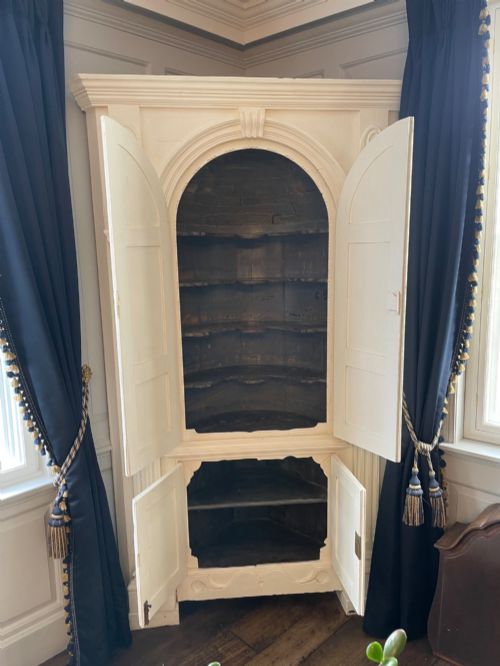
A vintage cabinet bookcase combines open shelving or glazed display with enclosed storage, offering a practical solution for housing books and displaying china.
Vintage Cabinet Bookcase
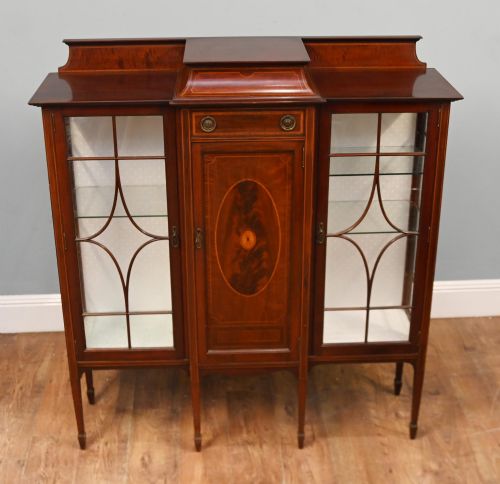
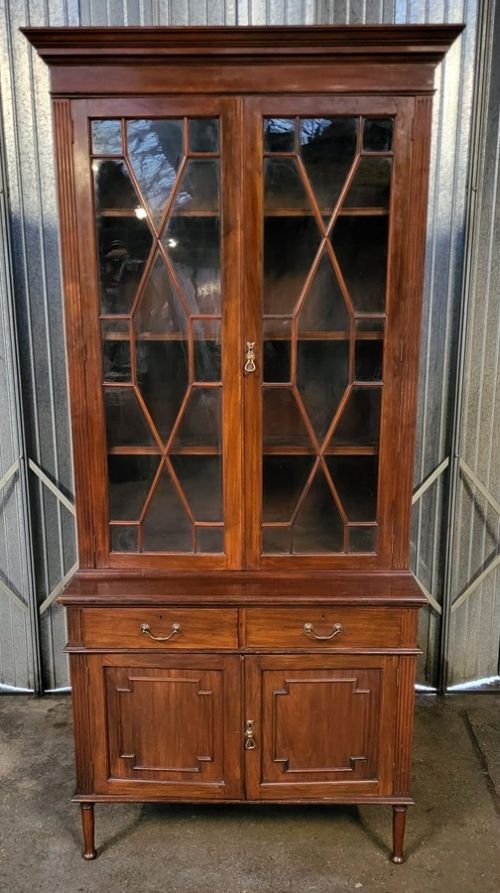
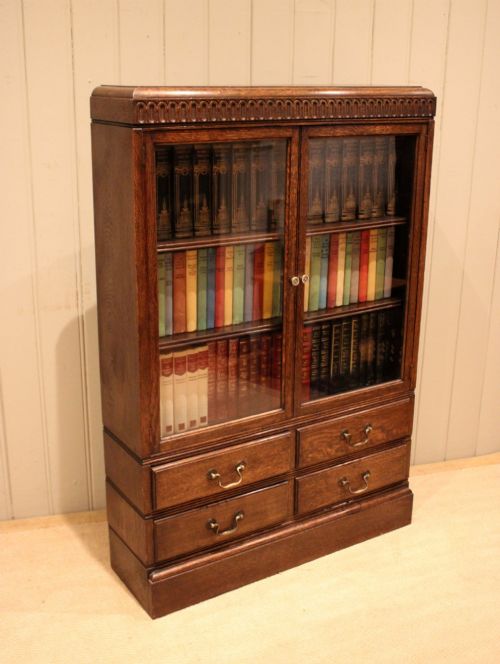
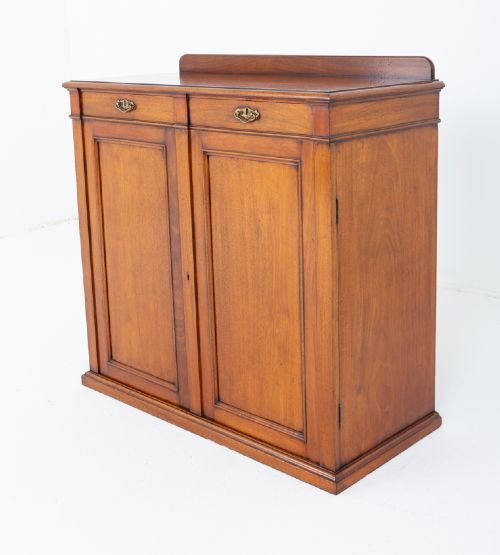
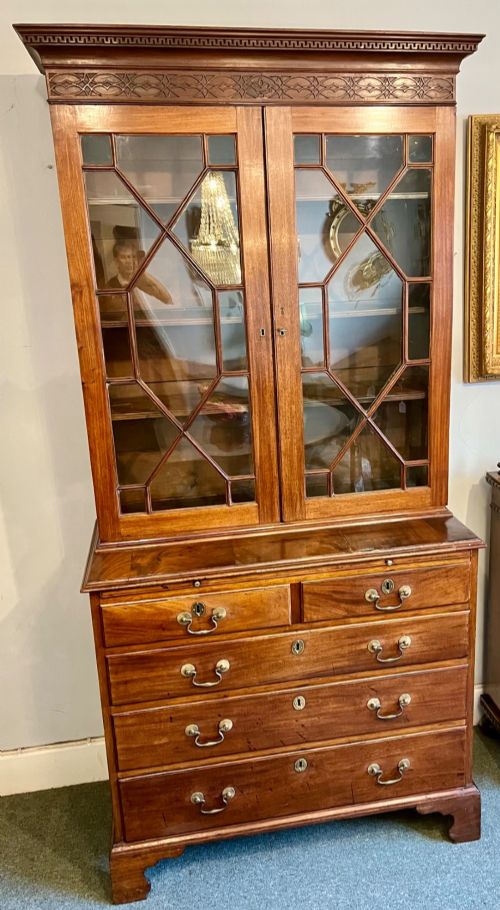
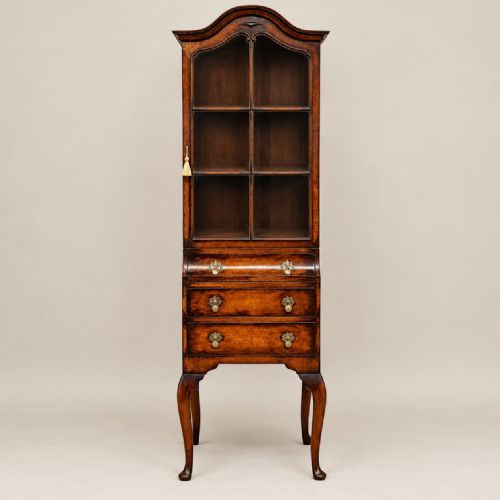
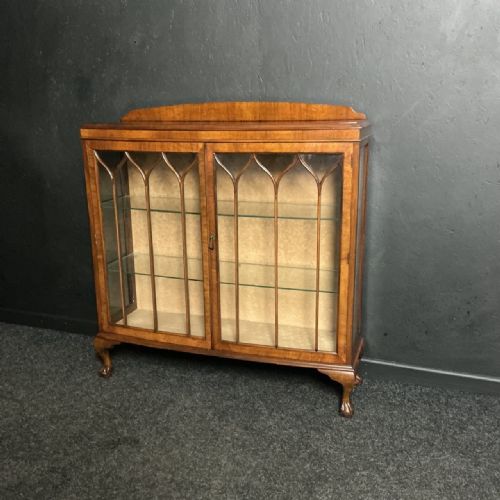
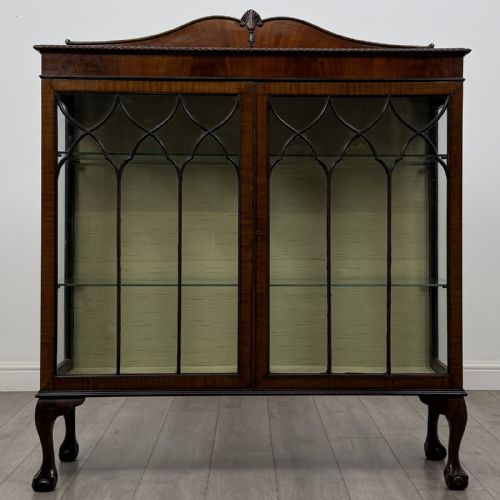
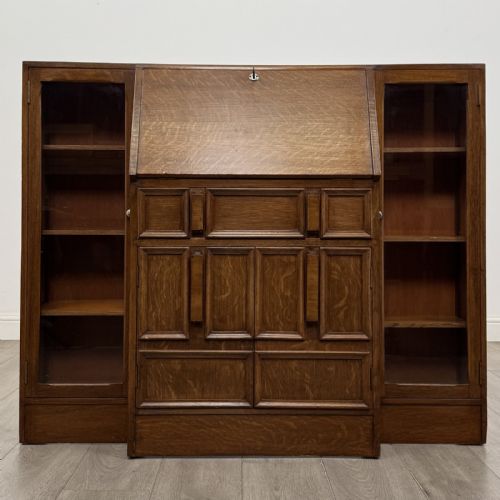
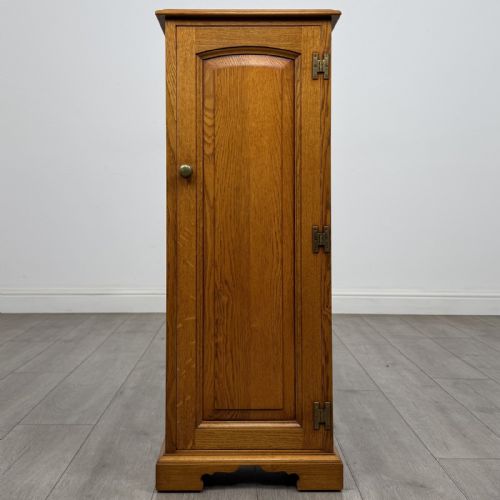
A vintage cabinet bookcase bridges the gap between functional library storage and decorative display, serving as a prominent furniture piece in domestic interiors. When exploring this selection, buyers encounter formats ranging from Edwardian display cabinets and bureau bookcases to sectional stacking units.
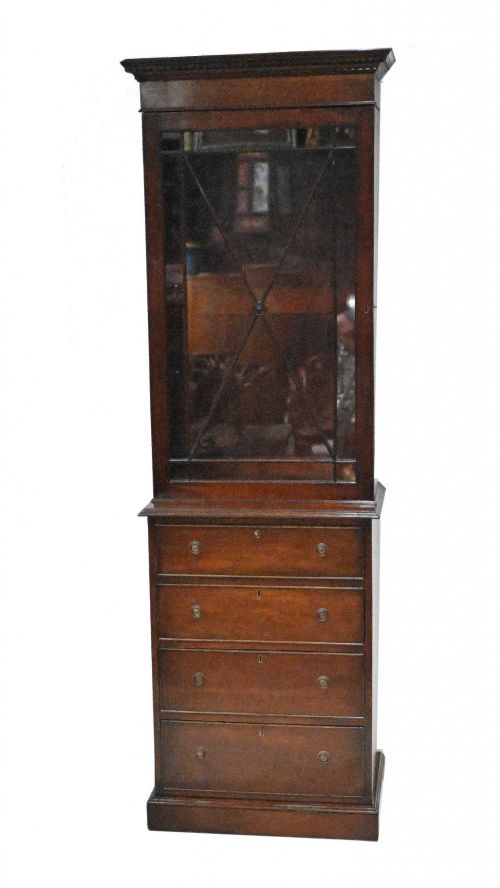
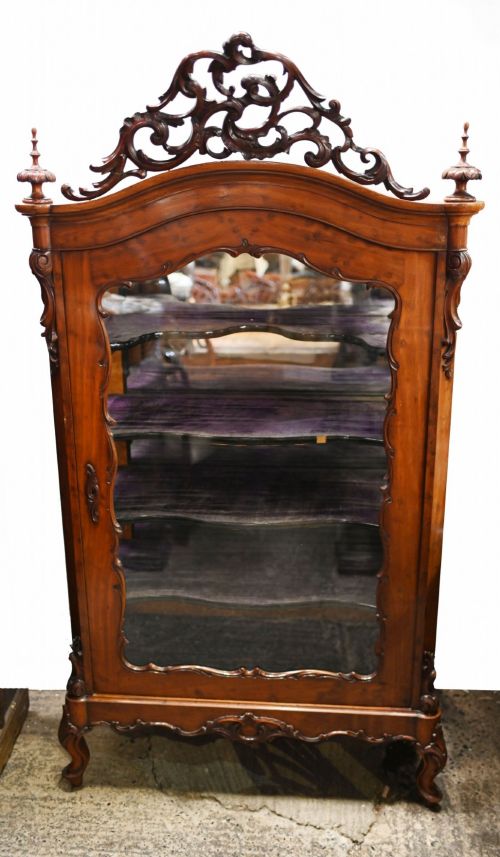
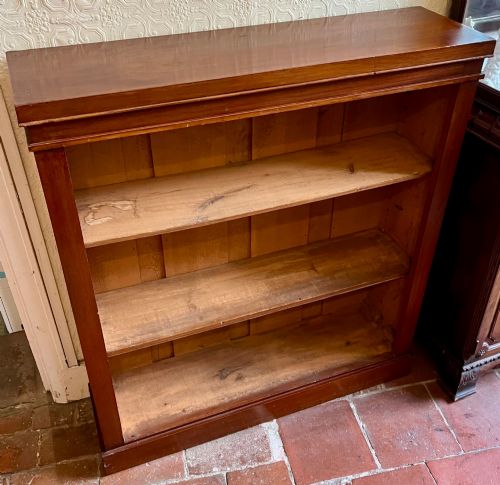
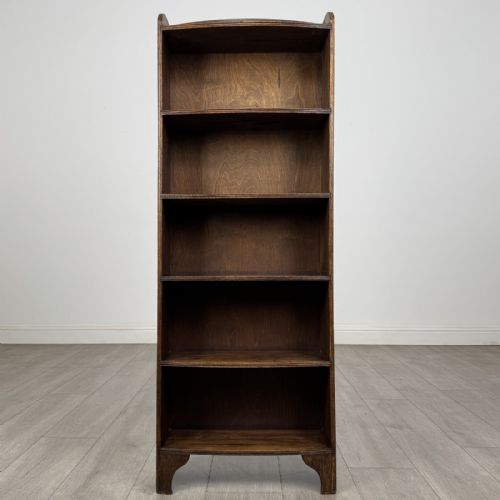
The assortment spans diverse periods, featuring robust oak pieces from the Edwardian and Art Deco eras alongside refined mahogany examples dating back to the nineteenth century and earlier. Forms include glazed china cabinets, open bookcases with dentil cornices, and secretaire bookcases equipped with fitted writing drawers.
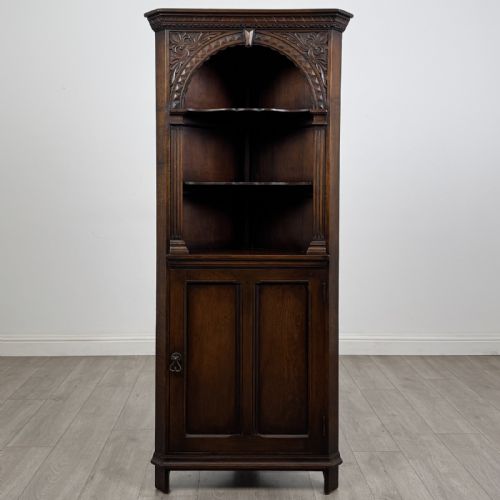
Originating across different workshops and periods, these pieces reflect varied stylistic influences such as Jacobean Revival, Arts and Crafts, and Georgian designs. Buyers find both compact corner units and large sectional arrangements suited to contemporary room layouts.
Materials and construction methods
Cabinet makers relied heavily on timber selection, utilising dense mahogany, figured walnut, and quarter-sawn oak as the primary structural materials for these bookcases and display cabinets. Satinwood stringing, maple inlays, and brass hardware frequently accent the main wood bodies.
Glass integration defines many of these items, employing astral glazing bars or sliding glass panels to protect books and displayed objects while maintaining visibility. Sectional designs incorporate mechanical up-and-over doors or modular stacking frames made by specialised makers.
Vintage Cabinet Bookcase Retail Price Guide 2026
Typical asking prices for vintage cabinet bookcase among the pieces listed under this phrase on Sellingantiques today, from the lower quarter to the upper quarter. They describe what is for sale here now, not the wider market.
Early sectional bookcases were marketed to lawyers as elastic bookcases because the shelf capacity could stretch to accommodate growing case law libraries.
Factors of construction and finish
The standard of timber and veneer work establishes the primary distinction between standard production items and superior examples, particularly where intricate inlay or burr walnut figure is present. Fine joinery details, such as dovetailed drawer construction and well-fitted cornices, indicate higher workshop standards.
Original hardware, intact glass panes, and the preservation of polished finishes influence the integrity of each piece. Superior items retain their original brass fittings, functional locking mechanisms, and balanced proportions without structural timber distortion.
E Gomme·Gunn Furniture·Lebus·Globe Wernicke·Macey
The Vintage Cabinet Bookcase Glossary
- Bureau bookcase
- A dual-purpose furniture form featuring a sloping fall-front writing desk combined with upper bookcase shelving. The interior typically contains small pigeonholes and drawers for correspondence.
- Astral glazing
- A method of dividing glass doors into smaller panes using slender wooden strips known as glazing bars. This technique creates geometric patterns across the front of display cabinets.
- Dentil cornice
- A decorative architectural moulding consisting of a series of small, rectangular blocks spaced evenly along the top projection of a bookcase. It derives from classical building design.
- Secretaire
- A cabinet or desk incorporating a pull-out writing drawer with a drop-front panel that conceals a fitted interior. It often forms the middle section of a tall bookcase.
- Sectional bookcase
- A modular storage system composed of stackable glazed units that operate independently. These pieces are often associated with specialised makers like Globe Wernicke or Macey.
Vintage Cabinet Bookcase: Frequently Asked Questions
How do I identify an Edwardian bookcase?
Edwardian bookcases, produced between nineteen hundred and nineteen ten, frequently utilise lightweight mahogany embellished with satinwood stringing and inlaid details. They often stand on slender legs or claw and ball feet rather than heavy plinth bases.
Many examples combine open shelving with enclosed lower cupboards or glazed display sections for china. Their aesthetic leans toward lighter, refined proportions compared to earlier Victorian furniture.
What is the difference between a display cabinet and a bookcase?
A bookcase is primarily designed for holding books, featuring open wooden shelves or glass-fronted doors intended for vertical storage. Display cabinets focus on exhibiting decorative objects, china, and glassware through fully glazed panels.
Many hybrid forms exist within this category, combining enclosed bookshelves with dedicated display compartments. Interior fabric linings and mirrored backs are more commonly found in display-focused furniture.
How do I care for antique wood furniture?
Antique mahogany and oak require placement away from direct heat sources and strong sunlight to prevent timber warping and finish fading. Maintaining stable room humidity preserves the integrity of the wood and glued joints.
Periodic application of suitable furniture wax helps nourish the surface and maintain the natural lustre of the polish. Avoid using silicone-based commercial sprays, which can penetrate and damage aged timber finishes.