




Vintage Butter Dish
A vintage butter dish brings tactile charm to the table, combining period craftsmanship with practical elegance for modern dining.
Vintage Butter Dish
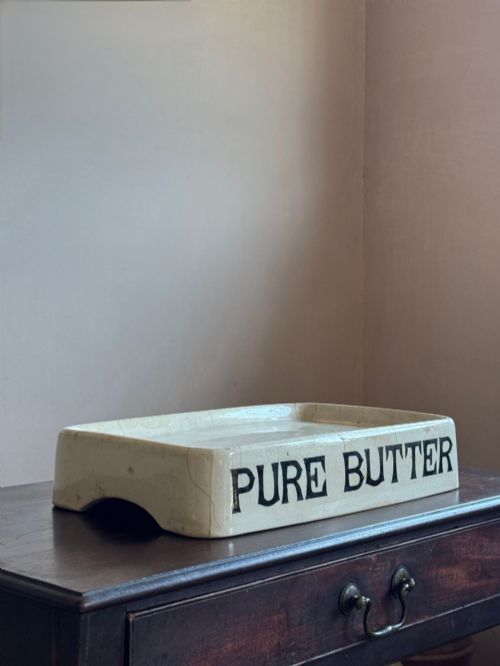
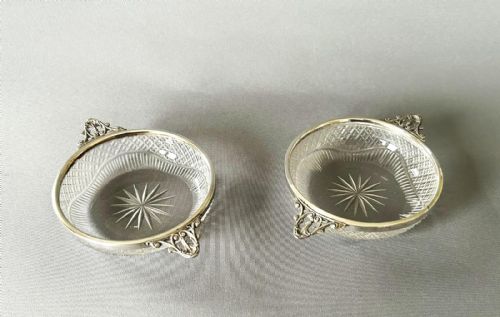
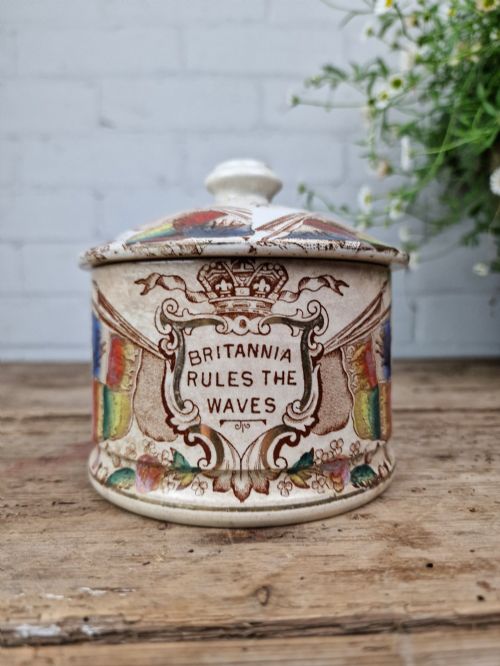
A vintage butter dish encompasses an array of lidded containers, shell-shaped vessels, and cased sets designed for table service. The options span multiple eras, offering compact serveware intended to keep dairy cool and protected.
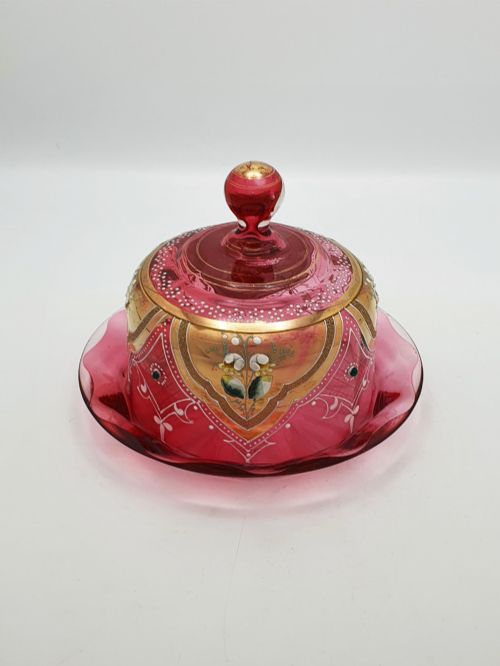
The pieces on this page emerge from periods including the Victorian and Edwardian eras, stretching through the Art Deco years and mid-century. Many utilise clear, cranberry, or green opaline glass paired with silver plate or sterling mounts.
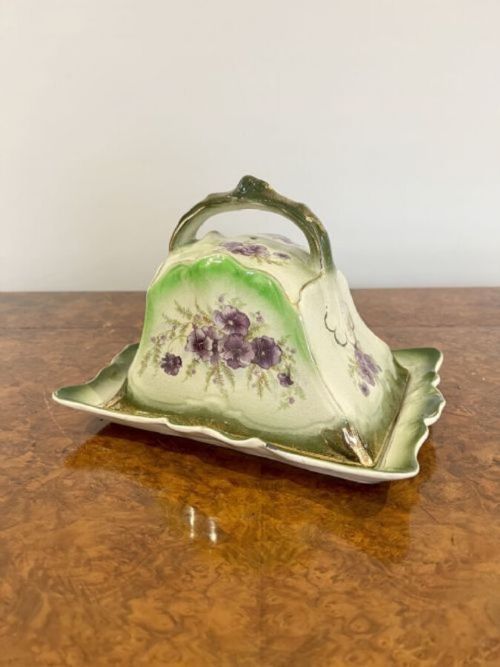
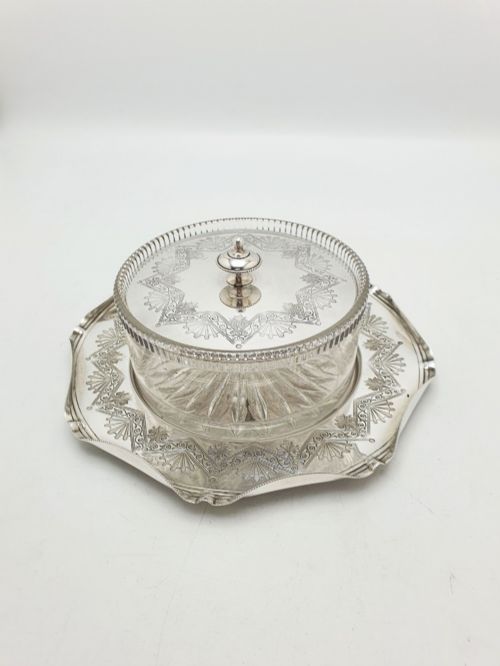
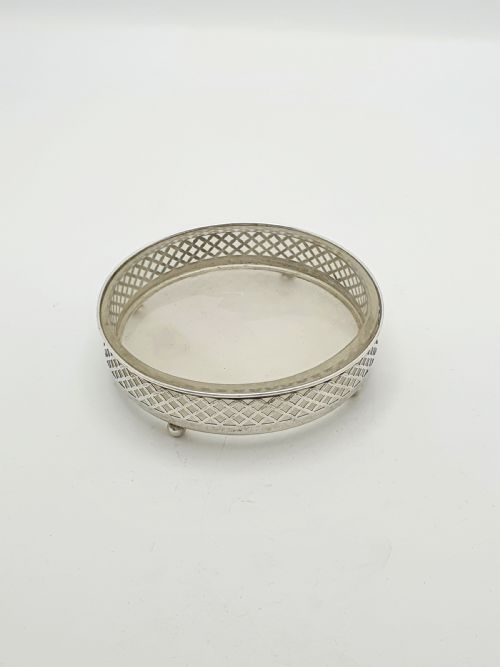
Buyers frequently encounter lidded glass inserts resting inside pierced silver or silver-plated frames. Alongside traditional butter dishes, related tableware such as cheese dishes and preserve pots appear across the selection.
Materials and construction methods
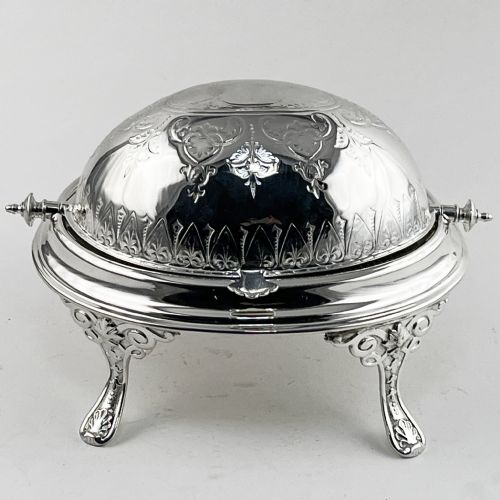
Silversmiths shaped sterling silver and durable silver plate into stands, revolving lids, and intricate pierced galleries. Glassmakers blew and cut heavy lead crystal or moulded coloured glass to form the inner liners and covers.
Specialist techniques involved applying gold leaf accents to opaline glass scallops and housing delicate items in fitted velvet and silk-lined presentation cases. Metal components often received hallmarks indicating their assay office and year of creation.
The listings span from the Victorian and Edwardian periods through to the mid-twentieth century, featuring sterling silver, silver plate, and cut glass.
Factors influencing quality
Superior examples distinguish themselves through the weight and clarity of the cut glass and the thickness of the silver plating or solid silver structure. Crispness in chased floral decoration or pierced metalwork sets finer workshop production apart from simpler utility wares.
Completeness heavily dictates standard, particularly the survival of matching glass liners, original lids, and accompanying knives. Maker attribution to known firms like Adie Brothers or The Goldsmiths & Silversmiths Company elevates the standing of a piece.
The Goldsmiths & Silversmiths·Adie Brothers
The Vintage Butter Dish Glossary
- Silver plate
- A thin layer of silver fused to a base metal, typically copper or nickel brass, common in nineteenth and twentieth-century tableware.
- Sterling silver
- An alloy consisting of 92.5 percent silver by mass, denoted by traditional hallmarks on British and American items.
- Opaline glass
- An opaque or translucent art glass developed in pastel shades like green and blue, frequently gilded along the edges during the nineteenth century.
- Pierced work
- Metal decorated by cutting or piercing decorative patterns through the surface, allowing the glass liner beneath to remain visible.
- Hallmark
- A series of official stamps applied to precious metals indicating the maker, assay office, and year of testing.
Vintage Butter Dish: Frequently Asked Questions
How do I clean an antique silver butter dish?
Wash silver-plated and sterling components gently in warm soapy water using a soft cloth, avoiding harsh abrasive dips that strip the metal.
Dry the pieces thoroughly immediately afterwards to prevent water spots, and remove glass liners before washing to protect delicate mountings.
Can I still use these for daily dining?
Most glass and metal dishes function reliably for modern table service, provided you handle them with the care due to their age.
Hand washing is essential, and acidic foods should not be left in contact with antique silver for extended periods.
How do I identify the date of a piece?
Look for stamped hallmarks on the silver sections, which typically include date letters and assay office symbols pointing to specific years of manufacture.
Stylistic cues such as Edwardian garland motifs or Art Deco geometric lines also help narrow down the decade of production.
Why do some dishes include fitted cases?
Presentation cases indicate high-end retail origin, often intended for gift-giving or wedding presents among wealthy households.
These velvet and silk-lined boxes kept fragile silver and glass protected when not in active use on the dining table.