
Vintage Buffet Sideboard
These vintage buffet sideboard pieces offer substantial dining room storage, uniting traditional craftsmanship with practical surfaces.
Vintage Buffet Sideboard
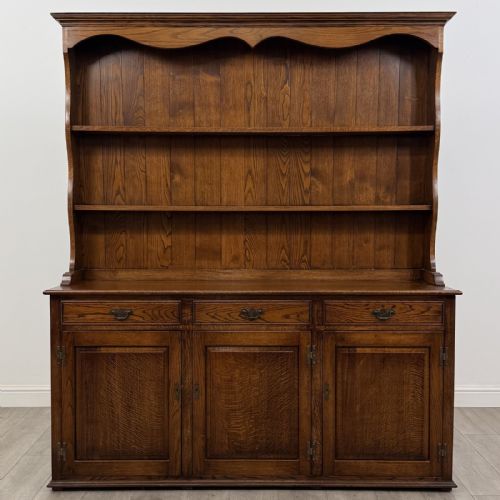
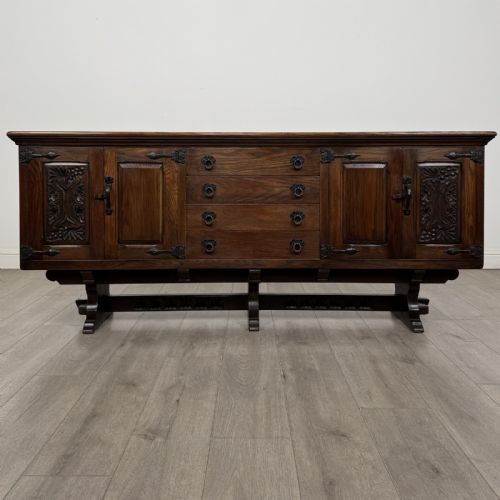
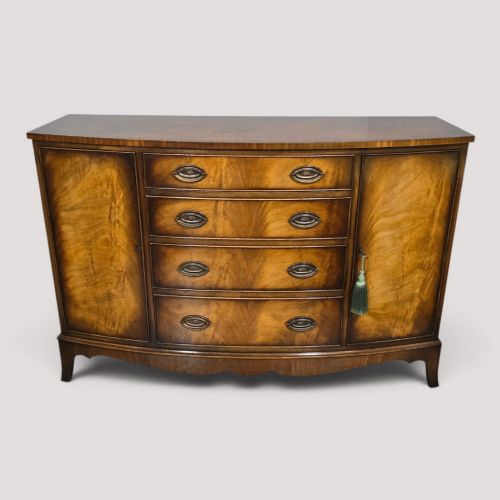
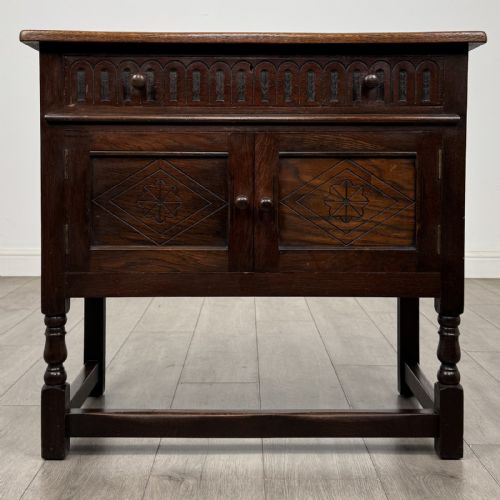
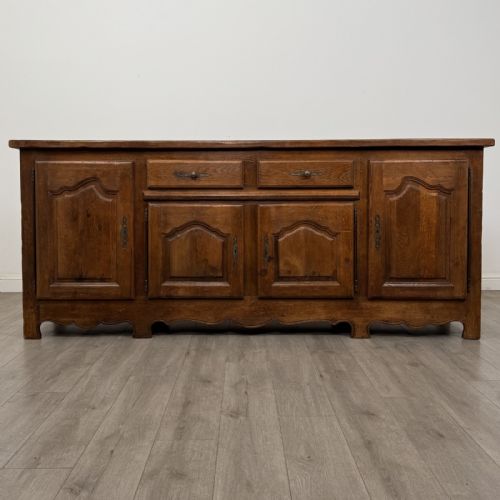
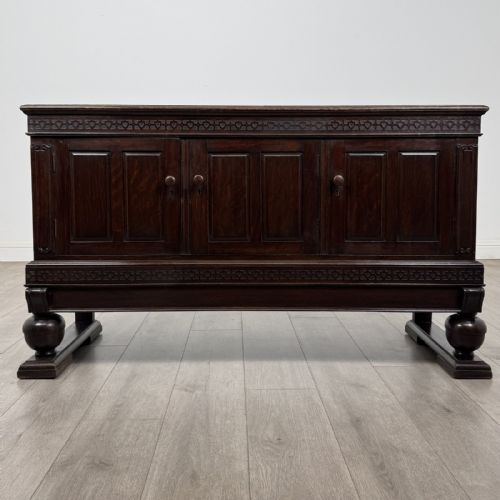
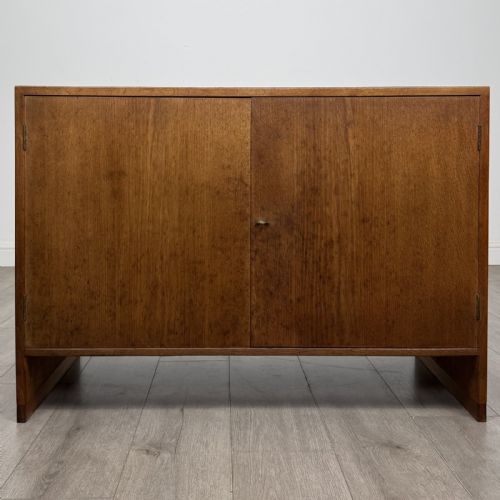
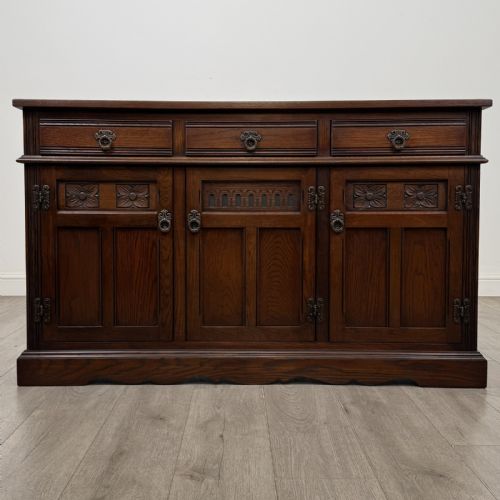
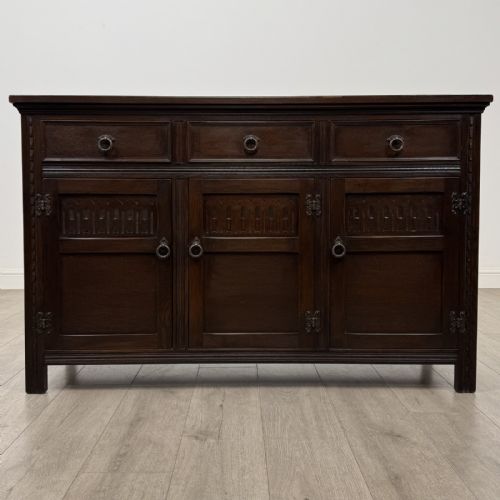
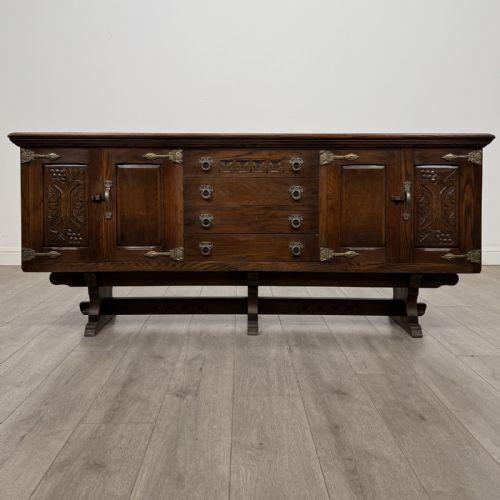
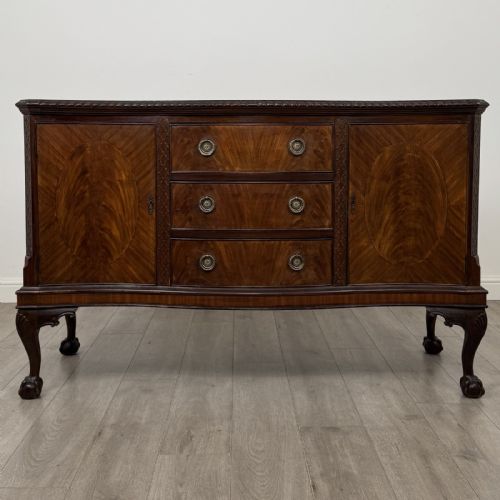
A vintage buffet sideboard serves as a functional storage hub in a dining room, designed to hold tableware, linens, and serving dishes while providing a surface for food presentation. When exploring this selection, a buyer encounters forms ranging from robust oak cupboards and dresser bases to polished mahogany sideboards and French enfilades.
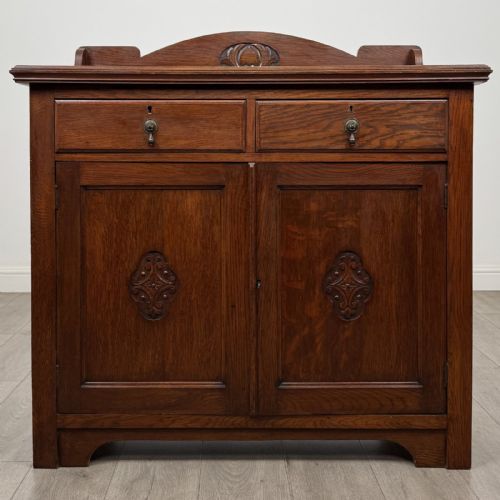
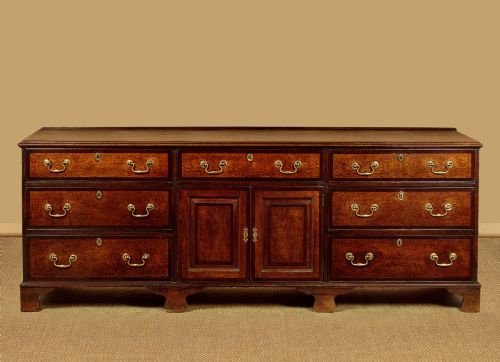
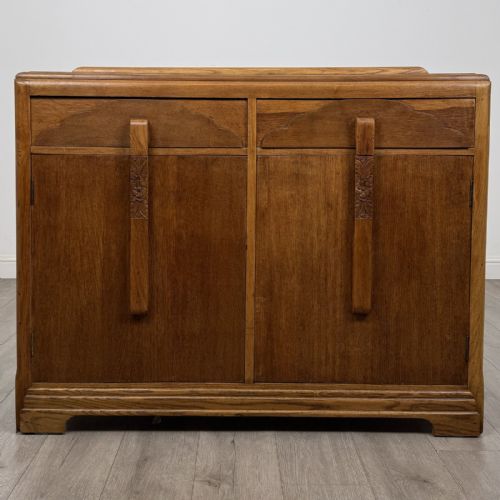
The objects span multiple centuries and design movements, originating from periods such as the Georgian era, the Victorian age, Edwardian years, and the 1930s Art Deco movement. Oak and mahogany appear most frequently, constructed into sideboards, side cabinets, and cupboards with carved detailing, raised galleries, or fitted drawers.
Materials and construction methods
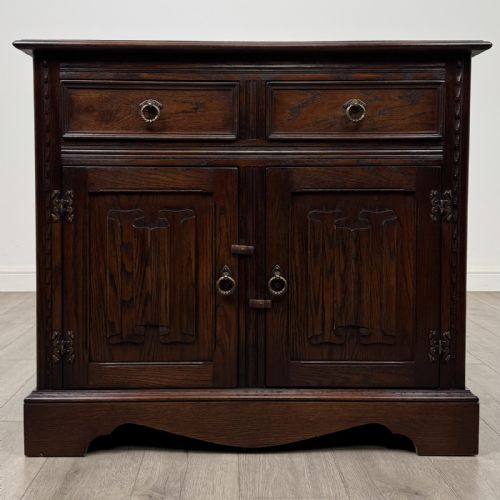
Cabinet makers utilised dense hardwoods like oak, mahogany, walnut, and burr walnut, often applying flame mahogany or burr veneers to visible surfaces for striking grain patterns. Iron and brass hardware, including decorative handles and hinges, secure doors and drawers.
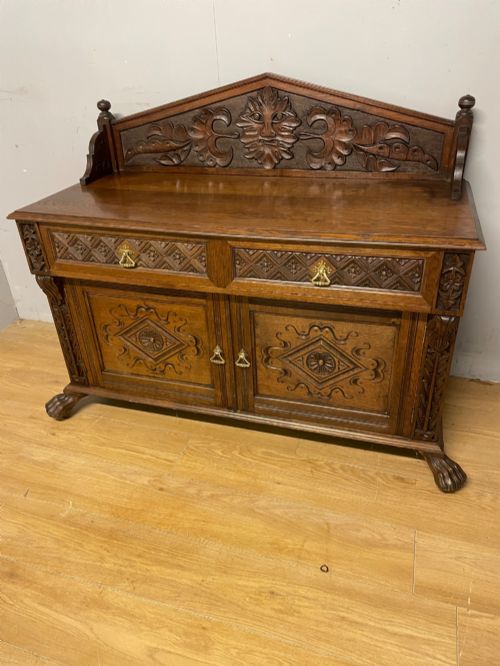
Joinery techniques involve traditional framing, panel construction, and carved ornamentation, seen in linenfold panels, turned legs, stretcher bases, and claw and ball feet. Certain pieces incorporate marble tops or mirrored galleries, blending utility with decorative ambition.
The listings span from the 18th century through the 1930s, featuring oak, mahogany, burr walnut, and pine across various regional styles.
Distinctions in quality
Quality rests in the selection of timber and the precision of the cabinet work, where figured grains and substantial solid woods elevate a piece above simpler constructions. The depth and execution of carved detailing, from green man motifs to geometric panels, separate standard production from superior craftsmanship.
Original hardware, sound structural integrity, and thoughtful proportions define the better examples. Pieces that retain their original polished surfaces, well-fitted drawers, and balanced galleries demonstrate the sustained care of their makers.
Charles Dudouyt
The Vintage Buffet Sideboard Glossary
- Enfilade
- A long sideboard or cabinet originating in France, typically featuring multiple doors and a continuous surface. This form provides extensive interior storage for dining rooms.
- Dresser base
- A low wooden unit containing drawers and cupboards beneath a flat top, historically used for food preparation and serving in kitchens or dining spaces.
- Linenfold
- A style of wood carving that mimics the appearance of folded fabric or parchment. It frequently decorates the panel doors of cupboards and sideboards.
- Serpentine
- A curved shape characterised by a convex centre flanked by concave sides. This undulating line appears on the fronts of finer polished wooden sideboards.
Vintage Buffet Sideboard: Frequently Asked Questions
How do I clean a wooden sideboard?
Maintenance involves dusting regularly with a soft, dry cloth to prevent dirt accumulation on the timber surface. Avoid harsh chemical cleaners that strip the historic polish.
Applying appropriate beeswax periodically nourishes the wood and preserves the natural sheen of mahogany, oak, or walnut finishes.
Where should I place a sideboard?
A sideboard fits naturally against a dining room wall, providing accessible storage close to the dining table. It also functions effectively in a hallway or large living space for additional surface and storage capacity.
Ensure adequate clearance around the piece for doors and drawers to open fully without obstruction.
How do I identify the period?
Dating relies on observing construction methods, timber choices, and stylistic traits associated with specific eras like the Edwardian period or the 1930s Art Deco movement. Hardware styles and joint types offer further clues to the age of the piece.
Comparing the decorative carving, such as Jacobean revival motifs or clean geometric lines, helps distinguish between nineteenth-century and earlier examples.