


Vintage Bronzed Dancer Figure
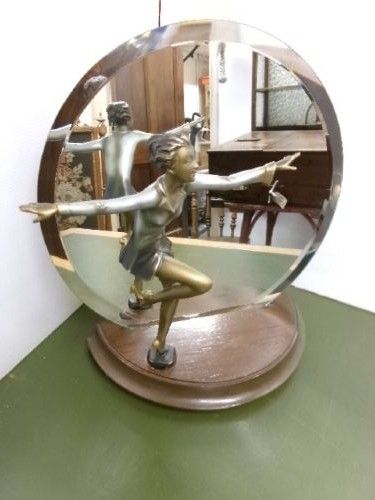
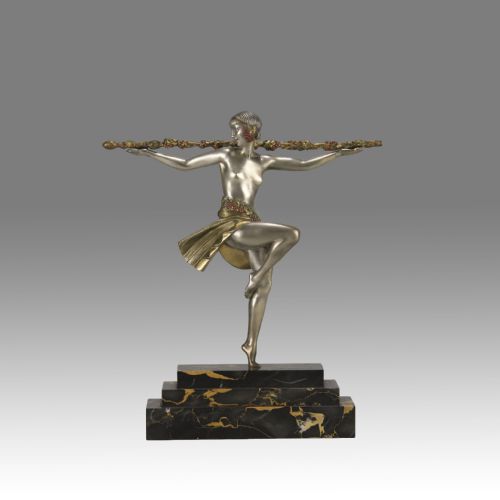
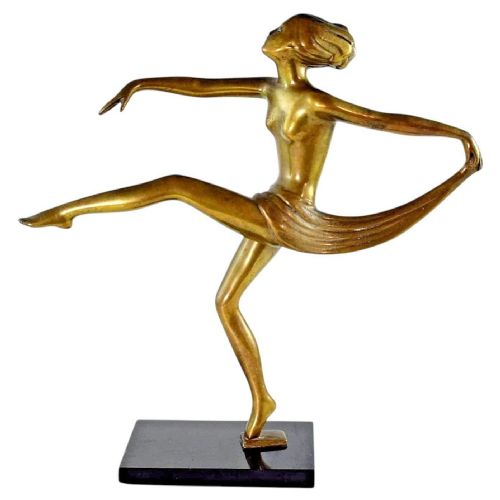
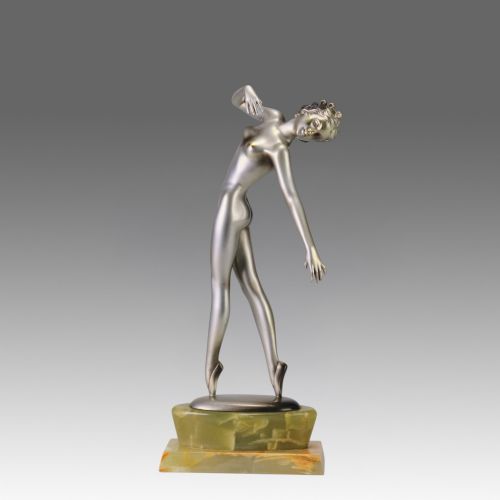
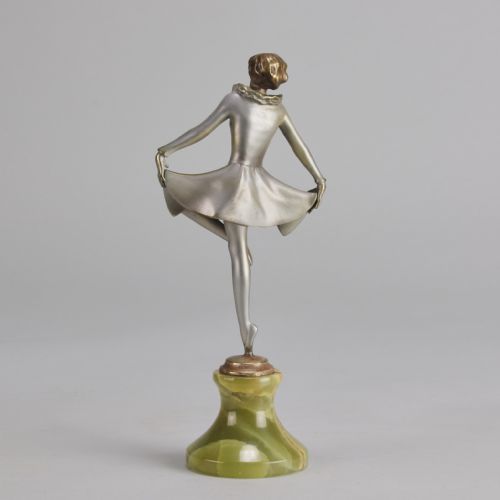
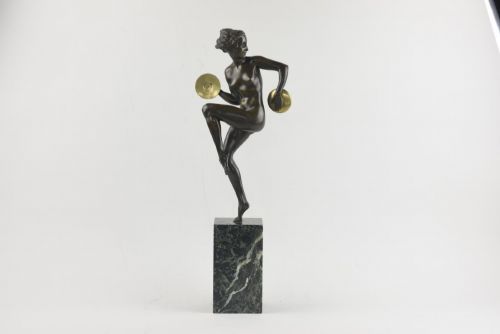
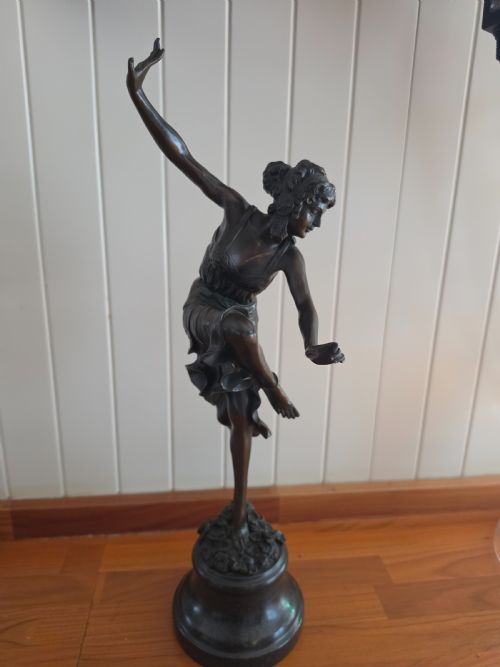
A vintage bronzed dancer figure captures the kinetic energy of early twentieth-century movement through sculptural metalwork.
Vintage Bronzed Dancer Figure
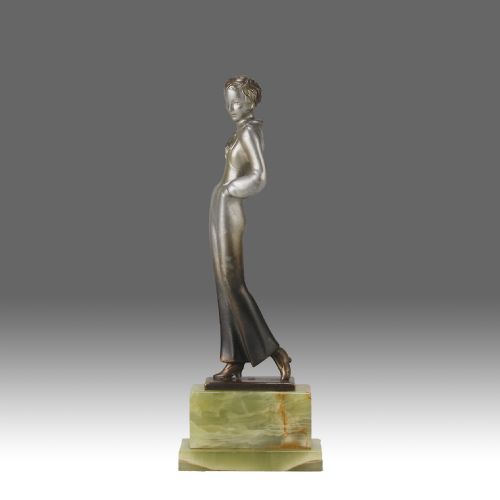
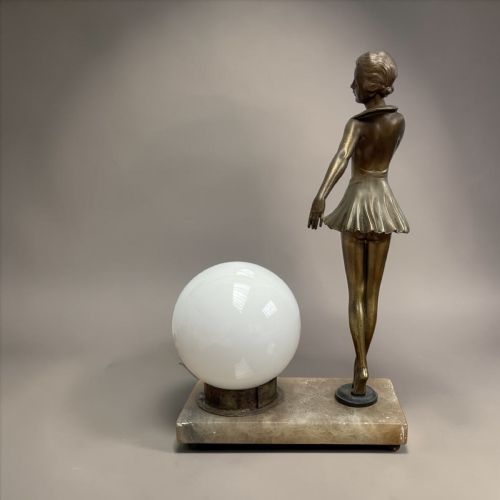
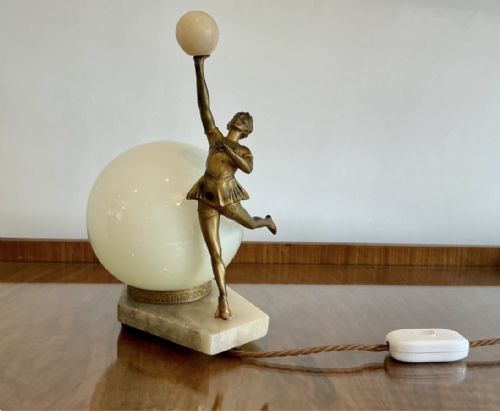
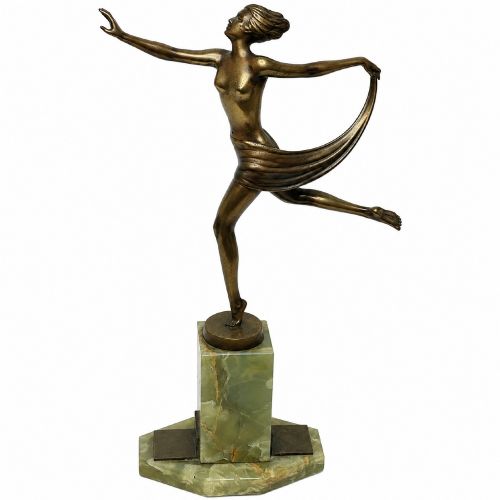
A vintage bronzed dancer figure is primarily a sculptural work originating from the early twentieth century, spanning the Art Deco and Art Nouveau movements. These pieces take the form of female dancers, ballerinas, and figures in motion, often integrated into functional items such as table lamps or mounted upon decorative plinths.
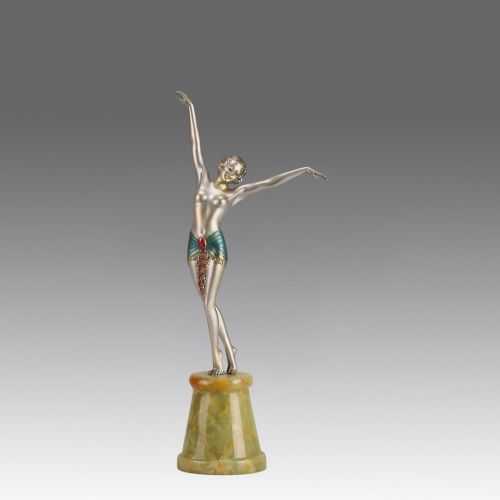
The objects most frequently met on this page belong to the Art Deco period, dating across the 1900s, 1920s, and 1930s. Sculptural representations range from cold-painted and gilt bronze to spelter and patinated metal figures, frequently paired with bases made of marble or onyx.
How They Were Made
Figures were cast using bronze or spelter, employing traditional founding techniques to capture fine details of drapery, pose, and expression. Many surfaces received cold-painting, silvering, or gilding to add polychrome detail and surface sheen.
Stonework bases, particularly in marble and onyx, provided heavy structural support for slender metal postures. In chryselephantine examples, metal and carved ivory were combined within a single composition.
Listings feature periods from the early twentieth century alongside materials including marble, onyx, glass, and cold-painted bronze.
What Varies in Quality
The integration of the figure with its mounting contributes to overall integrity, particularly where metal meets marble or onyx bases. Signed works by documented makers demonstrate superior artistic conception and foundry execution compared to unsigned or generic interpretations.
Pierre le Faguays·Josef Lorenzl·Aurore Onu·C J R Colinet·D H Chiparus·Maurice Guiraud Riviere·Paul Philippe·Pierre Laurel·Rene Andre Varnier·Paul de Boulogne
The Vintage Bronzed Dancer Figure Glossary
- Spelter
- A zinc alloy commonly utilised as a less costly alternative to bronze for sculptural casting. It often received patination to imitate the appearance of heavier metal.
- Cold-painted
- A method where enamel or oil paint is applied to metal without the use of heat. This technique appears frequently on early twentieth-century figurative bronzes.
- Chryselephantine
- A term describing sculptures combining metal with carved ivory. These pieces demand specialised preservation due to the differing properties of the materials.
- Patinated
- Treated with chemical solutions or heat to alter the surface colour of metal. This process adds depth and simulates natural ageing.
Vintage Bronzed Dancer Figure: Frequently Asked Questions
What periods do these dancer figures date from?
The pieces originate primarily from the early twentieth century, specifically spanning the nineteen-hundreds, nineteen-twenties, and nineteen-thirties.
Most examples align with the Art Deco aesthetic popular during the interwar decades.
How were these figures mounted?
Many figures are secured directly onto heavy bases constructed from marble or onyx to ensure stability.
Some designs incorporate the sculpture into functional objects such as table lamps.
What materials make up these sculptures?
Common metallic materials include bronze and spelter, alongside silvered, gilded, and cold-painted finishes.
Certain sophisticated works incorporate carved ivory elements alongside the metal casting.
Are all dancer figures signed by artists?
Makers' signatures or foundry marks appear on numerous examples, attributing works to known sculptors of the era.
Other pieces remain unsigned or represent period interpretations after established designers.