


Vintage Bronze
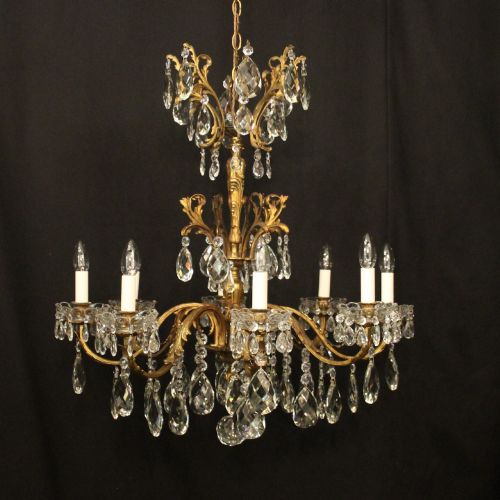
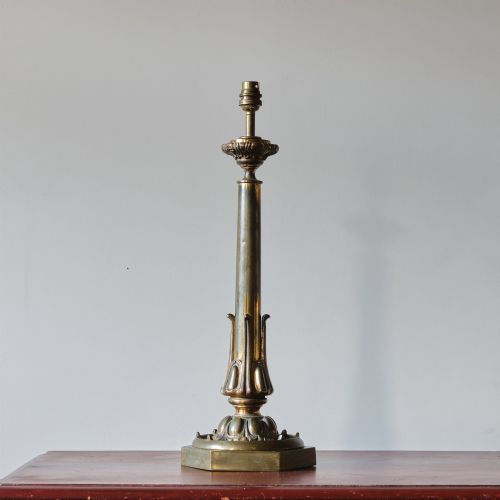
When you handle vintage bronze, you hold objects cast across centuries that shift from French gilded chandeliers to Japanese champleve table lamps.
Vintage Bronze
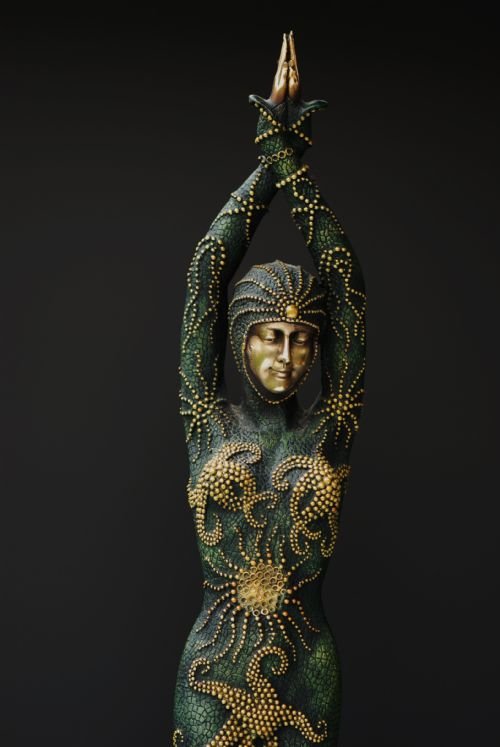
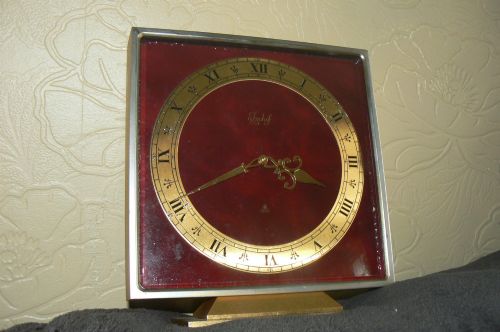
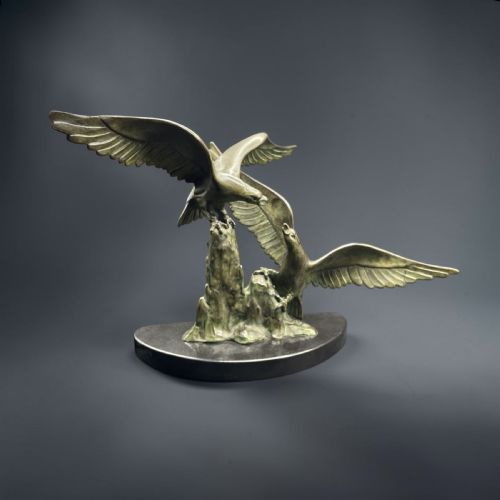
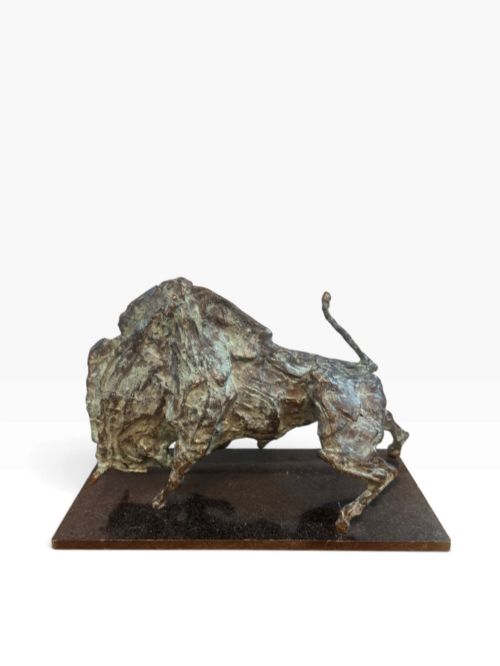
Vintage bronze encompasses a broad range of cast metal objects, spanning decorative light fittings, sculptures, and mantel clocks from the nineteenth and twentieth centuries. These pieces appear frequently in French styles such as Rococo, Neoclassical, and Art Deco designs.
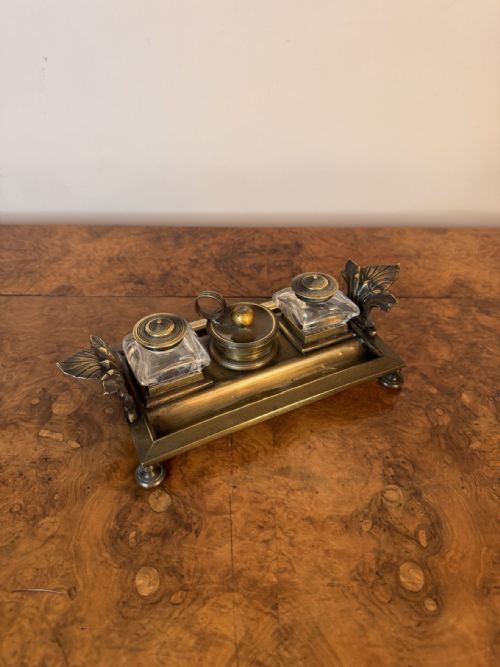
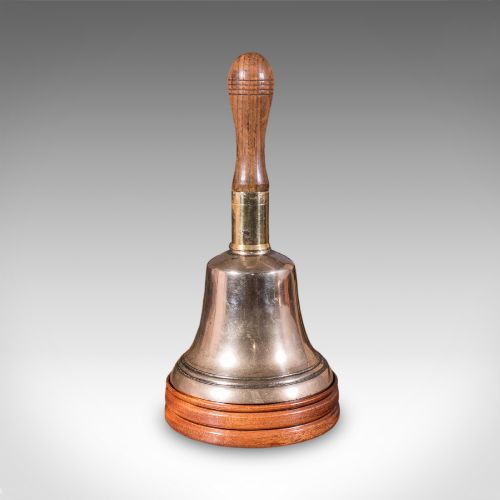
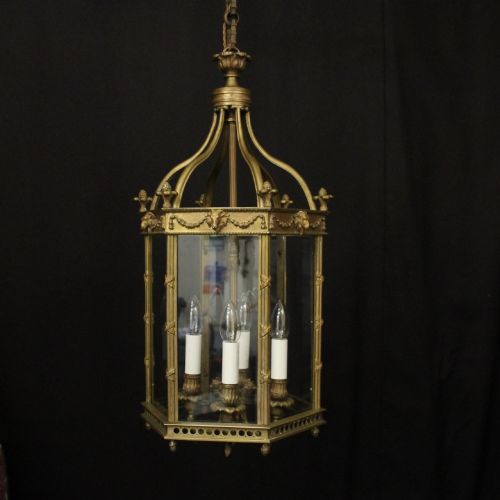
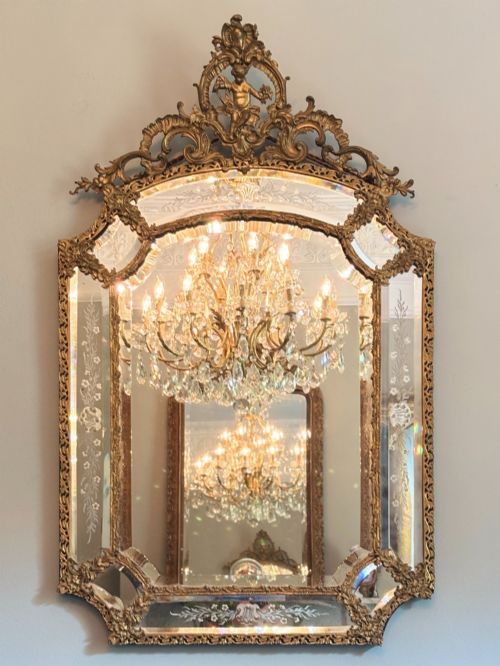
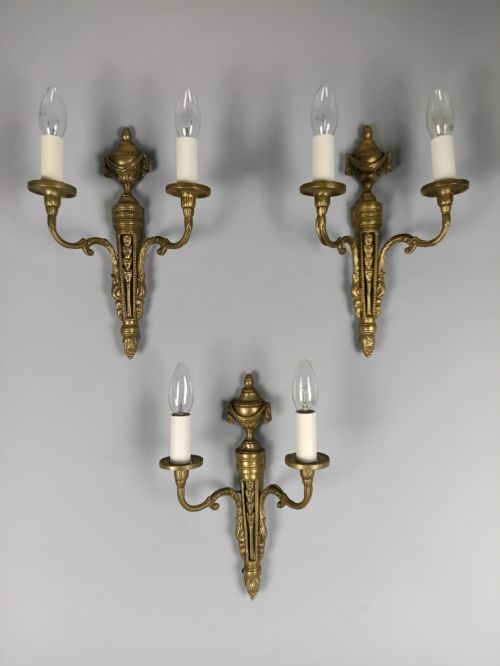
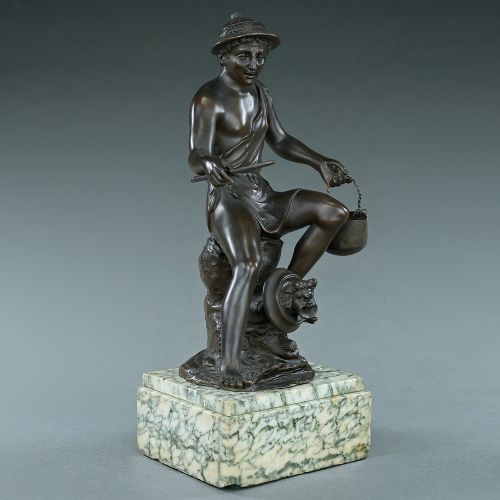
The selection here includes wall lights, chandeliers, and table lamps alongside grand tour sculptures and desk accessories. Buyers encounter items ranging from Meiji period Japanese oil lamps to nineteenth century English hanging lanterns and French gilded fixtures.
What varies in quality
Weight and the integrity of the original mercury gilding or ormolu influence the stature of a piece. Substantial bronze mounts and cleanly fitted crystal drops reflect superior workshop standards.
Vintage Bronze Retail Price Guide 2026
Typical asking prices for vintage bronze among the pieces listed under this phrase on Sellingantiques today, from the lower quarter to the upper quarter. They describe what is for sale here now, not the wider market.
A nineteenth century bronze cannon model stands ready to defend the mantelpiece against unruly inkwells.
Villeroy and Boch·Lalique
The Vintage Bronze Glossary
- Ormolu
- Gilt bronze produced by applying a mercury and gold amalgam to a bronze base and firing it. This finish creates a warm golden lustre seen on French furniture mounts and clock garnitures.
- Champleve
- An enamelling technique where troughs are dug into the bronze surface and filled with vitreous enamel before firing. Japanese lamps frequently utilise this method for colourful surface patterns.
- Chasing
- The manual finishing of a cast metal surface using hammers and punches to sharpen details and clear away casting flaws. Fine chasing distinguishes high quality sculptures from plain production pieces.
- Garniture
- A set of matching decorative objects, typically comprising a clock and a pair of candelabras or urns, arranged together on a mantelpiece.
- Spelter
- A zinc alloy used as a less expensive substitute for bronze in decorative figures and lamp bases during the nineteenth and twentieth centuries.
Vintage Bronze: Frequently Asked Questions
How do I clean vintage bronze?
Dust surfaces gently with a soft dry brush to protect any patination or gilding. Avoid harsh chemical cleaners that strip historical finishes.
Wash glass or crystal components separately if they detach from the metal frame. Keep moisture away from any wooden mounts or electrical fittings.
What is the difference between bronze and brass?
Bronze is an alloy primarily composed of copper and tin, yielding a heavy material suited to fine casting and patination. Brass contains copper and zinc, generally presenting a brighter golden yellow tone.
Many antique light fixtures combine both metals alongside gilt brass or ormolu elements. Examination of weight and colour helps distinguish the two alloys.
How can I date a bronze sculpture?
Examine the casting quality, tool marks, and style of the base or mounting hardware. Nineteenth century pieces often show hand chasing and heavier bases compared to later production.
Signatures, foundry stamps, and surface patination provide further clues regarding the period of execution. Compare stylistic details with documented works from the same era.
Where should I place a bronze chandelier?
Hang chandeliers in rooms with adequate ceiling height to showcase the arms and crystal drops properly. Ensure the structural support safely bears the weight of multi arm metal fixtures.
Pair wall lights nearby to create a balanced lighting scheme in a hallway or reception room.