

Vintage Bronze Urns
These vintage bronze urns bring classical presence and heavy metalwork into a room.
Vintage Bronze Urns
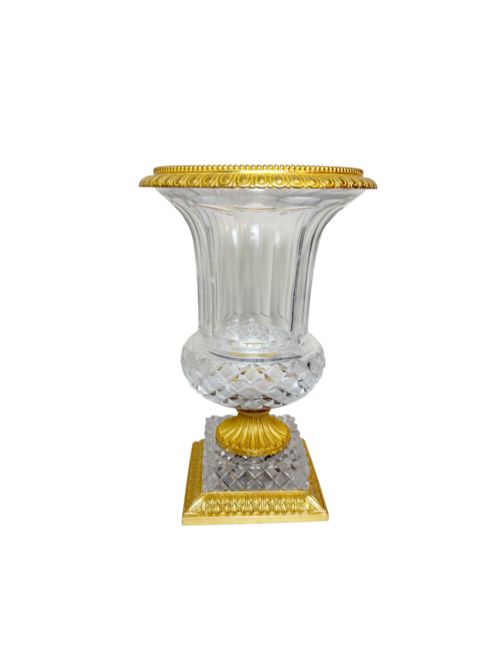
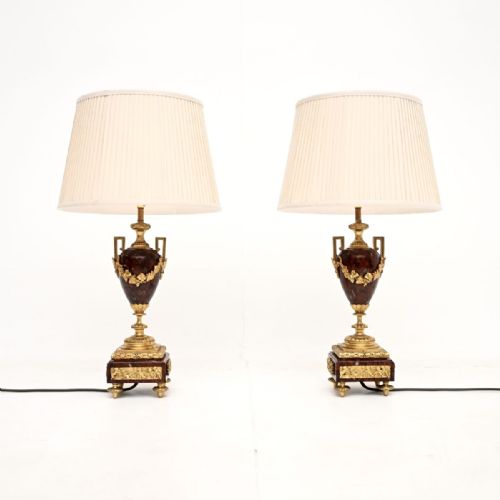
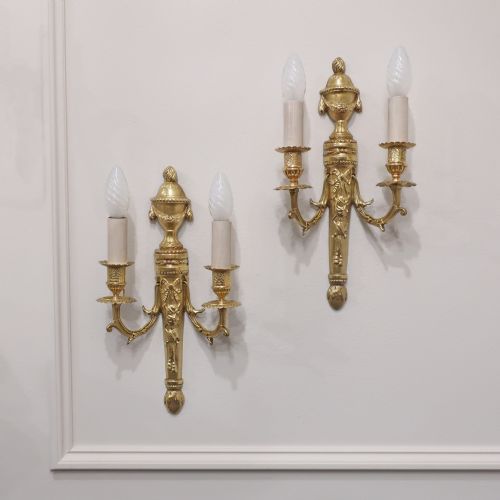
When you search for vintage bronze urns, you encounter a selection of heavy metal vessels, decorative vases, and converted lamp bases spanning the nineteenth and early twentieth centuries. These pieces draw heavily on French Neoclassical, Louis XVI, and Regency aesthetics, often incorporating mounts of ormolu and gilt bronze.
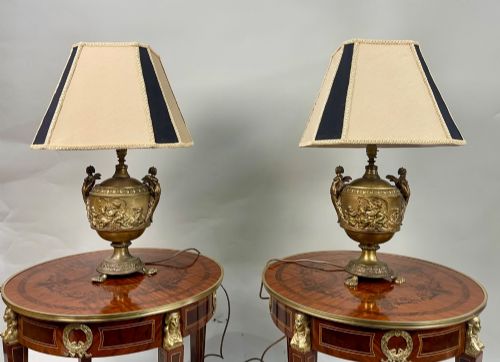
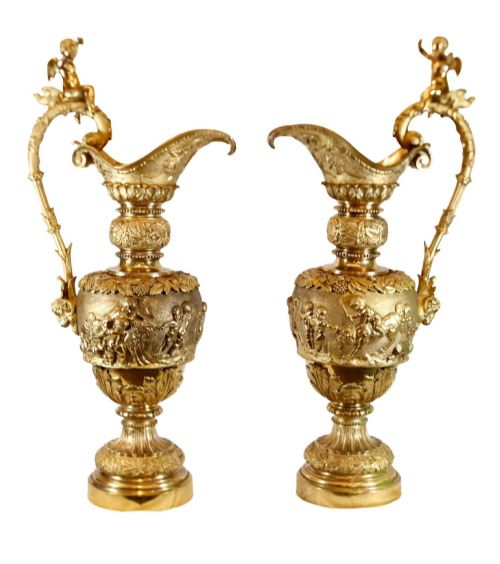
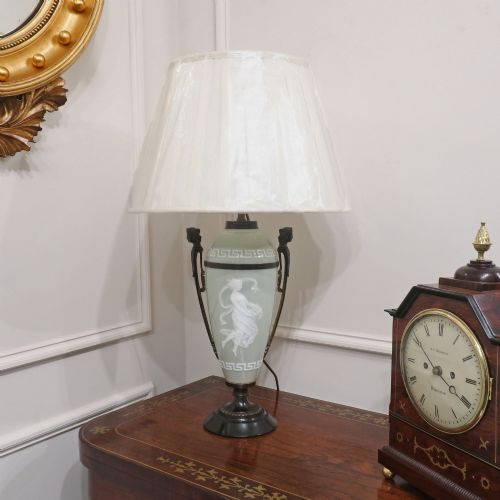
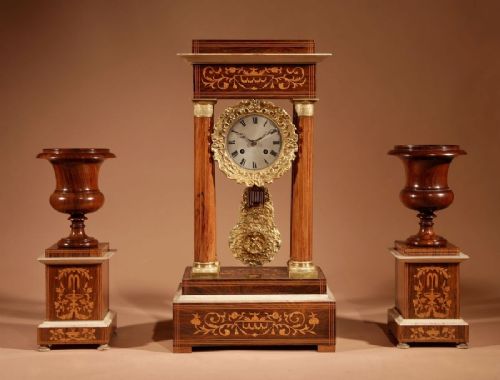
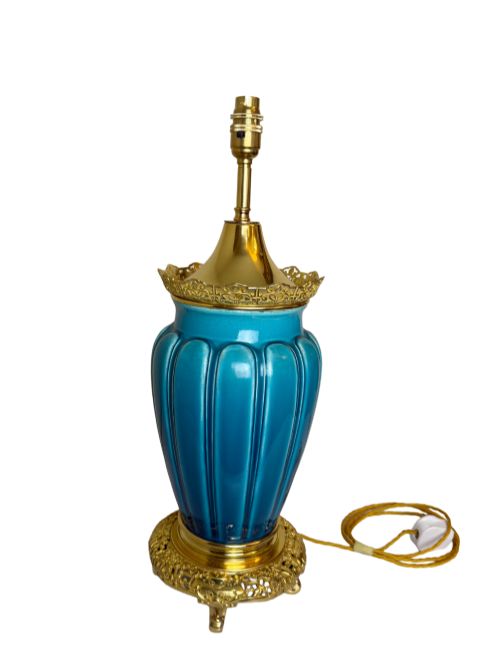
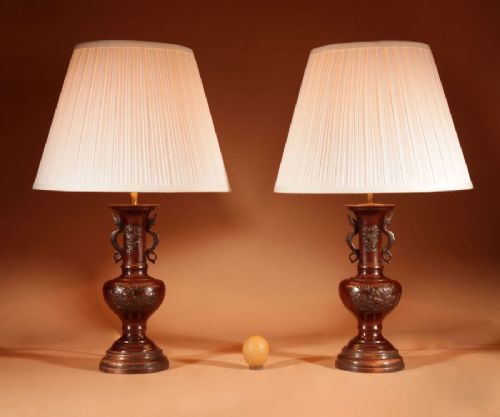
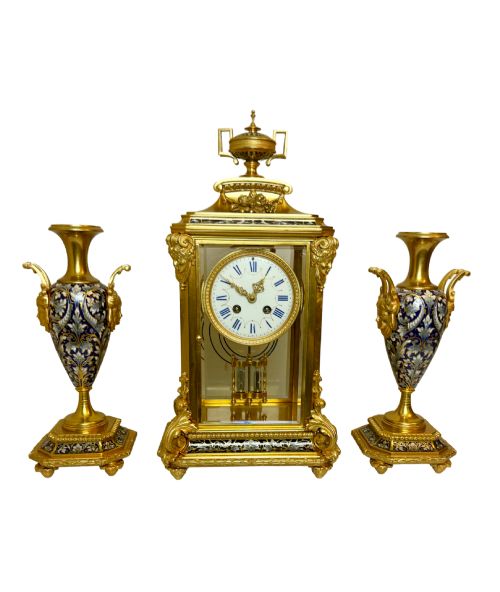
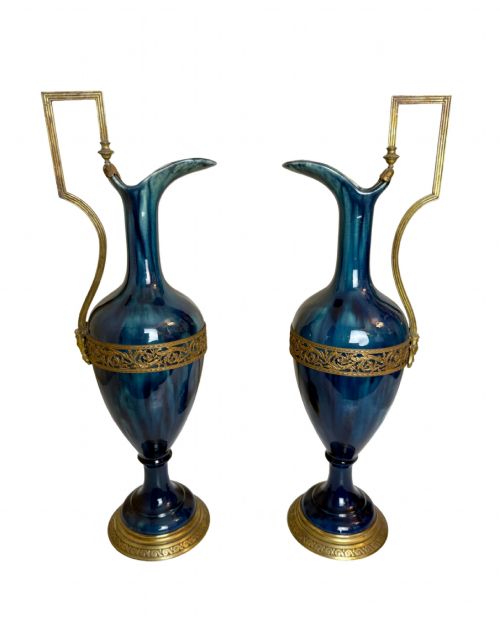
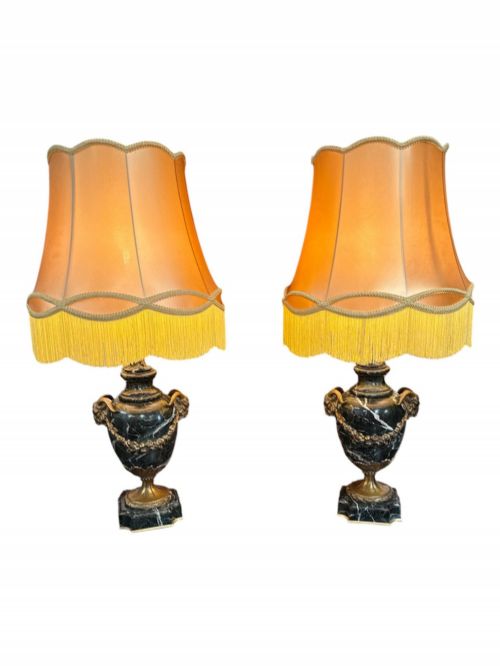
The objects take many functional forms, appearing as table lamps, mantel clock garnitures, ewers, and inkwells alongside traditional decorative vases. Marble bases in white, green, and rouge varieties frequently support the metal bodies, anchoring the heavy bronze and brass forms.
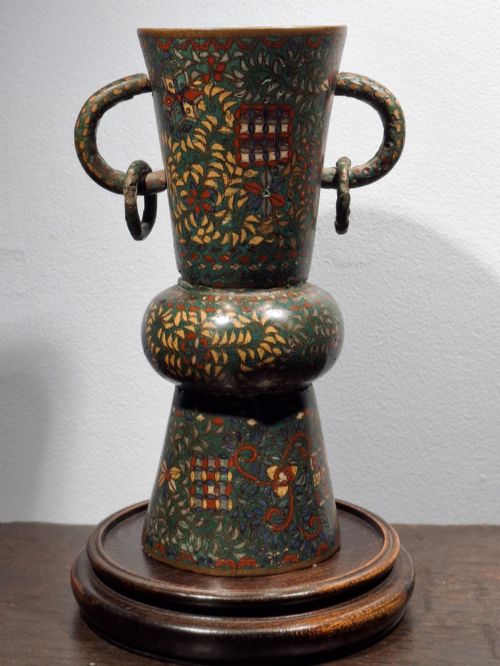
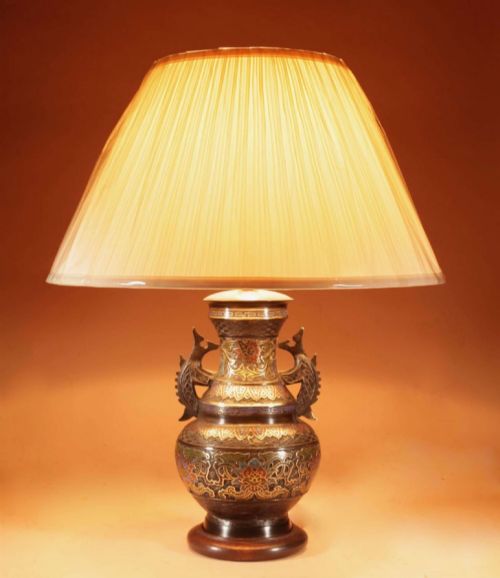
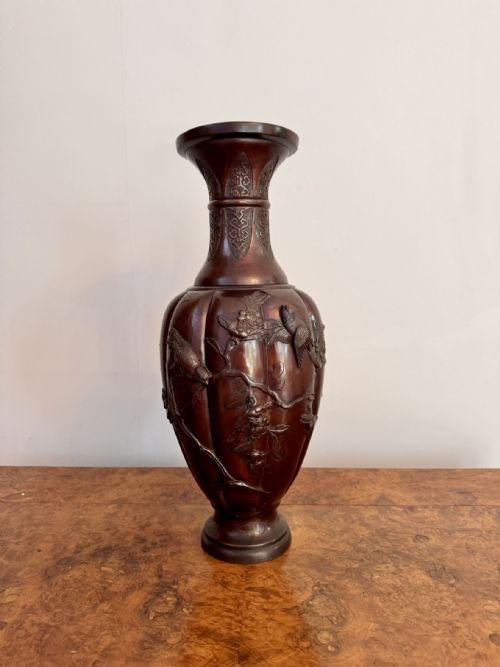
Makers and workshops from France, England, and Japan contributed to this tradition, merging Western classical revival styles with Eastern cloisonné and champlevé enamelling techniques. Pieces range from modest Meiji period vases to monumental architectural garnitures.
How they were made
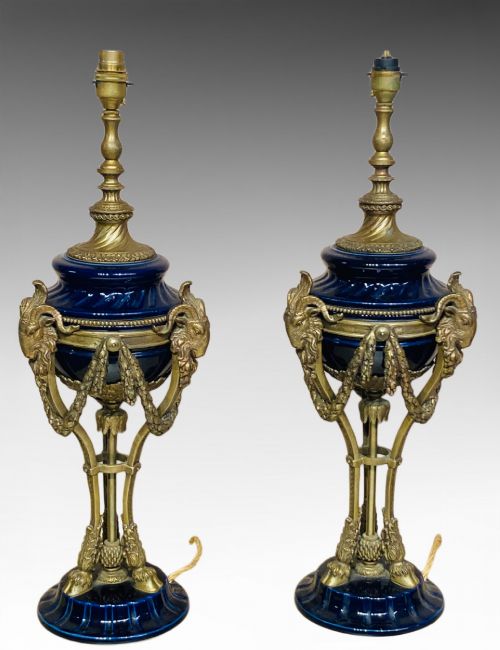
The foundational metal components rely on traditional casting methods in bronze, brass, and ormolu, often finished with fire gilding or chemical patination. Artisans shaped handles, ram's head masks, and floral swags separately before fastening them mechanically to the main vessel body.
Enamelling techniques such as cloisonné and champlevé add intricate coloured patterns directly into wire cells or recessed troughs on the bronze surface. These metal bodies frequently combine with turned marble plinths, porcelain bodies, and blue glazed ceramics to create multi-material decorative objects.
Vintage Bronze Urns Retail Price Guide 2026
Typical asking prices for vintage bronze urns among the pieces listed under this phrase on Sellingantiques today, from the lower quarter to the upper quarter. They describe what is for sale here now, not the wider market.
Ram's head masks peer persistently from classical handles.
What varies in quality
The crispness of the chased detail on the bronze and ormolu mounts determines much of the visual success of a piece. Finer examples display sharp, deep relief in acanthus leaves, masks, and drapery, whereas lesser objects show softened casting lines and smoothed ornament.
Material integration also separates standard items from superior works. High quality pieces use solid marbles with well fitted mounts and secure structural pins, while basic examples rely on loose fittings and simpler base stones.
Casier·Louis Goret
The Vintage Bronze Urns Glossary
- Ormolu
- Gilt bronze created by applying a finely ground mercury and gold amalgam to a bronze object before heating. The process leaves a rich, durable golden finish found on many classical decorative items.
- Champlevé
- An enamelling technique where troughs or cells are hollowed out of the metal surface and filled with vitreous enamel paste before firing. This method creates colourful geometric or floral patterns across bronze vessels.
- Cloisonné
- A technique where flat metal wires are soldered to a metal base to form compartments that are subsequently filled with enamel and fired. Japanese and Chinese makers utilised this method extensively on decorative vases.
- Campana urn
- A bell shaped vessel derived from ancient Roman pottery and metal prototypes, featuring a flared rim and a pedestal foot. These forms were popular during the Grand Tour period.
- Garniture
- A set of three or more matching decorative objects, typically comprising a central clock and flanking vases or candelabra, designed for display on a mantelpiece.
Vintage Bronze Urns: Frequently Asked Questions
How do I clean vintage bronze urns?
Dust the metal gently with a soft, dry cloth to prevent the accumulation of grit in recessed chasing and decorative crevices. Avoid chemical polishes and commercial metal cleaners, which strip historical patination and damage applied ormolu or gilt surfaces.
Marble bases require simple wiping with a damp cloth followed by immediate drying. Keep these objects away from direct moisture and extreme temperature fluctuations to protect any integrated enamel or porcelain elements.
Were these urns originally lamps?
Most pieces started life as decorative vessels, ewers, or garniture components rather than lighting fixtures. Wiring typically occurred during the twentieth century as owners sought to repurpose heavy metal vases into functional table lamps.
Original oil or candle burning hardware occasionally survives on older examples, while drilled bases and added collars reveal later conversions. Inspect the interior wiring channels to understand how past owners adapted the vessel.
How do I date French Neoclassical style urns?
Stylistic revivals frequently recreate earlier aesthetics, making construction methods crucial for determining exact age. Nineteenth century interpretations of Louis XVI designs often utilise machine turned threads, specific nut types, and characteristic marble selections.
Examine the patination inside the vessel and check the joinery of handles and mounts. Hand-chased bronze details and older mounting screws point toward nineteenth century production rather than later reproduction.
Where were these decorative urns displayed?
Nineteenth century interiors positioned these metal vessels on mantelpieces, side tables, and architectural consoles, often as part of matching garniture sets. They served as focal points in formal drawing rooms and libraries.
Grand Tour travellers also collected smaller bronzes abroad to display upon return as evidence of European and Eastern travel. Their substantial weight suited heavy wooden sideboards and stone fireplace surrounds.