



Vintage Bronze Statue Lamp
A vintage bronze statue lamp brings sculpted human and allegorical figures into domestic lighting, combining classical or modernist form with functional warmth.
Vintage Bronze Statue Lamp
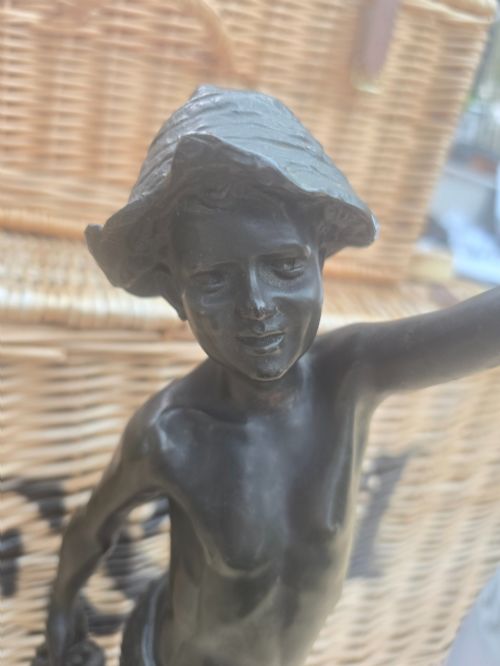
A vintage bronze statue lamp uses cast figural subjects - ranging from cherubs and maidens to Art Deco ladies and pierrots - as the central column or support for a table or floor light. These pieces emerge from periods including the nineteenth century and the nineteen-thirties, manifesting styles such as Art Deco, Art Nouveau, Neoclassical, and Rococo Revival.
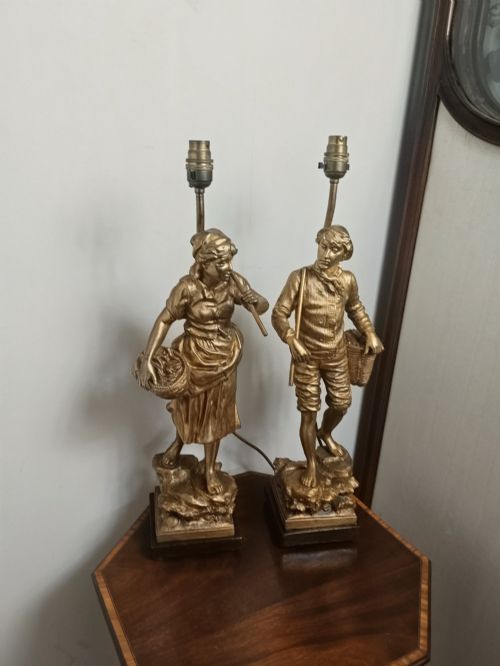
Buyers frequently encounter works executed in patinated metal and spelter alongside genuine bronze, often mounted upon marble bases and paired with glass, fabric, or torchere shades. The selection spans single statuettes, towering figural columns, and matched pairs designed for balanced placement on furniture or side tables.
Origins stretch across French and English workshops of the late nineteenth and early twentieth centuries, capturing shifts in taste from elaborate nineteenth-century historicism to sleek nineteen-thirties modernism. Many examples originate as nineteenth-century sculptural statuettes subsequently converted into table lamps.
Materials and construction
Sculptural figures are cast using bronze, gilded bronze, or alternative alloys like spelter and patinated metal, capturing intricate drapery and facial expressions. Bases are frequently fashioned from solid marble or wood to provide necessary stability for the elevated weight of the figural mount.
Lighting components, including fabric, glass, or torchere shades, complement the metallic figures and house the electrical wiring. Many older pieces show evidence of later conversion, adapting original nineteenth-century statuary into functional lamps by channelling wiring through the cast metal or base.
Vintage Bronze Statue Lamp Retail Price Guide 2026
Typical asking prices for vintage bronze statue lamp among the pieces listed under this phrase on Sellingantiques today, from the lower quarter to the upper quarter. They describe what is for sale here now, not the wider market.
A delightfully theatrical pierrot plays his accordion beneath a night light, proving that even a nineteenth-century evening needs a soundtrack.
Distinguishing quality in figural lighting
Quality rests upon the crispness of the casting and the fidelity of the sculptural detail in the figure, separating finely modelled hands and drapery from softer, mass-produced commercial work. The weight and selection of the supporting base, such as dense marble versus lighter metals, also indicate the tier of manufacture.
The integrity of the surface finish - whether original patination, gilding, or applied paint on spelter - dictates visual success. Pieces carrying signatures from known makers or found within matched pairs generally represent the upper echelon of surviving examples.
E Rousseau·H. Moreau·P.Sega·Henri Honore Ple
The Vintage Bronze Statue Lamp Glossary
- Spelter
- A zinc alloy commonly utilised as a less costly alternative to bronze in figural casting during the late nineteenth and early twentieth centuries. It accepts patination and paint readily to simulate heavier metals.
- Patinated metal
- Metal surfaces treated with chemical solutions to produce an aged or coloured finish, enhancing the depth and texture of sculpted figures.
- Torchere shade
- An uplighter shade style often paired with tall metal or spelter lamp standards to direct illumination upward.
- Art Deco
- A design style prominent around nineteen-thirty characterised by streamlined geometric forms, stylised human figures, and sleek modernity.
- Neoclassical
- A revival style drawing upon classical Greek and Roman motifs, visible in the balanced proportions and classical drapery of nineteenth-century lamp figures.
Vintage Bronze Statue Lamp: Frequently Asked Questions
Are these lamps originally wired?
Many nineteenth-century examples begin life as cast statuettes or decorative figures before undergoing later conversion into electric table lamps. This adaptation involves routing wires through the existing sculpture or mounting hardware.
Buyers should inspect the current wiring configuration and consult a qualified electrician to ensure safety and compliance with modern standards before daily use.
How do I identify spelter from bronze?
Spelter is a softer zinc alloy that feels lighter than bronze and often shows a distinct greyish metal beneath worn painted or patinated surfaces. Bronze maintains a heavier weight and a more durable metallic composition that ages through oxidation.
Examining the underside of the base or areas of friction helps reveal the underlying material used by the foundry.
Where should I place a figural lamp?
These lamps function best on sturdy side tables, pedestals, or mantelpieces where their sculptural height and detailed figures can be appreciated from multiple angles. Paired examples suit placement on matching consoles or at opposite ends of a long sideboard.
Ensure the surrounding surface offers adequate stability to support the combined weight of the metal figure and heavy marble base.
What periods do these pieces represent?
The selection spans from the late nineteenth century through to the nineteen-thirties, encompassing Victorian, Art Nouveau, and Art Deco movements. Each era brings distinct aesthetic choices, from romantic maiden figures to stylised modernist nudes.
Stylistic cues and material usage help anchor each piece within its specific decade of production.