





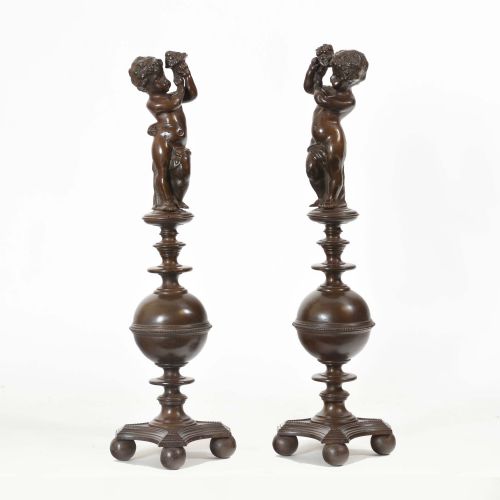


Vintage Bronze Putti
Vintage bronze putti bring sculptural charm into a room, taking the form of winged figures cast in metal across lighting and clocks.
Vintage Bronze Putti
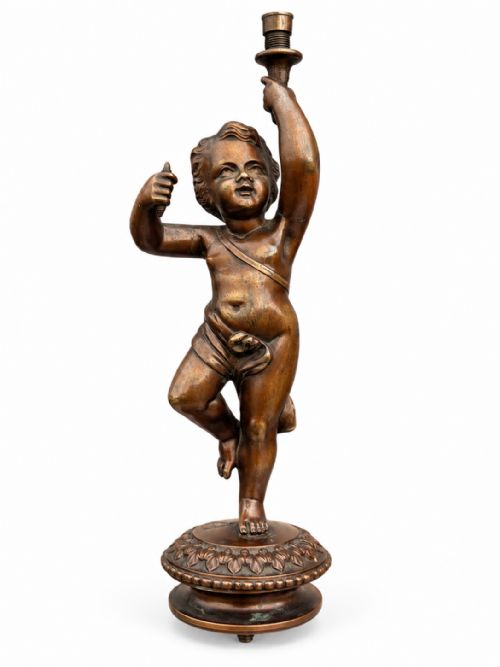
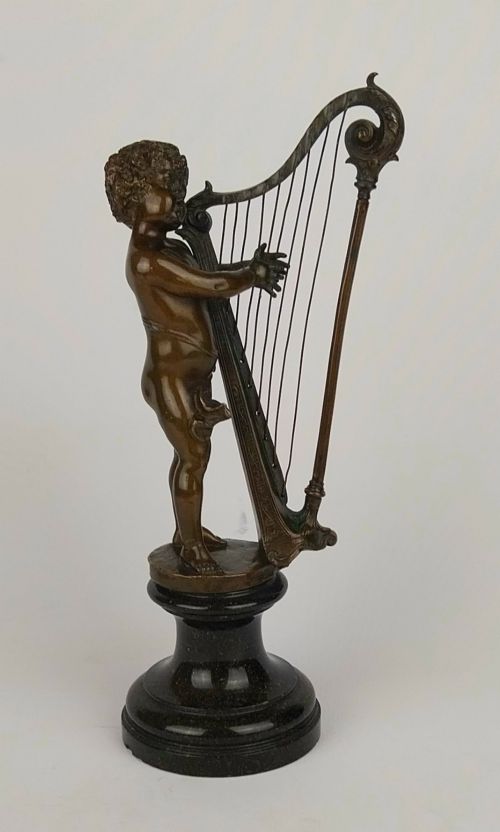
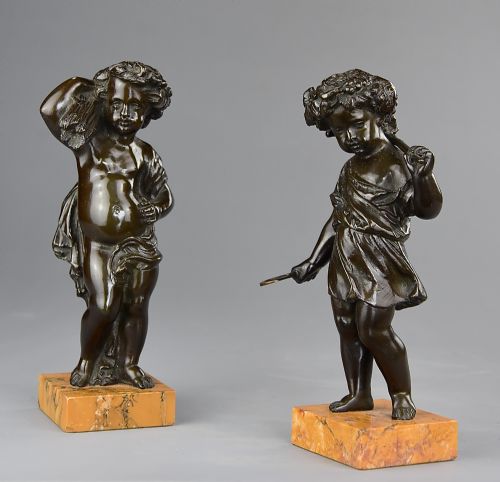
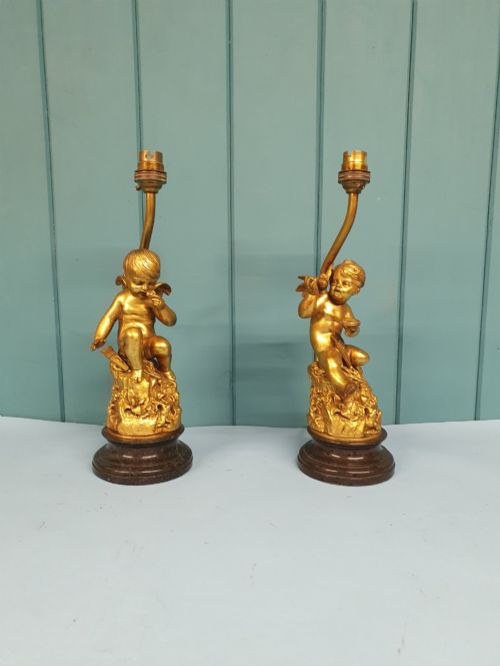
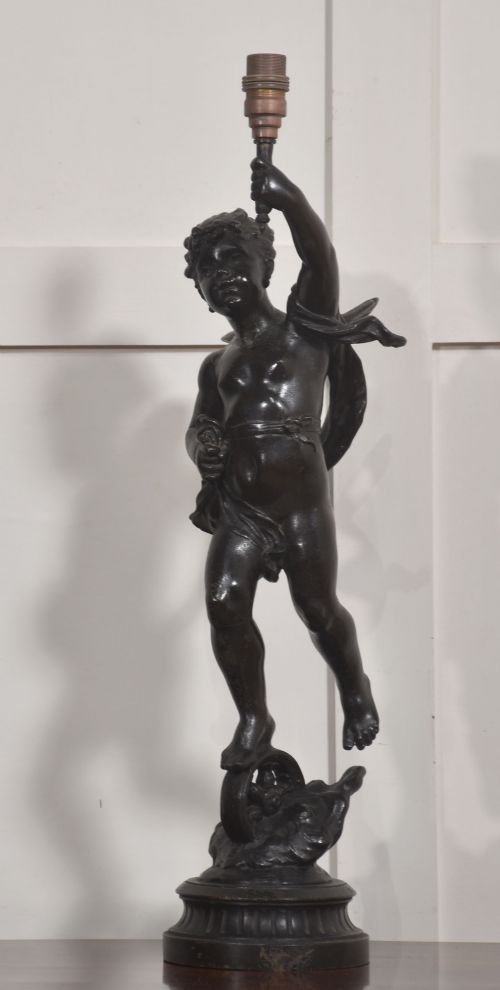
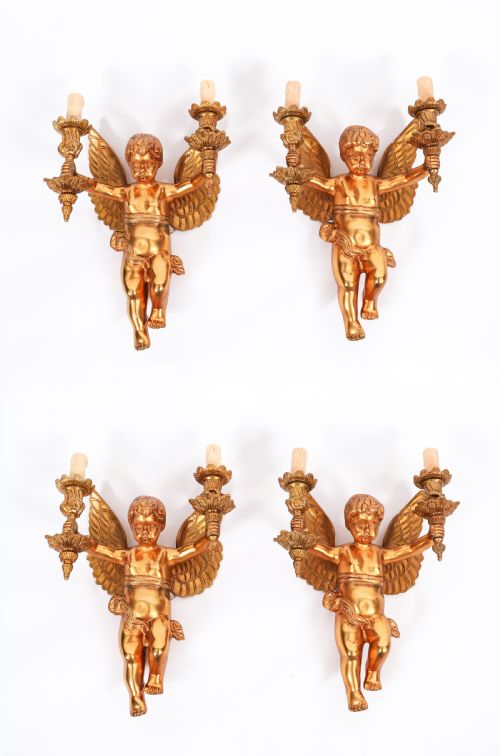
Vintage bronze putti appear frequently as sculptural figures integrated into decorative objects such as table lamps, wall sconces, candelabra and mantel clocks. These winged mythological infants originate predominantly from nineteenth and early twentieth century European workshops, drawing on French Rococo Revival, Neoclassical and Empire styles.
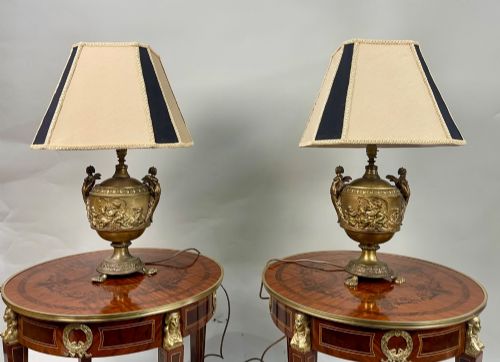
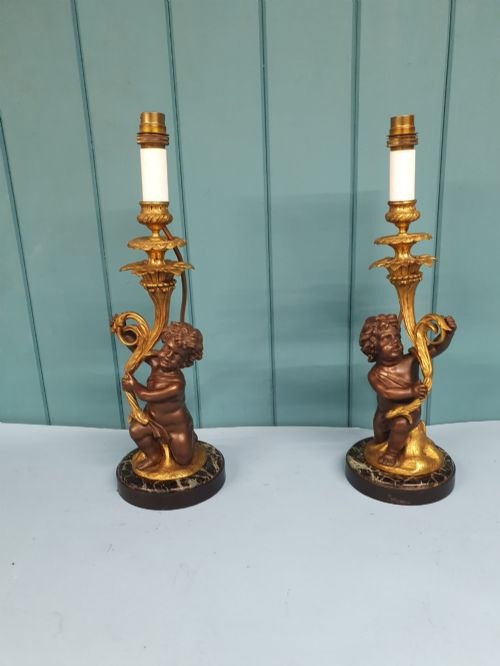
Buyers seeking vintage bronze putti will encounter matched pairs designed for illumination or mantel decoration, often mounted on marble or ormolu bases. The selection ranges from functional lighting fitted with cherub reliefs to freestanding statuettes and elaborate chandeliers.
How they were made
Makers shaped vintage bronze putti using traditional casting methods, often combining bronze, brass, or gilt metal with marble, porcelain, and glass elements. Artisans applied patination, gilding, or ormolu mounts to finished castings to achieve contrasting metallic textures and warm tones.
Many items incorporate functional elements such as arms for candles or electrical wiring added during later conversions. Detail work relies on careful chasing of the metal surface after casting to define hair, wings, and facial expressions.
Vintage Bronze Putti Retail Price Guide 2026
Typical asking prices for vintage bronze putti among the pieces listed under this phrase on Sellingantiques today, from the lower quarter to the upper quarter. They describe what is for sale here now, not the wider market.
Some cherubs hold grapes while disguised as small revellers, proving that antiquity's smallest messengers enjoyed harvest time just as much as anyone else.
What varies in quality
The choice of secondary materials also separates pieces, with solid marble bases, fire-gilt ormolu, and heavy bronze construction signalling higher manufacturing standards than lighter gilt metal or spelter alternatives.
Bellenot Paris·Henry Berkeley Square London
The Vintage Bronze Putti Glossary
- Putti
- Plural of putto, representing plump, winged male infants derived from classical art. They appear frequently in Renaissance and revival decorative metalwork.
- Ormolu
- Finely ground high-carat gold mercury-gilded to bronze, producing a rich yellow metallic finish. This technique was widely used in French decorative objects.
- Candelabra
- Branched candlestick holders designed to support multiple candles. Many surviving examples feature putto figures supporting the arms.
- Chenets
- Metal firedogs placed at the hearth to support logs. They often incorporate decorative figural mountings including cherubs and mythological motifs.
Vintage Bronze Putti: Frequently Asked Questions
What are vintage bronze putti?
Vintage bronze putti are sculptural representations of winged infants cast in metal, found on nineteenth and early twentieth century lighting, clocks, and decorative objects.
These figures draw on classical and revival styles, serving both ornamental and functional purposes in period interiors.
How were bronze putti used originally?
Makers incorporated putti into domestic items designed to illuminate and adorn affluent homes. They supported candelabra arms, framed mirrors, and decorated clock cases.
Many pieces sat upon mantelpieces, side tables, or walls as symbols of classical learning and refined taste.
How do you style putti lamps in a modern room?
These lamps function effectively as accent lighting on sideboards, desks, or bedside tables where their sculptural quality can be appreciated.
Pairing them with simple shades allows the detailed metalwork and marble bases to remain the visual focal point.
How do you tell bronze from spelter?
Bronze is a heavy, durable copper alloy that takes a deep patina and accepts crisp chisel work during finishing. Spelter is a softer zinc alloy used as a budget alternative.
Spelter items often show lighter weight and more brittle surface details under close inspection.