


Vintage Bronze Lion
These vintage bronze lion figures span centuries of foundry work, offering heavy cast presence and patinated metal surfaces for the desk or shelf.
Vintage Bronze Lion
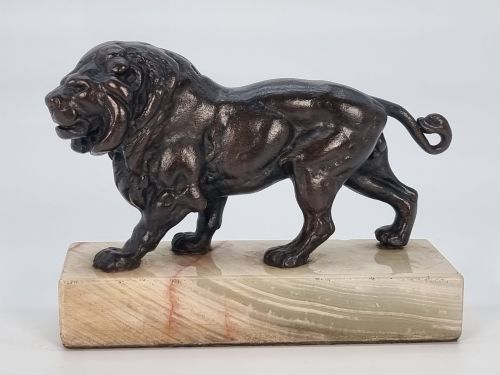
A vintage bronze lion encompasses cast metal studies, practical door porters, and decorative desk pieces shaped across the nineteenth and twentieth centuries. The selection draws on French Animalier traditions, Regency neoclassicism, and Asian cast figures, showing the beast in repose, on the prowl, or guarding a threshold.
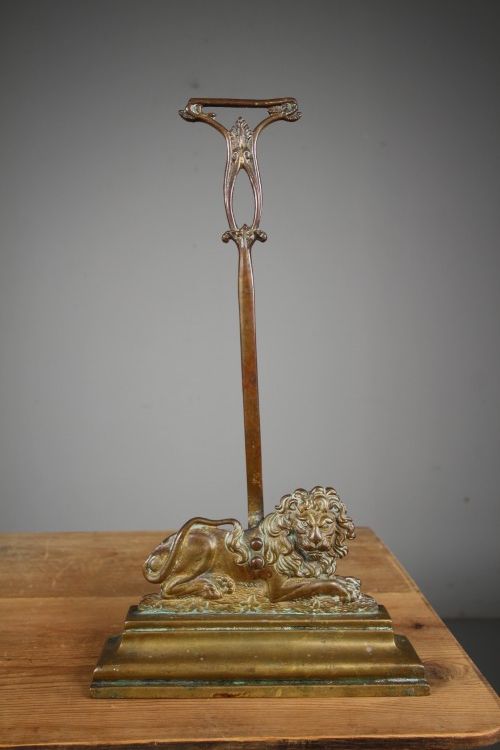
You encounter French studies of prowling cats alongside English door stops and Asian temple guardians cast in bronze, gilt bronze, and patinated metal. These objects range from heavy desktop inkwells and bookends to large floor sculptures anchored on marble or onyx bases.
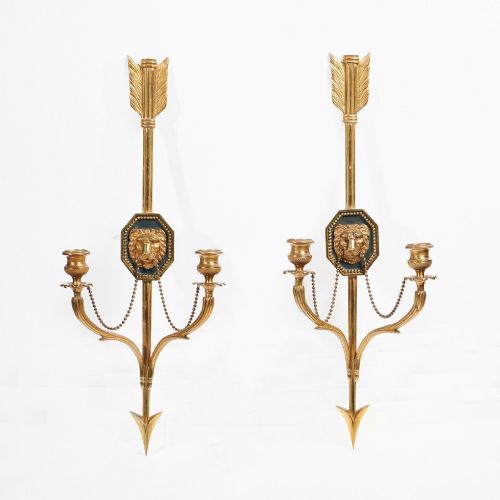
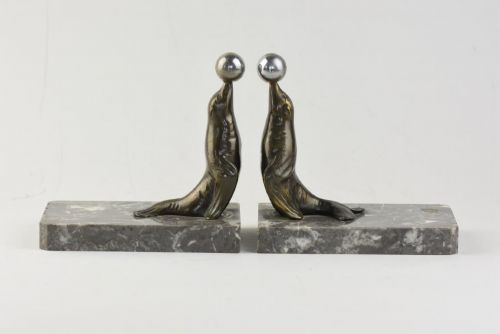
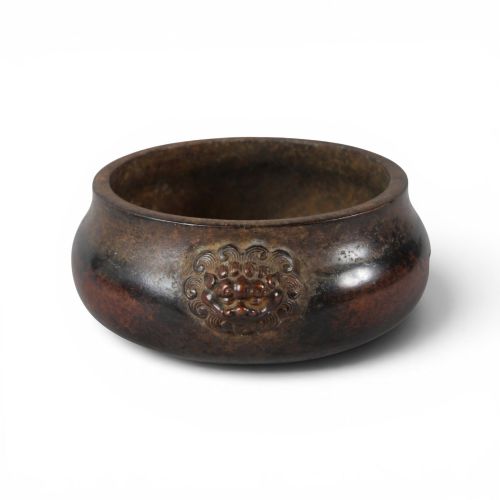
The periods span from seventeenth-century scholar censers and Regency candlesticks to Art Deco bookends and early twentieth-century castings. This variety reflects how different eras translated the king of beasts into domestic and decorative metalwork.
Materials and casting methods
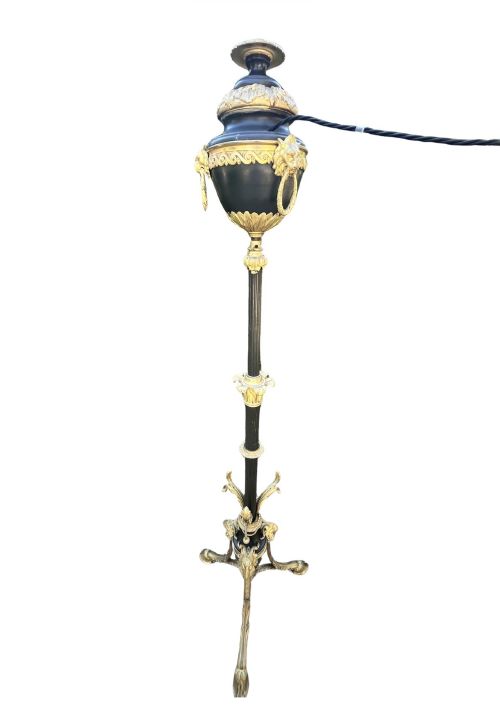
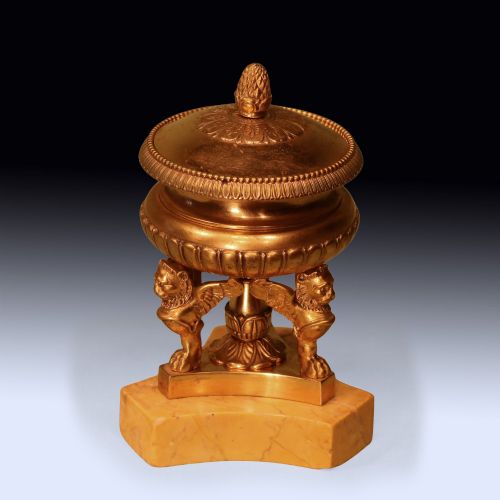
Surface treatments define the appearance, combining natural patinated bronze, cold-painted polychrome finishes, and bright ormolu fire gilding. These metals are frequently mounted on heavy stone bases such as marble, onyx, and alabaster to provide stability.
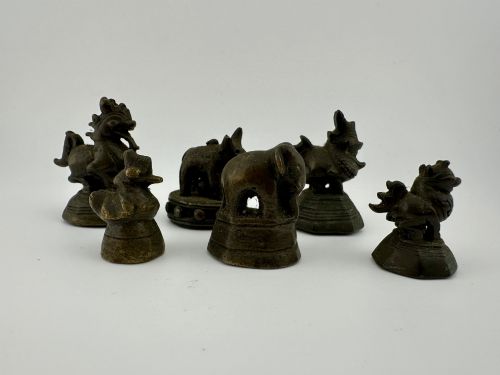
Among the heavy metal beasts sit tiny opium weights cast in the shape of mythical lions and temple guardians.
Distinctions in quality
The clarity of the chisel work and chasing after the cast separates standard production pieces from superior studio castings. Fine chasing reveals individual hairs in the mane, muscular tension in the limbs, and crisp detail in the facial expression.
The quality of the secondary materials, such as the selection of dense Sienna marble bases or heavy ormolu mounts, indicates the tier of the original commission. Heavier metal gauge and secure mounting to the base denote careful workshop construction.
The Vintage Bronze Lion Glossary
- Animalier
- A nineteenth-century artistic movement focused on the realistic depiction of animals, particularly predators in motion. French founders produced many of the notable bronze lion studies in this genre.
- Ormolu
- Finely chopped gold dissolved in mercury and applied to a bronze base before firing to drive off the mercury. This technique creates a durable golden surface seen on mounts and decorative objects.
- Patinated Bronze
- Metal treated with chemicals, heat, or natural weathering to produce a stable surface colour ranging from warm brown to deep green. This skin protects the underlying bronze and adds visual depth.
- Door Porter
- A heavy weighted object placed against a door to keep it open, often formed as a lion holding a ring or standing guard. These items require substantial mass to hold heavy interior doors.
- Cold Painted Bronze
- A method where paint is applied to a cold bronze casting without subsequent firing. This finish is characteristic of specific Austrian foundry output from the nineteenth and twentieth centuries.
Vintage Bronze Lion: Frequently Asked Questions
How do I clean a bronze lion?
Dust the surface gently with a soft dry brush to remove particles without disturbing the underlying patina. Avoid harsh metal polishes or chemical cleaners that strip the original surface finish.
Apply a very thin coat of microcrystalline wax if the metal requires protection from atmospheric moisture. Buff lightly with a clean cloth after application to maintain the natural sheen.
What is the difference between bronze and brass?
Bronze is an alloy composed primarily of copper combined with tin, yielding a dense material that accepts rich patination. Brass uses copper and zinc, producing a brighter yellow tone that responds differently to age and wear.
Many antique door furniture pieces and decorative items utilise brass, whilst sculptural studies and fine castings rely on bronze. Weight and colour help distinguish between the two metal compositions.
How can I tell the age of a bronze lion?
Examine the underside of the casting and the nature of any mounting screws or threaded posts for signs of period manufacture. Older pieces often show hand-filed surfaces and wear patterns consistent with age.
Compare the style of the base and the casting technique against documented examples from specific periods such as the nineteenth century or the Art Deco era. Maker signatures or foundry stamps cast into the metal also provide chronological clues.
Where should I place a bronze lion sculpture?
Position heavy desktop pieces and bookends away from direct sources of heat and moisture to protect both the metal and any stone base. Ensure the supporting shelf or desk can bear the substantial weight of the cast metal.
Display figures at eye level where the surface patina and fine chisel work remain visible. Floor-standing door porters belong near heavy interior doors where their functional mass is utilised.