
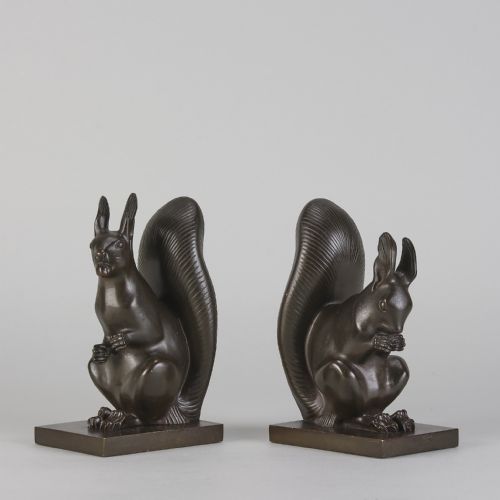
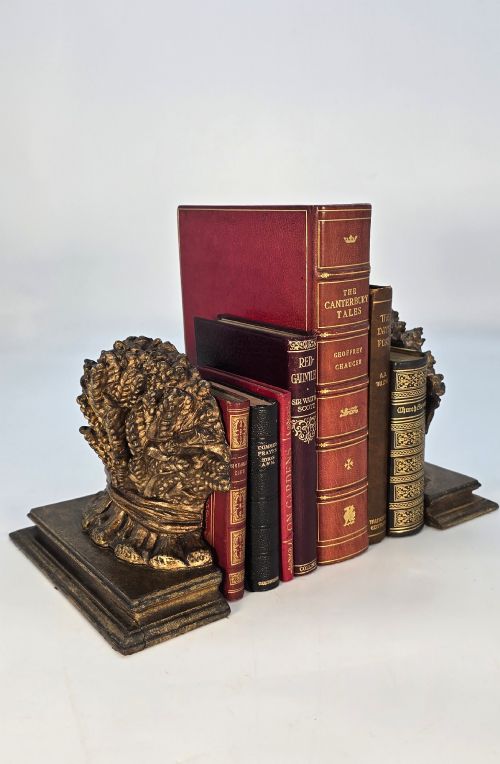


Vintage Bronze Desk Accessory
These vintage bronze desk accessory pieces combine utility and craftsmanship, offering practical desk organisation with distinct period character.
Vintage Bronze Desk Accessory
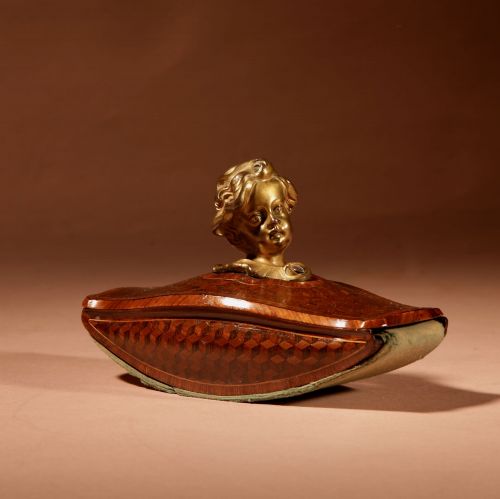
A vintage bronze desk accessory encompasses items designed for the working surface, spanning inkwells, bookends, desk tidies, and paperweights produced from the nineteenth century into the twentieth century. Buyers seeking a vintage bronze desk accessory will encounter various regional styles, ranging from English Regency and Victorian examples to continental European productions.
Materials and construction methods
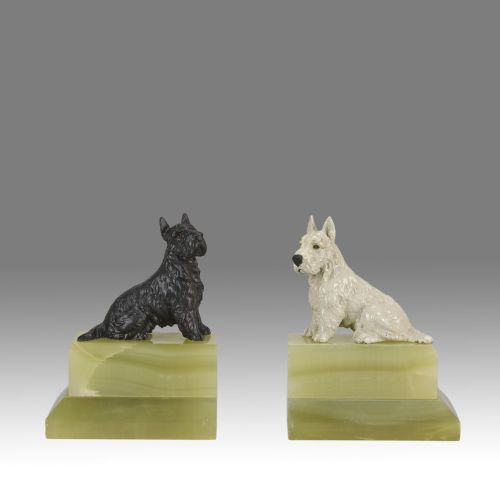
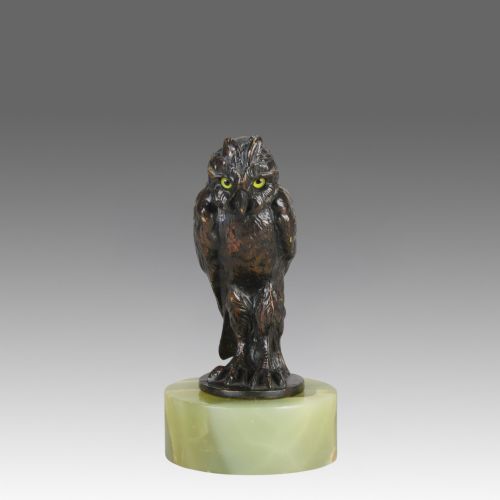
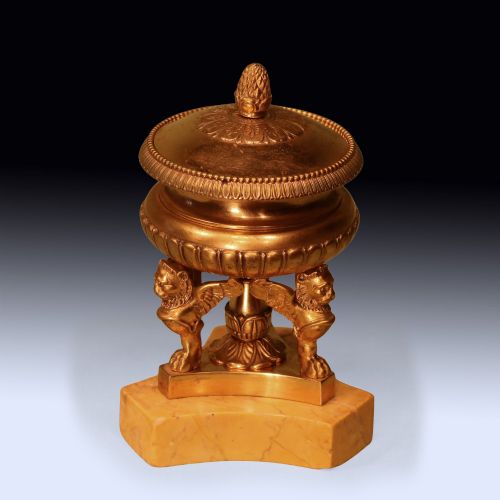
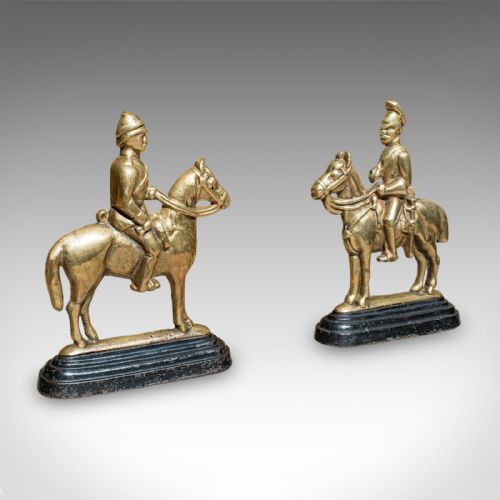
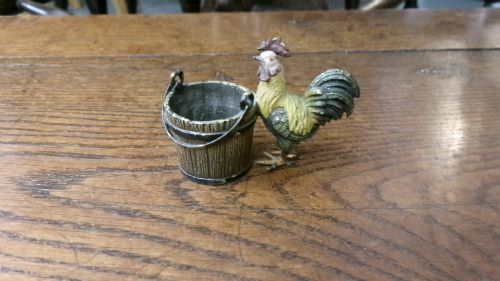
Pieces are cast in bronze, brass, or spelter, frequently paired with natural stone bases including marble, onyx, alabaster, and Sienna marble. Cold painting techniques bring colour to animal and figural subjects, particularly in Austrian productions.
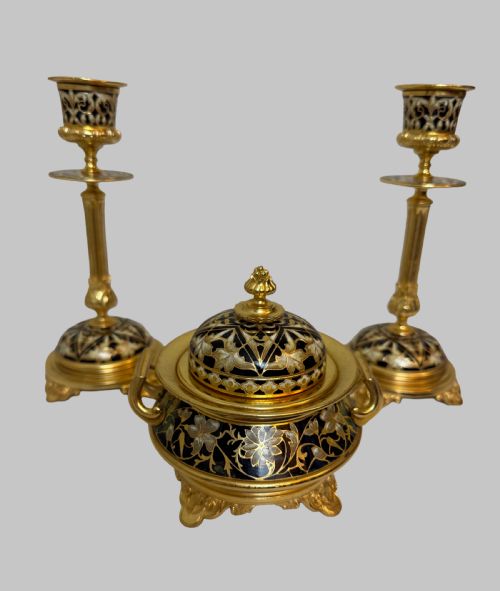
Gilding, ormolu mounting, and champlevé enamel provide surface decoration on desk sets and inkwells. Mahogany and iron also appear as structural elements or secondary materials in desk ornaments and inkstands.
Listings feature items spanning the nineteenth century through the nineteen fifties, including Art Deco, Art Nouveau, and Victorian periods.
Factors determining quality
Quality rests in the crispness of the casting and the preservation of surface finishes, such as cold paint or gilt patination. Finer examples display meticulous detail in figural modelling, whereas simpler items show softer lines.
The integration of materials dictates value, demonstrated by heavy stone bases securely fitted to cast metal figures rather than loose mounts. Original glass ink inserts and undamaged enamel work further separate superior desk accessories from standard items.
A Cohen Co Ltd London·Franz Gruber·C Omin·Albert Marionnet·Asprey Of London
The Vintage Bronze Desk Accessory Glossary
- Cold painted bronze
- Bronze figures painted with naturalistic colours that were applied without heat, making the pigment susceptible to chipping over time. This technique defines many Austrian animal ornaments and inkwells.
- Ormolu
- Gilt bronze mounted onto decorative objects, furniture, or clocks during the eighteenth and nineteenth centuries. The process involves applying a gold amalgam to a bronze base.
- Champlevé
- An enamelwork technique where troughs or cells are hollowed out of a metal surface and filled with vitreous enamel before firing. It appears on nineteenth-century inkwells and candlesticks.
- Desk tidy
- A tray or compartmented dish designed to hold pens, stamps, and small stationery items on a writing table. These often incorporate animal figures or ink bottles.
Vintage Bronze Desk Accessory: Frequently Asked Questions
What is a vintage bronze desk accessory used for?
These items served practical functions in nineteenth and twentieth-century offices and studies, holding ink, blotting paper, books, or writing instruments.
Today, they function as decorative desktop items or functional desk organisers for modern workspaces.
How do I identify Art Deco desk pieces?
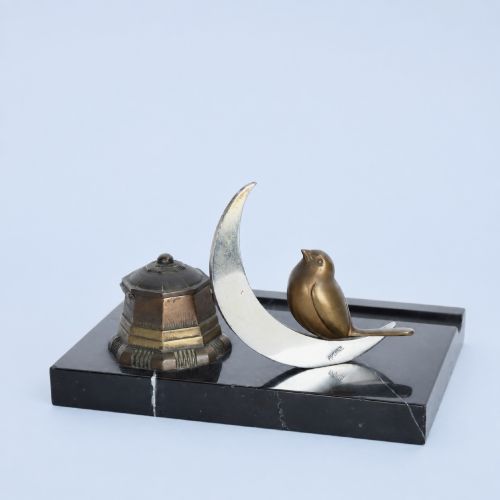
Art Deco desk accessories typically date from the nineteen thirties and feature geometric lines, stylised animal figures, and contrasting materials like black marble and metal.
They often abandon ornate Victorian floral motifs in favour of streamlined silhouettes and modern manufacturing alloys such as spelter.
Are cold painted bronzes fragile?
Cold painted bronze pieces require careful handling because the paint layer sits on top of the metal without high-temperature firing.
Over-cleaning or impact can cause the original pigment to flake, making gentle dusting essential for preservation.
How do I date an antique inkwell?
Dating relies on stylistic markers, manufacturing techniques, and the materials used for the base, such as Sienna marble for nineteenth-century pieces.
The presence of original glass ink inserts and maker marks also helps establish the production era.