





Vintage Bronze Cat Statue
A vintage bronze cat statue brings fierce feline grace to a room, captured in motion by sculptors working across the nineteenth and twentieth centuries.
Vintage Bronze Cat Statue
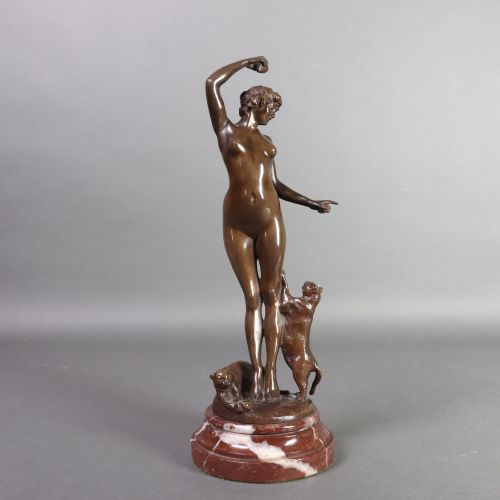
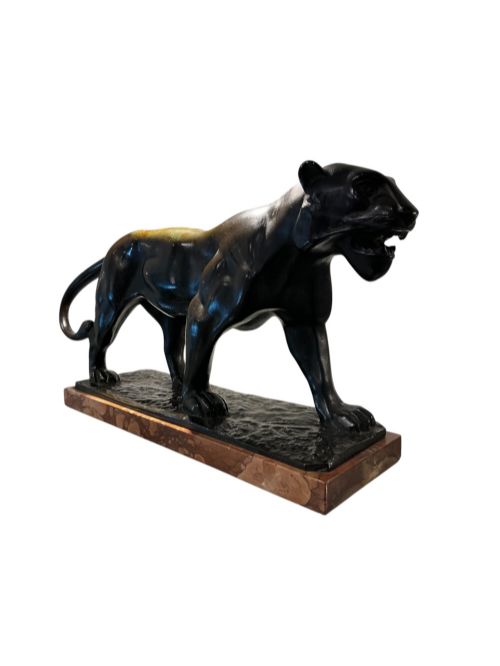
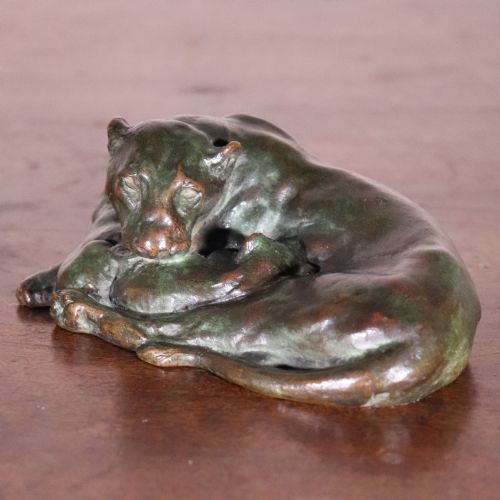
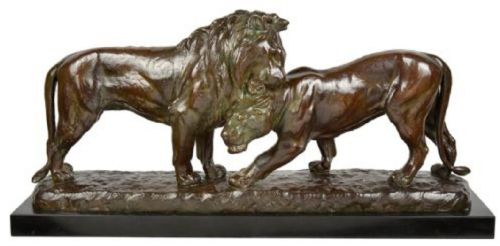
A vintage bronze cat statue encompasses powerful panthers, prowling tigers, and resting lions modeled by European studios and animalier sculptors. These figures span the nineteenth century into the mid-twentieth century, capturing large felines with dramatic realism.
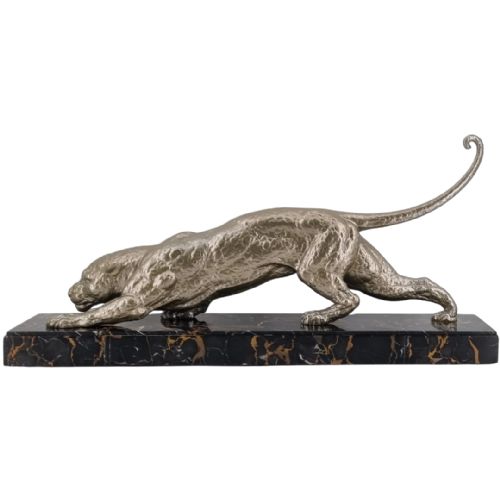
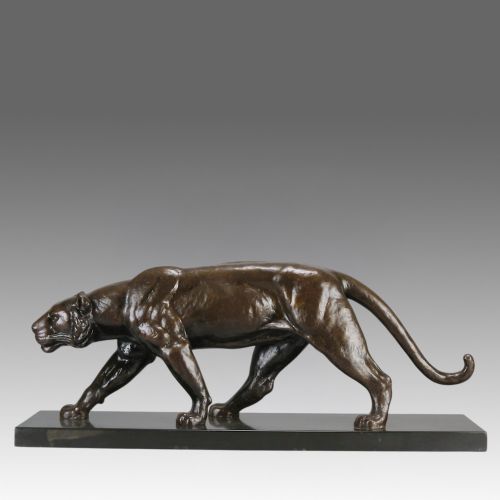
The most common examples on this page belong to the Art Deco period, featuring sleek panthers mounted on heavy marble bases. French makers and the Austrian school dominate these designs, reflecting a fascination with wild animals in dynamic postures.
Materials and construction methods
Foundries cast these sculptures using traditional methods, utilising hot-cast bronze or spelter to shape the feline forms. Surfaces receive patination, cold-painting, or silvering to accentuate the muscular detail of the animals.
Many sculptures pair metal with stone, mounting the bronze or spelter figures onto heavy marble bases, including portoro marble. Bases provide stability and anchor the low, elongated profiles of the stalking big cats.
Vintage Bronze Cat Statue Retail Price Guide 2026
Typical asking prices for vintage bronze cat statue among the pieces listed under this phrase on Sellingantiques today, from the lower quarter to the upper quarter. They describe what is for sale here now, not the wider market.
Every single bronze cat here has successfully resisted the urge to knock things off the mantelpiece.
Distinctions in quality
The choice of base and the depth of the patina also separate standard foundry output from masterworks. Heavy, polished marble plinths and rich, nuanced patination elevate the visual weight of the sculpture.
Gustave Dussart·D. H. Chiparus·Alexandre Ouline·G. GARDET·Anna Vaughn Hyatt Huntington·Michel Decoux·Louis Riche
The Vintage Bronze Cat Statue Glossary
- Animalier
- A nineteenth-century artistic movement dedicated to the realistic portrayal of animals, particularly wild beasts in action. Sculptors in this tradition focused on anatomical accuracy and natural behaviour.
- Patination
- The chemical treatment or natural ageing process that colours the surface of bronze. A skilled patination enhances depth and creates subtle tonal variations across the metal.
- Spelter
- A zinc alloy frequently used as a cost-effective alternative to bronze during the twentieth century. It accepts metallic paints and patinas well, often mounted on marble bases in the same manner as bronze.
- Portoro marble
- A distinctive black Italian marble featuring prominent gold or yellow veins. It provides a high-contrast, luxurious foundation for Art Deco animal sculptures.
Vintage Bronze Cat Statue: Frequently Asked Questions
How do I clean a bronze cat statue?
Dust the surface gently with a soft, dry brush to prevent dirt accumulation in the crevices. Avoid using commercial metal polishes, as they strip away the historic patina.
Apply a very thin layer of microcrystalline wax occasionally to protect the metal from atmospheric moisture. Buff it off gently with a clean cloth to maintain a soft sheen.
Are these statues made of solid bronze?
Many listings feature hot-cast bronze, which is durable metal cast through traditional foundry methods. Some pieces utilise spelter, a lighter zinc alloy that mimics bronze.
Check the weight and underside of the sculpture to understand its composition. Heavier pieces usually indicate solid bronze or dense base integration.
Why are most cats mounted on marble?
Marble bases provide structural stability for heavy metal sculptures, particularly those with outstretched limbs or elongated bodies. The weight of the stone keeps the piece balanced.
During the Art Deco period, contrasting dark marble plinths complemented the sleek patinated metal. This combination defined the aesthetic of twentieth-century animalier art.
How can I tell Art Deco from earlier pieces?
Art Deco statues feature stylised, geometric lines and smooth, simplified muscle structures. They frequently portray panthers in low, prowling postures mounted on sleek marble bases.
Nineteenth-century animalier works tend toward greater anatomical realism and detailed texture. They often depict lions or tigers in dynamic narrative scenes rather than stylised poses.