

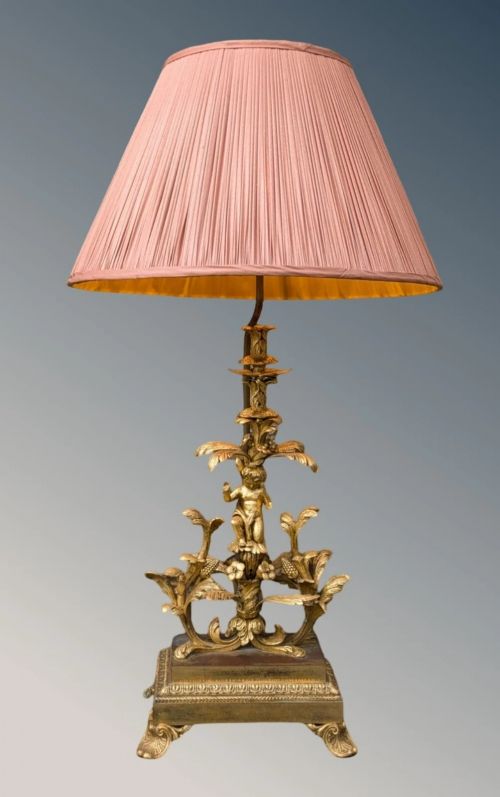
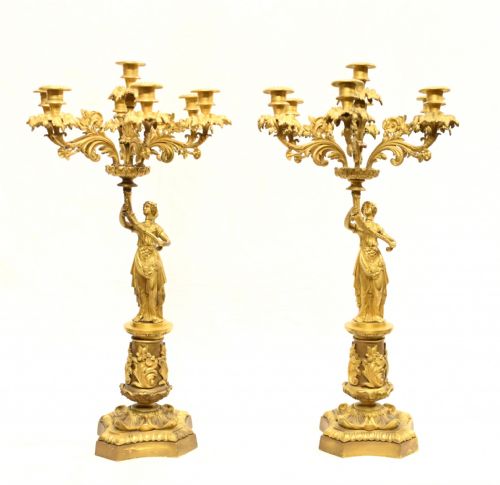
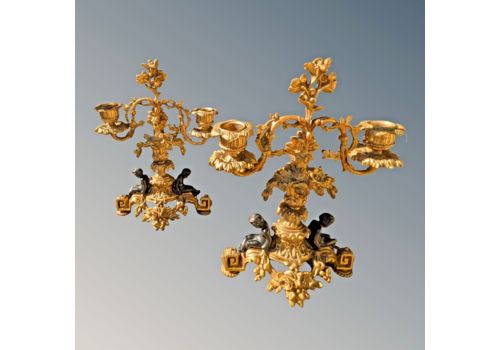
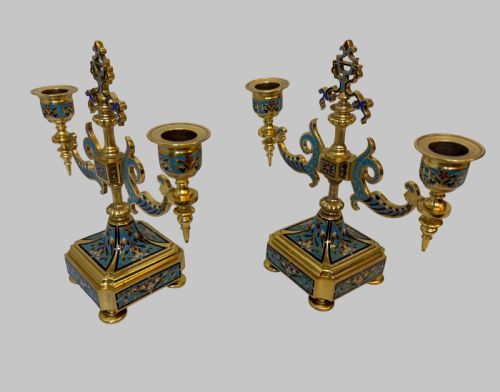
Vintage Bronze Candlesticks
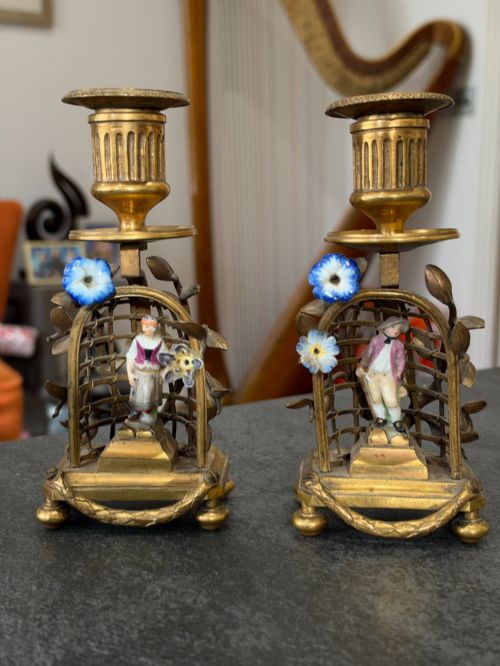
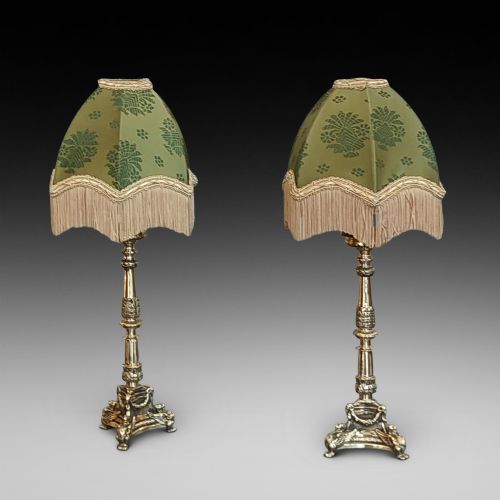
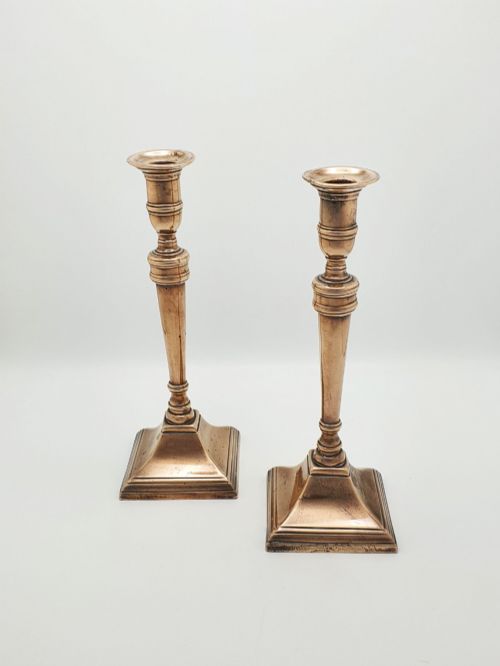
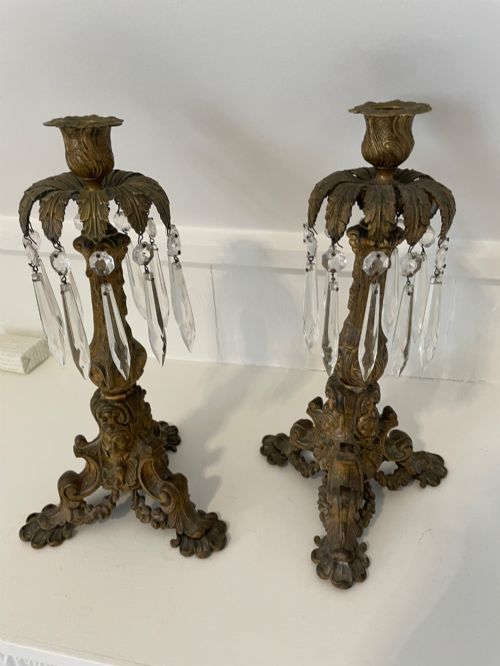
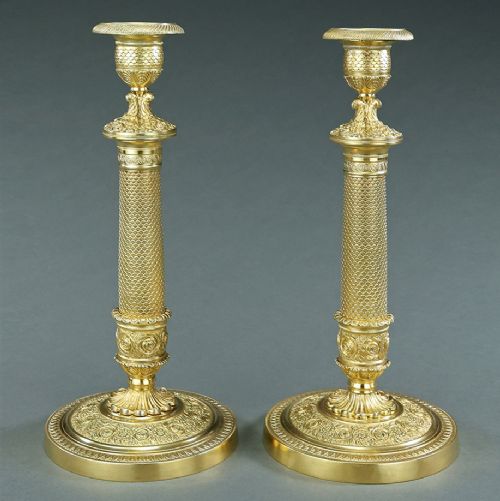
These vintage bronze candlesticks bring heavy neoclassical dignity and warm metallic lustre to a room, cast and chased across the nineteenth century.
Vintage Bronze Candlesticks
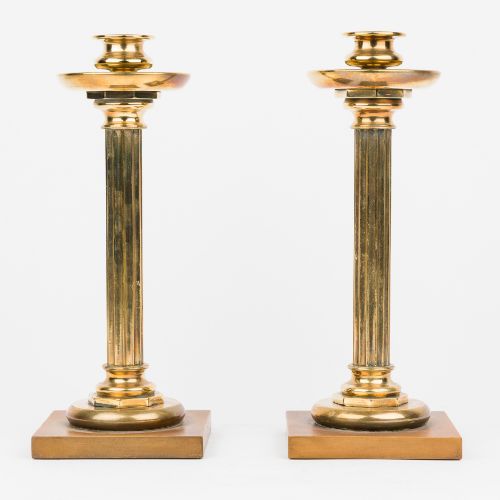
When you search for vintage bronze candlesticks, you encounter heavy cast metal lighting fixtures spanning the nineteenth and early twentieth centuries. The selection on this page relies heavily on French Empire, Louis XVI, and Rococo Revival styles alongside Victorian iterations.
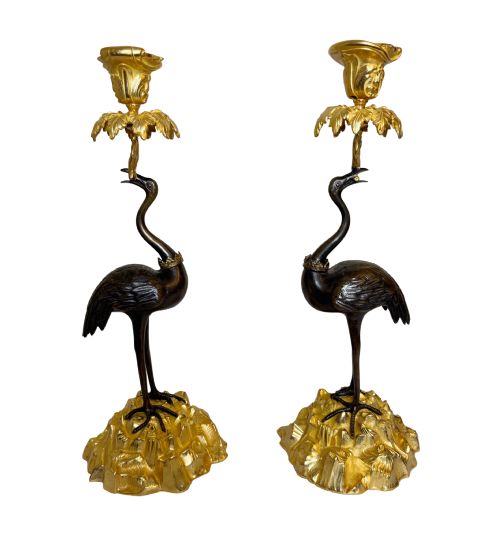
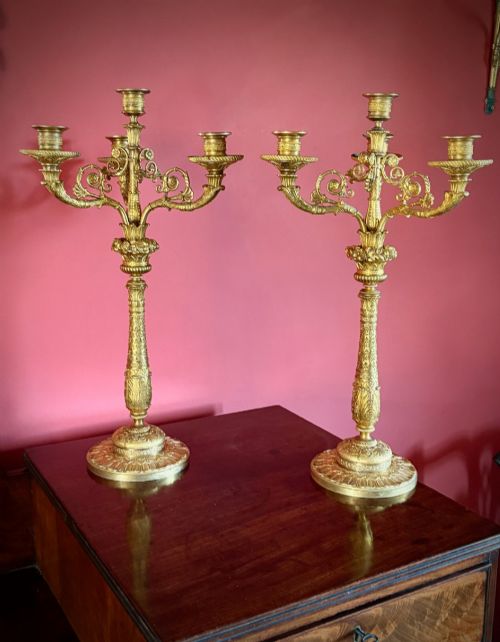
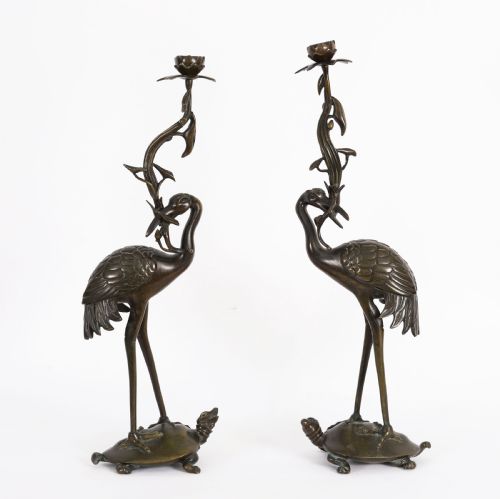
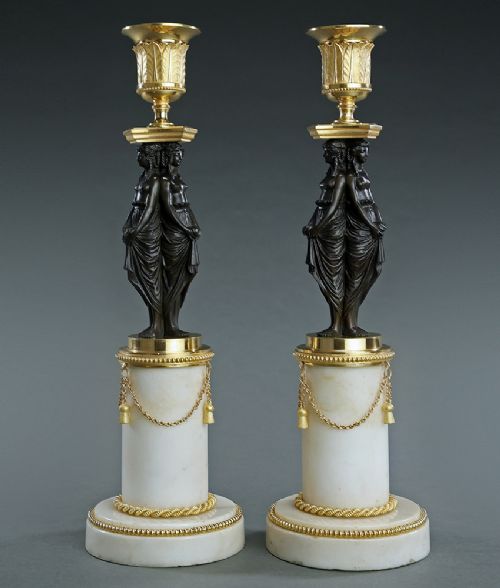
Most examples appear as matched pairs formed of cast bronze, often gilded as ormolu or paired with marble bases. Forms range from simple classical columns to ornate multi-armed candelabra and figural pieces incorporating caryatids or animal motifs.
How they were made
Foundry workers cast these pieces using traditional methods, pouring molten bronze into moulds before refining the surface by hand. Chasing tools added fine detail to feathers, acanthus leaves, and drapery.
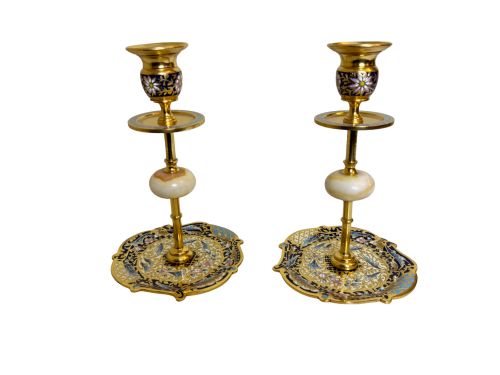
Many surfaces received a layer of mercury gilding to produce a rich ormolu finish, while others were patinated to a dark brown or black tone. Makers frequently combined bronze with contrasting materials such as marble, onyx, or enamel champlevé work.
Vintage Bronze Candlesticks Retail Price Guide 2026
Typical asking prices for vintage bronze candlesticks among the pieces listed under this phrase on Sellingantiques today, from the lower quarter to the upper quarter. They describe what is for sale here now, not the wider market.
Flamingos and cobras occasionally guard the flames on these nineteenth-century metal shafts.
What varies in quality
The precision of the chasing marks the difference between average production and superior workshop output. Crisp lines in the cast ornament indicate skilled hand-tooling after the metal left the sand mould.
Weight and structural integrity also separate standard pieces from high-end examples. Substantial bronze components, securely seated marble plinths, and well-balanced multi-arm construction demonstrate superior manufacturing standards.
Abel Landry
The Vintage Bronze Candlesticks Glossary
- Ormolu
- Gilt bronze produced by applying a mercury and gold amalgam to the metal surface before heating. This technique creates a durable, luminous golden finish characteristic of French decorative arts.
- Champlevé
- An enamelling technique where troughs are gouged into the metal surface and filled with vitreous paste before firing. The resulting coloured patterns contrast sharply with the surrounding bronze.
- Caryatid
- A sculpted female figure serving as an architectural support column. These figures frequently form the main shaft of classical candlesticks and lamps.
- Pricket
- A sharp metal spike set in the drip pan to secure a large candle. This medieval form persists in church and decorative altar pieces.
- Patinated Bronze
- Metal treated with chemical solutions to produce a controlled surface colour or aged finish. Dark brown and near-black tones predominate.
Vintage Bronze Candlesticks: Frequently Asked Questions
How do I clean vintage bronze candlesticks?
Dust gently with a soft dry brush to protect the original patination and gilding. Avoid chemical polishes that strip historical surfaces.
Water and harsh detergents damage exposed metal and composite materials like marble or enamel. Stick to gentle, dry maintenance.
Were these candlesticks converted to lamps?
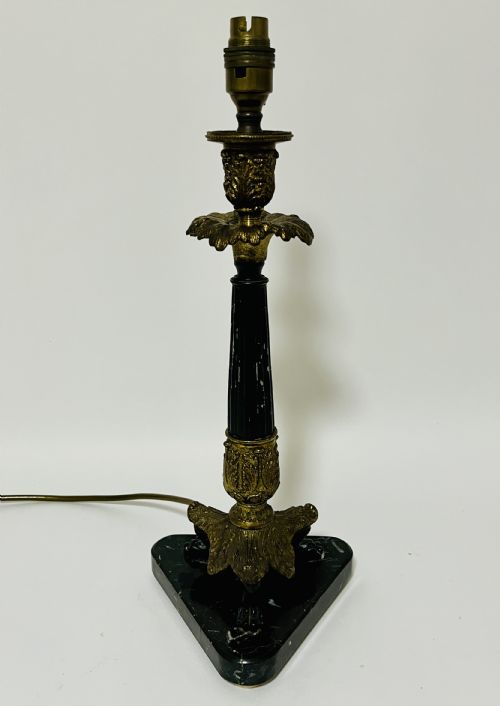
Many nineteenth-century examples undergo conversion to electricity for modern interior use. Wiring can often be routed without damaging the original bronze structure.
Unconverted pairs retain their original drip pans and sockets designed strictly for wax candles. Collectors weigh domestic utility against historical preservation when choosing.
How do I date a bronze candlestick?
Examine the casting quality, fastening screws, and stylistic details to establish an approximate period. Nineteenth-century pieces typically show hand-filed seams and heavy bronze casting.
Decorative motifs like flamingos, caryatids, or specific revival styles align with documented manufacturing decades. Compare the patination and wear patterns with known historical examples.
What is the difference between ormolu and brass?
Ormolu consists of a bronze substrate coated in real gold via amalgamation, yielding a deep, warm hue. Brass is an alloy of copper and zinc with a yellower, brighter appearance throughout the metal.
Bronze offers greater weight and structural density compared to standard brass castings. High-end nineteenth-century lighting makers favoured bronze for its superior response to fine chasing tools.