




Vintage Bronze Bird Figures
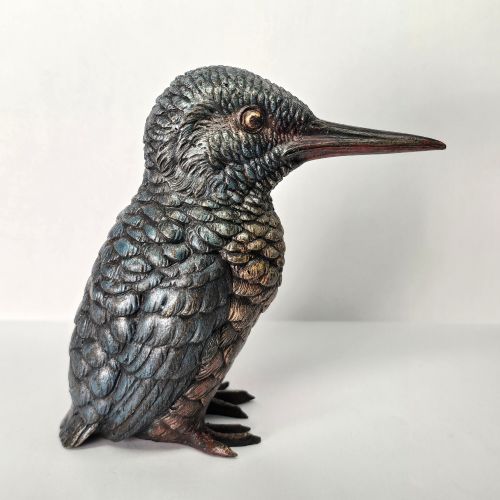
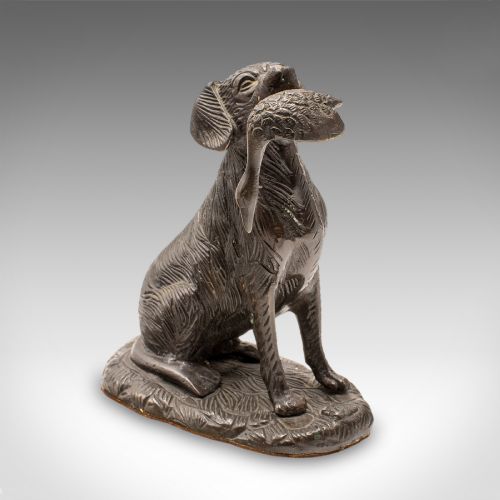
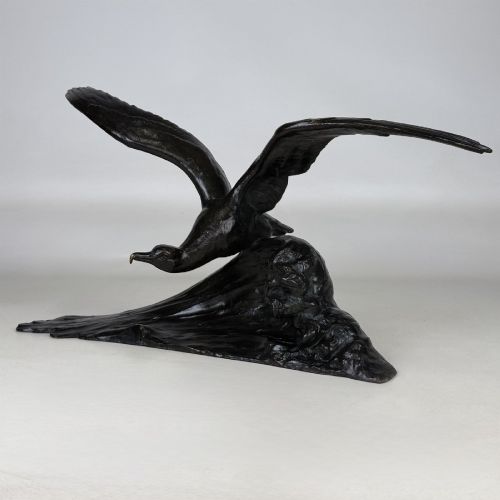
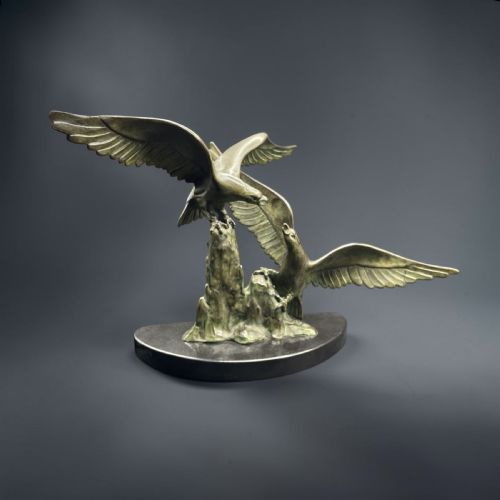
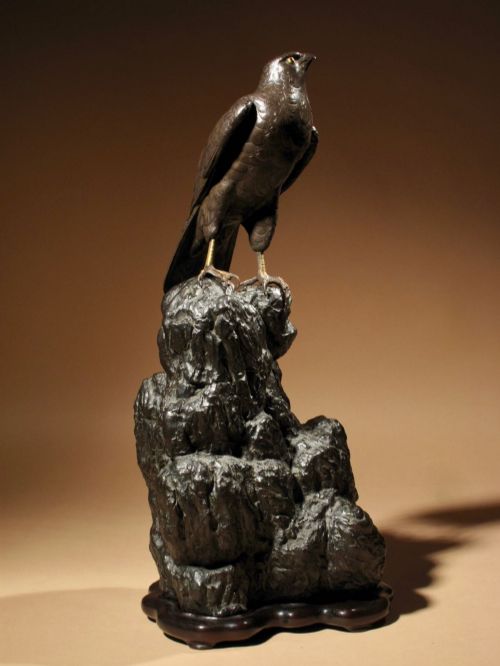
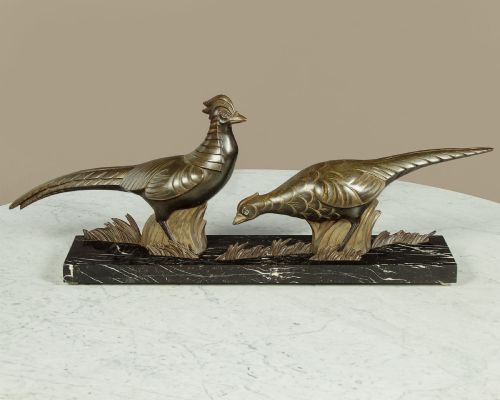
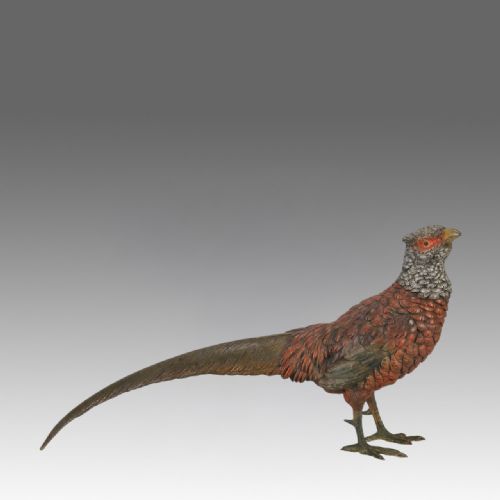
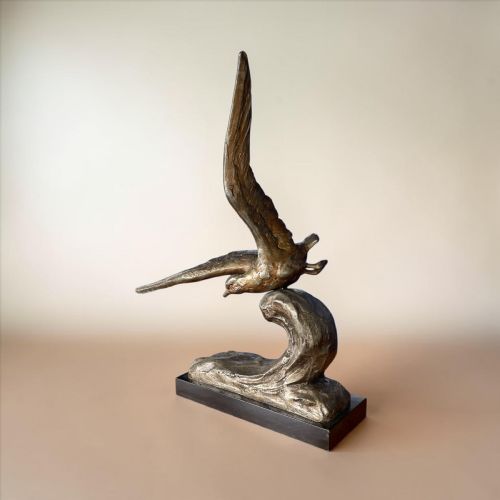
These vintage bronze bird figures bring hawks, pheasants and albatrosses into the room with remarkable weight and presence.
Vintage Bronze Bird Figures
Vintage bronze bird figures capture avian forms across naturalistic studies and stylised treatments. When searching for vintage bronze bird figures, buyers encounter everything from predatory hawks on craggy rocks to golden pheasants fixed in mid-stride.
The objects take diverse physical formats including standalone tabletop sculptures, heavy bookends and small mounted studies. Many of these pieces sit upon integral plinths of black marble or feature carved wooden mounts.
Originating across the nineteenth and twentieth centuries, these works span distinct aesthetic movements. Pieces range from nineteenth-century animalier studies to sleek Art Deco creations from nineteen-thirty.
How they were made
Foundries produced these pieces using traditional casting methods in bronze, often pairing the metal with marble bases. Some works utilise patinated metal or gilt cast brass to alter the initial surface sheen.
Makers introduced colour through cold-painting techniques, applying enamel paint directly onto the cooled metal surface. This pigment adheres to the bronze or patinated base, though handling over decades can lead to surface wear.
Vintage Bronze Bird Figures Retail Price Guide 2026
Typical asking prices for vintage bronze bird figures among the pieces listed under this phrase on Sellingantiques today, from the lower quarter to the upper quarter. They describe what is for sale here now, not the wider market.
Listings feature periods spanning from the nineteenth century through to nineteen-thirty, incorporating materials such as bronze, black marble, enamel paint and gilt cast brass.
What varies in quality
Quality rests in the fidelity of the cast and the precision of the chasing work performed after the metal cools. Finer examples retain sharp feather texturing and realistic anatomical proportions rather than soft, smoothed contours.
The integrity of the cold-painted surface or patination dictates visual appeal. Pieces where the enamel paint remains intact show superior preservation compared to those with extensive pigment loss.
Franz Bergman·Zoldan Kovats·P J Mêne·Auguste Moreau·Christophe Fratin
The Vintage Bronze Bird Figures Glossary
- Animalier
- A nineteenth-century artistic movement dedicated to the realistic portrayal of animals. Sculptors in this tradition focused heavily on anatomical accuracy and dynamic movement.
- Cold-Painted Bronze
- A technique where paint is applied to a cold bronze object without subsequent kiln firing. This method was particularly popular in Vienna workshops during the late nineteenth and early twentieth centuries.
- Patina
- The surface coloration and sheen that develops on bronze over time through oxidation or intentional chemical treatment. A stable patina protects the underlying metal.
- Plinth
- A heavy base, often made of black marble, upon which a sculpture or figure is mounted. It provides structural stability and visual elevation.
Vintage Bronze Bird Figures: Frequently Asked Questions
What is animalier bronze?
Animalier bronze refers to sculptures focused on realistic depictions of animals, horses, and birds created primarily during the nineteenth century. These works capture creatures in active or natural poses.
Artists aimed for strict anatomical precision, recording muscle tension and feather arrangements with exact observation.
How do I care for cold-painted bronze?
Cold-painted bronze requires gentle dusting with a dry, soft cloth to protect the delicate enamel paint layers. Moisture and chemical cleaners damage the historic pigments.
Keep these figures out of direct sunlight to prevent the painted surface colours from fading over time.
What is a marble plinth?
A marble plinth is a heavy stone base attached to the bottom of a bronze figure for physical stability. Black marble was frequently utilised during the Art Deco period.
These bases anchor heavier figures and elevate the metalwork above the display surface.
How do I date a bronze bird?
Dating relies on stylistic markers, casting quality, and the presence of maker signatures or foundry marks. Art Deco pieces show geometric simplification typical of nineteen-thirty.
Nineteenth-century animalier works prioritize naturalistic texture and detailed anatomical rendering over stylistic abstraction.