

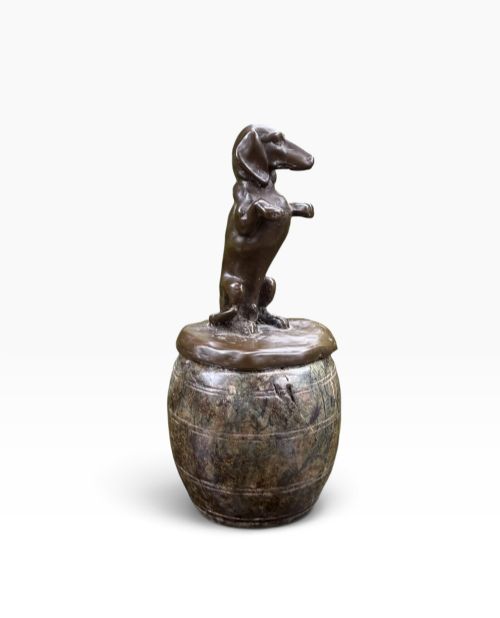
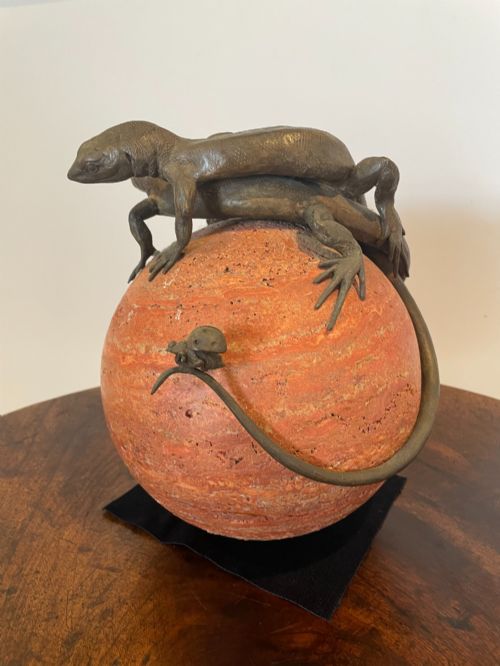
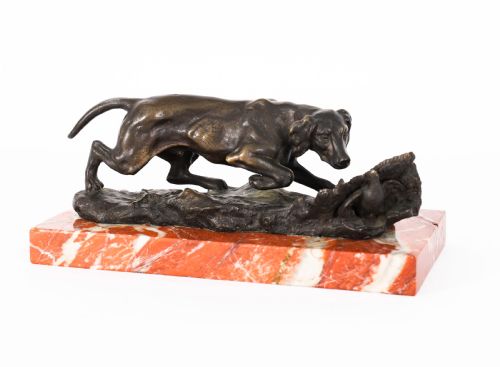
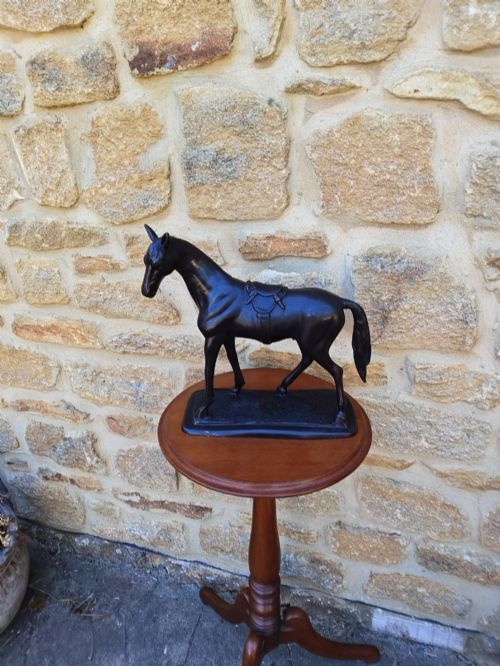
Vintage Bronze Animalier
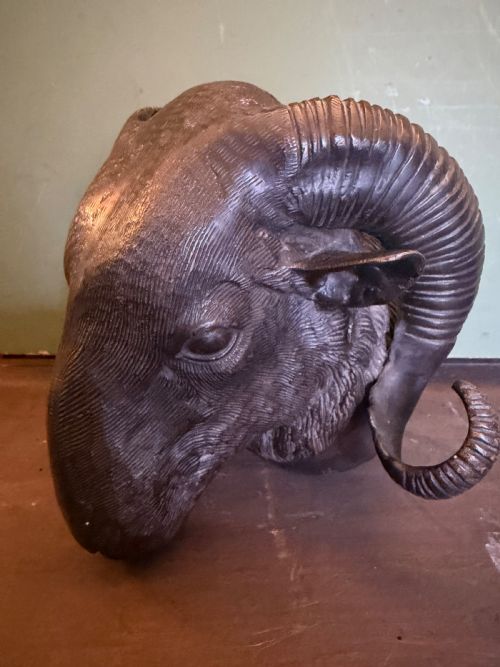
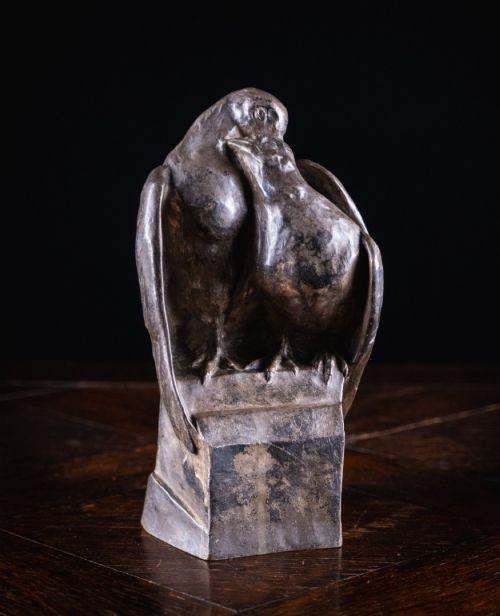
Vintage bronze animalier pieces capture the natural movement and muscular power of wild and domestic creatures through detailed metal casting.
Vintage Bronze Animalier
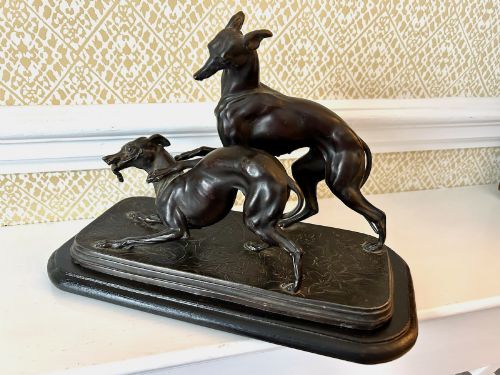
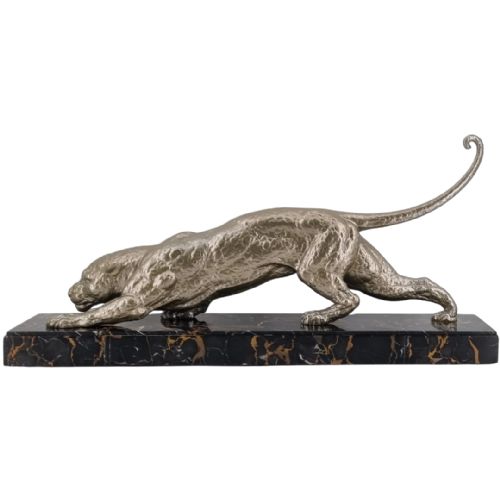
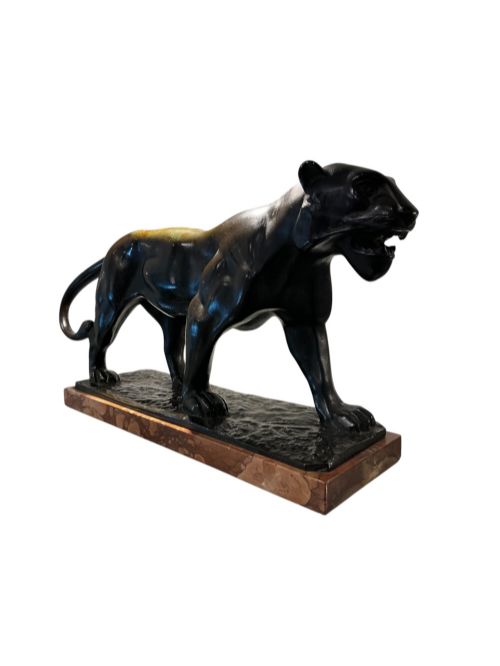
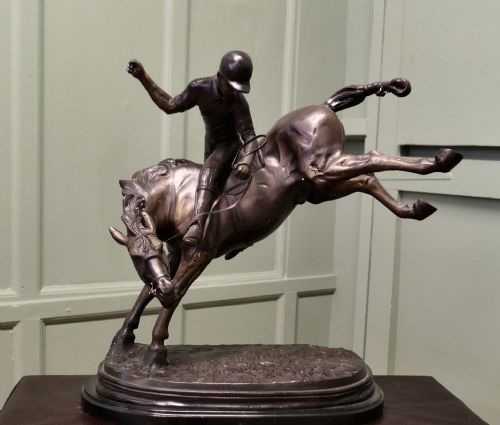
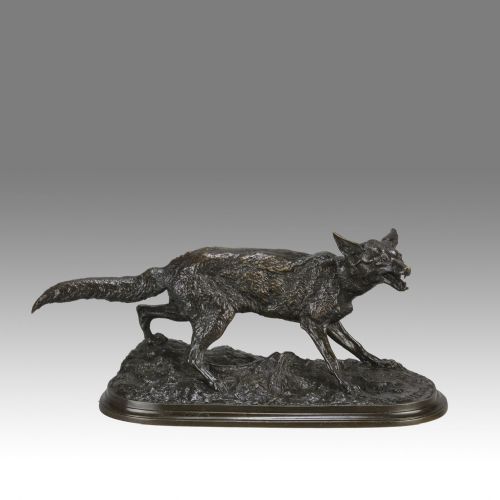
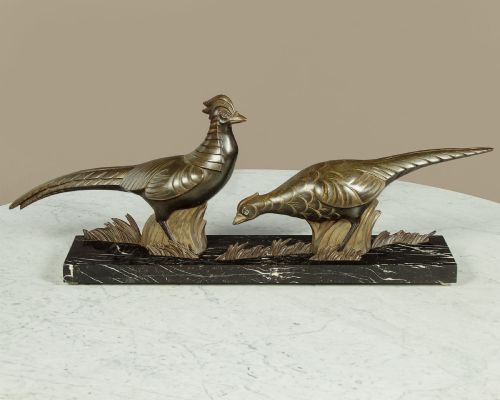
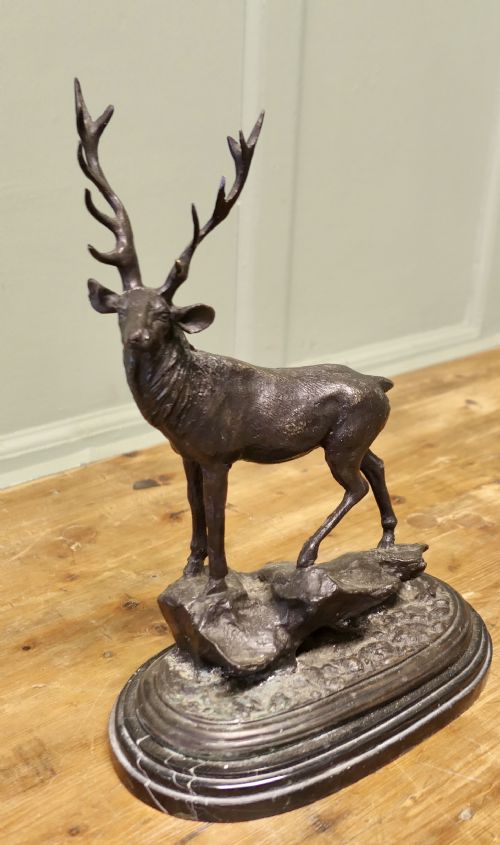
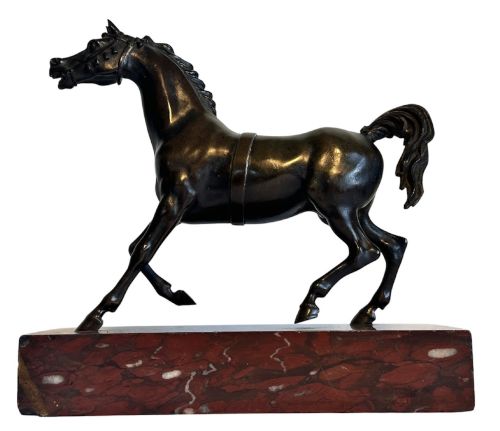
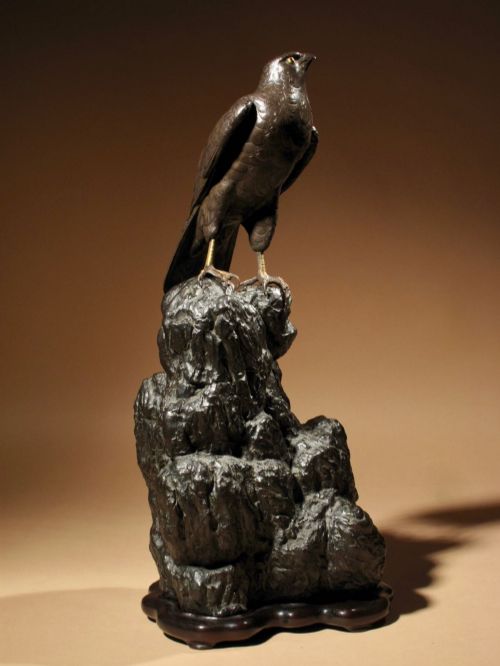
Vintage bronze animalier comprises sculptural figures of animals produced predominantly during the nineteenth and early twentieth centuries, drawing heavily on French and Austrian schools of casting. Buyers encounter subjects ranging from prowling big cats and hunting dogs to birds of prey and horses in motion.
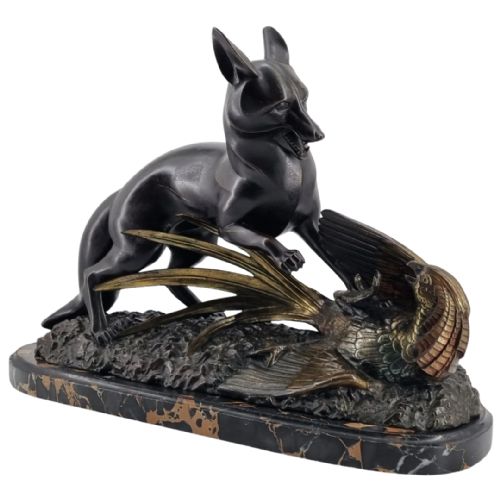
Many examples are mounted on heavy stone plinths made from marble or onyx, whilst others serve functional roles as bookends or mantel clocks. The physical forms span realistic studies from the Victorian era through to stylised representations from the Art Deco period.
Materials and casting methods
Foundries utilised traditional lost-wax casting and sand-casting methods to capture fine anatomical details in bronze, spelter, and patinated metal. Cold-painting techniques were frequently applied to smaller Austrian animal figures to add realistic colouration directly onto the metal surface.
Bases of marble, onyx, and polished wood provide stability and contrast to the dark patination of the metal sculptures. Nickel plating and silvered bronze finishes appear alongside traditional dark patinas, particularly in pieces originating from the Art Deco era.
Vintage Bronze Animalier Retail Price Guide 2026
Typical asking prices for vintage bronze animalier among the pieces listed under this phrase on Sellingantiques today, from the lower quarter to the upper quarter. They describe what is for sale here now, not the wider market.
Listings feature materials such as bronze, spelter, marble, onyx, and silvered bronze across the nineteenth and twentieth centuries.
Assessing quality in animalier figures
Quality rests upon the crispness of the chasing work performed after casting, which dictates how sharply musculature, fur, and feathers are defined. Superior examples retain subtle surface textures and realistic proportions without obscuring details beneath heavy patination.
The integration between the metal figure and its stone base indicates overall craftsmanship, with finer pieces fitted seamlessly to shaped marble or onyx plinths. Signature clarity and foundry marks further distinguish master-cast bronzes from commercial or later reproductions.
P J Mêne·Antoine Louis Barye·Franz Bergman·D H Chiparus·Christophe Fratin
The Vintage Bronze Animalier Glossary
- Animalier
- A nineteenth-century artistic movement dedicated to the realistic portrayal of animals, particularly in sculpture. Practitioners focused heavily on anatomical accuracy and dynamic movement.
- Patina
- The surface coloration and sheen developed on bronze through oxidation, age, or chemical treatment. Artists controlled this layer to enhance depth and realism.
- Spelter
- A zinc alloy commonly utilised as a less expensive alternative to bronze for sculptural casting. It was frequently painted to imitate the appearance of heavier bronze.
- Cold-painted
- A method where enamel paint is applied to cold metal without subsequent firing. This technique is especially characteristic of Austrian animal bronzes.
- Chasing
- The manual process of refining a metal casting with chisels and hammers to clean up seams and sharpen details. High-level chasing separates superior sculptures from basic casts.
Vintage Bronze Animalier: Frequently Asked Questions
What is animalier bronze?
Animalier bronze refers to sculptural art focused specifically on the realistic or stylised depiction of animals. These works emerged prominently in nineteenth-century Europe, capturing beasts in naturalistic poses.
Artists studied wildlife closely, translating muscle tension and movement into durable metal casts that often found homes on desks and mantelpieces.
How do I clean bronze sculptures?
Bronze sculptures require gentle dusting with a soft, dry cloth to prevent the accumulation of grit. Avoid using water, detergents, or abrasive polishes which can strip the protective patina.
Applying a very light coat of microcrystalline wax can help preserve the surface sheen if handled infrequently.
Are spelter and bronze different?
Spelter is a zinc-based alloy that is significantly lighter and softer than bronze. It was often utilised as an economical alternative for decorative figures.
Bronze offers greater durability, heavier weight, and a richer capacity for retaining detailed chasing and complex patination.
What periods do these pieces span?
The listings span from the mid-nineteenth century through the Victorian era and into the Art Deco period of the nineteen-thirties. Each era brought distinct stylistic shifts in how animals were portrayed.
Earlier pieces favour detailed realism, whereas later twentieth-century examples lean towards stylised, geometric forms.