







Vintage Brass Organiser
A vintage brass organiser keeps correspondence and desk clutter tidy, bringing functional metalwork and polished timber from past centuries into daily use.
Vintage Brass Organiser
The vintage brass organiser encompasses a range of desk accessories and stationery boxes designed to sort letters, pens, and paper. These pieces surface most frequently from the Victorian and Edwardian eras, alongside items from the nineteenth century and the mid-twentieth century.
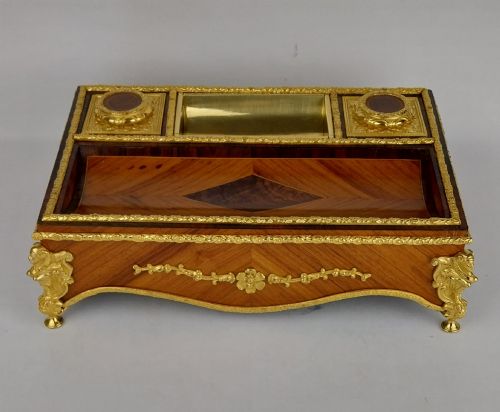
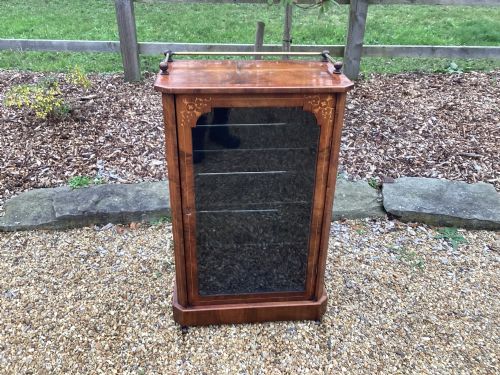
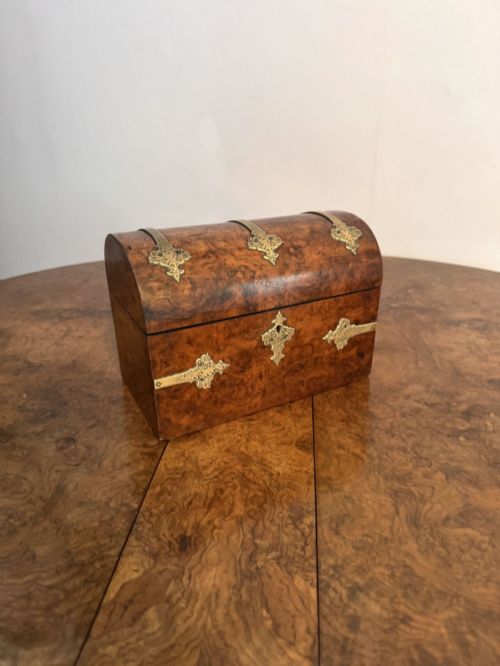
Buyers encounter forms varying from heavy cast letter racks and inkstands to oak and mahogany stationery cabinets mounted with brass. Many items combine solid timbers like walnut, rosewood, and oak with polished brass fittings, drop handles, and hinges.
Origins span British workshops as well as French and Indian production, reflecting diverse stylistic influences from Rococo Revival and Victorian Gothic to early twentieth-century designs. Each piece served a specific domestic or commercial function, from holding daily post to sorting hotel reception keys.
Materials and construction methods
Craftsmen built these organisers using durable hardwoods such as oak, mahogany, walnut, and coromandel, often framing them with heavy cast or sheet brass, ormolu, and copper. Timber surfaces were joined with precision and polished to highlight natural grain, while metal components were cast, stamped, or chased with decorative motifs.
The integration of mixed media is central to their construction, combining glass inkwells and leather inserts with structural timber and metal mountings. Fall fronts, cantilever mechanisms, and fitted compartments required careful joinery to ensure smooth operation over decades of use.
Vintage Brass Organiser Retail Price Guide 2026
Typical asking prices for vintage brass organiser among the pieces listed under this phrase on Sellingantiques today, from the lower quarter to the upper quarter. They describe what is for sale here now, not the wider market.
Some desk sets feature gilded bronze cats and kittens at play, proving that Victorian stationery management had a sense of humour.
Distinctions in quality and execution
Quality rests upon the weight and crispness of the brass casting, the selection of timber veneers, and the integrity of internal fittings such as glass ink inserts and lined compartments. Finer examples display meticulous hand-chasing on metalwork and robust joinery in the underlying box construction.
Greater execution shows in matched timber grains, substantial brass hardware that remains firmly seated in the wood, and complex mechanisms like cantilever actions or functioning locks with original keys.
Clark’s Anchor
The Vintage Brass Organiser Glossary
- Stationery box
- A desk accessory with compartments for paper and envelopes, often featuring a fall front or sloping lid. These units frequently incorporate brass hinges, escutcheons, and carrying handles.
- Inkstand
- A tray or stand holding one or more inkwells, typically accompanied by pen troughs and sometimes a matching letter holder. They are often cast in brass, ormolu, or copper, paired with glass inserts.
- Book slide
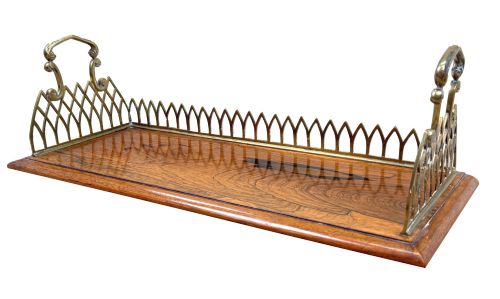
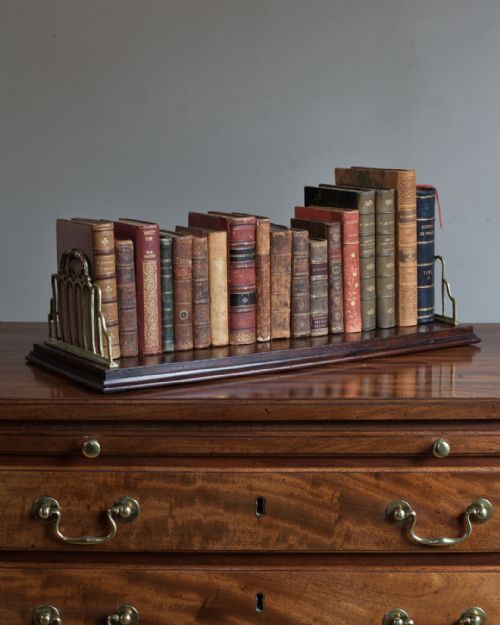
- An adjustable rack designed to hold a row of books upright on a desk or table, usually fitted with extending wooden arms and decorative brass ends.
- Ormolu
- Gilded bronze applied as a decorative mount to furniture and desk accessories, prevalent in nineteenth-century French and English pieces.
- Fall front
- A hinged panel that folds downwards to reveal internal letter slots, drawers, and writing surfaces within a cabinet or box.
Vintage Brass Organiser: Frequently Asked Questions
How do I date a brass desk organiser?
Dating relies on identifying the underlying timber, the fastening methods, and stylistic cues such as Victorian Gothic elements or Edwardian proportions. The presence of specific hardware styles, like brass drop handles or cast ormolu mounts, helps narrow down the period.
Examining the manufacturing techniques, such as machine-cut screws versus hand-cut joints, also provides a reliable indicator of whether a piece originates from the nineteenth century or later.
Are these organisers made of solid brass?
Most organisers combine a solid timber carcass - such as oak, mahogany, or walnut - with heavy cast brass mounts, hinges, feet, and letter racks. Pure brass items do exist, such as cast wall pockets and certain inkstands, but mixed-material construction is more common.
The integration of timber and metal provided structural stability while allowing decorative brass elements to take centre stage on the exterior.
How should I clean a vintage brass and wood organiser?
Wood surfaces benefit from occasional application of quality beeswax to nourish the grain and maintain a soft lustre without stripping the patina. Brass components should be dusted gently, avoiding harsh chemical dips that remove the aged character accumulated over decades.
Careful maintenance preserves the contrast between the polished metal mounts and the rich tones of the underlying timber.