








Vintage Brass Medical
These vintage brass medical pieces are precision instruments and fitted chests that bring tangible history into a modern study.
Vintage Brass Medical
When you search for vintage brass medical items, you encounter a specialised range of scientific instruments, apothecary boxes, and weighing scales originating from the nineteenth and early twentieth centuries. These objects span periods from the Georgian era through the Regency, Victorian, and Edwardian years into the early twentieth century.
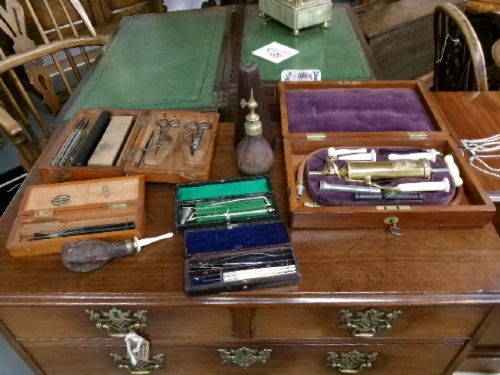
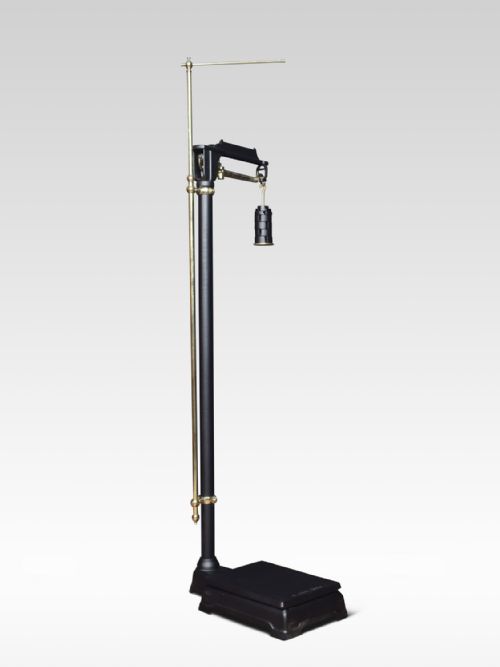
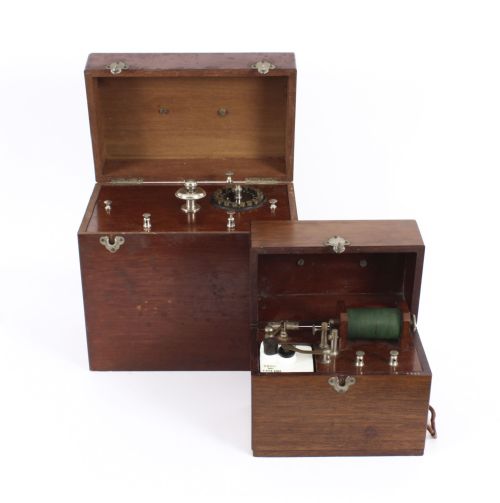
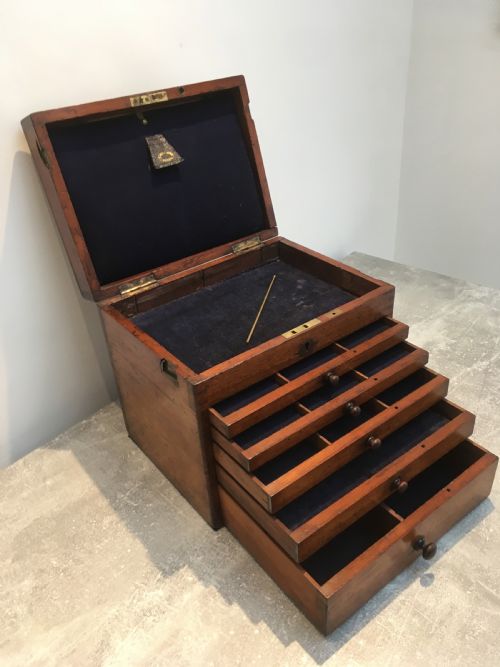
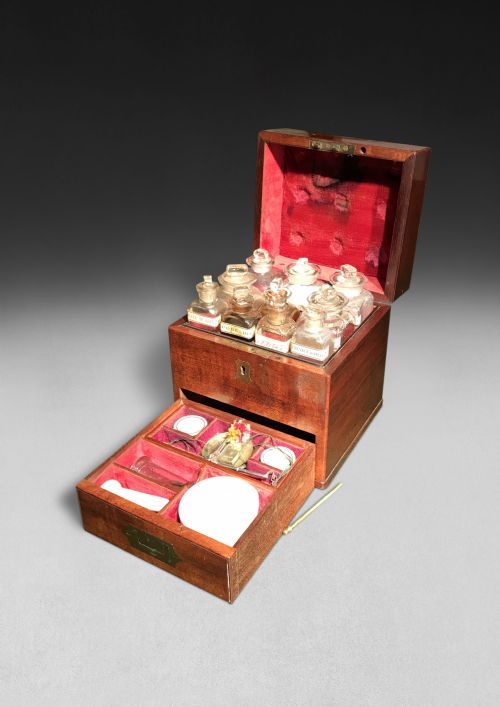
The pieces most frequently met on this page include fitted mahogany or oak apothecary chests complete with glass bottles, alongside brass-mounted personal scales and optical test lens kits. Alongside these are surgical instruments such as amputation saws, cupping sets, and electrotherapy devices housed in dedicated wooden cases.
Cabinet makers and instrument makers designed these items for physicians, surgeons, and apothecaries who required portable yet durable equipment for travel or clinical practice. Their survival in fitted boxes with original components makes them sought after by collectors of scientific and medical history.
Materials and construction
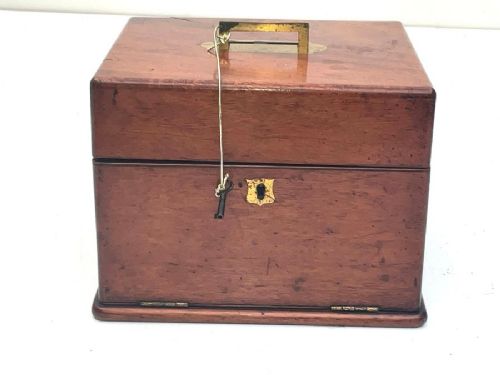
Makers relied on brass for its resilience and capacity to hold fine calibrations on scientific scales, lens kits, and surgical fittings. This metal was paired with dense hardwoods like mahogany and oak to construct protective transport cases and storage cabinets.
Internal fittings often incorporated velvet linings, bone handles, paper labels, and blown glass bottles or jars to secure fragile instruments and liquids safely. Dovetail joints and brass hinges demonstrate the careful joinery applied to ensure these boxes withstood frequent transit.
Vintage Brass Medical Retail Price Guide 2026
Typical asking prices for vintage brass medical among the pieces listed under this phrase on Sellingantiques today, from the lower quarter to the upper quarter. They describe what is for sale here now, not the wider market.
Some nineteenth-century medical travellers carried their entire apothecary shop inside a polished mahogany box no larger than a hat.
Assessing craftsmanship and completeness
The division between standard examples and superior pieces rests largely on the survival of original contents and the precision of the maker's work. Complete apothecary boxes retaining their original labelled glass bottles, stoppers, and delicate scales command greater interest than assembled sets.
Finer instruments exhibit crisp maker signatures engraved on brass plates or steel blades, alongside robust cabinet work with inlaid woods and working brass locks. The presence of specialised apparatus, such as optical test lenses or signed surgical saws, indicates higher production standards intended for professional medical practitioners.
John Millikin·Maw·Fairbanks Scale Co
The Vintage Brass Medical Glossary
- Apothecary box
- A fitted wooden chest designed to store medicines, scales, and glass bottles for medical dispensing. These portable cabinets usually feature internal drawers and secure brass latches.
- Cupping set
- A collection of glass or brass vessels and scarificators used in historical bloodletting treatments. Such sets are typically housed in fitted velvet-lined wooden cases.
- Electrotherapy device
- An electrical apparatus utilised in early twentieth-century medical treatments for various ailments. These instruments often bear maker plates and brass terminals.
- Optician set
- A selection of test glasses and lenses arranged in a wooden cabinet for sight examinations. These kits contain precisely ground glass elements held in metal rims.
Vintage Brass Medical: Frequently Asked Questions
What are apothecary boxes?
Apothecary boxes are portable wooden chests fitted with compartments, drawers, and glass bottles designed for storing and transporting medicines.
Physicians and travellers utilised these fitted cabinets to carry essential remedies and weighing equipment safely during the nineteenth century.
How do I date these items?
Dating relies on observing wood types, dovetail construction, hardware styles, and any engraved signatures or paper labels inside the case.
Georgian and Regency pieces typically feature simple mahogany forms, while Victorian and Edwardian examples often incorporate more elaborate brass mounts and fitted instrument trays.
Were these items used by doctors?
Yes, many of these instruments and chests were standard equipment for military surgeons, general practitioners, and apothecaries.
They were built for practical clinical and surgical tasks, ranging from pharmaceutical dispensing to optical examinations and weighing patients.
How should I display them?
These pieces suit placement on desks, within bookcases, or upon dedicated tables where their wooden grain and brass details remain visible.
Keeping fitted boxes closed or partially open allows you to showcase the internal bottles and instruments while protecting the contents from dust.