



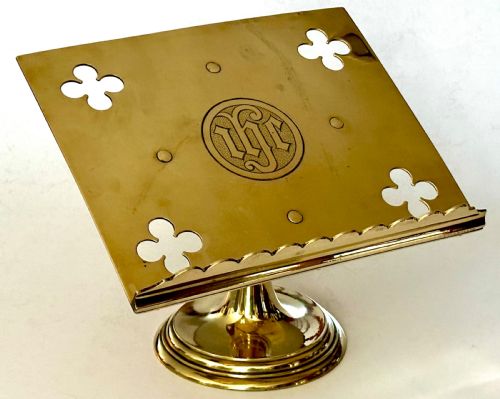


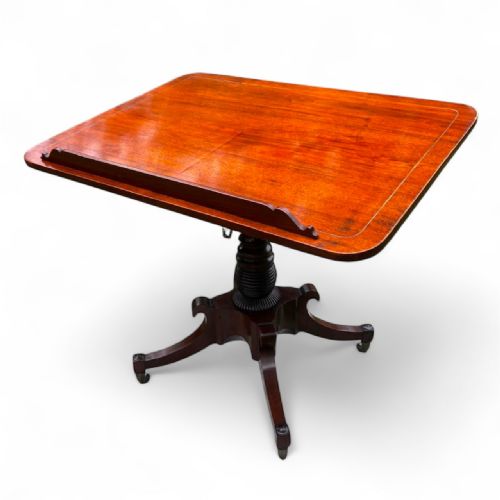
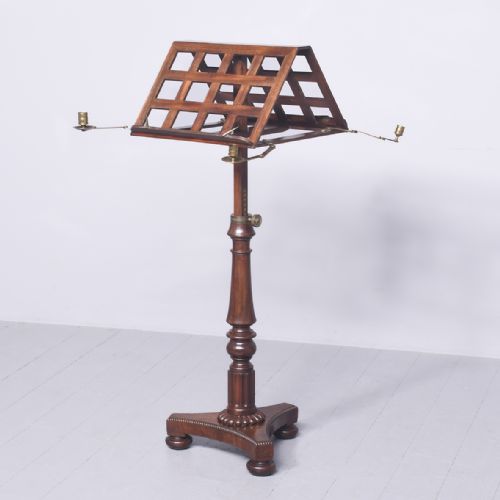

Vintage Brass Lectern
These vintage brass lectern pieces offer robust adjustable function and rich period character, making them essential for a serious library or music room.
Vintage Brass Lectern
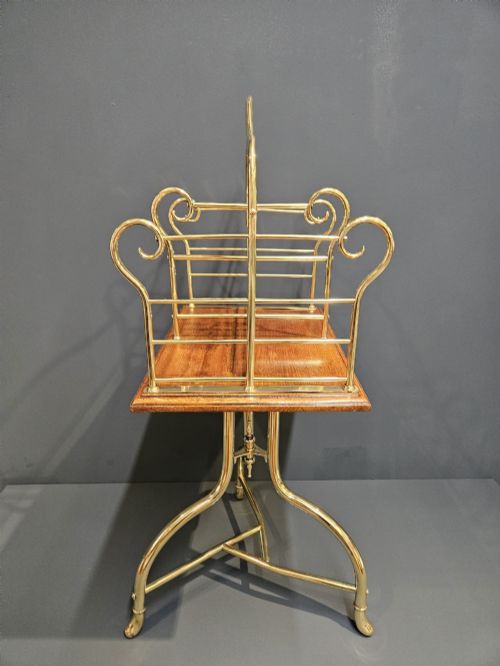
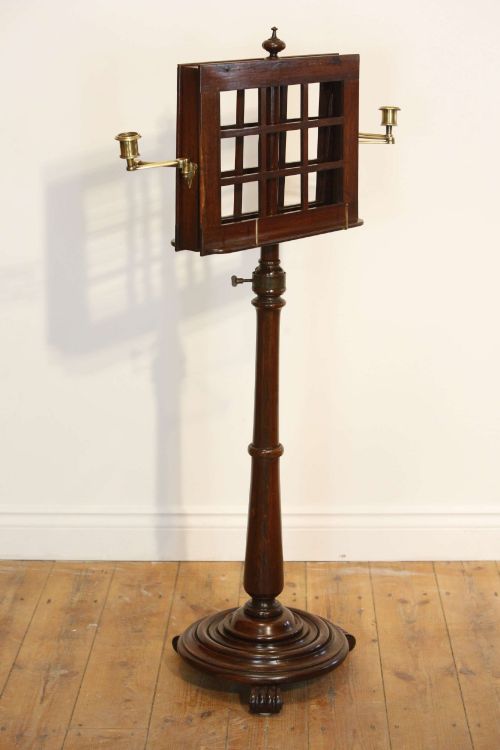
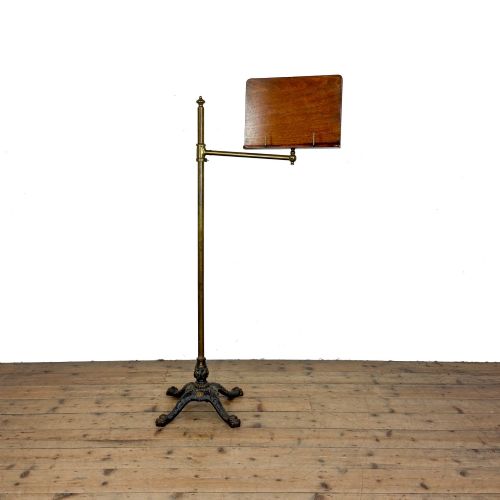
Most pieces combine brass mechanisms with woods such as mahogany, oak, and walnut, frequently incorporating adjustable heights and reading angles. You will encounter straightforward brass lecterns alongside sophisticated music stands and combined reading tables originating from the nineteenth and early twentieth centuries.
Materials and construction
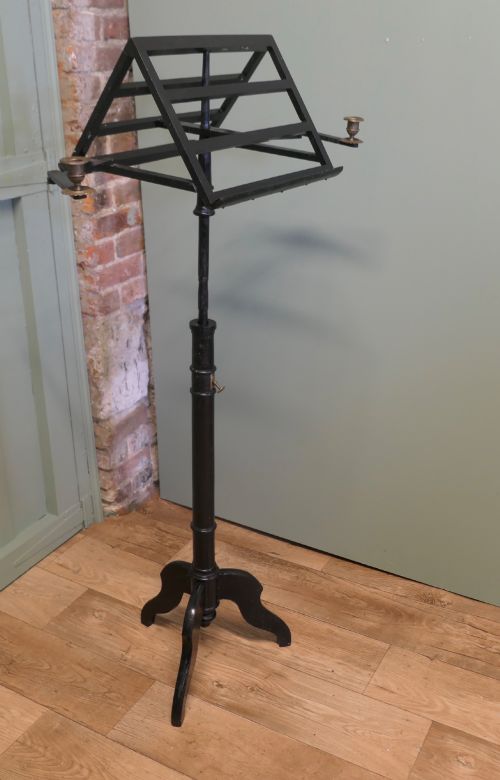
Makers utilised cast and polished brass primarily for adjustable stems, ratchets, candle arms, and binding mounts, pairing the metal with dense hardwoods like oak, mahogany, and walnut. Ebonised wood and burr walnut also appear, providing dark contrasting surfaces and decorative grain patterns.
Joinery techniques ranged from traditional cabinet making for writing boxes and music tables to specialised engineering for the brass rise-and-fall rods and tilting mechanisms. Inlays of brass and fitted leather surfaces completed pieces intended for rigorous daily use in libraries, drawing rooms, and churches.
Vintage Brass Lectern Retail Price Guide 2026
Typical asking prices for vintage brass lectern among the pieces listed under this phrase on Sellingantiques today, from the lower quarter to the upper quarter. They describe what is for sale here now, not the wider market.
Listings feature adjustable music stands and reading slopes spanning from the nineteenth century through the interwar period, combining brass with oak, mahogany, and walnut.
Judging quality in a vintage brass lectern
Quality depends heavily on the complexity and smoothness of the adjusting mechanisms, where superior examples offer effortless height and angle changes without slipping. Finely cast brass components with crisp detailing contrast sharply with simpler, mass-produced fittings.
The choice of timber and secondary materials dictates the upper tier of the range, marked by figured mahogany, solid oak, or burr walnut rather than plain secondary woods. Original patination on both the brass and the wood remains paramount, showing consistent age rather than over-restoration.
Harrods
The Vintage Brass Lectern Glossary
- Lectern
- A reading desk with a slanted top, designed to hold a book or speech for a standing reader. These often feature adjustable stems and brass fittings.
- Reading Stand
- A piece of furniture built to support books at a comfortable viewing angle, frequently adjustable for height and tilt. They appear in oak, mahogany, and walnut.
- Duet Music Stand
- A wide music stand or lectern designed to accommodate two musicians reading from the same shared sheet of music. These often incorporate dual candle arms.
- Ebonised Wood
- Timber treated with a finish to imitate expensive ebony. This dark finish provides a stark contrast against polished brass fittings.
Vintage Brass Lectern: Frequently Asked Questions
What is a vintage brass lectern used for?
These pieces were originally designed to hold heavy volumes, sheet music, or correspondence at a readable angle for a standing or seated person. Today, they serve equally well in studies, kitchens, or living spaces as architectural display stands.
Their adjustable height and tilt mechanisms make them practical for modern reading habits, whether holding an open art book or supporting a tablet.
How do I adjust the height?
Most period examples rely on a central brass stem featuring a screw key, a thumb screw, or a sliding ratchet mechanism. Turning the key loosens the inner rod, allowing you to raise or lower the desk before tightening it securely.
Care should be taken to support the weight of the reading ledge with one hand while adjusting the brass mechanism with the other to prevent sudden drops.
Are these stands suitable for modern books?
The sturdy timber ledges and supportive brass lips on these stands are built to accommodate substantial volumes, from heavy folios to modern hardbacks. The adjustable angle allows you to find the correct viewing position for books of varying thickness.
They provide a stable platform that relieves the strain of holding heavy reference works or recipe books during extended use.
How do I date a brass lectern?
Dating relies on stylistic clues, such as the heavy classical proportions of Regency pieces, the Gothic Revival motifs of Victorian examples, or the clean lines of Arts and Crafts stands. The casting style of the brass and the choice of secondary timbers also help establish the period.
Earlier nineteenth-century pieces often feature hand-turned wooden components and heavier cast brass, whereas interwar items show sleeker manufacturing techniques.