






Vintage Brass Handle Weight
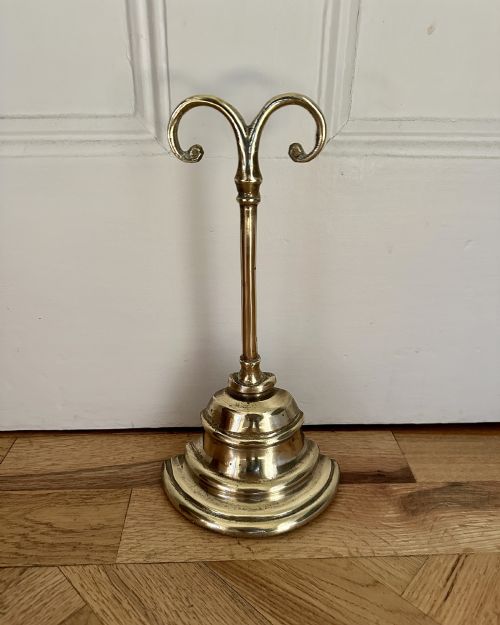
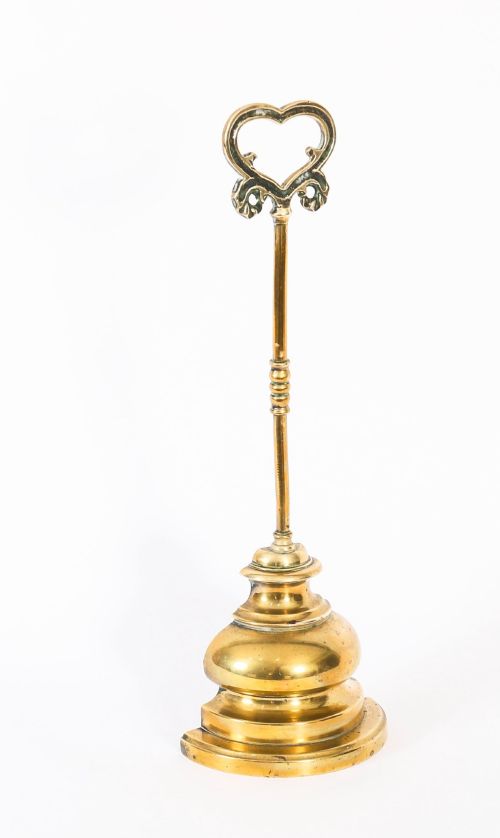
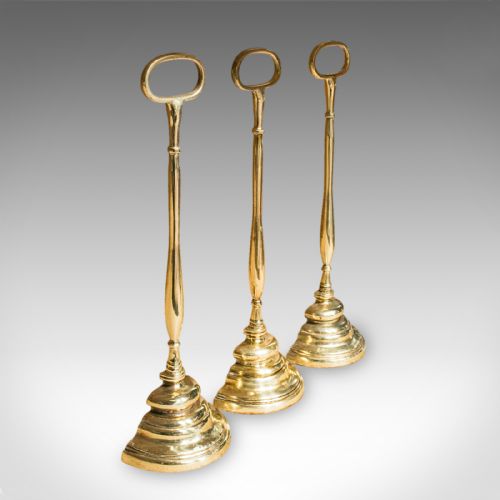
These vintage brass handle weight pieces are sturdy cast porters designed to hold doors open with heft and style.
Vintage Brass Handle Weight
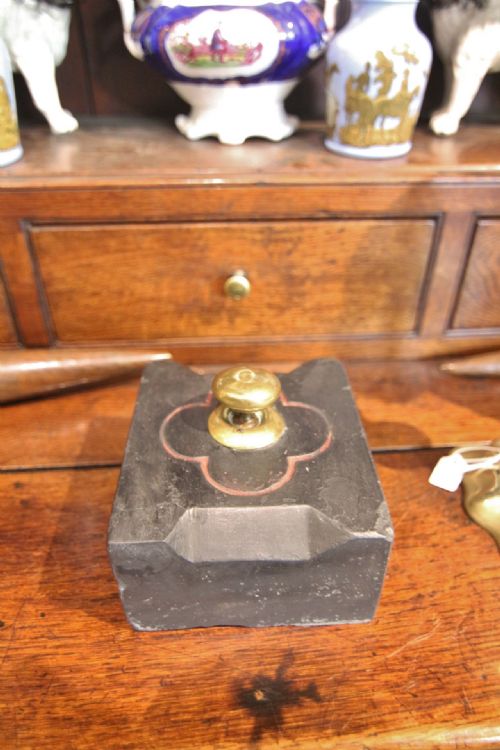
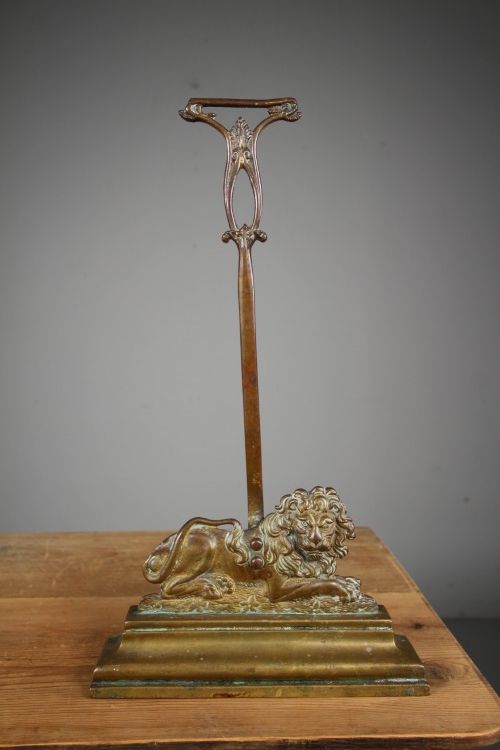
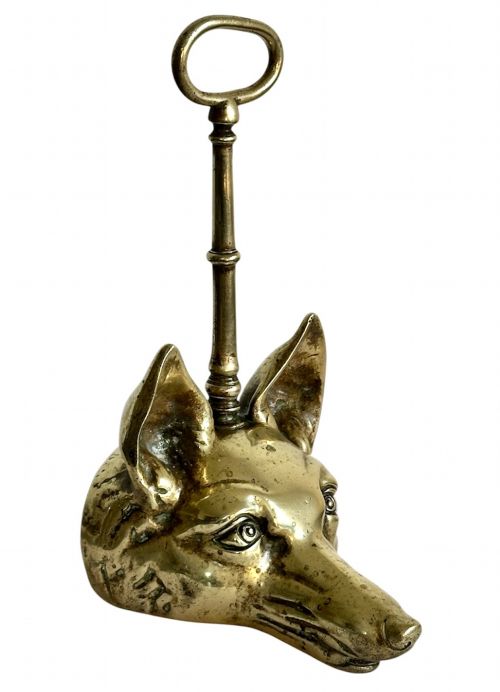
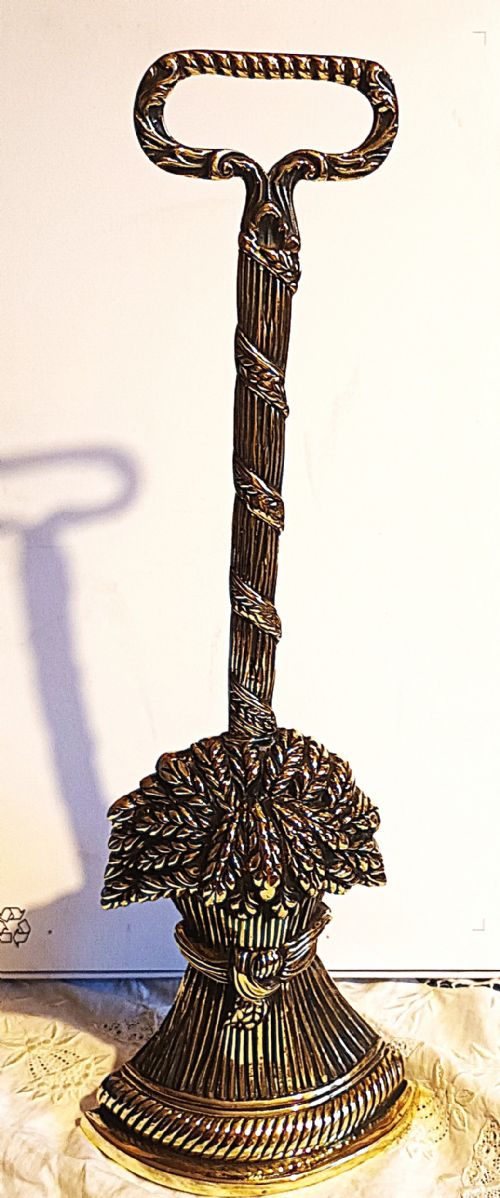
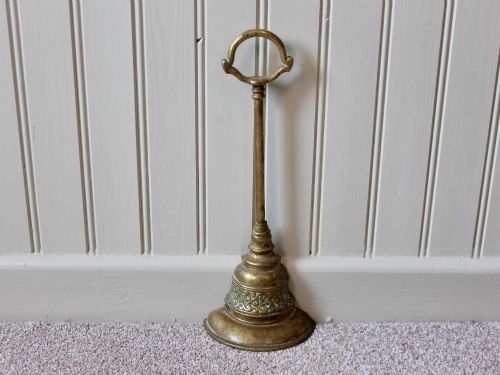
When you search for a vintage brass handle weight, you are looking at functional doorstops and porters designed to keep heavy interior doors ajar. These objects combine practical utility with decorative casting, often taking the form of animal figures, heraldic motifs, or classical shapes fitted with a convenient top handle.
You are most likely to meet Victorian and 19th-century examples on this page, alongside Edwardian and Georgian pieces. The assortment spans English and Dutch origins, featuring heavy cast brass and bronze constructions intended to move easily from room to room by their integrated handles.
How they were made
Foundry workers produced these items primarily through sand casting in brass or bronze, pouring molten metal into moulds formed from patterns. This method allowed makers to achieve sharp details in sculptural elements like lion masks, foxes, and cherubs.
Many heavy examples incorporated lead or iron weighting inside or on the base to increase stability. Artisans then finished the surfaces through filing and polishing, sometimes leaving darker patinas in the recesses to accentuate the cast relief.
Vintage Brass Handle Weight Retail Price Guide 2026
Typical asking prices for vintage brass handle weight among the pieces listed under this phrase on Sellingantiques today, from the lower quarter to the upper quarter. They describe what is for sale here now, not the wider market.
Foxes, lions, and cherubs stand guard on these heavy metal doorstops, ready to hold doors open across the centuries.
What varies in quality
Proportion and balance also set pieces apart, as superior items integrate the handle cleanly into the overall silhouette rather than treating it as an afterthought. The weight distribution determines how securely the porter holds a heavy door against a draught.
William Tonks
The Vintage Brass Handle Weight Glossary
- Door porter
- A heavy movable doorstop fitted with a handle at the top for lifting. This term is frequently used interchangeably with doorstop in older catalogues.
- Sand casting
- A traditional metalworking process where a pattern is pressed into sand to create a mould for molten brass. This technique creates the textured surfaces characteristic of period metalwork.
- Patina
- The surface sheen and colour acquired by metal through age and handling. Collectors value a natural patina for the depth it adds to the appearance of the piece.
- Weighted base
- An internal or applied mass of lead, iron, or extra metal that lowers the centre of gravity. This addition ensures the porter can hold open heavy doors securely.
Vintage Brass Handle Weight: Frequently Asked Questions
What is a door porter?
A door porter is a heavy, movable doorstop designed to keep interior doors open by sheer weight alone. Unlike fixed wedges, a porter includes an upright handle so you can pick it up and move it easily.
Most examples feature solid brass or bronze construction over a weighted core. Their substantial heft prevents heavy wooden doors from swinging shut in draughty hallways.
How do I date a brass doorstop?
Dating relies on stylistic clues from periods such as the Georgian, Regency, Victorian, and Edwardian eras. Classical motifs and restrained lines usually point towards earlier Regency or Georgian dates.
Heavier ornamentation and naturalistic animal figures like lions and foxes became particularly popular during the Victorian period. Examining the casting texture and wear on the base also helps establish age.
Are these pieces solid brass?
Many items are cast in solid brass or bronze, giving them considerable weight. However, some pieces incorporate internal lead or iron weighting to increase their heft without requiring a larger solid metal casting.
Foundries often combined materials to achieve the necessary mass for holding heavy doors while maintaining a bright brass exterior. This construction method ensures durability during everyday use.
How should I clean my door porter?
Maintenance generally requires only a soft cloth to remove dust and preserve the existing surface character. Harsh metal polishes can strip away desirable aged patinas that collectors prefer to keep intact.
If cleaning is necessary, mild soap and water applied with care will remove grime without altering the metal surface. Keeping the base clean prevents any scratching on polished wooden floors.