


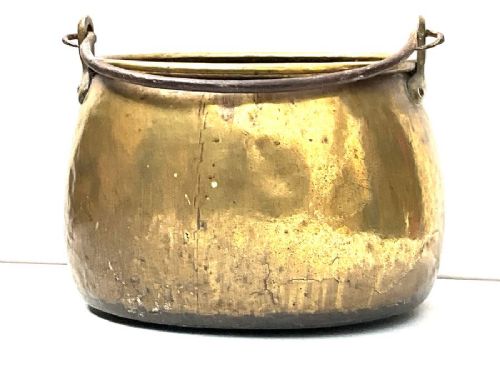


Vintage Brass Handle Pan
These vintage brass handle pan pieces combine heavy metal utility with fireside charm, offering warmth and character to traditional interiors.
Vintage Brass Handle Pan
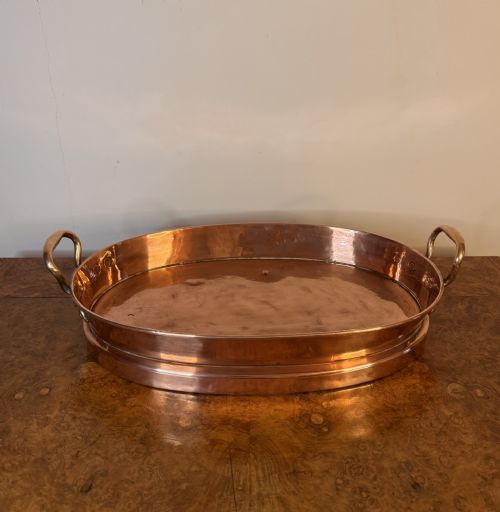
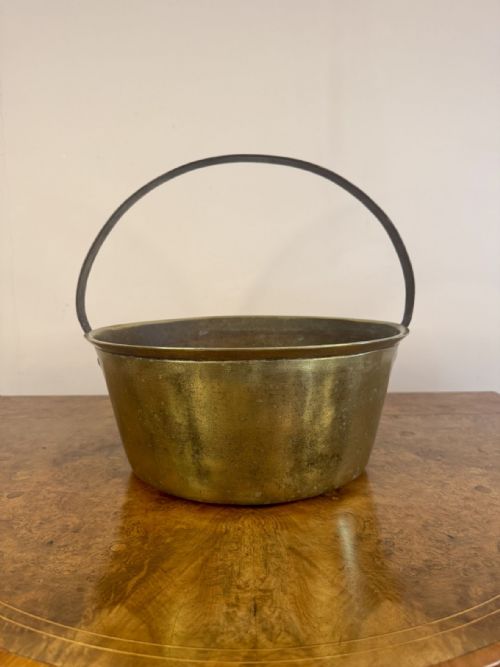
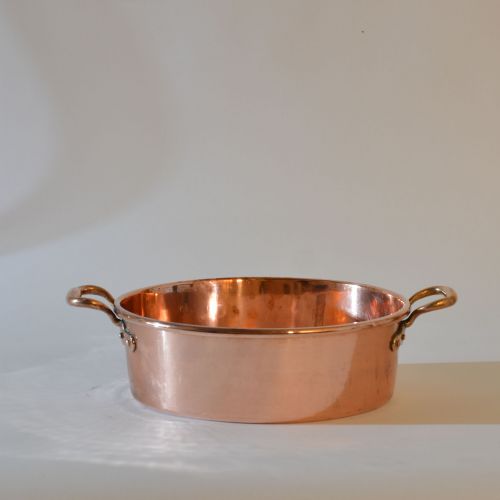
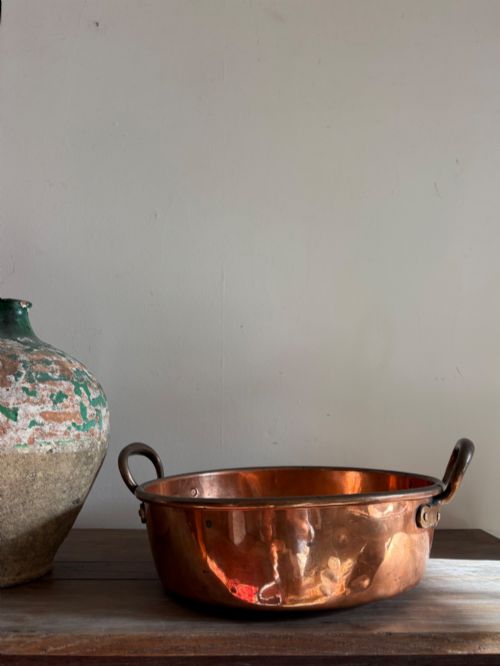
A vintage brass handle pan covers utilitarian vessels and hearth accessories shaped by centuries of domestic use. Buyers seeking a vintage brass handle pan encounter heavy metal cookware and fireside pieces hailing from Georgian, Victorian, and Arts and Crafts periods.
The selection ranges from large preserve pans and jam pails to warming pans, skillets, and chestnut roasters. These kitchen and hearth items demonstrate practical historic forms constructed for daily domestic labour.
How they were made
These items rely on combinations of copper, brass, iron, and wrought iron formed into durable vessels. Metalworking techniques involve heavy casting and riveting to secure sturdy handles to thick bodies.
Makers utilised wood for specific insulating components on handles where appropriate, while retaining metal for structural strength. The construction prioritises heavy gauge metal capable of withstanding open fires and intense kitchen use.
Vintage Brass Handle Pan Retail Price Guide 2026
Typical asking prices for vintage brass handle pan among the pieces listed under this phrase on Sellingantiques today, from the lower quarter to the upper quarter. They describe what is for sale here now, not the wider market.
Listings feature pieces spanning the eighteenth, nineteenth, and early twentieth centuries, constructed from brass, copper, iron, and wood.
What varies in quality
Quality rests in the thickness of the metal plate and the robustness of the handle attachments. Heavier gauge vessels command attention for their substantial weight and enduring structural integrity.
Proportion and surface finish distinguish standard utilitarian kitchenware from finer display pieces. Subtle hand-beating marks and secure riveting demonstrate superior craftsmanship across older examples.
The Vintage Brass Handle Pan Glossary
- Preserve pan
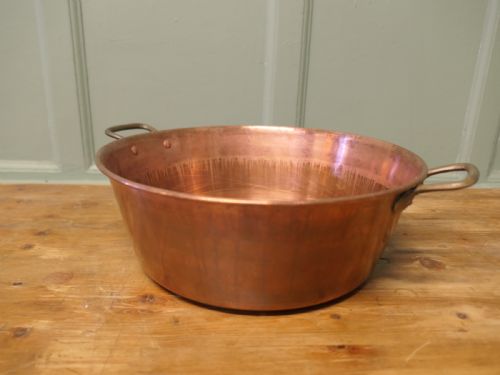
- A wide, deep vessel designed for boiling fruit and sugar, typically featuring robust metal handles for lifting heavy loads. These pans often utilise heavy copper or brass construction.
- Warming pan
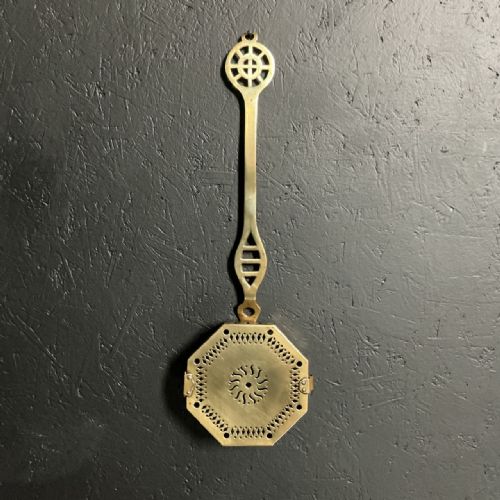
- A covered metal pan attached to a long handle, used historically to warm beds with hot coals. Examples frequently incorporate pierced brass lids with engraved decoration.
- Chestnut roaster
- A specialised long-handled pan with a lidded compartment designed for roasting nuts over open hearth flames. They often feature perforated brass or iron bodies.
- Jam pail
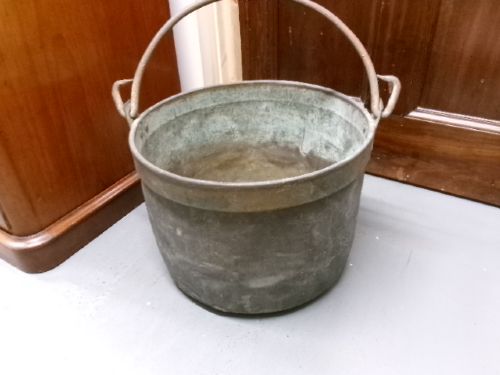
- A deep cylindrical vessel created for confectionery and jam making, usually fitted with a swinging metal handle. These pails display thick brass or copper walls.
- Skillet
- A short-legged metal cooking pot designed to stand directly in hearth embers. Georgian and Victorian versions combine brass bodies with iron handles.
Vintage Brass Handle Pan: Frequently Asked Questions
What were these brass handled pans used for?
Historic households utilised these heavy metal vessels for everyday cooking, boiling preserves, heating water, and warming beds by the hearth.
Their thick construction allowed them to withstand direct contact with open flames and hot coals during domestic chores.
How do I clean an old brass pan?
Warm soapy water and a soft cloth suffice for removing routine dust without disturbing the historic surface.
Avoid harsh abrasives or modern chemical polishes that strip away the aged patina accumulated over centuries.
Can I still cook with these vintage pans?
Most buyers acquire these pieces for decorative display, kitchenalia collections, or fireside accessories rather than daily culinary use.
Historic metalware often requires professional lining restoration if intended for direct food preparation today.
How do I tell a Georgian pan from a Victorian one?
Georgian examples often display simpler hand-beated construction and heavier iron fittings associated with open hearth cooking.
Victorian pieces frequently reflect more standardised manufacturing methods alongside specialised forms like jam pails and fish kettles.