


Vintage Brass Decor
Vintage brass decor brings industrial weight and warm metallic sheen into a room through items ranging from Georgian candlesticks to Victorian marine instruments.
Vintage Brass Decor
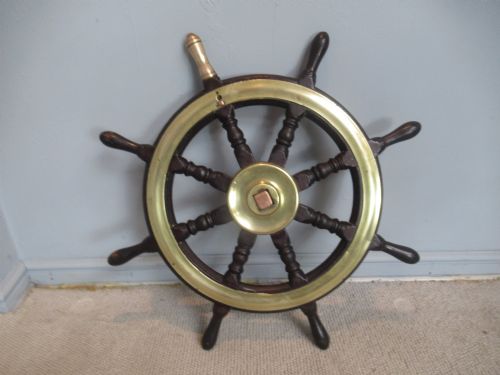
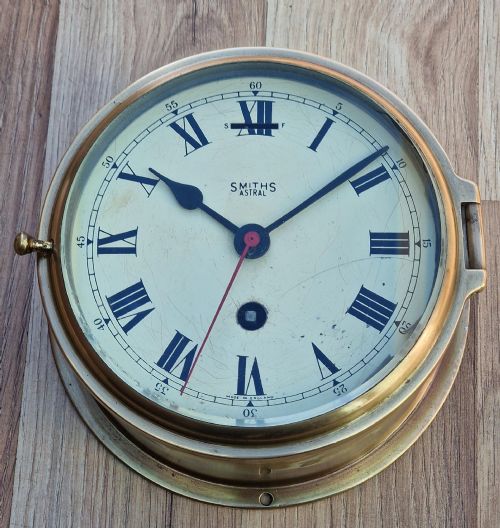
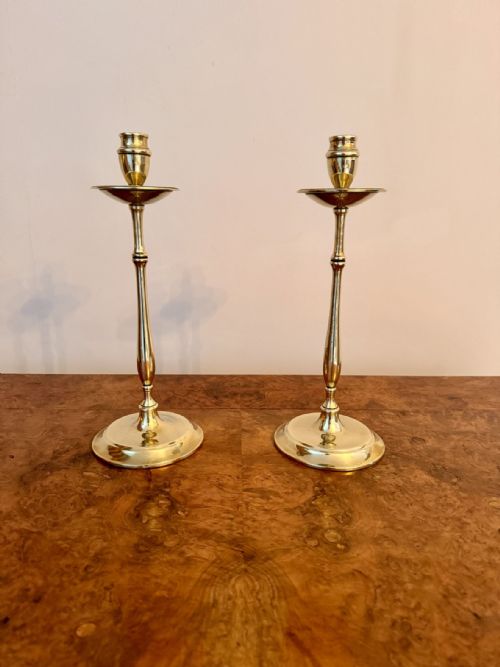
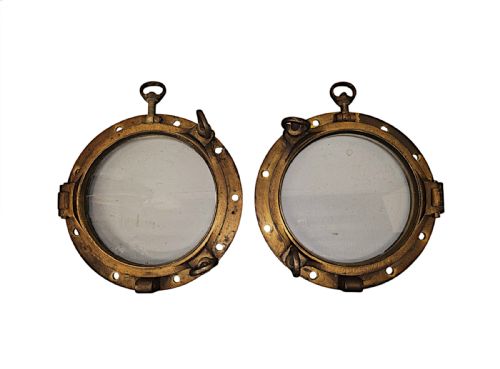
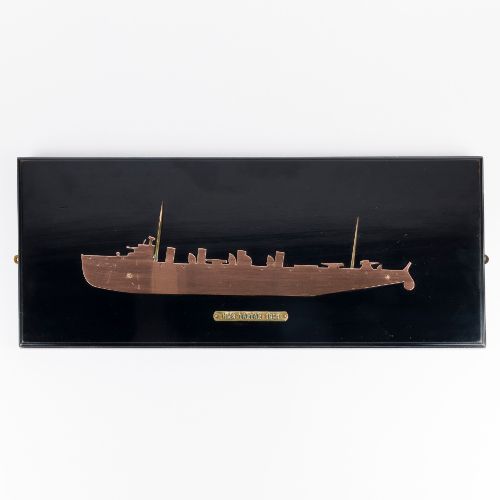
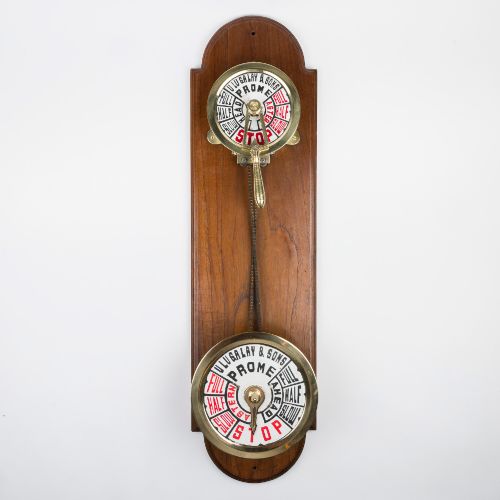
Vintage brass decor encompasses functional household items, scientific instruments, and decorative ornaments spanning the eighteenth, nineteenth, and early twentieth centuries. When searching for vintage brass decor, buyers encounter practical domestic objects such as ejector candlesticks, watering cans, and fireplace accessories alongside maritime items like ships clocks and port holes.
Domestic lighting accessories and fireplace furniture dominate the offerings, reflecting the heavy reliance on cast and turned metalwork in period homes. Alongside these practical household goods appear specialised items including pocket microscopes, dairy cream cans, and ceremonial camel saddles.
How they were made
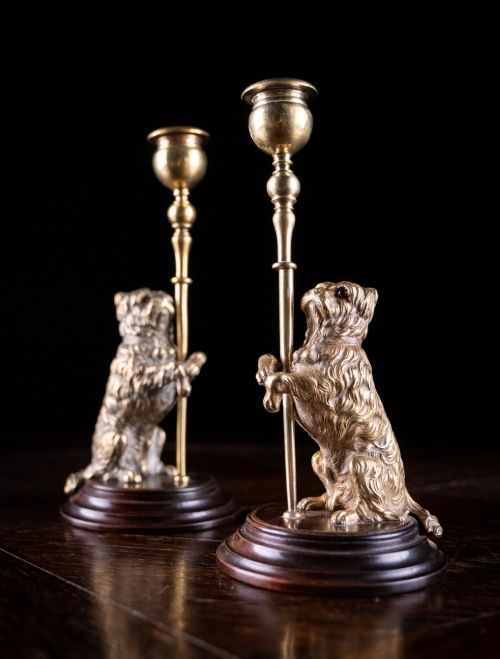
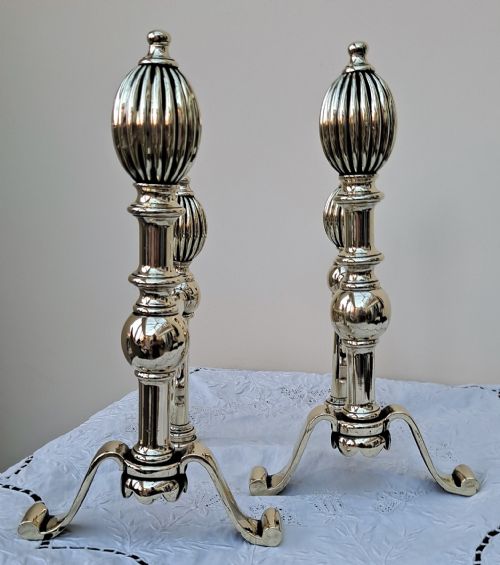
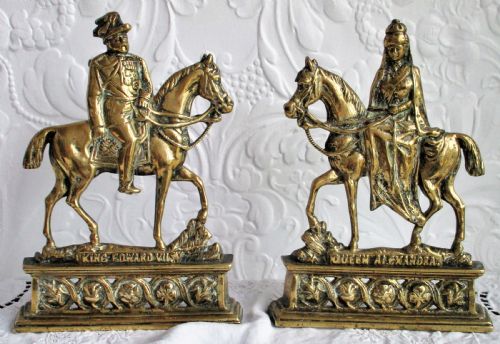
Makers utilised casting, spinning, and hammering techniques to shape copper alloy into durable domestic and decorative forms. Candlesticks and firedogs often display the clean lines of turned brass components joined securely, while ornate animal figures and mantel ornaments utilise detailed sand casting moulds.
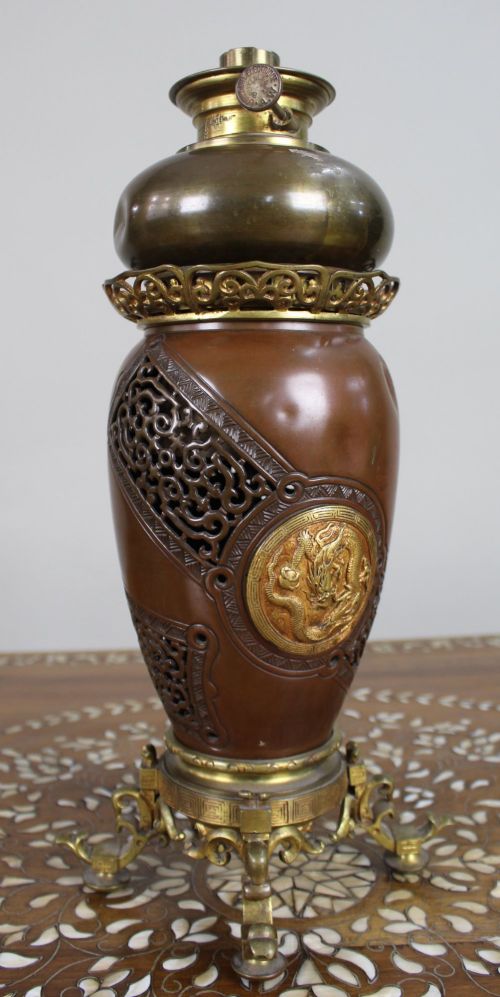
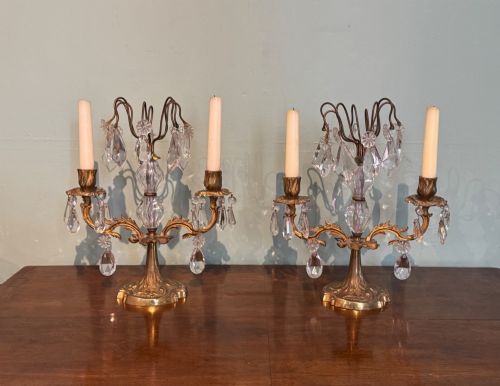
Many items integrate secondary materials such as oak, mahogany, glass, and leather to complement the bright metallic finish. Wooden barley twist stems support brass socket cups, and glass barrels or cut crystal components pair with metal mounts on lamps and table accessories.
Vintage Brass Decor Retail Price Guide 2026
Typical asking prices for vintage brass decor among the pieces listed under this phrase on Sellingantiques today, from the lower quarter to the upper quarter. They describe what is for sale here now, not the wider market.
Listings feature brass items from the 18th, 19th, and 20th centuries, combining metal with oak, mahogany, glass, and leather.
What varies in quality
The distinction between ordinary production items and finer examples rests upon the crispness of surface casting, the weight of the metal, and the integrity of assembly. Superior pieces exhibit sharp relief on decorative motifs, smooth turning marks on cylindrical parts, and heavy gauge brass that resists bending during daily use.
Age and original context dictate the refinement of finish, where surviving items retain hand-filed seams, well-fitted hinges on boxes, and authentic patination accumulated through decades of handling. Lower grades show uniform modern stamping or poorly matched replacement parts that disrupt the historical cohesion of the object.
Smiths Astral·Ulugary And Sons·Geographia·Welfords Surrey Dairy
The Vintage Brass Decor Glossary
- Ejector candlestick
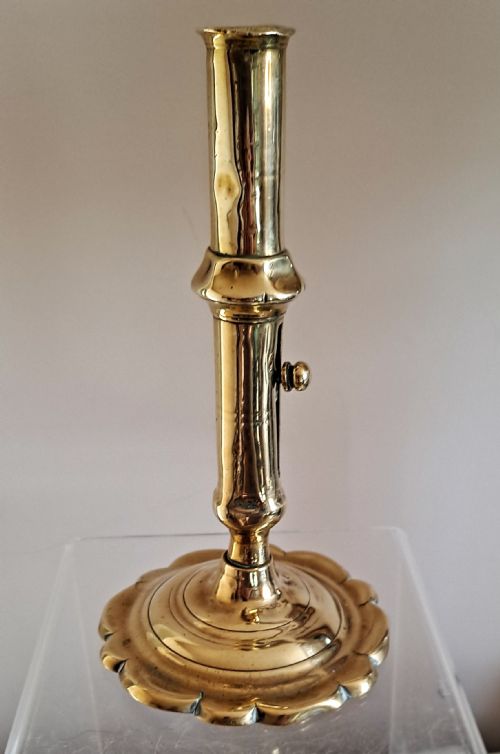
- A brass candlestick fitted with an internal spring-loaded mechanism or sliding button to push out the remaining stub of a wax candle.
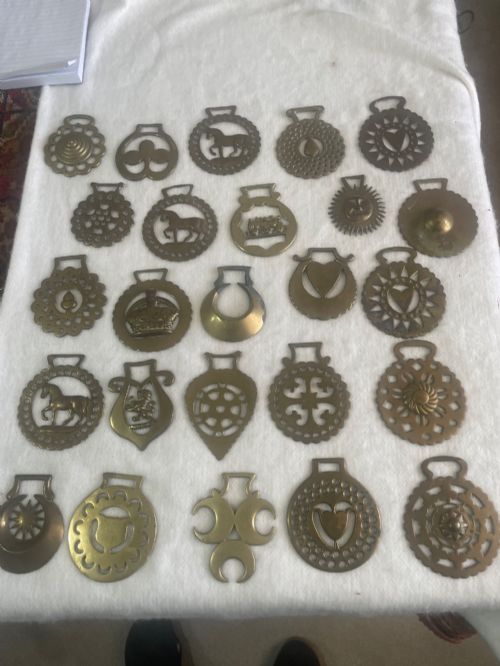
- Horse brass
- A polished brass plaque or amulet traditionally mounted on heavy horse harness straps for decorative and protective purposes during the nineteenth century.
- Andiron
- One of a pair of horizontal metal supports used to hold logs in an open fireplace, frequently featuring cast brass decorative fronts.
- Port hole
- A heavy brass marine window frame designed to be bolted securely into the side of a ship's hull to admit light and air.
- Coaching horn
- A long, straight brass or copper horn sounded by guards on horse-drawn mail and stagecoaches to signal their approach.
Vintage Brass Decor: Frequently Asked Questions
Are these brass items solid or plated?
The majority of pieces listed are constructed from solid cast or sheet brass rather than thin modern plating. Heavier items such as candlesticks, fireplace dogs, and marine fittings rely on substantial metal thickness for structural stability.
Checking the weight and underside of an object often reveals the solid nature of the alloy. Cast pieces frequently show rough sand texture or hand-finished filing marks on unpolished interior surfaces.
How can I date antique brass pieces?
Dating relies on manufacturing techniques, fastening methods, and stylistic cues specific to periods like the Georgian, Victorian, or Edwardian eras. Hand-cut threaded screws, seamed construction, and maker signatures offer reliable chronological markers.
Comparing the design motifs against documented examples helps narrow down the decade of production. Wear patterns around handling points also provide clues to an object's age and frequency of use.
Can I use antique candlesticks daily?
Period candlesticks remain fully functional for holding standard taper candles in modern settings. Ensure the socket diameter matches your candle size and place a protective barrier underneath to catch stray wax drips.
Inspect the base stability and upright alignment before lighting any candle to prevent tipping. Regular handling will maintain the soft sheen without requiring aggressive polishing.