

Vintage Brass Coat Pegs
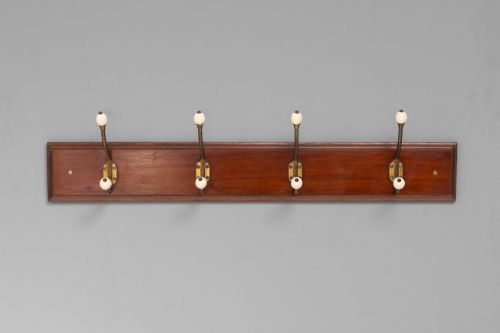
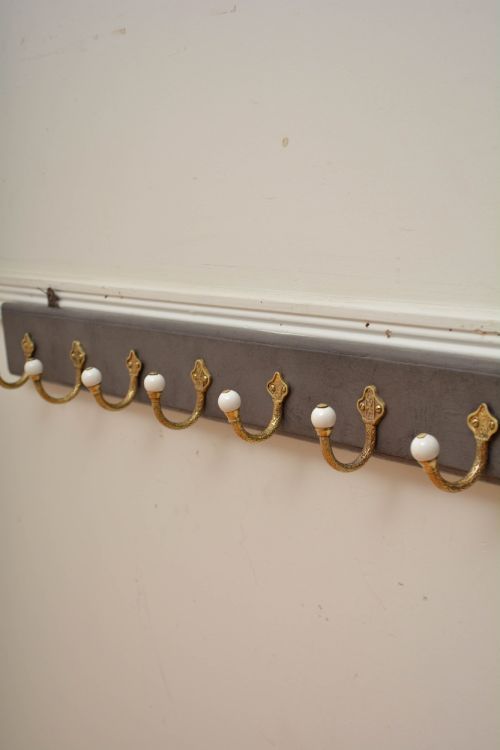
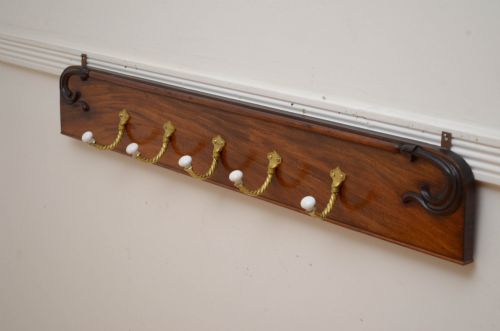
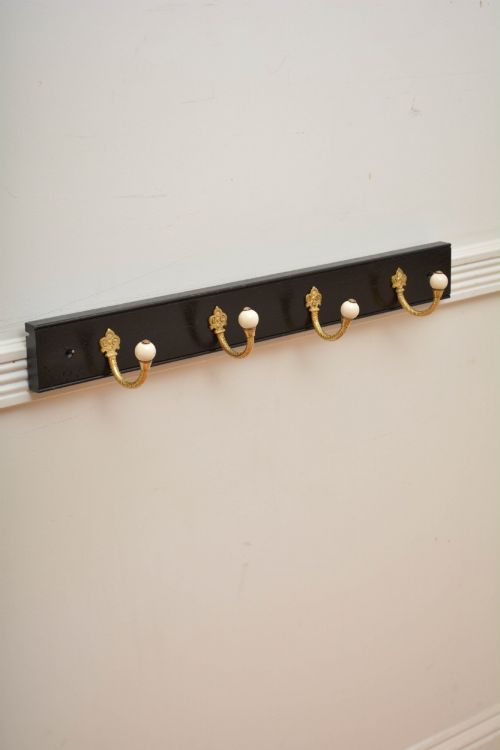
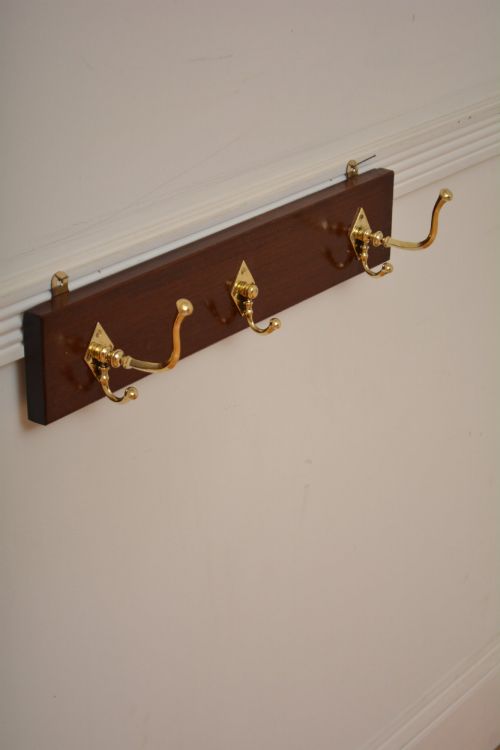
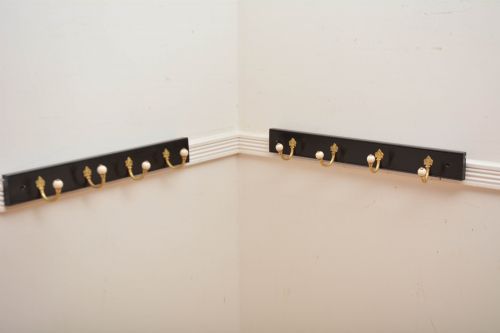
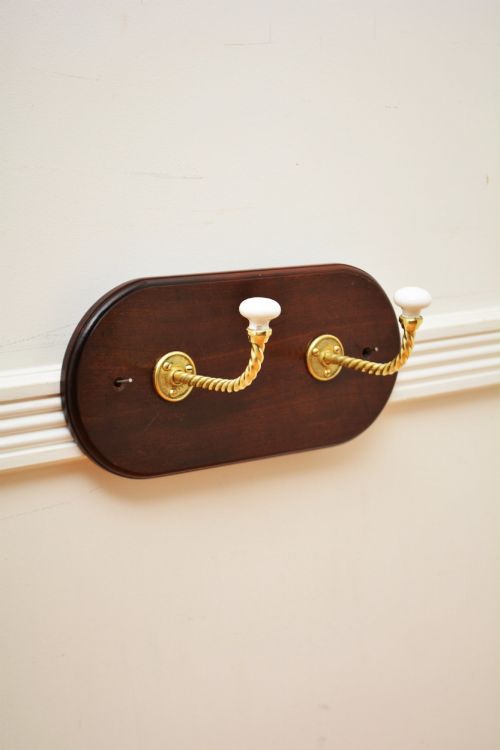
These vintage brass coat pegs are sturdy domestic hardware designed to organise garments, appearing most frequently mounted on period timber backboards.
Vintage Brass Coat Pegs
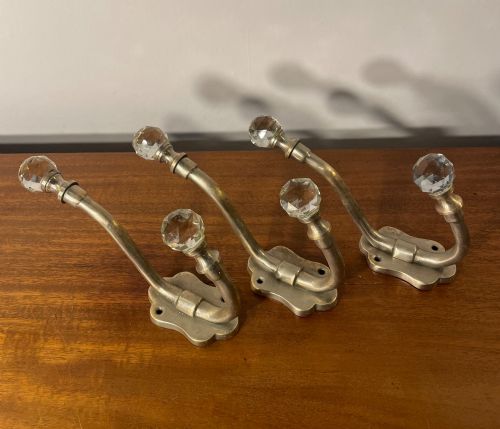
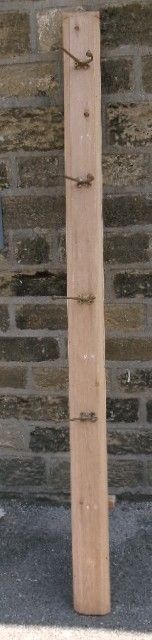
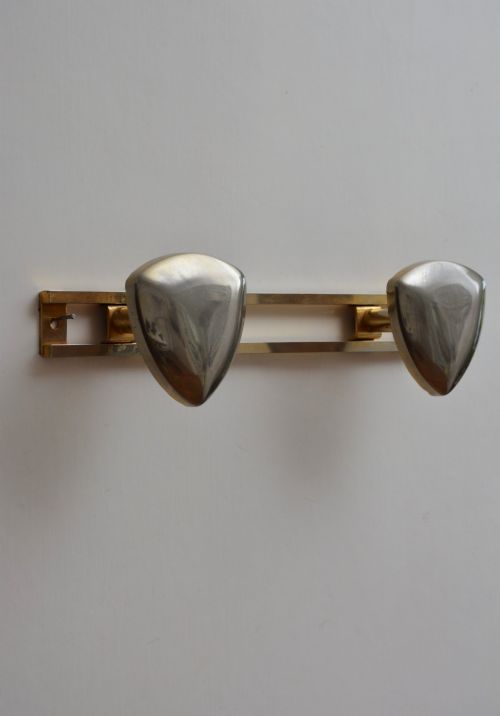
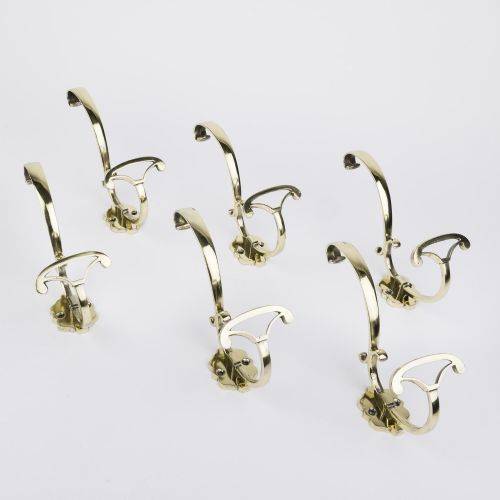
When buyers search for vintage brass coat pegs, they find functional hallway fittings designed to hold outerwear and hats securely. The versions most likely to appear on this page are single hooks, pairs, or complete racks featuring several brass hooks mounted on wooden backboards.
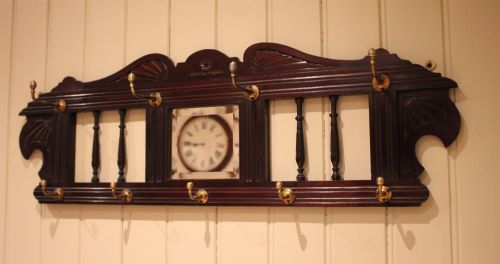
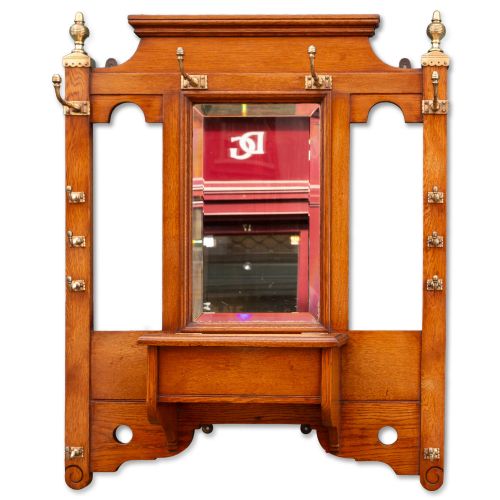
The pieces span various historic periods including the Victorian era, late nineteenth century, and early twentieth century. Common formats range from simple wall-mounted hooks to elaborate coat racks combined with mirrors, trays, or barometer attachments.
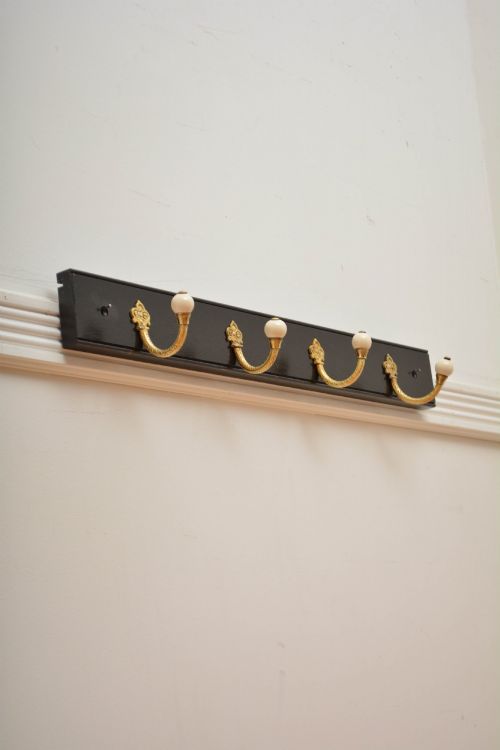
Backboards utilise woods such as mahogany, oak, ebonised wood, and pine to support the metalwork. Styles stretch from restrained Victorian designs to ornate French bronze castings and geometric Art Deco shapes.
Assessing quality and craftsmanship
Quality shows in the weight and crispness of the brass casting, where finer examples display sharp relief and carefully chased details rather than soft edges. The quality of the mounting plates and the proportion of the backboard contribute significantly to the overall presence of the piece.
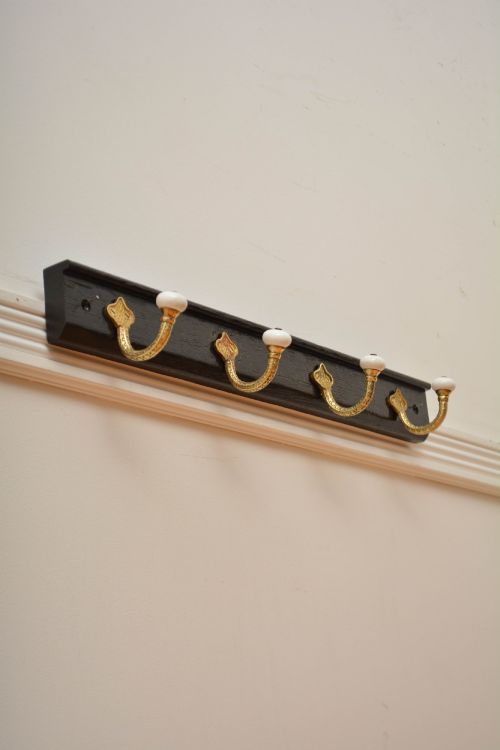
The choice of timber on the backboard also distinguishes standard utilitarian examples from more decorative pieces. Solid mahogany or ebonised oak with cleanly bevelled edges indicates superior workshop production.
Listings feature brass, bronze, and gilt metal hooks attached to mahogany, oak, pine, and ebonised wood backboards.
The Vintage Brass Coat Pegs Glossary
- Cast brass
- Molten alloy poured into a mould to create solid hook forms with durable structural integrity. This method allows for intricate decorative patterns on the mounting plates.
- Ebonised wood
- Timber treated with a dark finish to imitate expensive ebony. This technique was popular in Victorian joinery to provide high contrast against polished brass fittings.
- Backboard
- The horizontal timber plank that supports a set of coat hooks and secures to the wall. It distributes the weight of heavy garments evenly across multiple fixing points.
- Aesthetic Movement
- A late nineteenth-century design style focusing on visual beauty rather than narrative or moral function. Pieces from this movement often utilise stylised forms and contrasting materials.
- Chased brass
- Metal decorated by hammering or punching lines into the surface from the front. This manual process adds texture and pattern to plain cast components.
Vintage Brass Coat Pegs: Frequently Asked Questions
How do I mount a coat rack securely?
Heavy timbers and solid brass hooks require firm wall fixings to bear the weight of winter garments.
Use appropriate wall plugs and screws matched to the existing mounting holes in the backboard.
Can I polish vintage brass hooks?
Brass fittings accumulate a natural dark oxidation over decades of exposure to air and handling.
Gentle cleaning with a soft cloth preserves the historic surface patina preferred by many collectors.
What woods were used for backboards?
Victorian and Edwardian makers selected durable domestic and imported timbers for strength.
Common choices visible on this page include mahogany, oak, ebonised wood, and pine.
How do I date a coat rack?
Dating relies on observing the combination of materials, screw types, and decorative style.
Victorian pieces often feature ceramic or porcelain finials, while later twentieth-century items show simpler metal profiles.