
Vintage Brass Castor Table
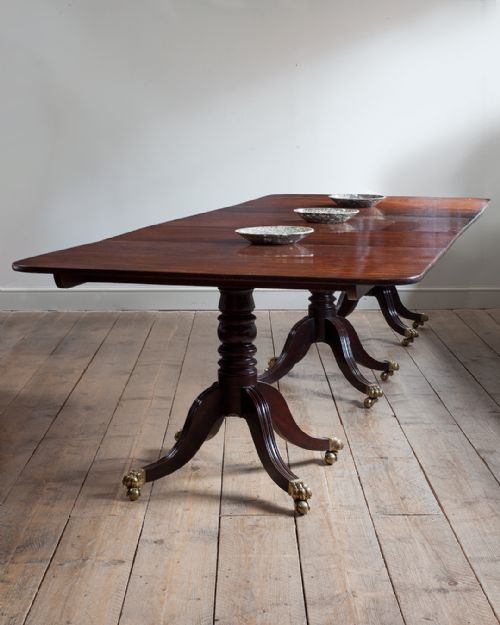
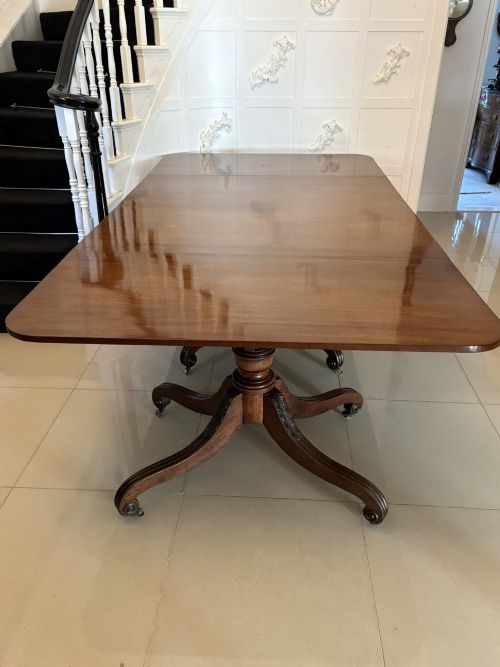
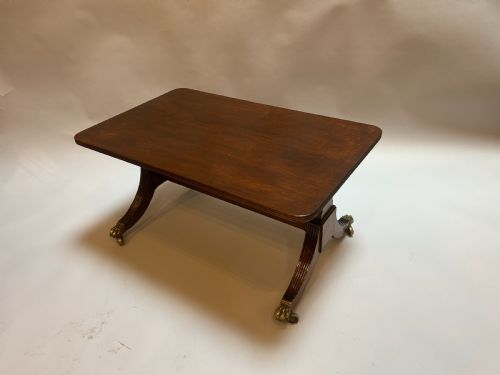
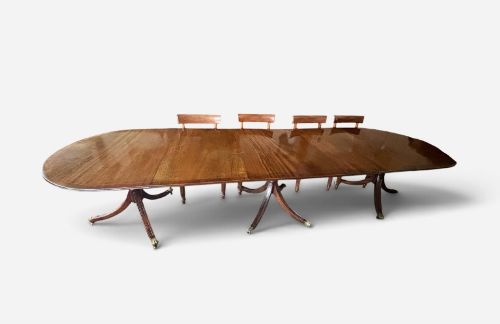
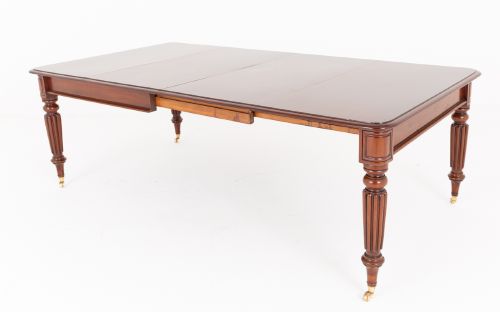
A vintage brass castor table brings mobility and classic timber work to a room, moving smoothly on small metal wheels.
Vintage Brass Castor Table
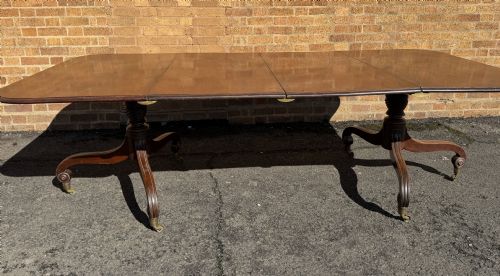
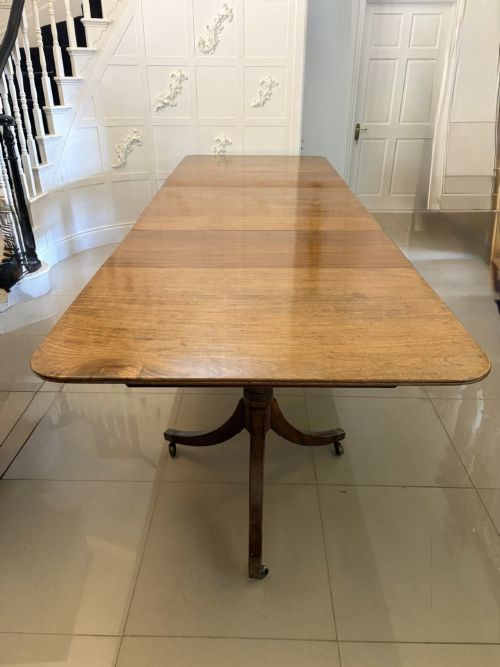
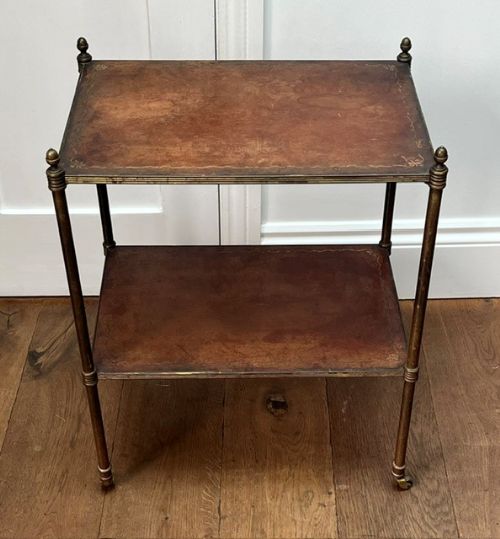
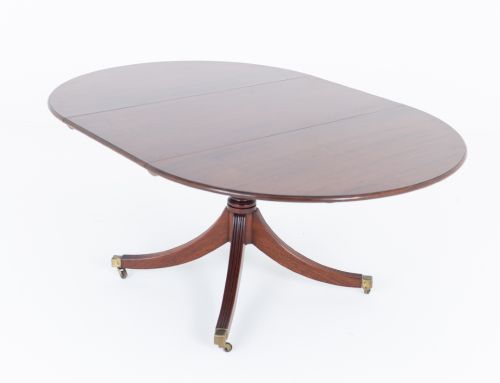
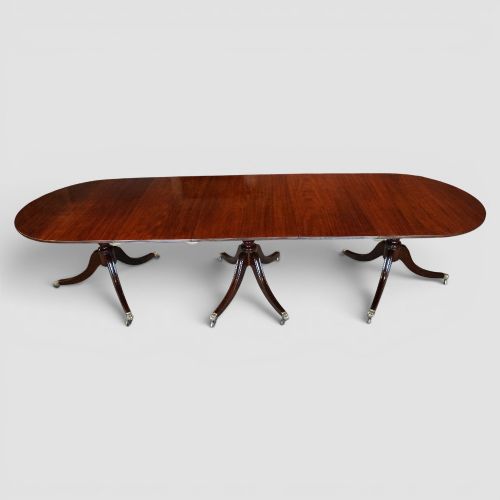
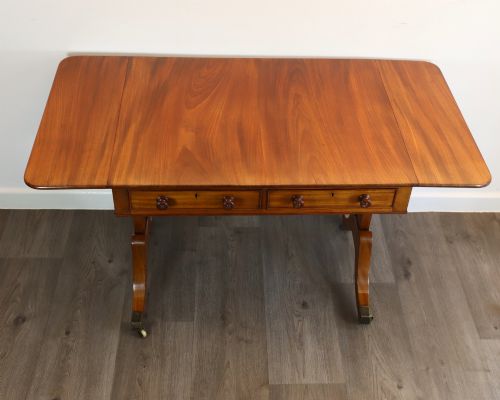
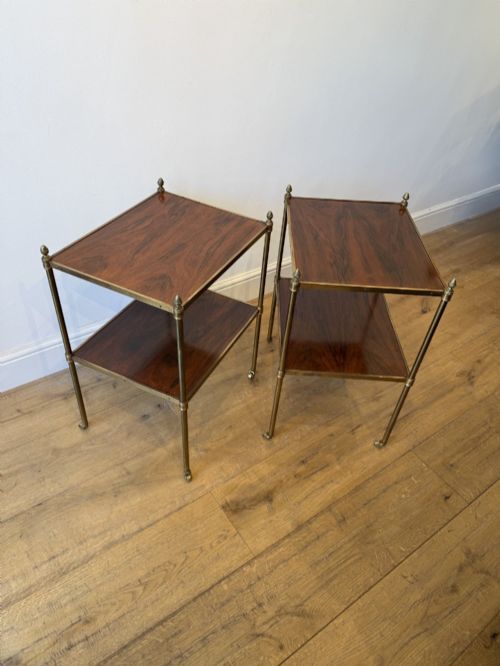
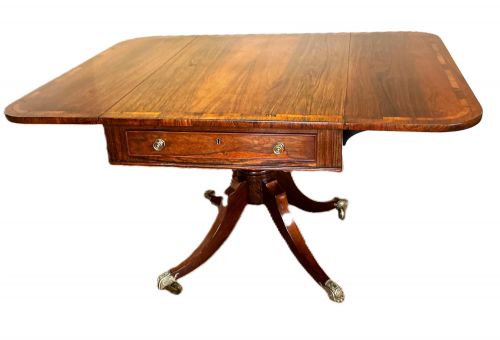
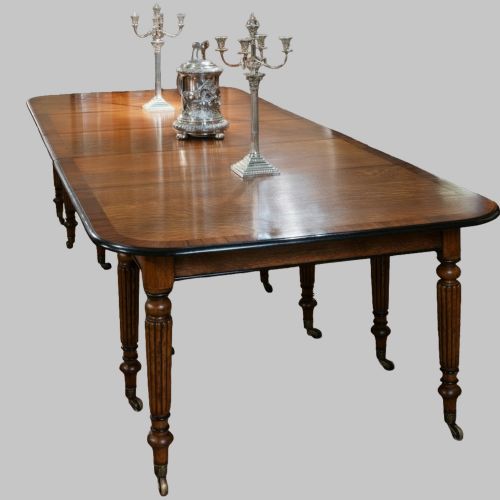
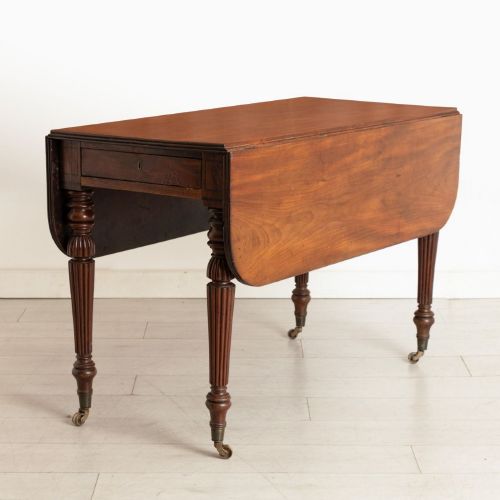
A vintage brass castor table covers a broad sweep of dining tables, occasional pieces, sofa tables, and desks spanning the Georgian, Victorian, and Edwardian eras into the early twentieth century. When exploring a vintage brass castor table, buyers frequently encounter mahogany dining and Pembroke tables alongside smaller etageres and occasional furniture built in revival styles.
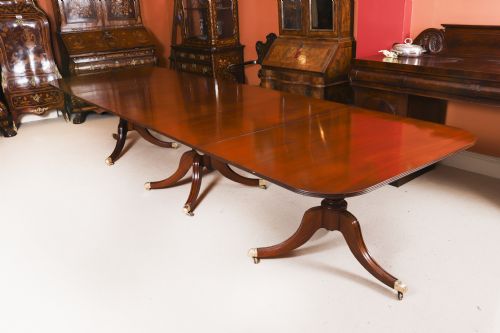
The selection ranges from large multi-pillar extending dining tables down to compact coffee tables, lamp tables, and writing desks. Most examples lean on Regency and Georgian design principles, utilising timber frames raised on wheel castors for easy repositioning.
Materials and Technique
Makers relied primarily on solid and veneered mahogany, rosewood, satinwood, and oak, often incorporating leather top inserts, wood inlay, and fabric details. Frames were joined using traditional cabinet-making methods to support daily use across dining rooms and libraries.
Brass formed the functional hardware, appearing as castors on table feet and occasionally as structural tiers or frames on etageres and occasional tables. Lacquered finishes protected the metalwork while polished timber surfaces highlighted the grain of the wood.
Listings feature pieces spanning the Georgian, Victorian, Edwardian, and 1920s periods, constructed from mahogany, rosewood, satinwood, and oak.
Craftsmanship and Proportion
Quality rests in the selection of figured timber veneers, the crispness of any inlay work, and the structural integrity of the pillar supports or leg joints. Superior pieces exhibit balanced proportions and clean joinery that withstands the strain of extending leaves or daily writing use.
Hardware execution also divides standard pieces from exceptional ones, particularly the weight and casting quality of the brass castor wheels and mounts. Original fittings and well-preserved timber patination elevate the standing of any table.
Whytock and Reid·Andrew Thomson and Sons
The Vintage Brass Castor Table Glossary
- Castor
- A small wheel mounted on a swivel attached to the foot of a table leg to allow easy movement.
- Pembroke table
- A small occasional table featuring two hinged drop leaves on opposite sides.
- Pedestal table
- A table supported by a central pillar or multiple pillars rather than four corner legs.
- Etagere
- An open multi-tiered piece of furniture used for displaying or holding small objects.
- Inlay
- A decorative technique where contrasting pieces of wood or other materials are inserted into a recessed surface.
Vintage Brass Castor Table: Frequently Asked Questions
What is a vintage brass castor table?
It is a movable table fitted with small metal wheels, spanning dining, occasional, and writing formats from the nineteenth and early twentieth centuries.
These pieces use timber frames like mahogany or rosewood, paired with brass fittings that allow the furniture to glide across floor surfaces.
How do I identify a Regency style table?
Regency style pieces typically feature clean classical lines, pillar supports, and dark timber grains such as mahogany or rosewood.
They often incorporate brass paw feet, stringing inlay, and balanced proportions derived from classical architecture.
Where were these tables used originally?
They served multiple roles in grand houses and parlours, functioning as dining surfaces, library writing desks, and tea tables.
Because they possessed castors, servants could easily rearrange them to suit dining, reading, or entertaining.
How do I care for a mahogany surface?
Mahogany benefits from dusting with a soft cloth and occasional treatment with appropriate beeswax to maintain the timber lustre.
Avoid placing the table in direct sunlight or near heat sources to prevent the wood from drying or warping.