





Vintage Brass and Copper Light
These vintage brass and copper light fixtures combine warm metallic tones with utility, offering character and period charm for modern interiors.
Vintage Brass and Copper Light
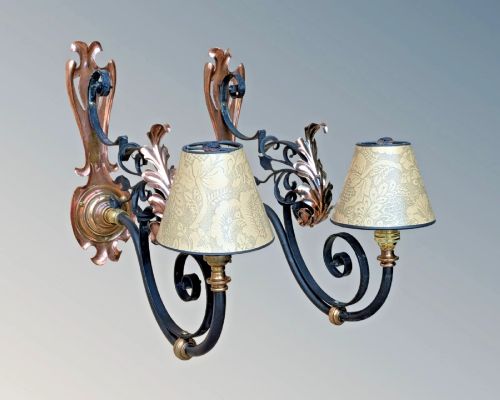
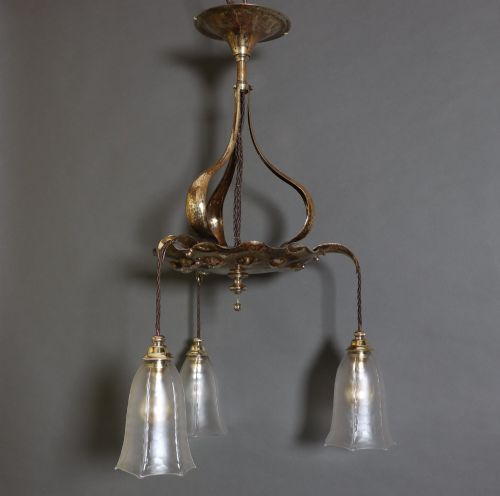
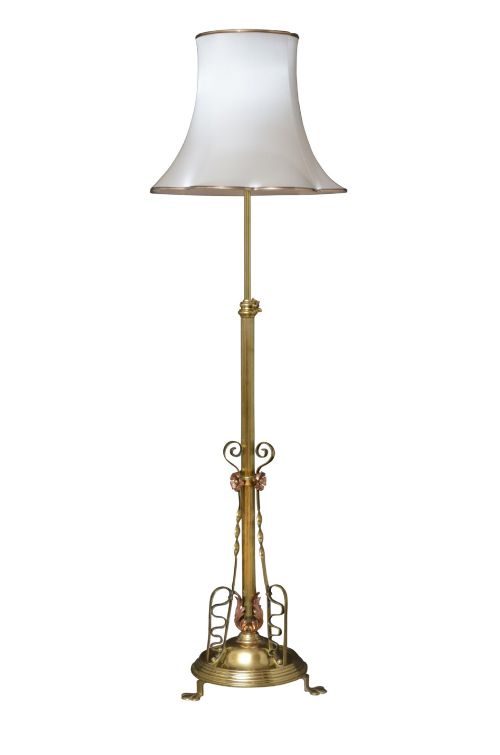
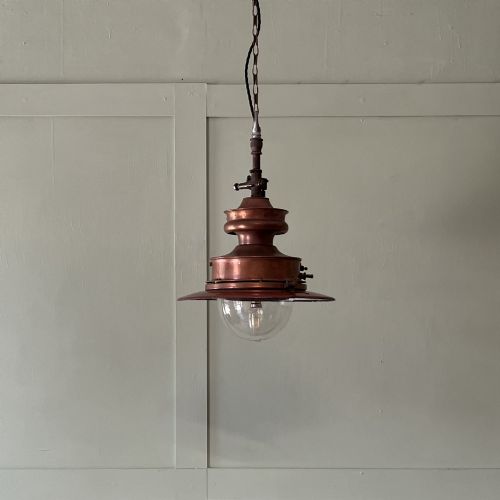
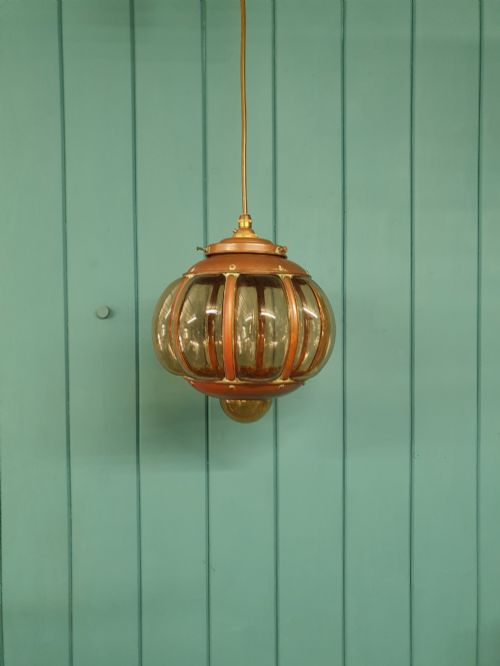
A vintage brass and copper light search brings up a varied selection of utilitarian and decorative illumination spanning the nineteenth and early twentieth centuries. Pieces range from ceiling pendants and wall lanterns to adjustable standard lamps and table lamps.
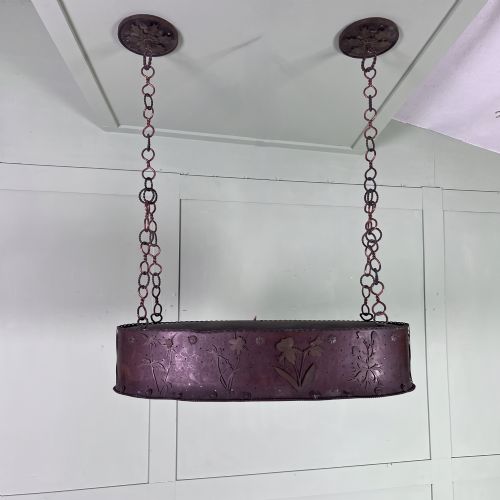
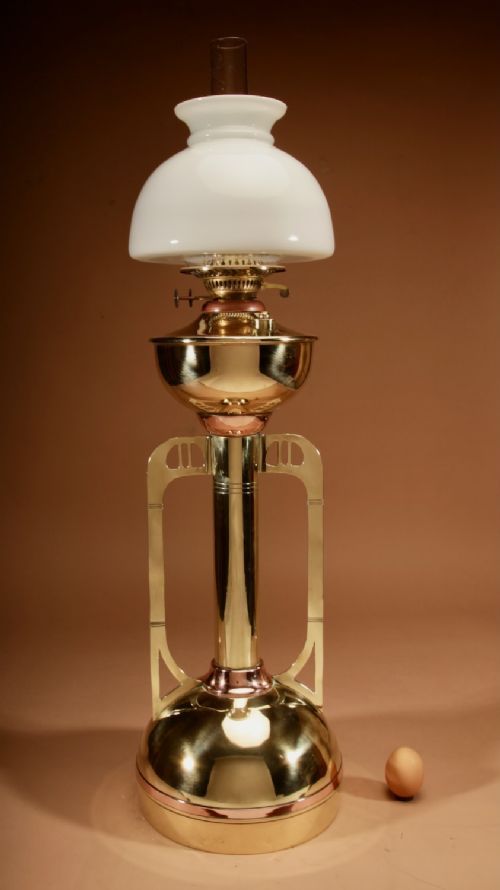
The most common variants on this page stem from the Arts and Crafts and Art Nouveau movements, alongside functional maritime and railway lighting. These items utilise mixed metals to create contrasting warm hues that suit traditional and contemporary spaces alike.
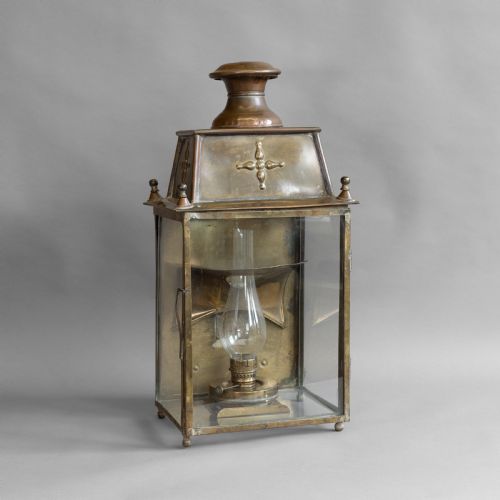
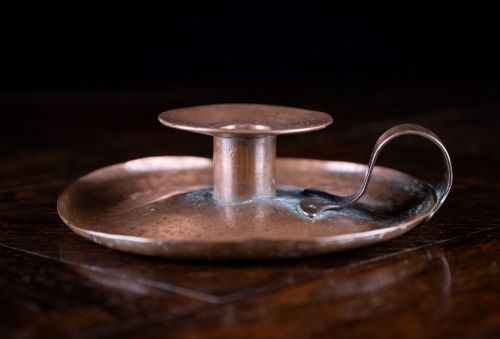
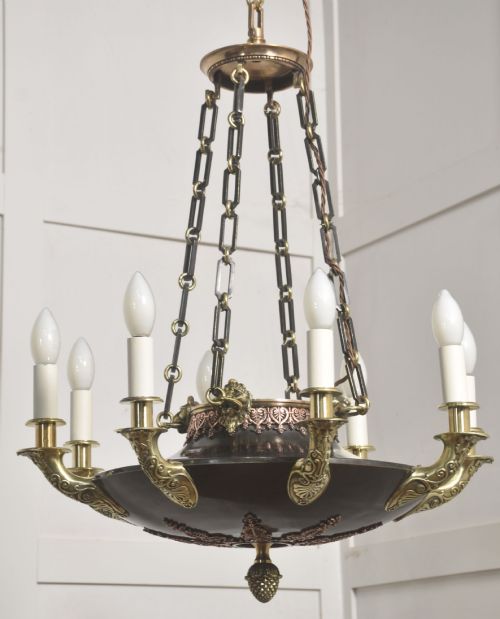
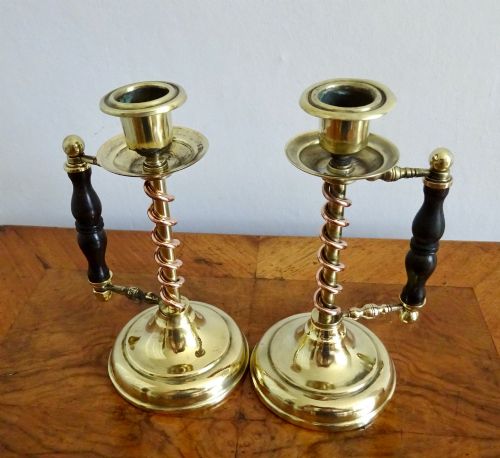
Examples frequently date from the Victorian and Edwardian eras up through the 1930s, incorporating styles such as Art Deco, Empire Revival, and Dutch eighteenth-century revivals. Forms include standard lamps with telescopic mechanisms, chambersticks, and robust copper lanterns.
What varies in quality
Superior examples display thoughtful proportions, integrated adjustable mechanics like telescopic columns, and maker-attributed designs from notable workshops. Heavier gauge metals and deliberate patination separate finely engineered standard lamps and lanterns from simpler utilitarian items.
The sophistication of decorative motifs, such as organic Art Nouveau whiplash lines or precise Arts and Crafts riveting, dictates the tier of craftsmanship. Original fittings, specialised glass shades, and documented provenance elevate certain chandeliers and desk lamps above standard production pieces.
Vintage Brass and Copper Light Retail Price Guide 2026
Typical asking prices for vintage brass and copper light among the pieces listed under this phrase on Sellingantiques today, from the lower quarter to the upper quarter. They describe what is for sale here now, not the wider market.
Railway guards and sea captains once relied on these very brass and copper lanterns to navigate dark tracks and stormy waters.
Gustave Serrurier Bovy·Jan Eisenlöffel·WMF
The Vintage Brass and Copper Light Glossary
- Chamberstick
- A short candlestick fitted with a wide saucer base and a ring handle for carrying from room to room.
- Standard lamp
- A tall floor-standing lighting fixture designed to illuminate a room from an upright position.
- Patination
- The natural surface oxidation and weathering that develops on brass and copper over decades of exposure.
- Pendant light
- A hanging fixture suspended from the ceiling by a chain, cord, or rigid metal rod.
- Port lantern
- A specialised nautical lamp constructed with coloured lenses or heavy glass to signal a ship's position.
Vintage Brass and Copper Light: Frequently Asked Questions
How do I wire a vintage light?
Wiring vintage metal fixtures requires a qualified electrician to install modern flex and certified lamp holders that comply with current safety standards. Rewiring preserves the historical metal body while ensuring domestic electrical safety.
Internal channels and original conduits within standard lamps or lanterns often accommodate modern wiring without altering the exterior metalwork.
How should I clean copper and brass?
Cleaning should be minimal to preserve the natural aged surface oxidation and historical patination built up over decades. Gentle dusting with a soft cloth removes everyday debris without stripping the metal character.
Avoid abrasive chemical polishes that erase the desirable darker tones found on antique lanterns and standard lamps.
Are these lights suitable for low ceilings?
Pendant lights and ceiling lanterns come in various drops, and many can be adjusted during installation to suit lower domestic ceiling heights. Flush-fitting wall lights and half-lanterns also offer compact illumination for restricted spaces.
Standard lamps provide a flexible alternative if ceiling hanging is impractical, allowing floor-level placement without permanent fixtures.
How do I identify an Arts and Crafts light?
Arts and Crafts pieces emphasise visible construction methods, such as hand-beaten copper textures, exposed rivets, and sturdy brass brackets. These designs avoid excessive ornamentation in favor of honest materials and functional utility.
Stylistic cues often include geometric lines, naturalistic motifs, and robust proportions typical of late nineteenth and early twentieth-century workshops.