




Vintage Bow Back Chair
A vintage bow back chair brings vernacular warmth to a room, offering sturdy construction and enduring local character.
Vintage Bow Back Chair
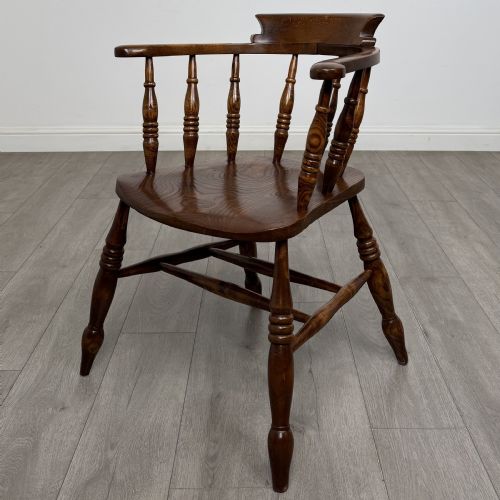
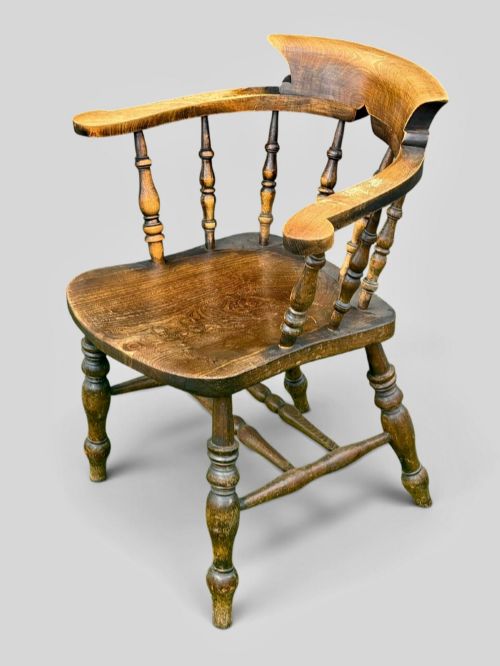
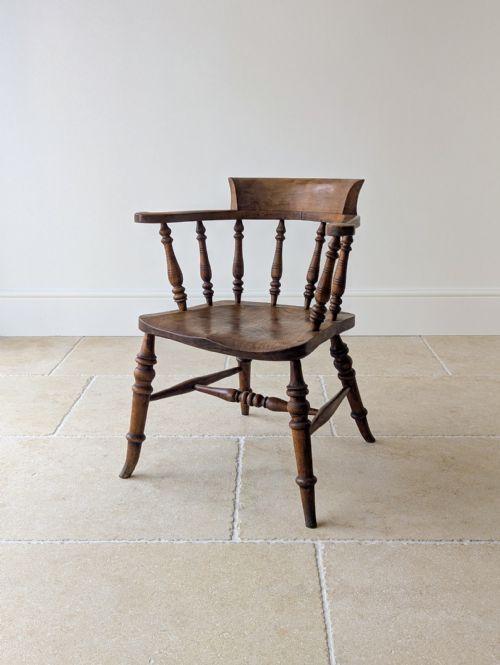
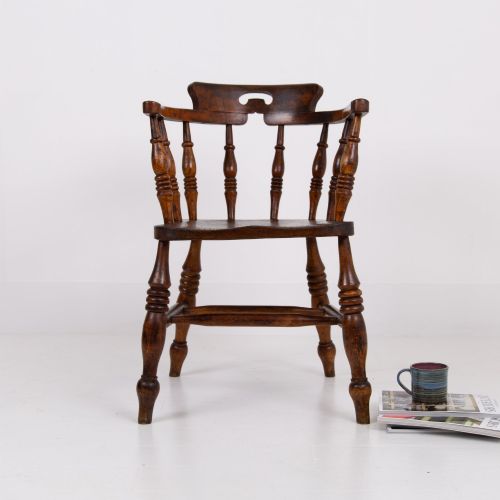
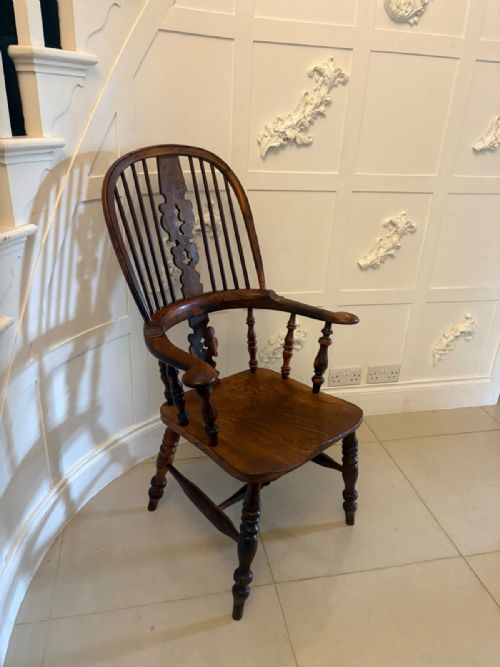
When you search for a vintage bow back chair, you encounter sturdy seating rooted in provincial and country traditions. These pieces include Windsor chairs, smoker's bows, and captain's chairs designed for everyday domestic and working life.
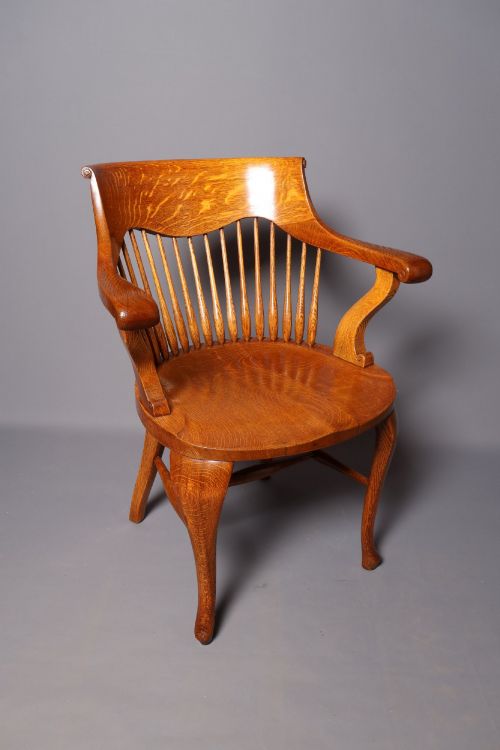
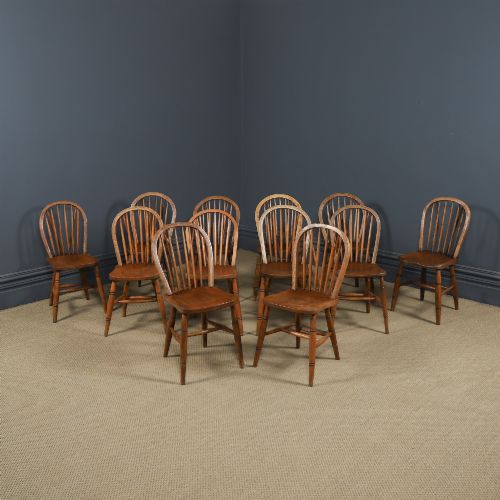
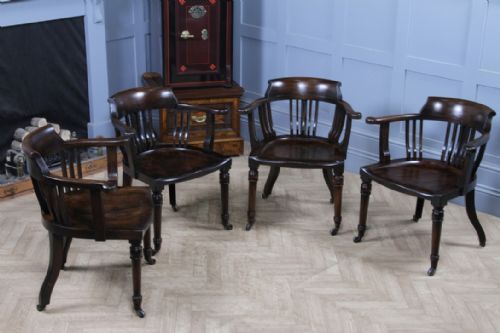
The version you are most likely to meet on this page dates from the nineteenth century or the Edwardian period. They appear primarily as armchairs, desk chairs, and kitchen dining chairs shaped by English country makers.
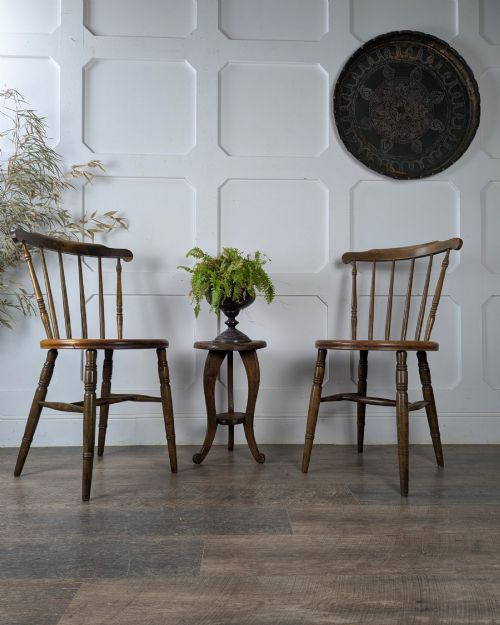
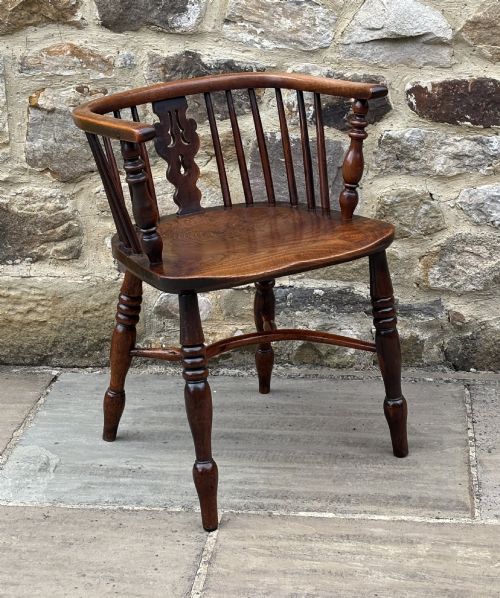
Makers utilised local timbers to build seating that ranges from low back and hoop back designs to wide desk armchairs. These functional forms served offices, libraries, and farmhouses alike.
How they were made
Craftsmen built these chairs using a combination of native hardwoods selected for specific structural roles. Elm frequently formed the solid, comfortable seat, while ash, beech, and oak provided the strength needed for bent bow backs and turned spindle legs.
Makers shaped the characteristic bow back by steaming timber until pliable, then bending it into a continuous curve above the seat. Artisans secured the components using traditional joinery and wedged tenons without relying on metal fasteners.
Vintage Bow Back Chair Retail Price Guide 2026
Typical asking prices for vintage bow back chair among the pieces listed under this phrase on Sellingantiques today, from the lower quarter to the upper quarter. They describe what is for sale here now, not the wider market.
Listings feature nineteenth-century and Edwardian examples constructed from elm, beech, oak, ash, and yew.
What varies in quality
Quality rests in the selection of timber and the harmony of the turning. Pieces featuring striking grain patterns in yew or elm sit at the upper end of the scale.
Structural integrity and the retention of original surface patination distinguish superior examples from heavily restored ones. The crispness of turned spindles and the comfort sculpted into the solid wood seat reflect the maker's skill.
Rockley Maker
The Vintage Bow Back Chair Glossary
- Bow back
- A chair back formed from a single piece of bent wood curved around to act as the top rail and arm support. This design provides structural rigidity.
- Smoker's bow
- A low-backed Windsor armchair with a continuous curved rail, traditionally used in smoking rooms and offices. These comfortable seats feature robust turned spindles.
- Windsor chair
- A chair built with a solid wooden seat into which the legs and back spindles are directly inserted. Regional variations include hoop backs and comb backs.
- Spindle
- A slender, turned wooden rod forming part of the chair back. Craftsmen shaped these on a lathe to support the upper rail.
- Stretcher
- A horizontal wooden brace connecting the legs of a chair to increase stability. They are often turned to match the spindle details.
Vintage Bow Back Chair: Frequently Asked Questions
How do I use one at a desk?
Many captain's chairs and low back Windsor chairs fit well beneath standard writing desks. Their sturdy armrests and supportive bow backs provide comfort during long periods of work.
Victorian and Edwardian examples in oak or mahogany frequently served as office seating.
What woods were used?
makers combined native hardwoods according to their physical properties. Elm provided a strong, split-resistant seat, while ash and beech offered flexible strength for bent bows.
In more ambitious pieces, yew wood appears with rich grain patterns and warm tones.
How do I date these chairs?
Dating relies on construction methods, tool marks, and wood patination. Nineteenth-century examples often display hand-turned spindles and distinct adze marks on the seat.
Edwardian and later pieces tend to show more uniformity in turning and lighter timbers.