


Vintage Bottle Stands
These vintage bottle stands hold wine, spirits and condiments securely across Georgian, Victorian and Edwardian dining tables.
Vintage Bottle Stands
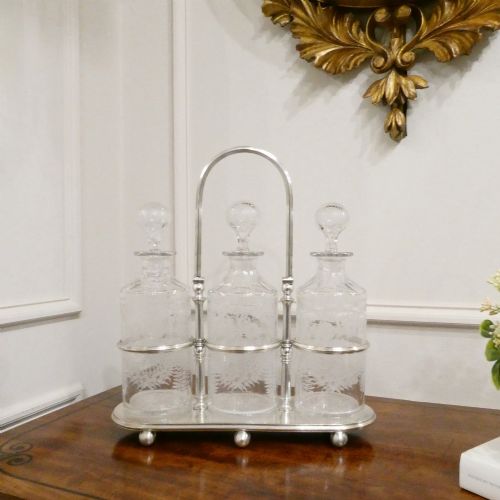
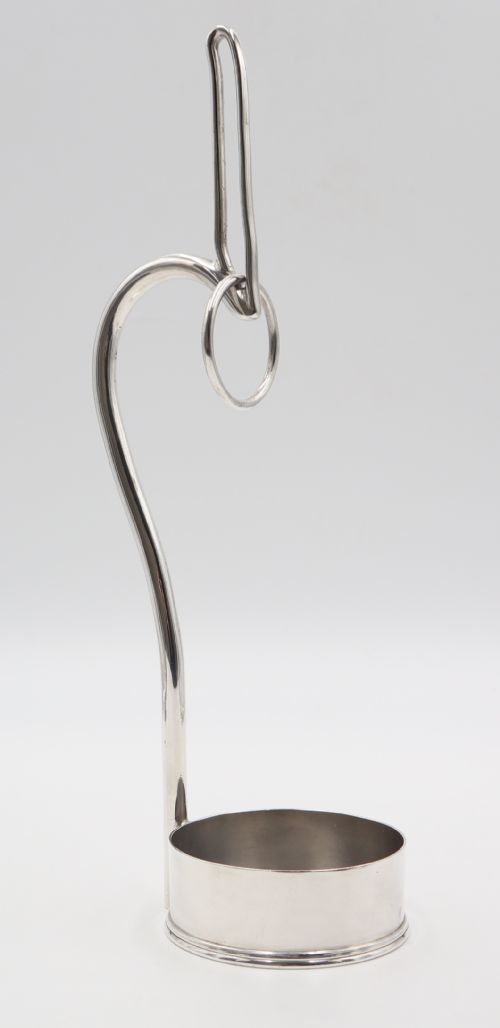
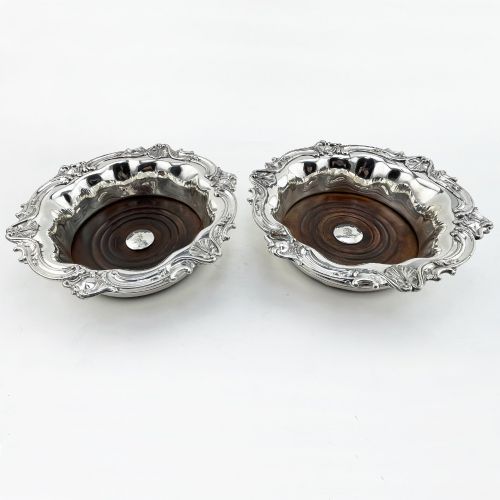
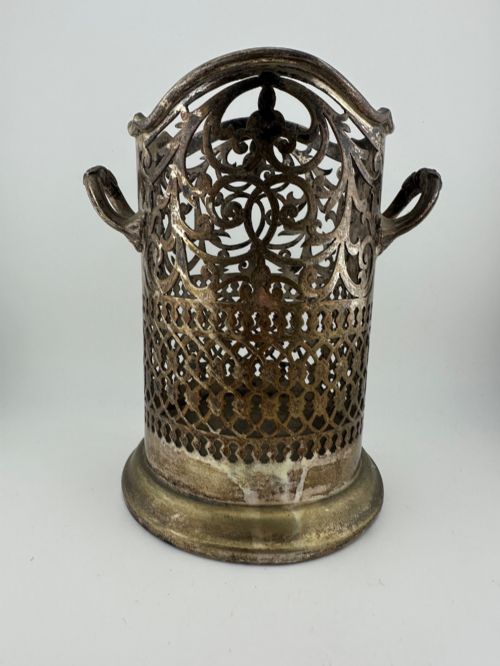
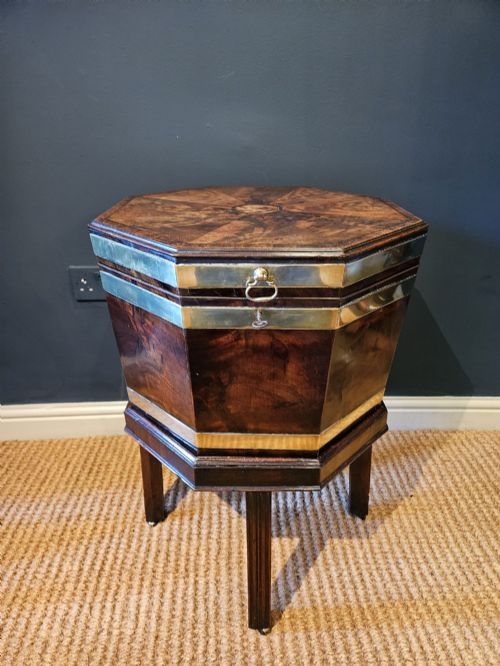
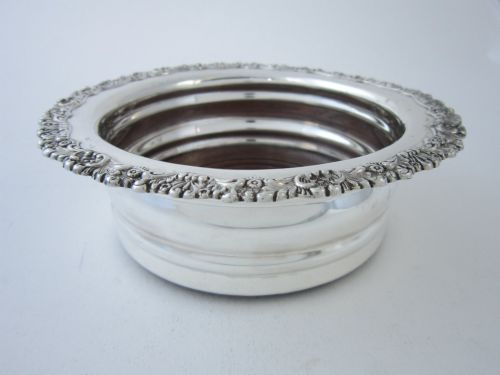
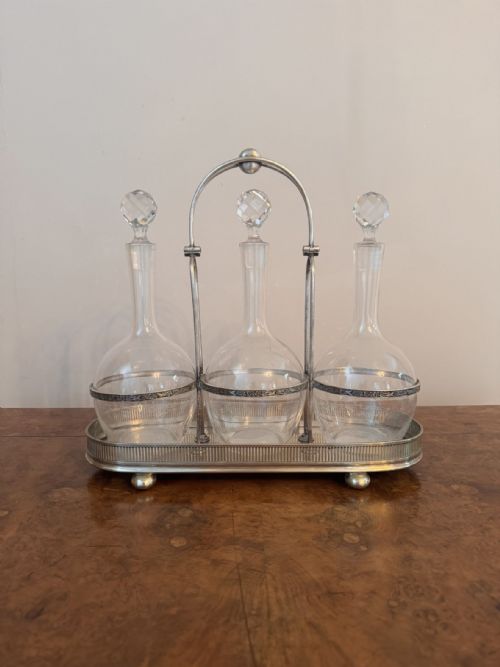
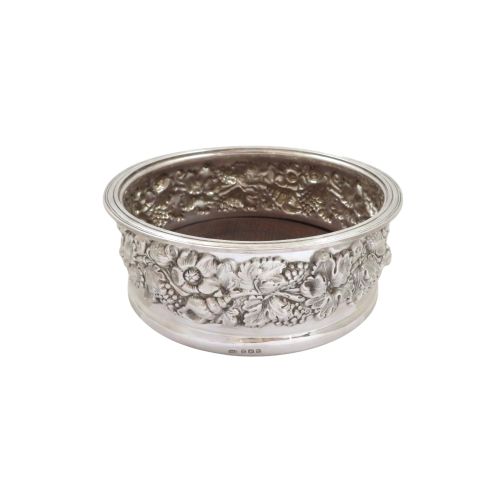
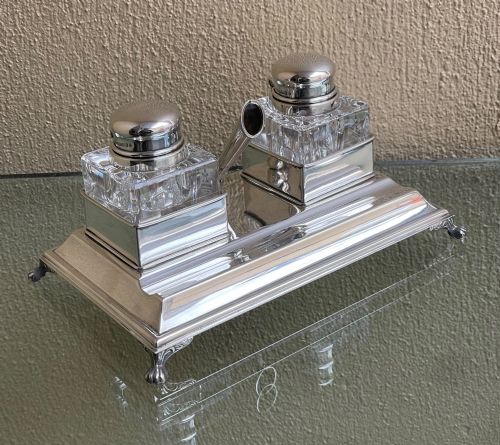
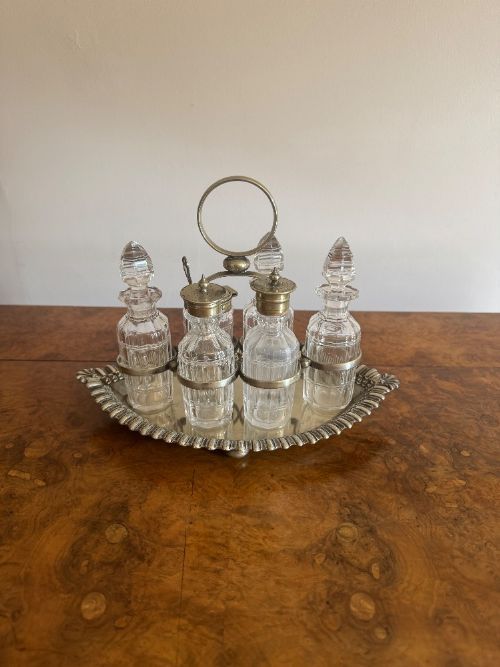
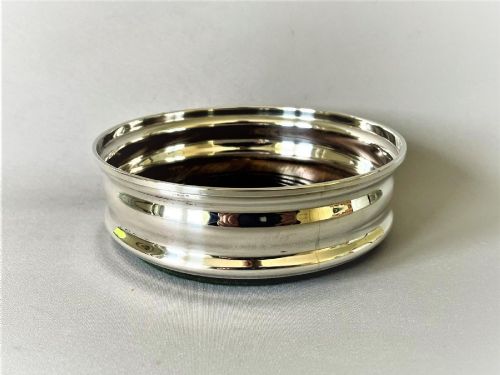
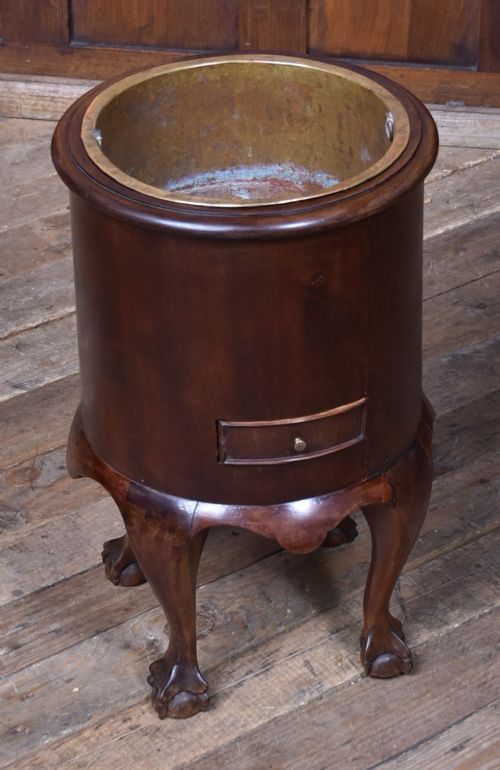
Vintage bottle stands encompass wine coasters, decanter sets, cruet sets and tantalus units designed to organise table service. The selection spans George III mahogany cellarets, silver plated Edwardian cruets and sterling silver coasters bearing hallmarks from the early twentieth century.
Cruet sets hold multiple glass bottles for condiments, while wine coasters protect polished wood surfaces from bottle rings. Oak, mahogany, silver plate and sterling silver form the primary structural materials used across these table accessories.
Materials and Technique
Cabinetmakers shaped dense timber like mahogany and oak into wine coolers and tantalus frames, often adding brass bands and mounts for structural reinforcement. Silversmiths hammered and cast sterling silver or applied silver plate over base metals to create decorative bottle coasters and cruet frames.
Cut glass and crystal bottles feature hand-cut geometric patterns that catch the light within silver plated frames. Wood marquetry and turned wooden bases appear alongside cast iron mechanisms found in functional barware items.
Vintage Bottle Stands Retail Price Guide 2026
Typical asking prices for vintage bottle stands among the pieces listed under this phrase on Sellingantiques today, from the lower quarter to the upper quarter. They describe what is for sale here now, not the wider market.
The Measure of Quality
Quality rests upon the crispness of the silversmith's chasing, the clarity of the cut glass bottles and the solidity of the timber framework. Maker involvement elevates specific pieces, as seen in signed tantalus locks and marked silver bases.
Original matching interiors and intact crystal stoppers distinguish superior cruet sets and decanter stands from assembled or incomplete examples. Weight, balance and careful joinery indicate superior manufacturing standards across the periods.
Betjemann’s·Brook & Son·Walker & Hall
The Vintage Bottle Stands Glossary
- Tantalus
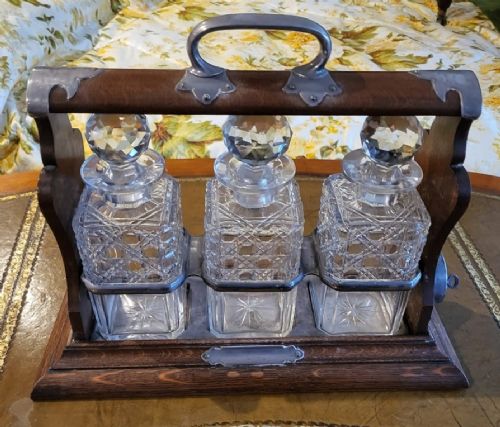
- A locked wooden frame securing decanters to prevent unauthorized access to the contents inside. This device typically employs a metal bar that engages the glass stoppers until unlocked with a key.
- Wine Coaster
- A small tray with a raised rim used to slide bottles along the dining table after dinner. These items often feature a turned wood base lined with baize or felt to protect the tabletop.
- Cruet Set
- A matched collection of glass bottles mounted in a metal frame for holding condiments such as oil, vinegar, salt and mustard. Edwardian and Georgian examples frequently house cut glass bottles with silver plated mounts.
- Cellaret
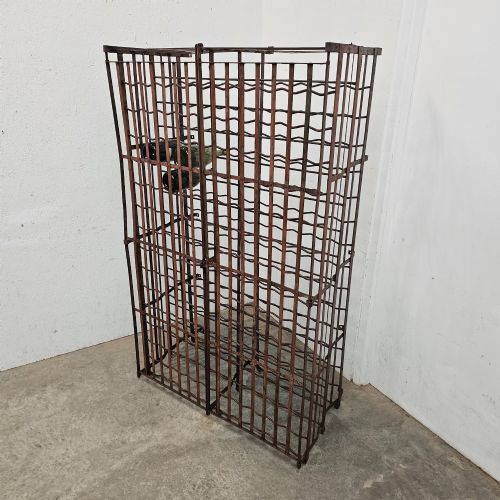
- A large freestanding or under-table cabinet designed to store multiple wine bottles safely. George III versions commonly utilise solid mahogany with fitted interior partitions.
- Sterling Silver
- An alloy containing 92.5 percent silver by weight, used extensively for hallmarked coasters and bottle mounts. British pieces display assay office marks that verify the metal standard and year of production.
Vintage Bottle Stands: Frequently Asked Questions
What is a tantalus used for?
A tantalus secures spirits in decanters using a locking metal mechanism that prevents guests from pouring drinks without a key. The wooden frame holds the bottles upright while displaying the cut glass.
Victorian and Edwardian households placed these units on sideboards in dining rooms and drawing rooms. The locking bar fits over the glass stoppers so the decanters cannot be removed until the key turns.
How do I care for silver plated bottle stands?
Clean silver plate gently using a non-abrasive silver polish and a soft cloth to preserve the thin metal coating over the base metal. Avoid harsh scrubbing that wears down the plating.
Keep wooden sections nourished with appropriate furniture wax rather than silicone sprays. Ensure glass inserts are washed and dried thoroughly before returning them to metal frames.
How can I date a silver bottle coaster?
Examine the piece for British hallmarks stamped into the metal, which include a maker's mark, a standard mark and a date letter. These stamps reveal the exact assay office and year of manufacture.
Stylistic cues such as Georgian restrained silver mounts or Edwardian pierced decoration also indicate the period of creation. Unmarked silver plate relies on construction techniques and design style for dating.
Were cruet sets used daily?
Cruet sets served dining tables daily during the Georgian, Victorian and Edwardian eras to supply condiments during meals. Servants replenished the cut glass bottles with fresh oils, vinegars and sauces before each meal service.
The matching bottles fitted securely into portable silver plated or sterling silver frames that could be passed easily around the table.