


Vintage Botanical Study
Vintage botanical study works bring the precision of natural history into domestic rooms through watercolours, oils, and engravings.
Vintage Botanical Study
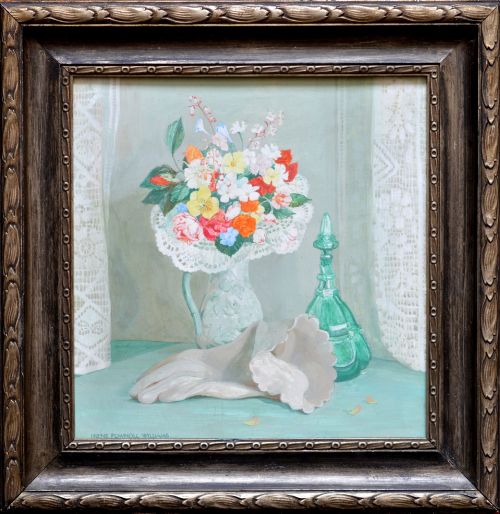
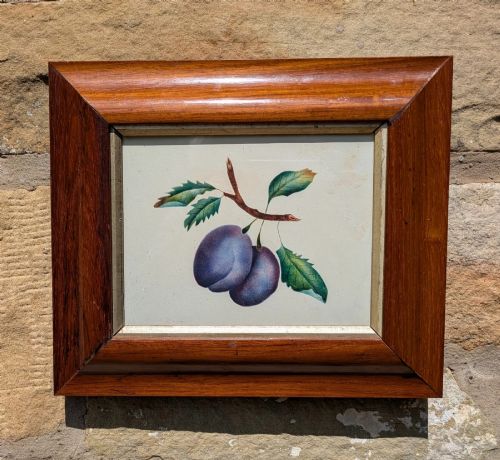
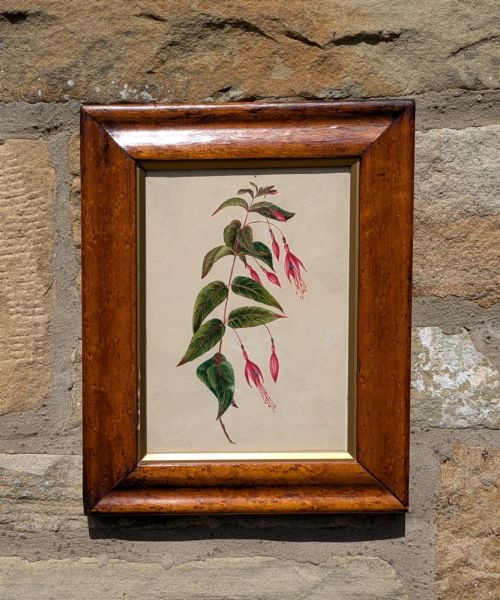
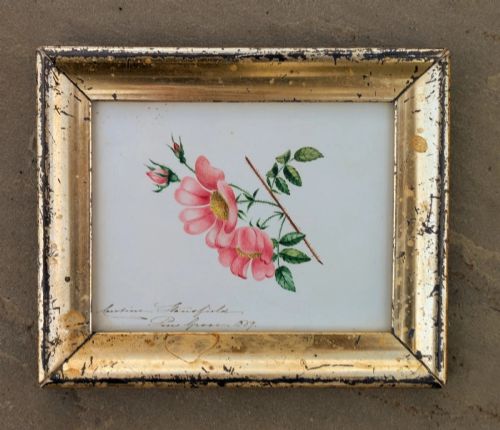
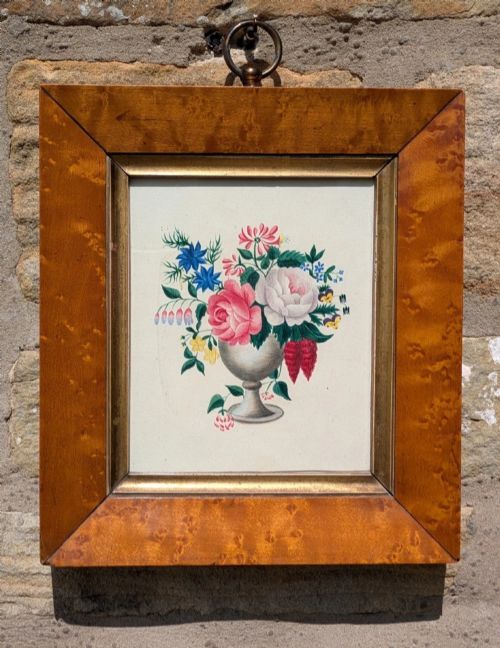
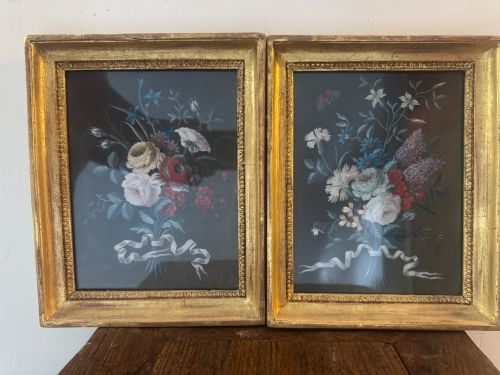
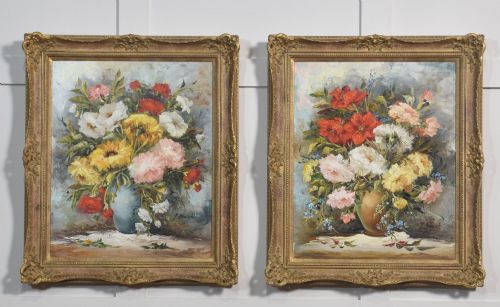
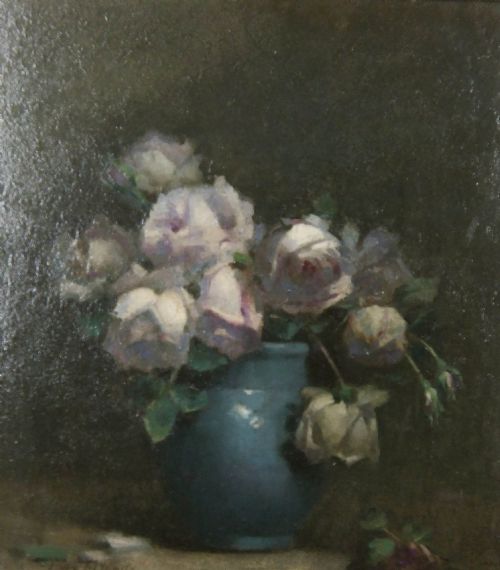
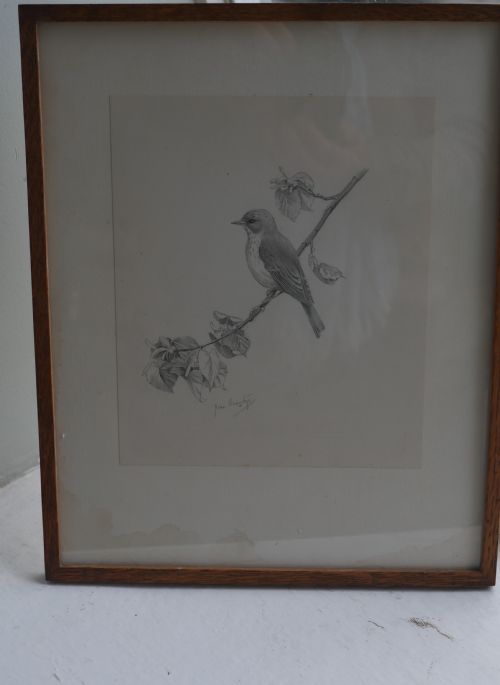
A vintage botanical study records plant forms, flowers, and natural specimens with scientific observation and artistic skill. These works range from delicate watercolours and gouache paintings to detailed engravings and pencil drawings originating across the nineteenth and twentieth centuries. Buyers encounter framed prints, academic sketches, and individual paintings depicting roses, plums, and field flowers.
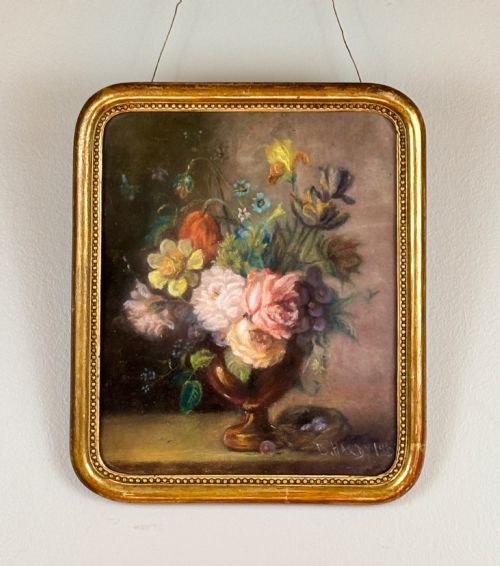
The nineteenth-century examples often present hand-coloured engravings or soft watercolours framed in wood or rosewood, while mid-twentieth-century pieces lean towards oil paintings and pastels. Works span from Georgian and Regency periods through to the 1960s, reflecting changing approaches to recording nature. Sets of studies frequently appear alongside single framed compositions.
Originating from English country houses and academic portfolios, these pieces bridge the gap between scientific record and decorative art. A vintage botanical study functions equally well as a singular wall art piece or grouped in sets of matching specimens.
Materials and Techniques
Artists relied primarily on paper, canvas, and wood panels as supports, applying watercolour, gouache, oil paint, ink, and pastel to capture plant structures. Watercolours and gouache dominate the earlier centuries, often combined with pencil underdrawings to secure botanical accuracy.
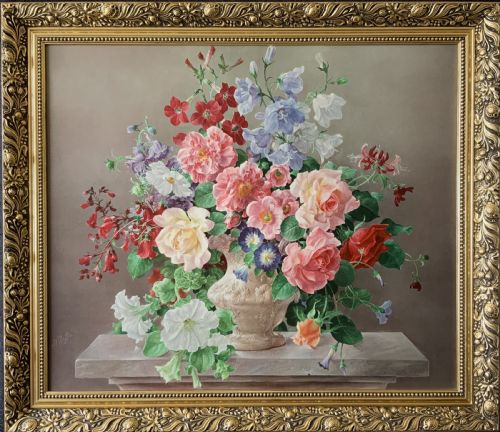
Oil paint on canvas or board emerges strongly in twentieth-century examples, allowing for richer textures and heavier impasto in floral still lifes. Engravings and lithographs utilised printed lines finished with hand colouring or delicate washes to produce multiples of scientific specimens.
Early naturalists often pressed real specimens alongside their watercolours, leaving tiny ghost impressions embedded in the paper fibres.
Distinctions in Quality
The distinction between ordinary and superior works lies in the precision of the draughtsmanship and the fidelity of the colour. Masterful handling of watercolour or oil captures the translucent quality of petals and the accurate structure of leaves without stiff mechanical execution.
Framing and preservation dictate much of the enduring appeal, with original rosewood frames and clean, unbleached paper holding higher regard. Pieces executed by named artists or recognised botanical illustrators demonstrate a superior understanding of light, shadow, and botanical classification.
Harold Clayton·D Hardy·Manuela Bonati·William Thomas Wood·M Simpson·Sir Matthew Smith·Phyllis I Hibbert·Lena M Alexander·Marian Chase·Jennifer Toombs·Charlotte Isa James·Alice Macallan Swan·John Curtis·M.K Rhodes·Owen Bowen·Margaret Evangeline Wilson·Julie Harber
The Vintage Botanical Study Glossary
- Gouache
- An opaque watercolour paint that provides heavier coverage and brighter matte colour than traditional transparent watercolour. It permits sharp detail in floral illustrations.
- Engraving
- A printmaking method where an artist cuts an image into a metal plate to transfer fine inked lines onto paper. These prints were frequently hand-coloured afterwards.
- Still life
- A painting or drawing depicting inanimate subject matter, such as cut flowers in a jug or bowls of fruit. It forms the primary format for botanical compositions.
- Oleograph
- A mechanical colour lithograph produced on canvas to imitate an oil painting through textured rollers. It became a popular reproduction technique in the late nineteenth and twentieth centuries.
Vintage Botanical Study: Frequently Asked Questions
How should I frame an antique botanical painting?
Historic watercolours and drawings require acid-free mounts and UV-protective glass to prevent fading of delicate pigments over time. Matching the period of the frame to the era of the artwork preserves its traditional aesthetic.
Simple wooden or gilt frames complement botanical subjects without overpowering the fine details of the illustration. Conservation framing ensures the paper remains stable and protected from moisture.
What is the difference between botanical art and floral still life?
Botanical art prioritises scientific accuracy, identifying plant parts, root structures, and specific species with exact detail. These works were traditionally created for study and classification.
Floral still life focuses primarily on the artistic arrangement and aesthetic beauty of cut flowers in vases or bowls. While both feature plants, still life allows for greater painterly expression rather than strict botanical recording.
How do I identify a nineteenth-century botanical study?
Nineteenth-century works typically utilise handmade rag paper, subtle watercolours, and iron gall or pencil underdrawings. Examination under magnification often reveals the distinct tooth of the paper and the layered application of pigment.
Framing hardware, backing boards, and handwritten inscriptions on the reverse frequently provide clues to the age. Regency and Victorian examples often display a softer, more muted palette than twentieth-century counterparts.
Can I hang botanical watercolours in direct sunlight?
Direct sunlight causes significant fading in historic watercolours, inks, and gouache pigments, particularly greens and reds. Positioning these works away from windows preserves the original vibrancy of the colours.
Using museum-grade glass with UV filtration offers additional protection if natural light cannot be avoided in the room. Regular rotation of pieces also limits prolonged exposure to light.