



Vintage Bookstand
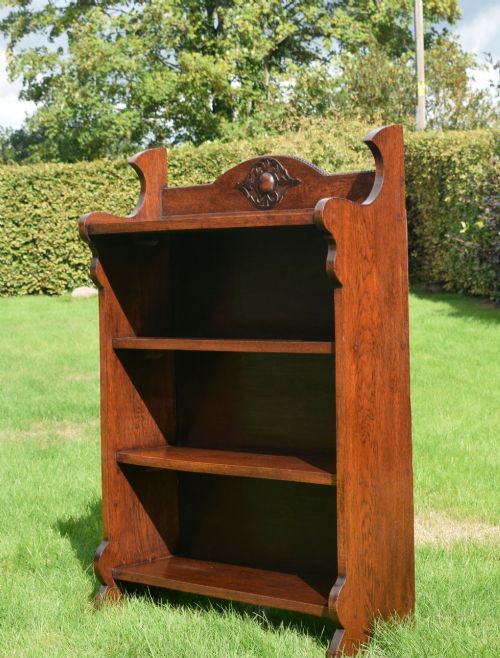
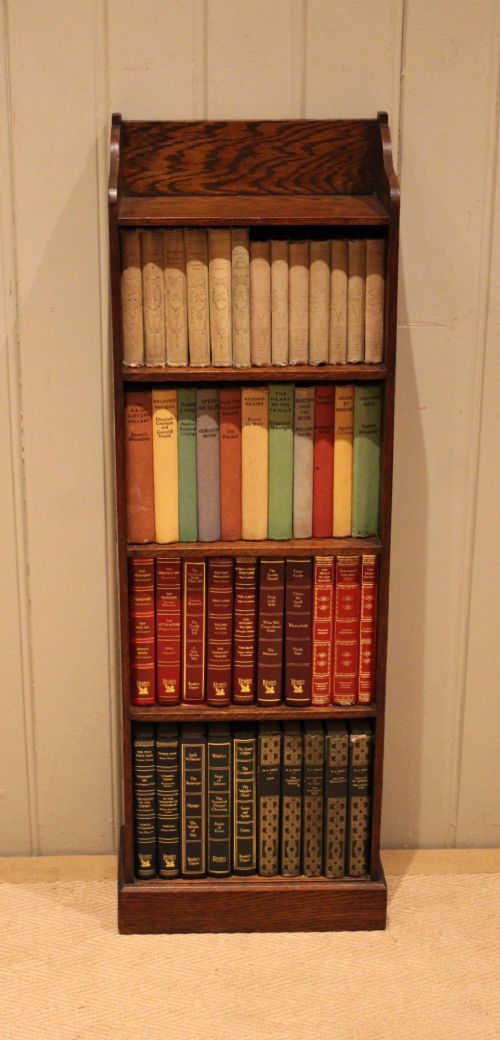
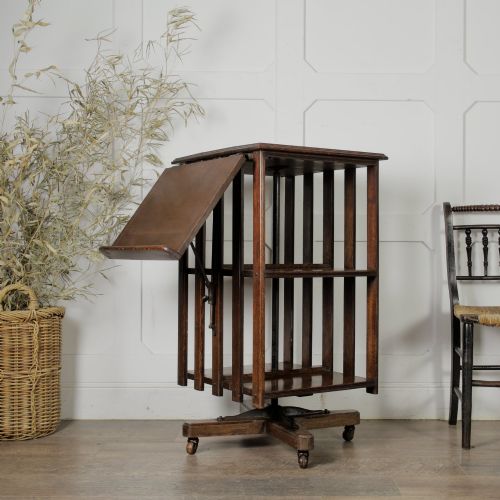
These vintage bookstand designs range from revolving table models to sturdy open oak shelves.
Vintage Bookstand
A vintage bookstand serves the practical purpose of holding volumes upright and within reach on a desk, table or floor. When browsing this selection, buyers encounter various formats designed for domestic or library use.
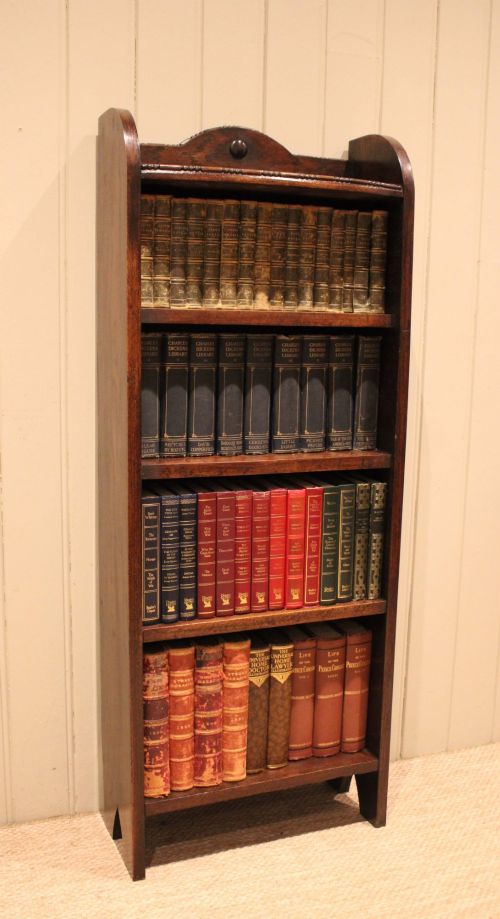
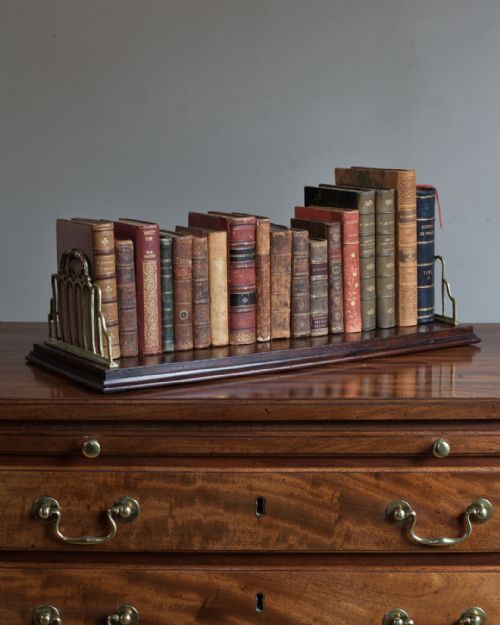
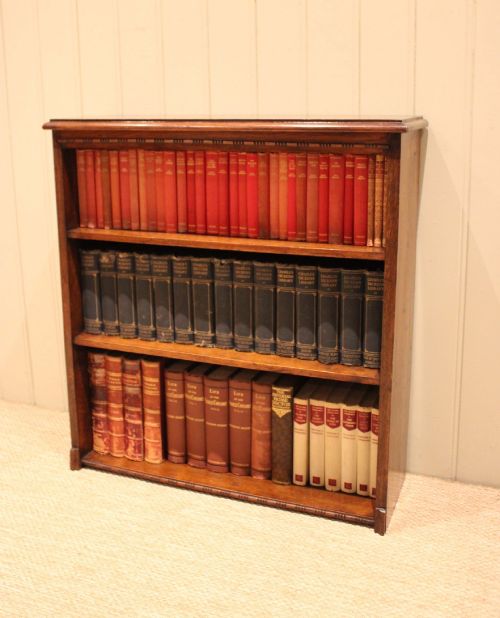
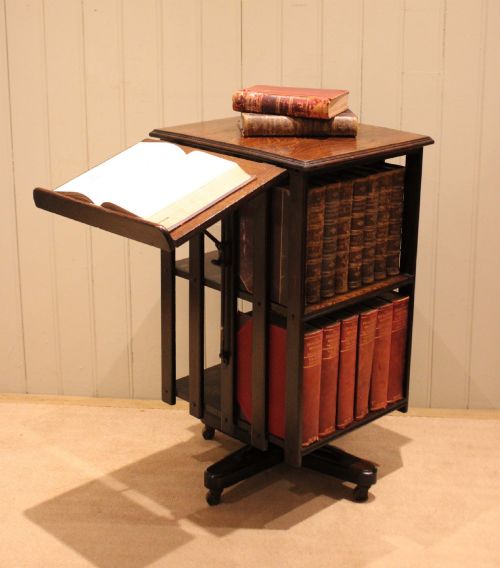
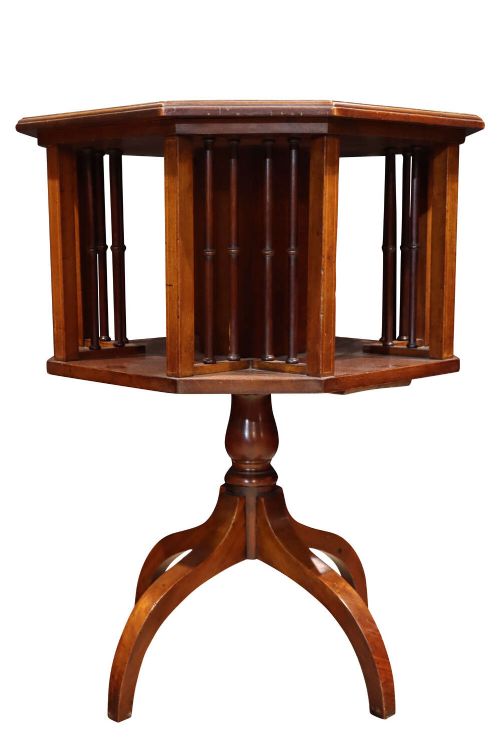
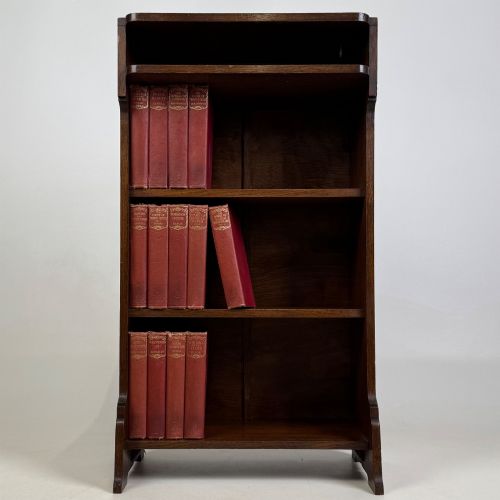
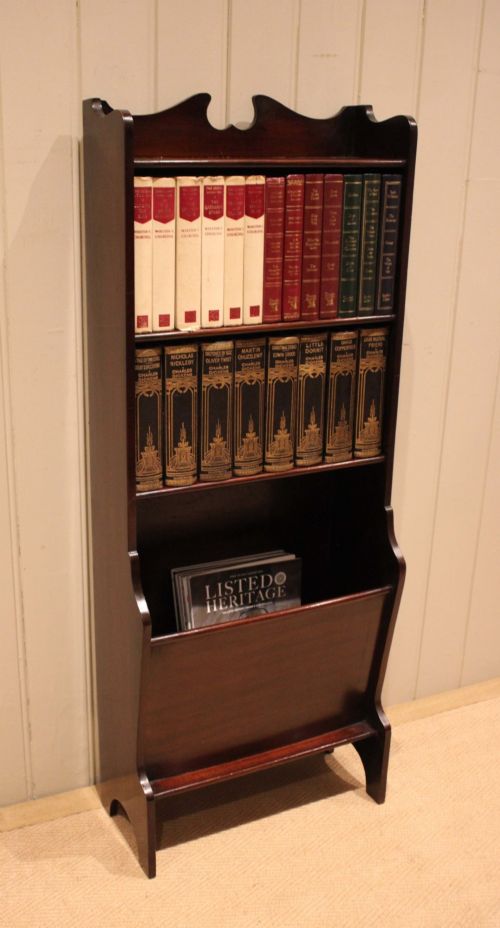
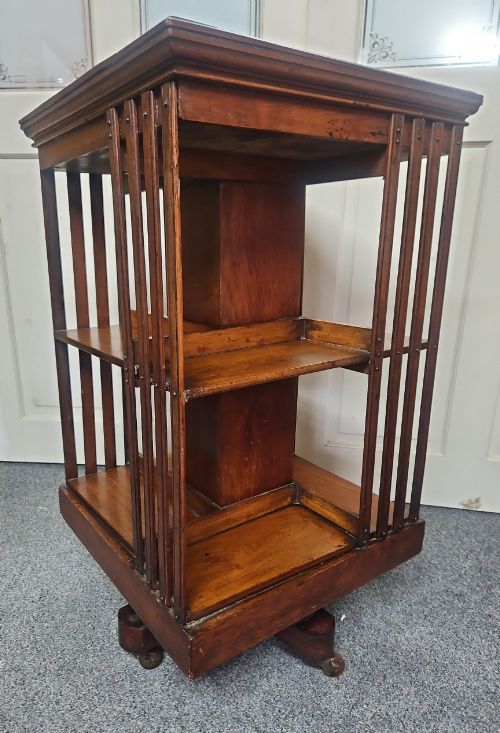
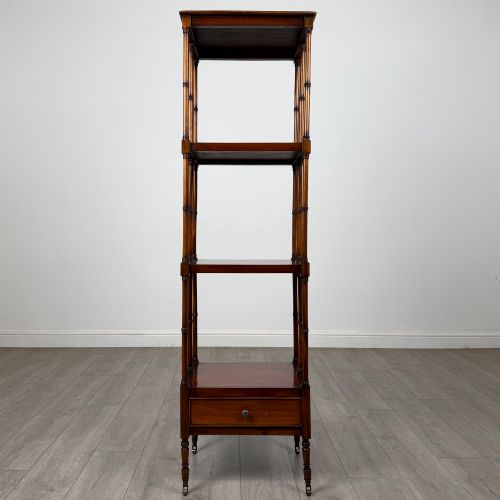
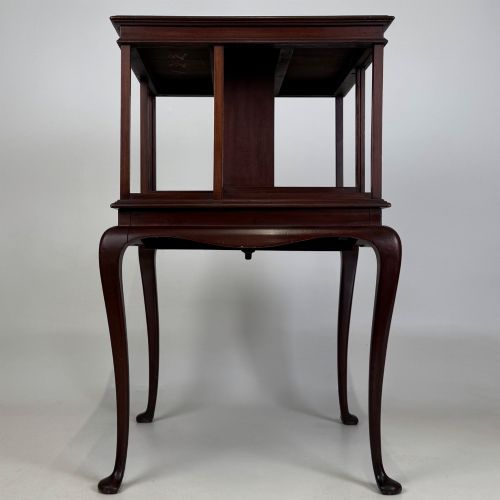
The most common examples on this page are revolving bookcases from the Edwardian period, often constructed in mahogany or oak. Alongside these, listings include open bookcases, desk-top book rests, extending slides and magazine racks.
Origins span the nineteenth century through to the early twentieth century, taking in Victorian and Edwardian aesthetics alongside Arts and Crafts and rustic country styles.
Materials and construction
Makers utilised a range of timbers including mahogany, oak, walnut, pine, satinwood, maple and rosewood to build these stands. Brass hardware frequently appears on hinges, adjustable mechanisms and desk accessories.
Construction techniques involve structural joinery suited to the form, from the internal revolving mechanisms of rotating bookcases to extending slide actions. Carving, inlay work and decorative cut-outs detail specific library pieces.
Vintage Bookstand Retail Price Guide 2026
Typical asking prices for vintage bookstand among the pieces listed under this phrase on Sellingantiques today, from the lower quarter to the upper quarter. They describe what is for sale here now, not the wider market.
Listings feature revolving bookcases, open bookcases, book slides and magazine racks from the nineteenth and early twentieth centuries.
Differences in quality
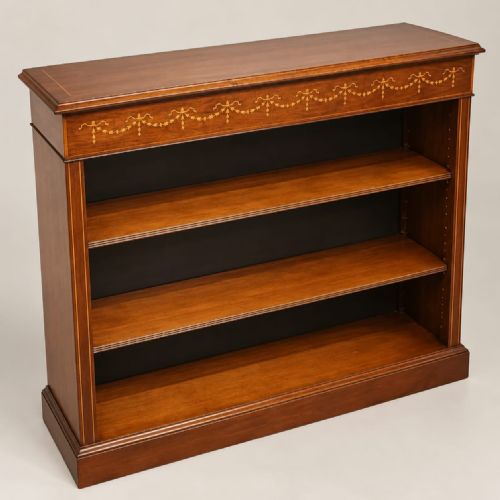
Quality depends on the selection of timber and the precision of the joinery used in the frame. Flame mahogany veneers, detailed marquetry inlay and carved edges distinguish finer library pieces from simpler utility items.
The smooth operation of revolving tiers or the ease of an extending mechanism reflects the standard of workshop execution. Solid timber construction and well-fitted components separate robust examples from basic items.
The Vintage Bookstand Glossary
- Revolving bookcase
- A freestanding bookcase designed to rotate on a central pivot base for easy access to books from any angle. These typically feature square or octagonal tiers.
- Book slide
- An extending desk accessory with sliding ends to hold a small group of books upright between two upright supports. These often incorporate wood and metal mechanisms.
- Arts and Crafts
- A design movement favouring honest construction, simple forms and handcrafted details such as decorative cut-outs. Oak is frequently utilised in pieces from this tradition.
- Victorian Gothic Revival
- A nineteenth-century architectural and decorative style drawing on medieval ecclesiastical motifs. Pieces in this style often feature pointed arches and heavy carved details.
Vintage Bookstand: Frequently Asked Questions
How do revolving bookcases work?
A concealed central pivot system allows the tiered wooden body to spin smoothly on a stationary base. This lets the user access multiple shelves of books from a single seated position.
Most revolving designs balance weight evenly across four quadrants to ensure stable rotation without tilting.
Where should I place a desk book rest?
Desk-top book rests and stands suit writing desks, library tables or reading surfaces where volumes need support at an angle. They hold open reference books or display a single heavy volume.
Ensure the surface has enough depth to accommodate the base without crowding your writing area.
How do I distinguish Edwardian from Victorian pieces?
Victorian pieces from the nineteenth century often display heavier proportions, darker woods like walnut or rosewood, and ornate ecclesiastical or Gothic revival carving. Edwardian items tend to feature lighter mahogany frames, satinwood inlay and simpler outlines.
Turned or cabriole legs on revolving bookcases frequently point to Edwardian cabinet-making tastes around nineteen hundred.
Are extending book slides sturdy enough for heavy books?
Extending book slides utilise wooden or metal channels that adjust in width to fit a curated row of volumes. They support standard octavo library books easily between their wooden ends.
Very heavy folios may strain the extending mechanism, so they are best kept to shorter spans.