


Vintage Bookcase with Glass
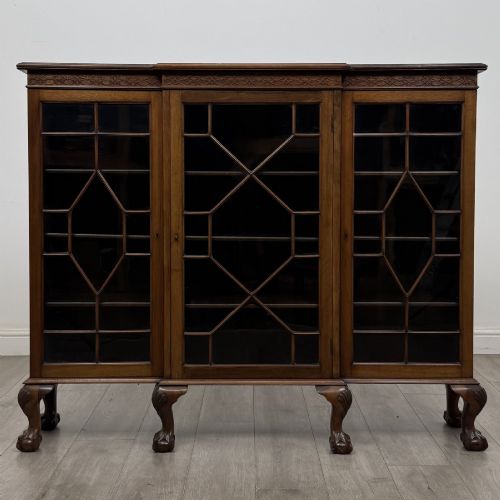
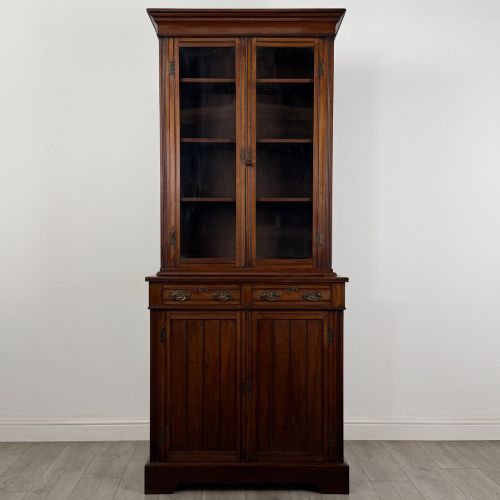
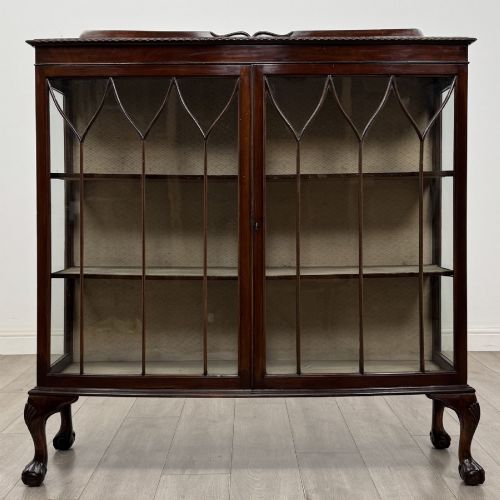
A vintage bookcase with glass protects books behind clear doors while displaying treasured volumes and objects.
Vintage Bookcase with Glass
A vintage bookcase with glass combines wooden storage with transparent panels to keep dust off books while maintaining visibility. These pieces serve functions ranging from everyday library storage to formal display cabinets for china and curiosities.
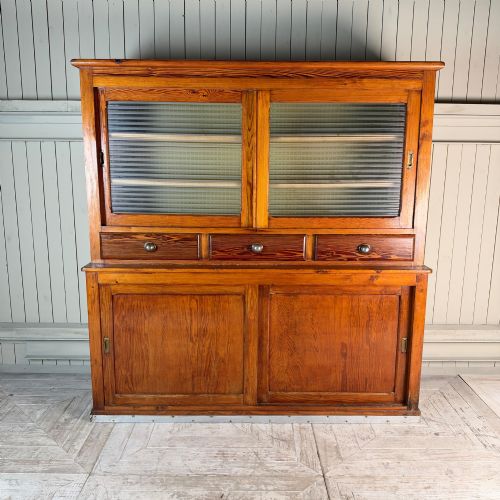
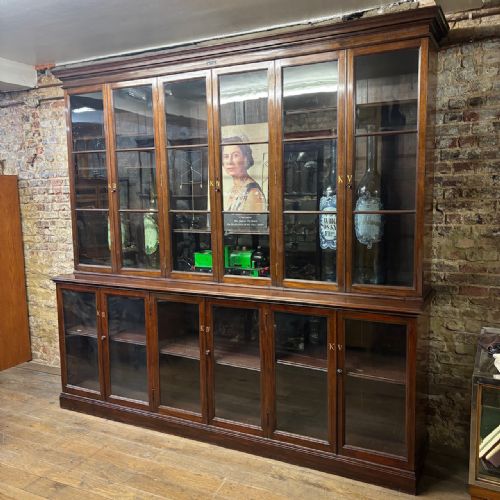
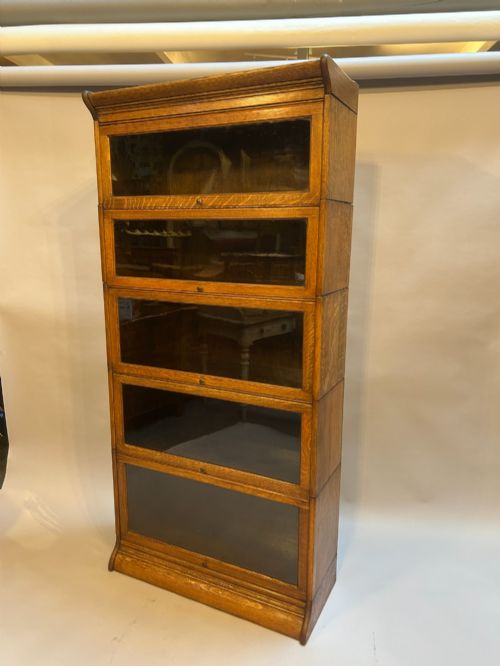
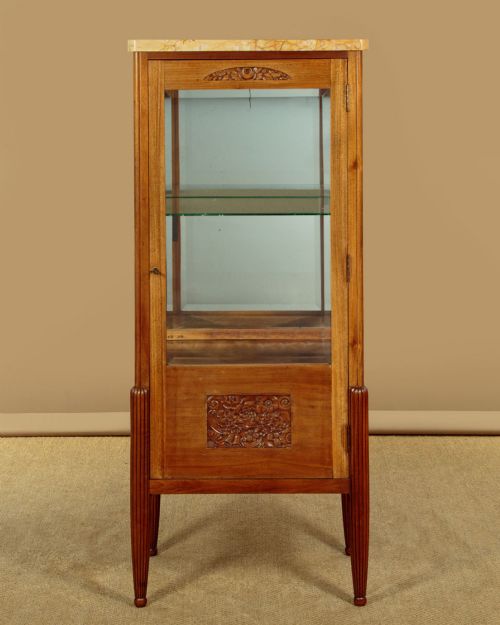
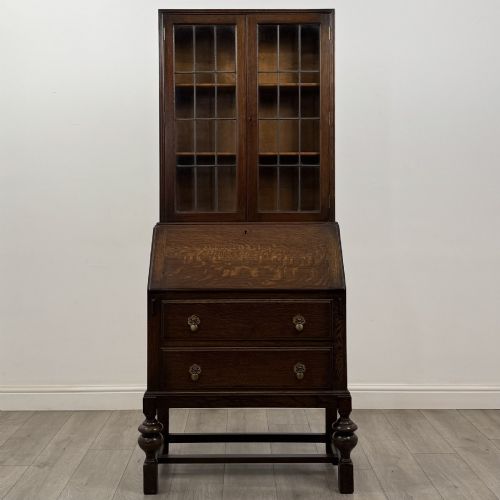
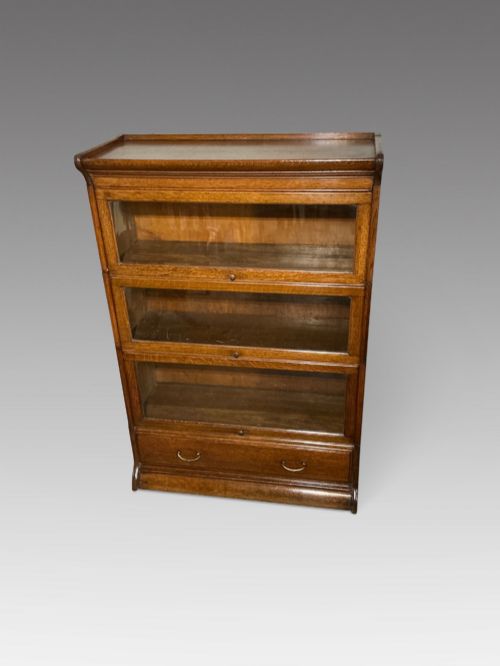
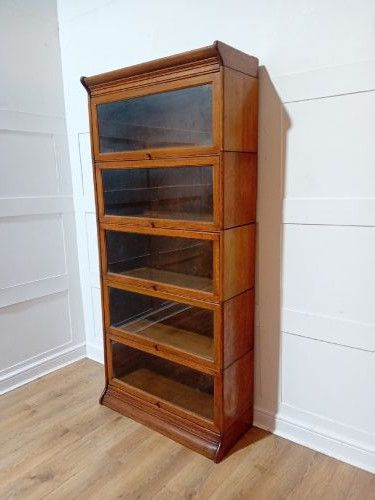
The selections available here span multiple eras, with Edwardian and 1920s oak and mahogany pieces appearing frequently alongside Victorian items. Forms range from narrow floor-standing models and bureau bookcases with sloping desks to sectional barrister bookcases.
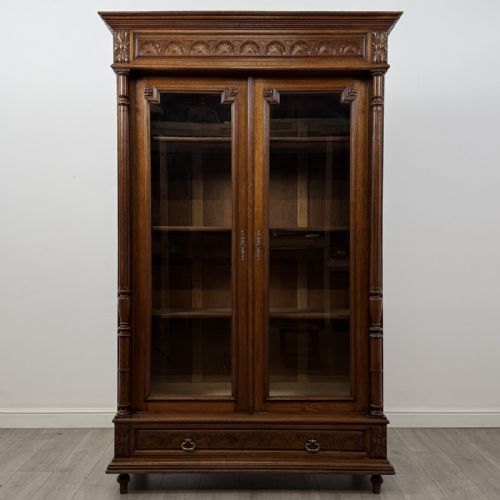
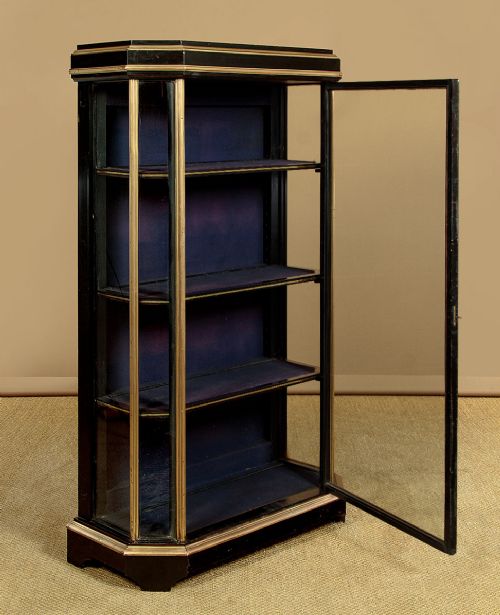
Makers and workshops of various scales contributed to these designs, incorporating materials such as brass fittings, mirrored backs, and inlaid satinwood details. Buyers encounter everything from simple domestic cupboards to monumental carved oak cabinets.
Materials and construction methods
Cabinet makers utilised dense hardwoods such as mahogany, oak, and walnut, frequently applying satinwood veneers and geometric stringing for decorative contrast. Structural stability relied on traditional joinery techniques appropriate to each period.
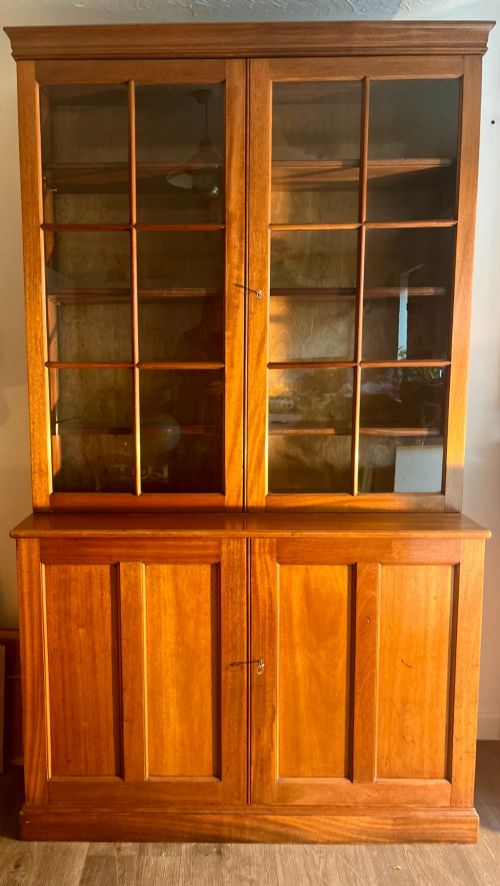
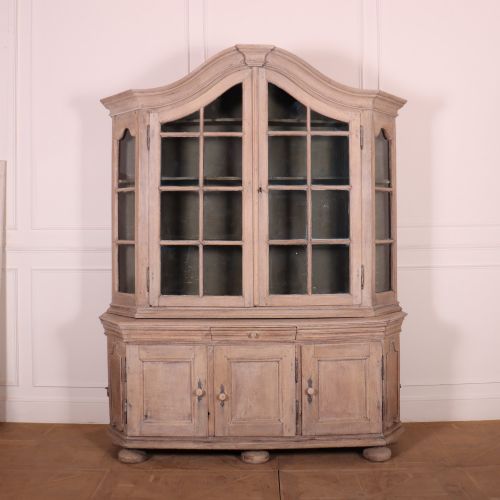
Glazing methods varied from simple single-pane doors to intricate astragal bars and sectional stacking frames designed for flexible assembly. Brass hardware, lead came, and specialised locks secured doors and drawers across diverse forms.
Vintage Bookcase with Glass Retail Price Guide 2026
Typical asking prices for vintage bookcase with glass among the pieces listed under this phrase on Sellingantiques today, from the lower quarter to the upper quarter. They describe what is for sale here now, not the wider market.
Listings feature oak, mahogany, walnut, and satinwood constructions spanning the Victorian, Edwardian, and mid-century periods.
Markers of quality
The standard of timber selection and the precision of veneer matching dictate the visual depth of a cabinet. Superior examples exhibit careful grain alignment on door fronts and harmonious integration of inlay work.
Hardware quality distinguishes workshop output, seen in signed brass locks, substantial hinges, and well-fitted sliding or hinged glass frames. The finesse of carved detailing and the condition of original glazed panes further define finer pieces.
Herbert Gibbs·Hobbs and Co·Maple and Co·Minty·James Winter and Sons
The Vintage Bookcase with Glass Glossary
- Astragal glazed
- Glass doors divided into smaller panes by wooden glazing bars, commonly found on Georgian and Edwardian bookcases.
- Bureau bookcase
- A dual-purpose piece featuring a sloping fall-front desk compartment below enclosed shelving.
- Globe Wernicke
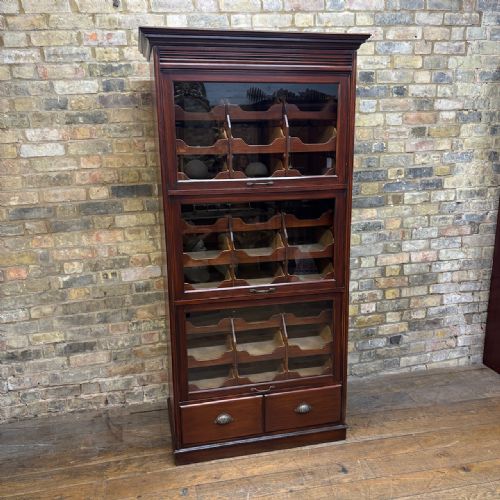
- A proprietary stacking barrister bookcase system composed of modular glazed sections.
- Secretaire bookcase
- A tall cabinet incorporating a pull-out writing drawer with fitted pigeonholes and small drawers behind a drop front.
- Satinwood
- A lustrous tropical hardwood utilised for contrasting stringing, crossbanding, and decorative inlay.
Vintage Bookcase with Glass: Frequently Asked Questions
How do I clean the glass safely?
Use a soft microfiber cloth and a mild glass cleaning solution applied directly to the cloth rather than the wood. This prevents moisture damage to vintage polished surfaces and frames.
Take care around leaded or antique hand-blown glass panes, which can be fragile and sensitive to excessive pressure during wiping.
Can shelves be adjusted?
Many Edwardian and Victorian bookcases feature fixed wooden shelving systems integrated during original construction. Sectional stacking bookcases allow rearrangement of individual modular tiers.
Later mid-century examples more frequently incorporate adjustable metal supports or track systems for flexible shelf placement.
How do I date a piece?
Examine construction traits, timber types, and hardware styles to determine the approximate period of manufacture. Oak and heavy carvings often point toward Victorian or Arts and Crafts origins, while lighter satinwood inlay suggests Edwardian production.
Maker stamps, patent labels, and lock signatures provide definitive chronological markers when present on the woodwork.
Are keys usually included?
Original working keys are occasionally present with antique locks, though many older cabinets operate without them. Replacement period-style keys can sometimes be fitted by a specialist locksmith.
Cabinets with sliding glass doors or magnetic latches generally do not require keys for everyday operation.