
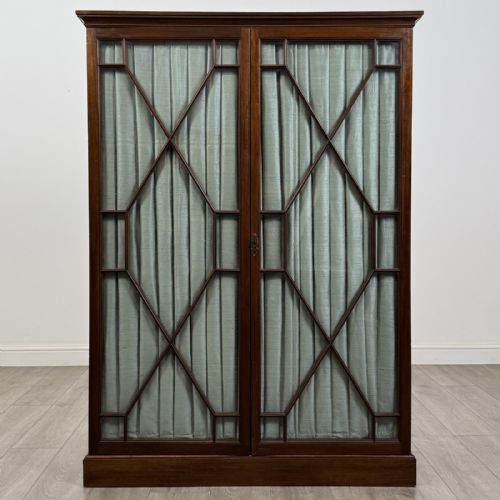
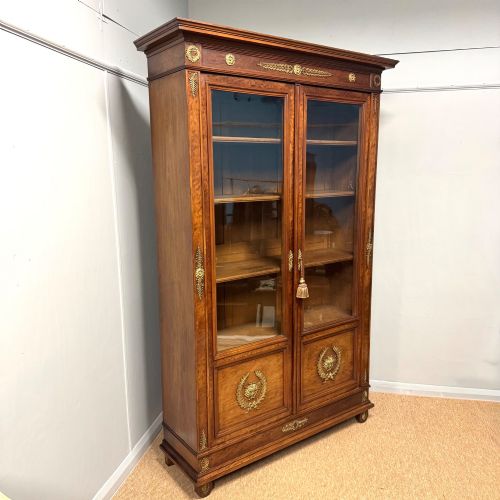
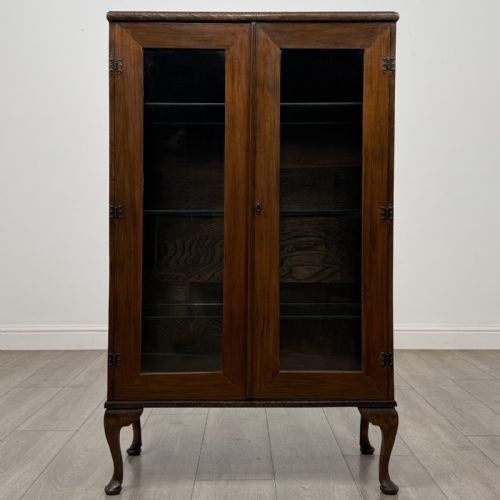
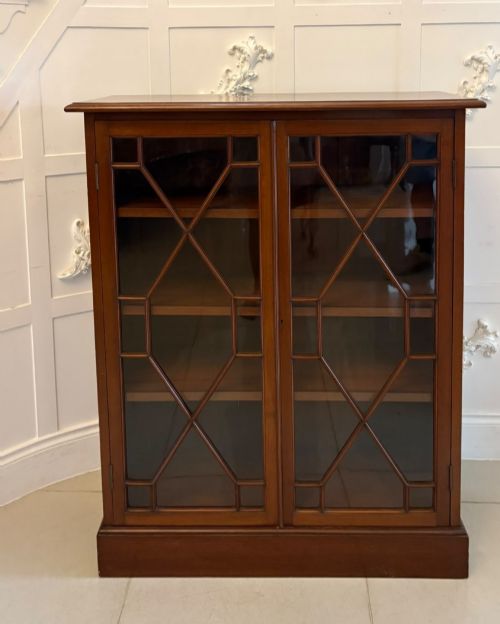
Vintage Bookcase with Doors
A vintage bookcase with doors keeps volumes protected behind glass or timber panels while anchoring a room with period character.
Vintage Bookcase with Doors
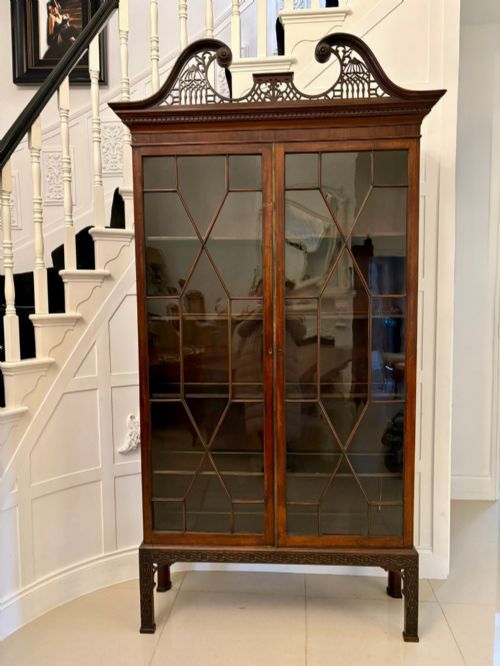
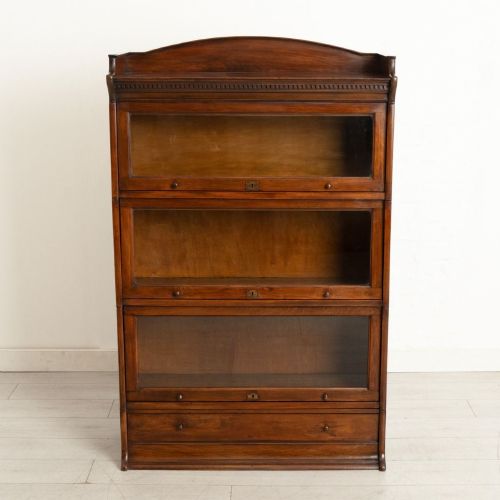
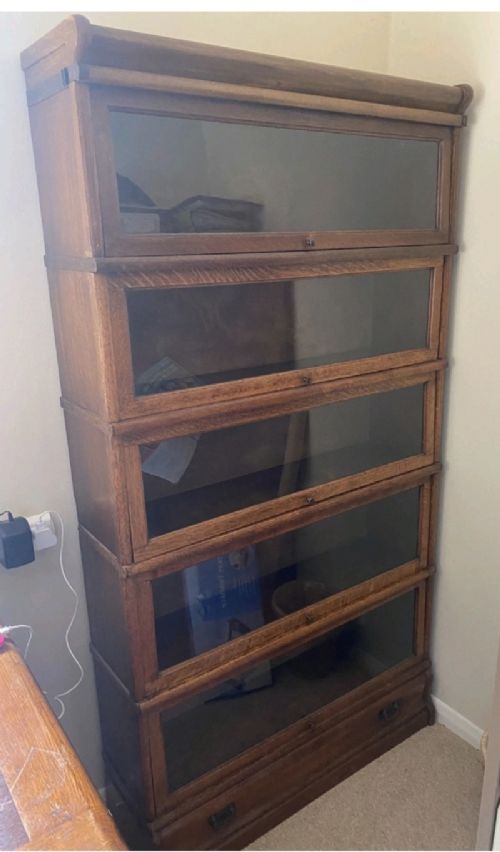
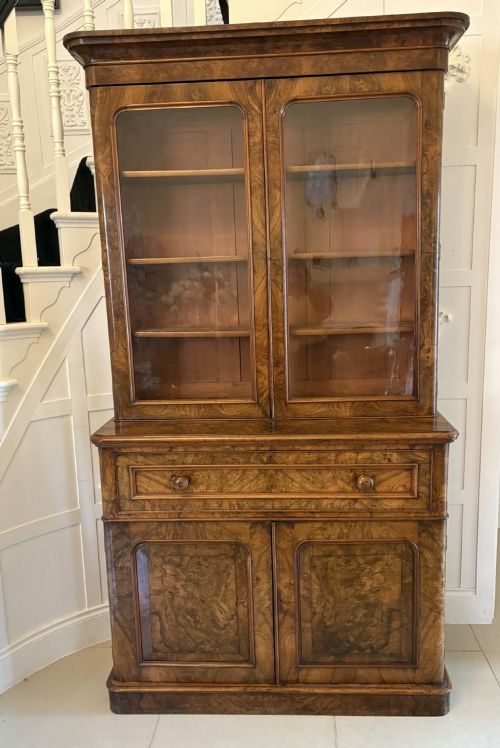
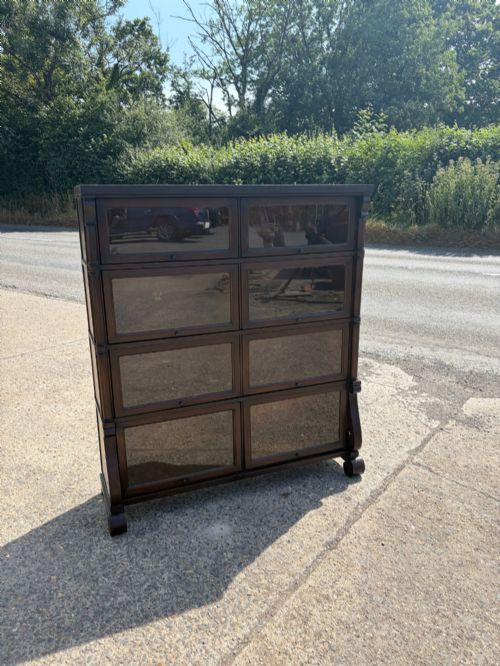
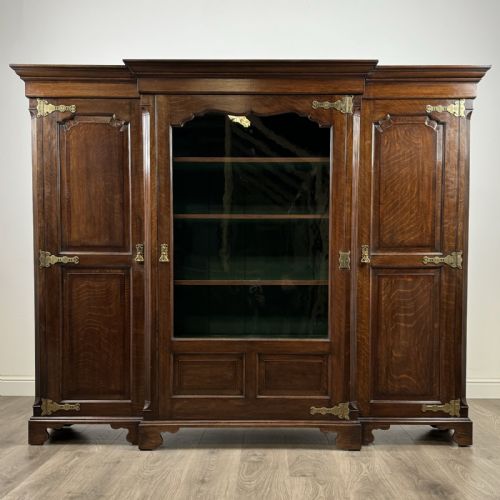
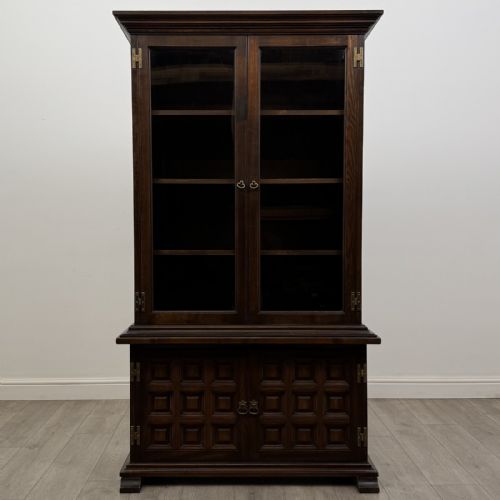
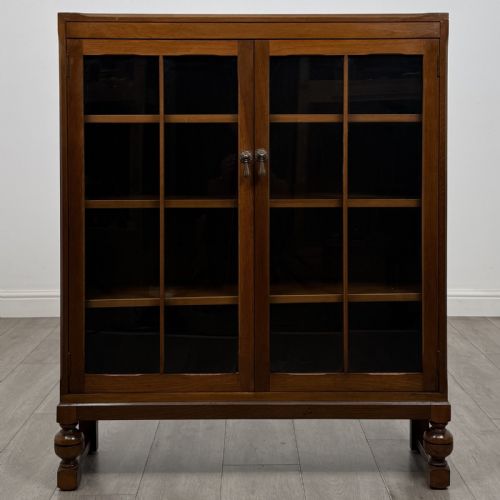
A vintage bookcase with doors spans several centuries of cabinet making, drawing on Georgian, Regency, Victorian, and Edwardian periods. Buyers encounter formats ranging from tall mahogany bureau bookcases to compact Edwardian display cabinets and stacking oak barrister bookcases.
The pieces on this page include specialised forms such as secretaire bookcases with fitted writing interiors and glazed cabinets designed for school libraries or domestic studies. Proportions vary from grand architectural library pieces down to small cupboards with glass doors.
Materials and Construction
Cabinet makers utilised dense hardwoods like mahogany, walnut, and oak, often selecting figured veneers or adding satinwood inlay for decorative contrast. Secondary timbers such as pine appear on interior shelving and backing boards.
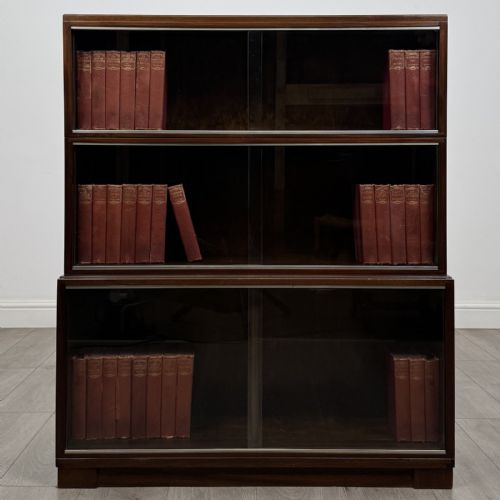
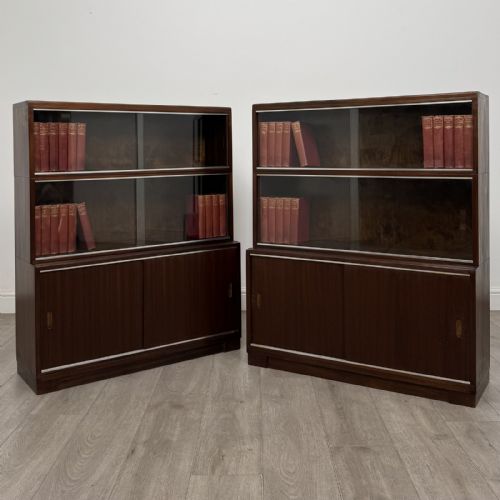
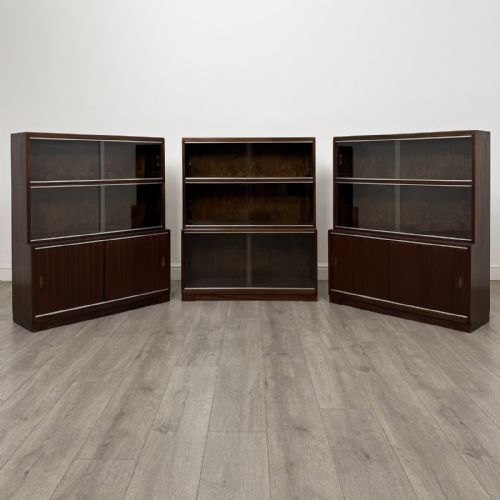
Doors incorporate fitted glass panes held by timber glazing bars or lead cames, complemented by brass handles, hinges, and locks. Stacking sectional designs utilise specialised hardware to allow modular placement without permanent fixings.
Listings feature oak, mahogany, walnut, and satinwood, spanning Georgian, Regency, Victorian, and Edwardian periods.
Distinctions in Standard
Quality rests upon the selection of timber figure, the precision of cabinet joinery, and the integrity of the original glass and brass hardware. Superior examples display balanced proportions, crisp carving, and well-fitted interior drawers rather than plain utility construction.
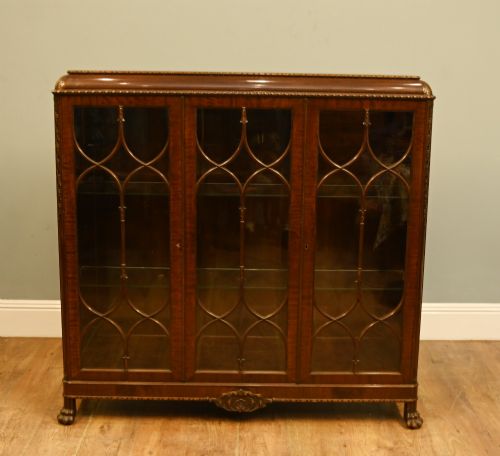
The refinement of door glazing bars, such as delicate astragal configurations, separates standard cabinet work from finer library furniture. Intact fitted writing compartments with original leather or pigeonholes elevate the standing of secretaire models.
Minty·Globe Wernicke
The Vintage Bookcase with Doors Glossary
- Astragal glazed
- A method of framing glass panes within a door using thin timber mouldings that form geometric or curving grids. This technique lightens the visual weight of large wooden doors while securing the glass.
- Secretaire
- A desk component featuring a drop-front writing flap that conceals small drawers and pigeonholes inside a cabinet structure. It combines storage with a concealed writing surface.
- Barrister bookcase
- A modular shelving unit with vertically lifting glass doors that slide into the top of each individual compartment. The stacking design allows sections to be added or separated easily.
- Inlay
- A decorative technique where contrasting timbers or materials like satinwood are inserted into recesses flush with the main surface. It creates ornamental borders and patterns on cabinet doors and cornices.
Vintage Bookcase with Doors: Frequently Asked Questions
How do I date a bookcase?
Dating relies on combining the timber species, construction methods, and stylistic details visible in the cornices, feet, and door framing. Earlier pieces often display hand-cut dovetails and native hardwoods, while Edwardian and later examples show standardised machine-cut elements.
Hardware such as brass hinges and lock plates also provides chronological clues, alongside the overall proportions which shifted from heavy Georgian architectural forms to lighter Edwardian display formats.
What is a secretaire bookcase?
A secretaire bookcase integrates a pull-down or drop-front writing drawer into the upper section of a shelved cabinet. When opened, it reveals a fitted interior with small drawers and pigeonholes for correspondence.
This dual function made them popular in Georgian and Regency studies where floor space was at a premium, allowing a writing desk and a bookcase to occupy the same footprint.
How do I care for antique wood?
Maintaining antique timber requires keeping pieces away from direct heat sources and sudden humidity changes that cause wood to split or warp. Regular dusting with a soft dry cloth preserves the finish without abrasive buildup.
Occasional application of traditional wax feeds polished surfaces like mahogany and oak, helping to maintain their natural lustre over decades of domestic use.