
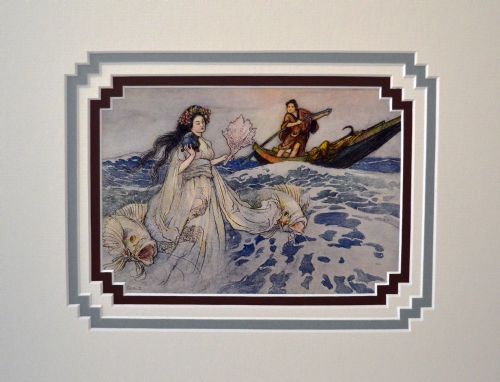
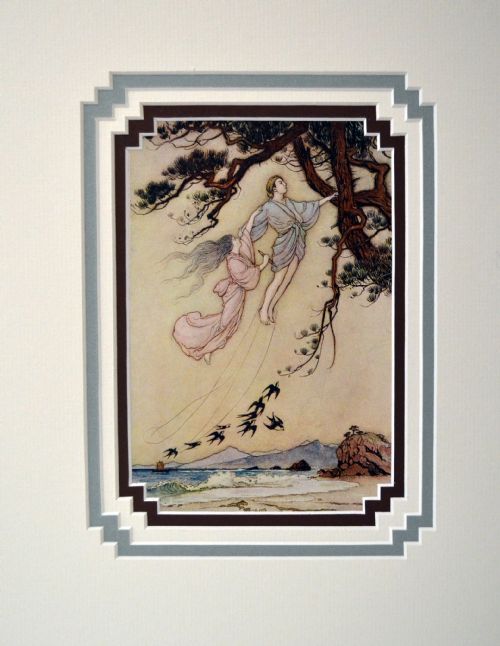
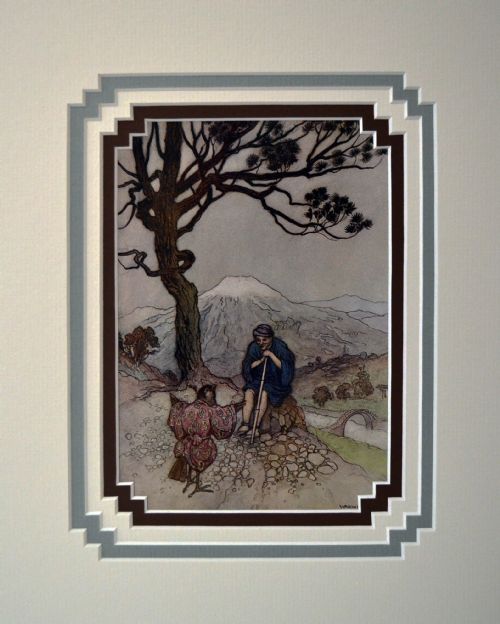
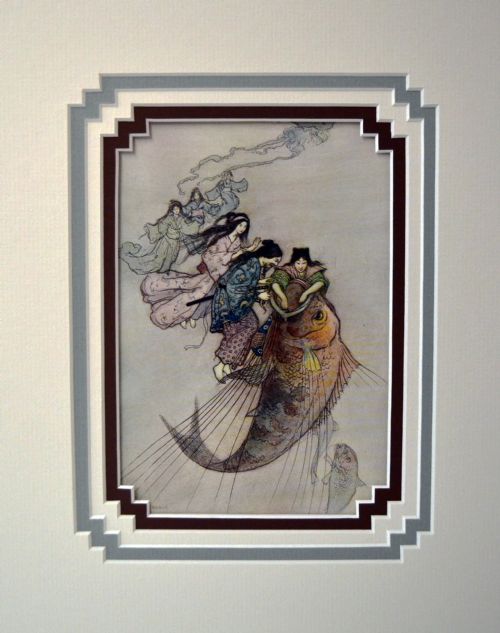
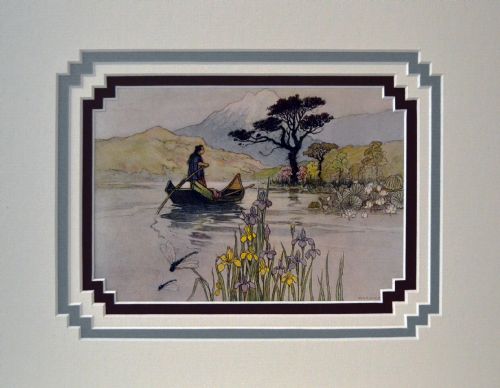
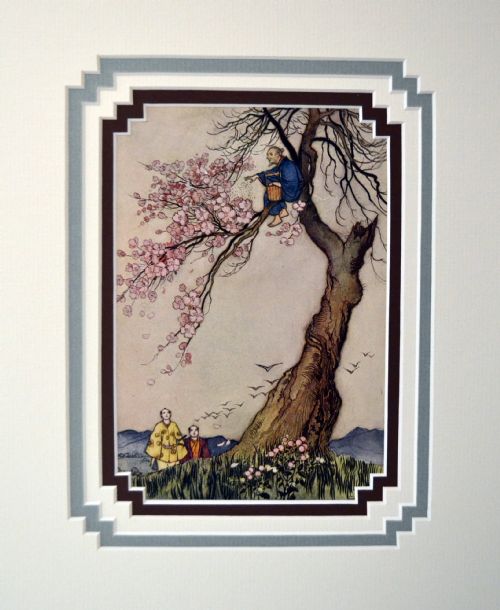
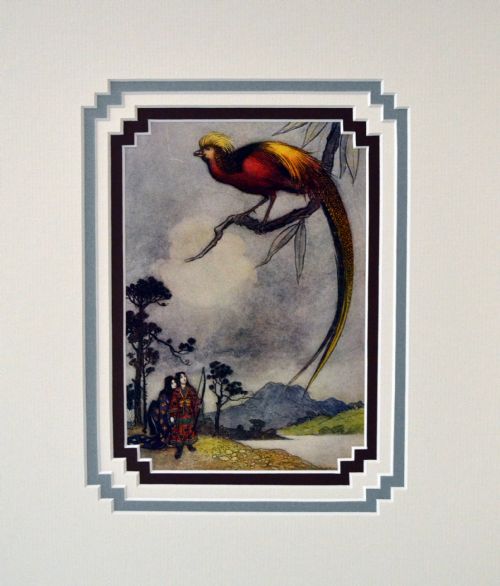

Vintage Book Illustration
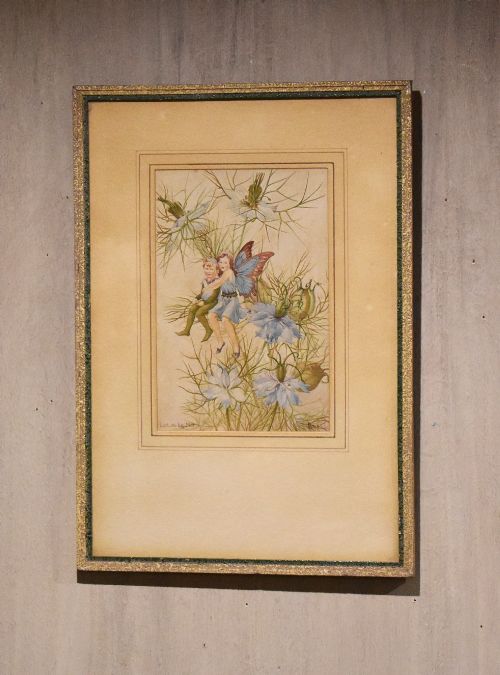
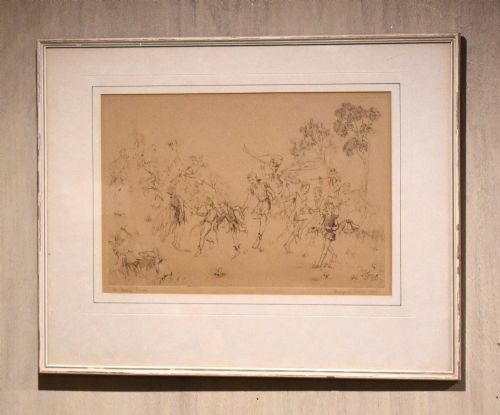
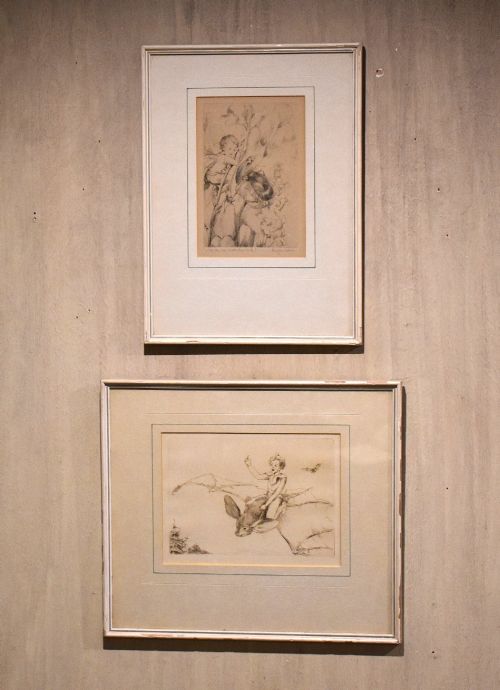
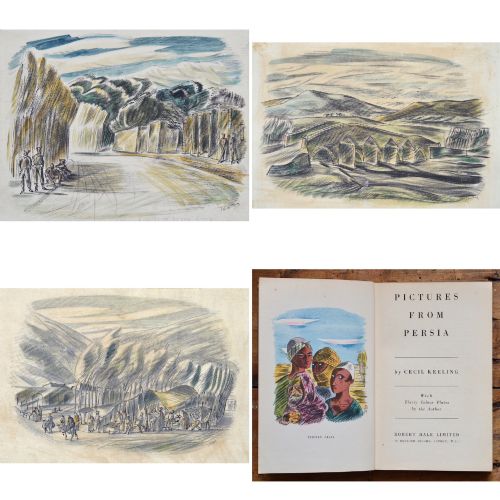
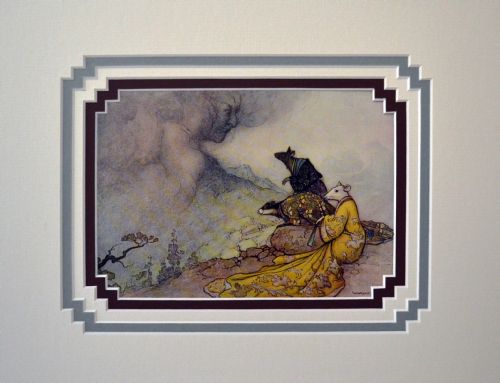
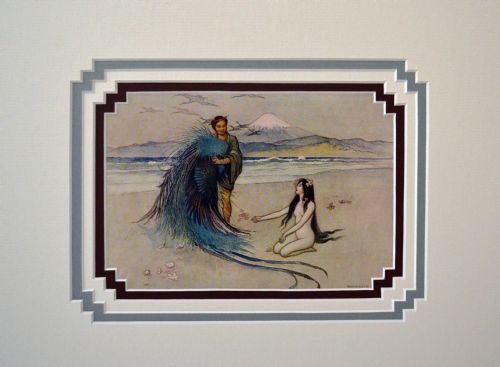
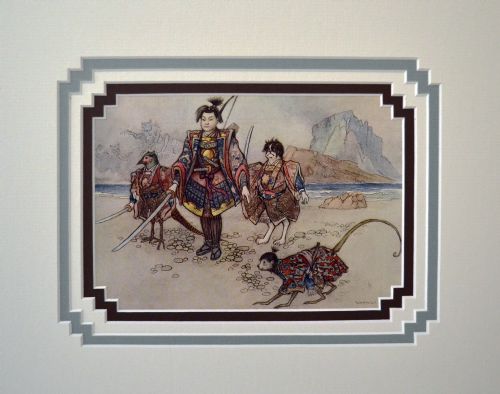
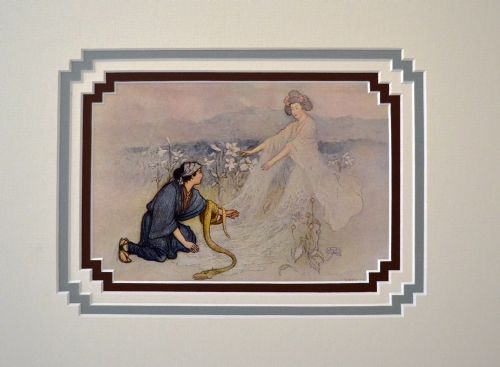
These vintage book illustration pieces bring narrative art into the room, spanning Victorian volumes to mid-century drawings.
Vintage Book Illustration
When you search for vintage book illustration, you encounter a diverse range of antique prints, original artwork, framed prints, and antique books. These objects preserve the graphic output of past centuries, taking the form of plates removed from first editions, original ink drawings, and complete illustrated volumes.
The selections on this page draw from the Victorian era, the 1910s, 1920s, 1930s, and 1940s. You will frequently meet Edwardian first edition prints alongside mid-century modern artworks and wartime drawings.
Object types include framed art prints, antique books, and individual prints on paper, card, and mountboard. Each piece reflects the publishing standards and artistic movements of its specific decade of origin.
How they were made
These works rely on traditional supports such as paper, card, cardboard, mountboard, and wood. Makers utilised media including ink and watercolour to create original artwork and preparatory plates for publication.
Reproduction techniques range from early print methods used in Edwardian fairy tale volumes to hand-drawn pen and ink watercolours and original copper plates. Materials are often paired with protective glass and framing elements to preserve the fragile paper surfaces.
Some illustrations survived because someone cared enough to rescue them from broken Victorian bindings.
What varies in quality
The distinction between tiers rests upon whether a piece is an original drawing by a named hand or a mass-produced plate from a standard edition. Original artwork and first edition prints command greater attention from collectors than later impressions.
Condition of the paper, ink vibrancy, and the integrity of the original binding or mount board dictate the overall grade. Works retaining their authentic association with published literature hold superior archival interest.
Cecil Keeling·Warwick Goble·Léon Bakst·Mariette Lydis·Gustave Dore·Fred Lawson
The Vintage Book Illustration Glossary
- First edition
- The earliest published iteration of a book, containing the primary printing of its text and illustrations.
- Copper plate
- A metal sheet etched or engraved with a design for transferring inked impressions onto paper.
- Mountboard
- A heavy paper-based board used to frame and support prints away from glass.
- Original artwork
- A unique piece drawn or painted by hand, as opposed to a mechanical reproduction.
Vintage Book Illustration: Frequently Asked Questions
What is a vintage book illustration?
A vintage book illustration is a piece of art created for publication in a book or issued as a standalone print during an earlier era. These works include plates from early twentieth-century fairy tales and original pen and ink drawings.
They capture the graphic styles of Victorian, Edwardian, and mid-century periods, offering a direct link to historical book design and publishing.
How were these illustrations displayed originally?
Many illustrations served as visual accompaniments to stories, poems, and reference books, bound directly into volumes or inserted loosely as plates. Publishers designed them to complement the text and set the visual tone of the publication.
Over time, individual plates often found their way out of broken bindings to be framed and displayed independently on walls.
How do I care for framed paper prints?
Paper and card illustrations require protection from direct sunlight to prevent the fading of inks and watercolours. Keeping them behind glass in stable indoor humidity protects the fragile materials from environmental degradation.
Avoid hanging these pieces in damp spaces or areas prone to severe temperature fluctuations.
Are these pieces original art or reproductions?
The inventory includes both original hand-drawn artwork, such as pen and ink watercolours and copper plates, and period first edition prints. Listings specify whether an item is a unique drawing or a published plate.
Examining the medium helps determine the exact nature of the piece you are viewing.