



Vintage Bone China Vase
These vintage bone china vase examples bring traditional English porcelain into the room, offering painted scenes and gilded detail from decades past.
Vintage Bone China Vase
When you search for a vintage bone china vase, you find decorative vessels spanning from the Victorian era through the mid-twentieth century. The selection leans heavily toward prominent English potteries that decorated ceramic bodies by hand.
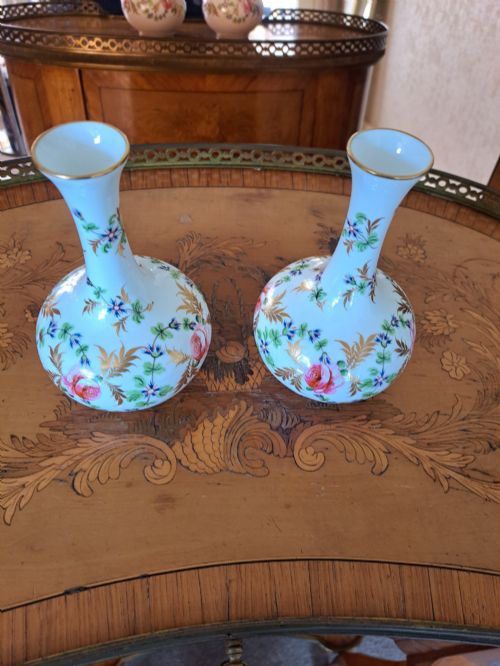
Forms range from simple spill vases and bud vases to twin-handled urns, ginger jars, and pot pourri vessels with covers. Many pieces display specific rural motifs, including highland cattle, storks, and botanical fruit studies.
The majority of these objects originate from Staffordshire potteries and established houses operating through the early and mid-nineteenth and twentieth centuries. Buyers frequently encounter Edwardian and Art Deco styling alongside traditional floral themes.
How they were made
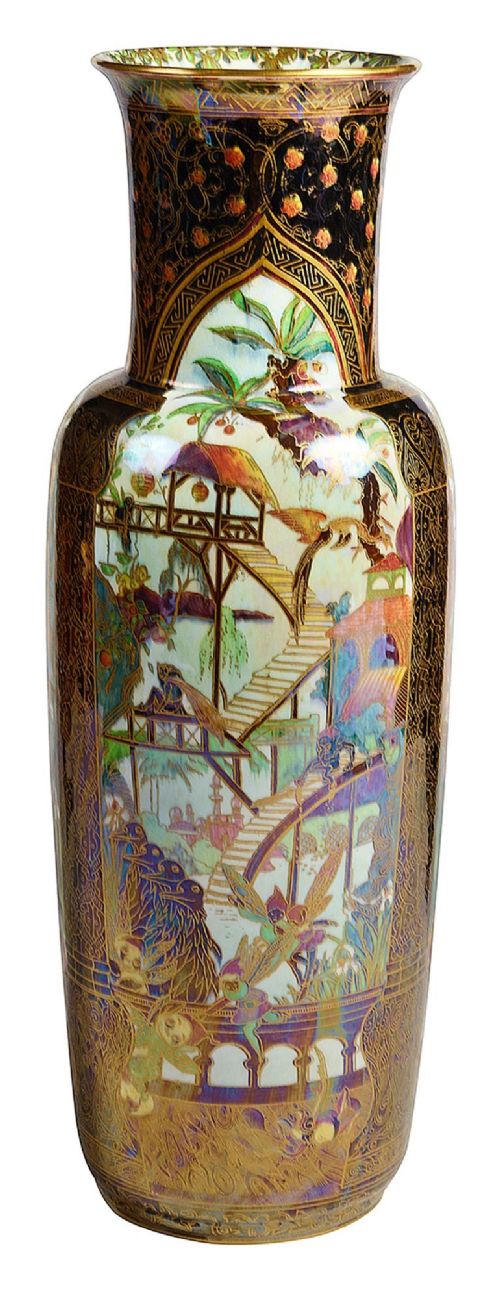
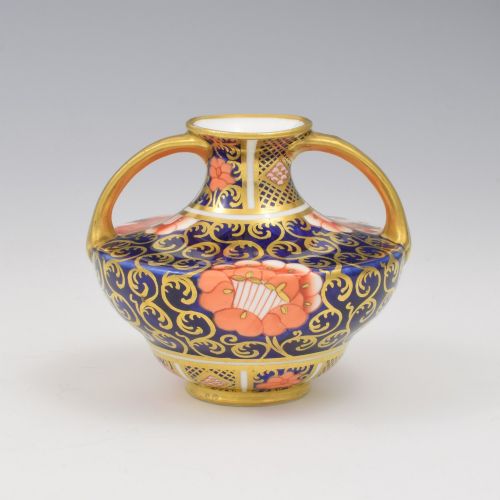
Potters shaped bone china and porcelain bodies before applying intricate hand-painted enamel decoration. Artisans often finished pieces with gold leaf, gilding, or lustre glaze highlights.
Signatures from notable artists frequently appear alongside factory backstamps, confirming individual hand-painted execution. Firing techniques fixed rich polychrome palettes and metallic accents securely to the ceramic surface.
Vintage Bone China Vase Retail Price Guide 2026
Typical asking prices for vintage bone china vase among the pieces listed under this phrase on Sellingantiques today, from the lower quarter to the upper quarter. They describe what is for sale here now, not the wider market.
Several Worcester artists clearly spent long hours painting tiny highland cattle into pastoral corners just so future owners could peer closely through magnifying glasses.
What varies in quality
The precision of the hand-painted artistry dictates the standing of an individual piece. Work by documented studio painters carries distinct merit over standard factory decoration.
Intricacy of form, the presence of matching pairs, and the crispness of gilded highlights differentiate standard decorative items from superior collector pieces.
Royal Worcester·Royal Crown Derby·Royal Doulton·Coalport·Wedgwood
The Vintage Bone China Vase Glossary
- Bone china
- A type of soft-paste porcelain incorporating bone ash for added strength and translucency. It forms the crisp white base for delicate painted scenes.
- Lustre glaze
- A metallic film applied to ceramics to produce an iridescent sheen. It catches the light differently depending on the angle of view.
- Spill vase
- A tall, narrow vessel historically designed to hold slender tapers used for lighting candles or fires. These cylindrical pieces often feature landscape or floral motifs.
- Pot pourri
- A decorative vase or jar featuring a pierced cover designed to diffuse dried scented plant material into a room. The perforations allow fragrance to escape while concealing the contents.
- Gilding
- The application of gold leaf or gold powder to ceramic surfaces for decorative accent. It highlights handles, rims, and borders.
Vintage Bone China Vase: Frequently Asked Questions
How do I date a vintage bone china vase?
Examine the base for factory backstamps, which often change by decade or incorporate registration numbers.
Artist signatures and stylistic cues such as Edwardian shapes or Art Deco motifs also help narrow the production period.
Are these vases meant for fresh flowers?
While many functional vessels can hold water, historical painted and gilded pieces often serve a purely decorative role.
Using them for display protects delicate enamel work and metallic lustre from moisture damage.
What is the difference between porcelain and bone china?
Bone china includes calcined bone ash within the paste mixture, which creates a warmer tone and greater durability.
Traditional porcelain often feels harder and more vitreous, though both materials support fine hand-painted decoration.
How should I clean a painted ceramic vase?
Dust the surface gently with a soft, dry cloth to remove everyday particles without disturbing the glaze.
Avoid chemical cleaning agents and running water, particularly on pieces with exposed gold leaf or enamel work.