


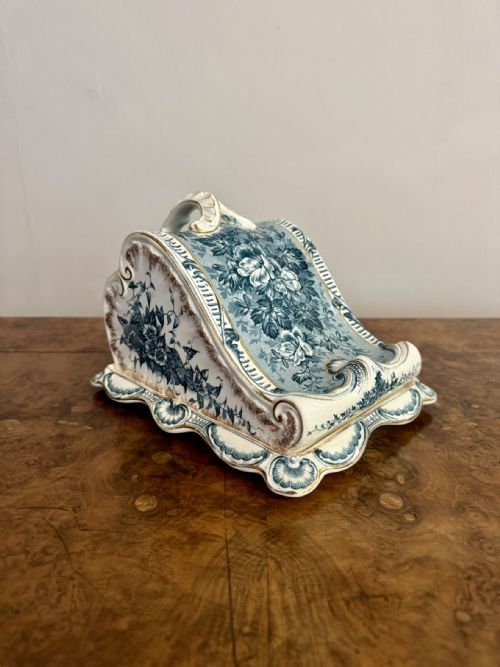
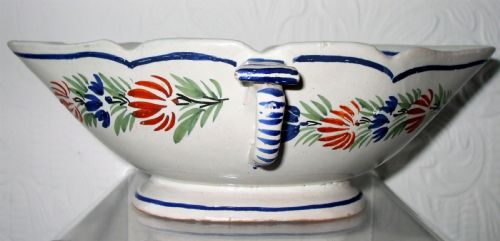
Vintage Blue White Pottery
Vintage blue white pottery spans centuries of earthenware, porcelain, and tin-glazed wares decorated in cobalt.
Vintage Blue White Pottery
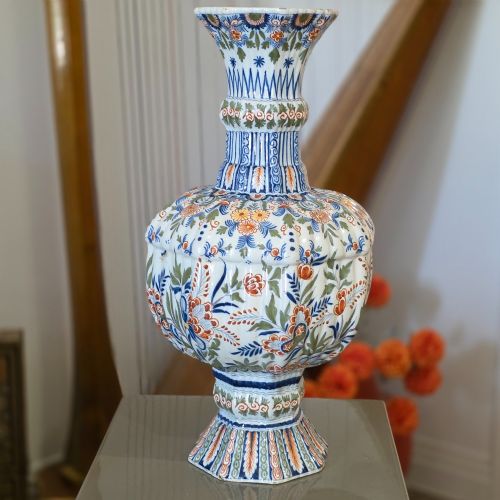
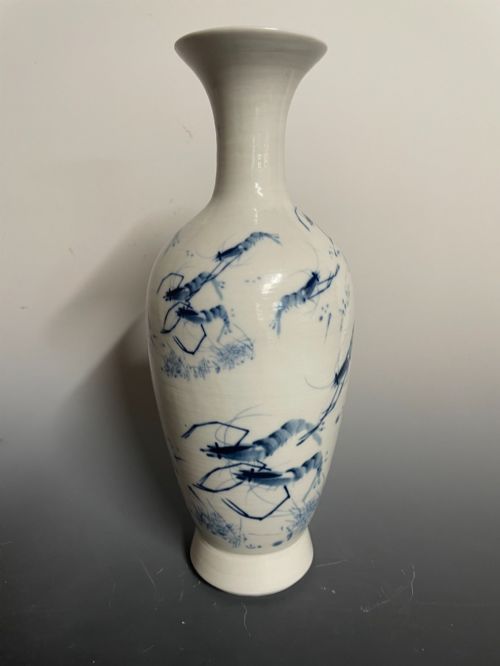
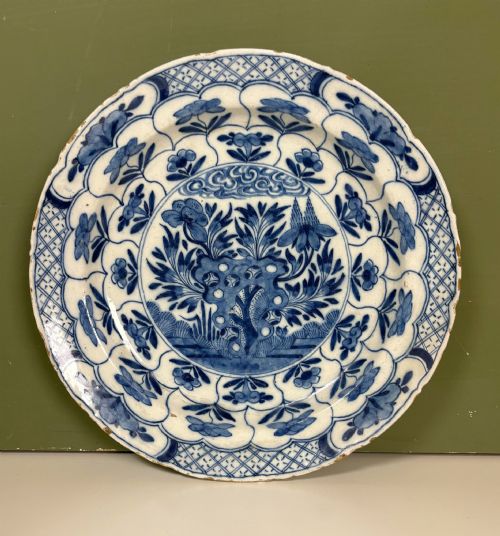
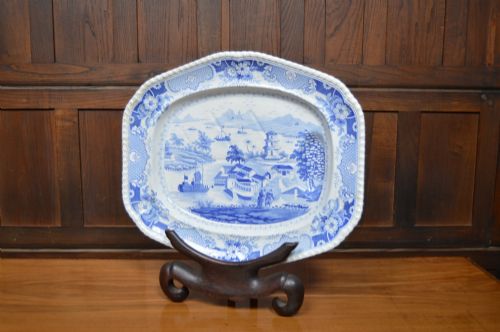
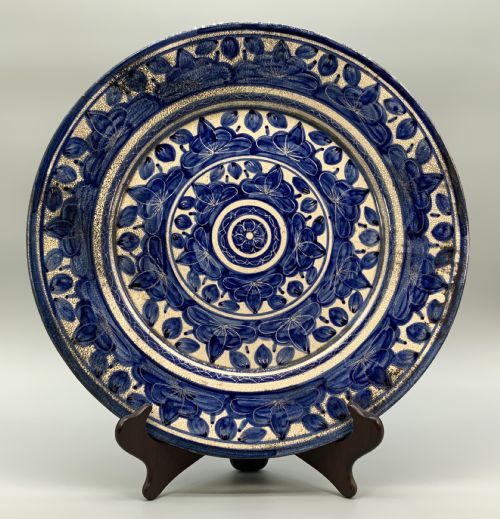
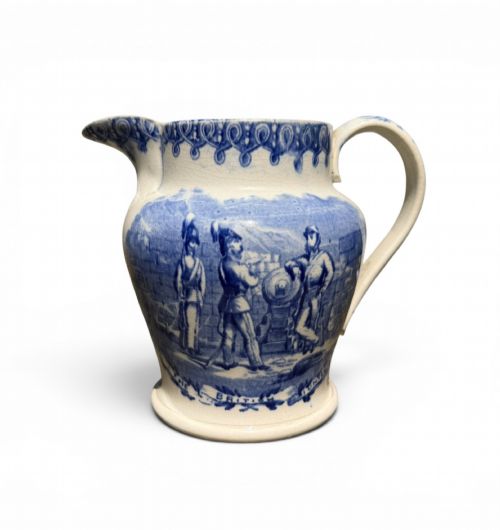
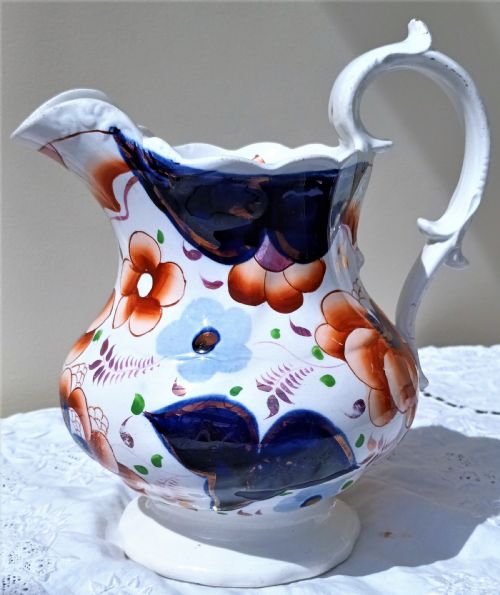
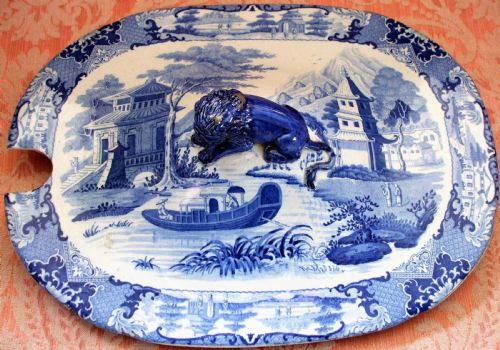
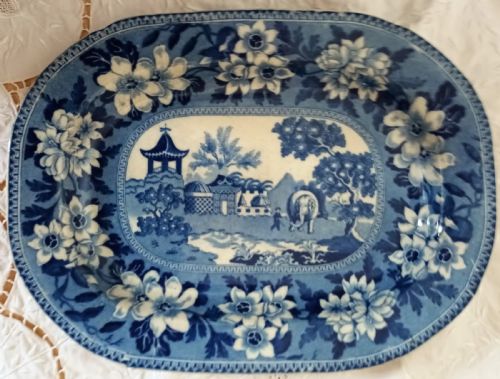
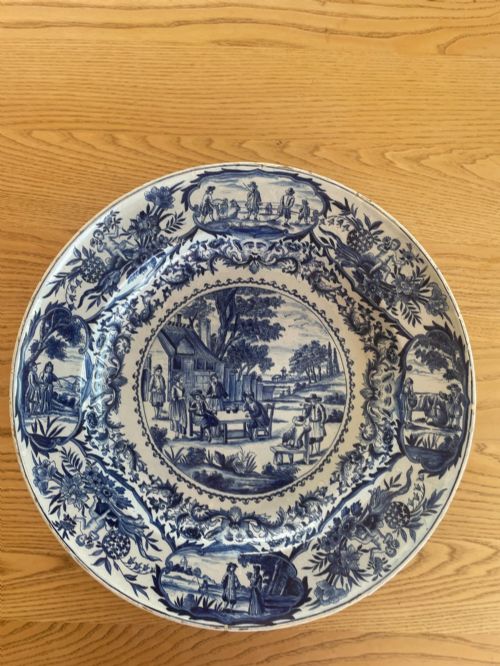
Buyers seeking vintage blue white pottery examine a diverse selection of chargers, dishes, vases, and jugs originating from multiple European and Asian traditions. The pieces appearing most frequently range from eighteenth-century tin-glazed chargers to nineteenth-century transfer-printed earthenware and continental faience.
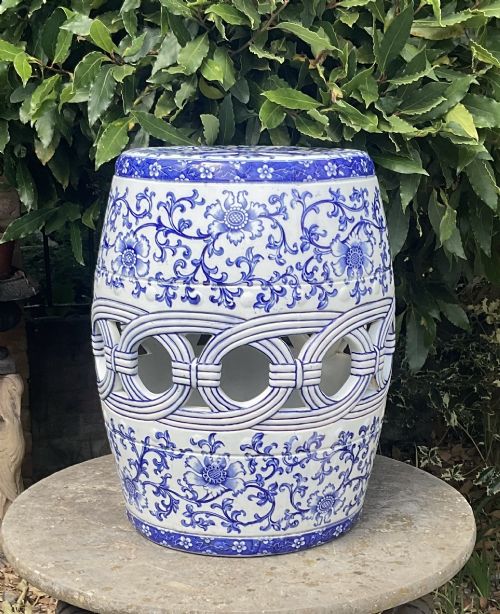
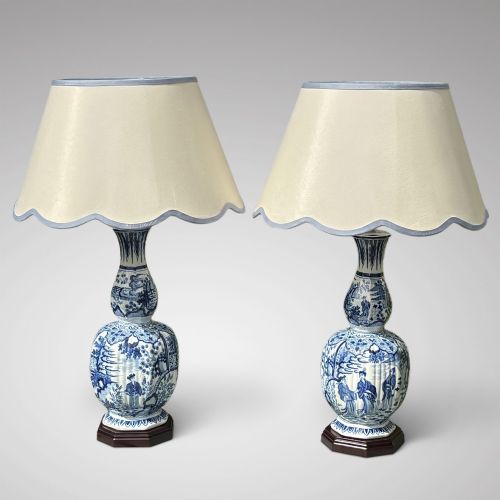
Forms extend beyond standard tableware to encompass decorative garden seats, table lamps converted from earlier vessels, inkstands, and figural animal creamers. English transferware and Dutch delftware form the backbone of the selection, accompanied by French and Italian faience.
The objects cross several historical periods, primarily representing the eighteenth and nineteenth centuries alongside later nineteenth-century adaptations and mid-twentieth-century productions. Collectors encounter everything from large floor vases to small pocket dishes.
Materials and production methods
Makers utilised earthenware, ceramic, and porcelain bodies, applying tin glazes or transparent lead glazes to create the pale surfaces necessary for cobalt decoration. Tin-glazed earthenware and faience required a secondary firing to fix the opaque white glaze beneath the painted blue pigments.
Nineteenth-century potteries adopted transfer printing, applying engraved paper patterns onto moist clay bodies before glazing and firing. Hand-painted Dutch delft and continental pieces relied on direct brushwork applied by trained artisans onto raw or fired glaze surfaces.
The inventory combines earthenware, porcelain, and tin-glazed earthenware across the 18th, 19th, and 20th centuries.
Assessing quality in blue and white ceramics
Quality rests primarily in the crispness of the cobalt decoration and the stability of the glaze application. Hand-painted brushwork shows variation in line control and depth of tone, whereas transfer-printed items depend on the clarity of the engraved copper plate transfer without blurring or smudging.
The refinement of the ceramic body and the uniformity of the kiln firing separate standard utility wares from decorative exhibition pieces. Form and modelling matter significantly in figural items such as cows, Toby jugs, and animal creamers, where anatomical detail dictates the standard of execution.
Minton·J W R·Robert Hamilton·John Rogers And Son·John And Richard Riley·Copeland·T G Green·Doulton Lambeth
The Vintage Blue White Pottery Glossary
- Tin-Glazed Earthenware
- Pottery covered in an opaque white glaze containing tin oxide, providing a smooth canvas for cobalt blue painting. This technique is common in Dutch delftware and French faience.
- Transferware
- Earthenware decorated by pressing a paper transfer from an engraved copper plate onto the ceramic body. The method allowed complex pictorial scenes to be replicated consistently.
- Charger
- A large ornamental plate designed primarily for display on a wall or dresser rather than for table service. Eighteenth-century examples frequently feature hand-painted cobalt designs.
- Faience
- European tin-glazed earthenware produced in France, Italy, and other continental centres. The style mimics Chinese porcelain aesthetics using local clay bodies.
- Albarello
- A vertical cylindrical earthenware jar used by apothecaries for storing dry drugs and ointments. These pharmaceutical vessels often carry painted cobalt labels and botanical motifs.
Vintage Blue White Pottery: Frequently Asked Questions
How do I date antique blue and white pottery?
Dating relies on identifying the ceramic body, glaze composition, and decorative technique used by the maker. Transfer printing indicates a nineteenth-century origin, while tin glazes point toward earlier eighteenth-century production methods.
Maker marks, registration numbers, and stylistic cues like Georgian or Victorian forms help narrow the manufacturing window further. Comparing the piece to documented factory output solidifies the timeline.
What is the difference between delft and faience?
Delft refers specifically to tin-glazed earthenware produced in the Netherlands, particularly associated with the city of Delft. The style draws heavy inspiration from imported Chinese blue and white porcelain.
Faience is the broader continental term encompassing tin-glazed pottery made across France, Italy, and other European regions. Both share similar glazing techniques but exhibit distinct regional artistic styles.
How should I display blue and white ceramics?
Displaying these ceramics safely requires stable shelving and protection from direct sunlight and high humidity. Chargers often utilise wall mounting wires or specialised plate stands to remain secure.
Larger vessels like vases, urns, and footbaths anchor console tables or mantelpieces effectively. Table lamps convert historical ceramic bodies into functional lighting while preserving the antique form.