




Vintage Blue Sofa
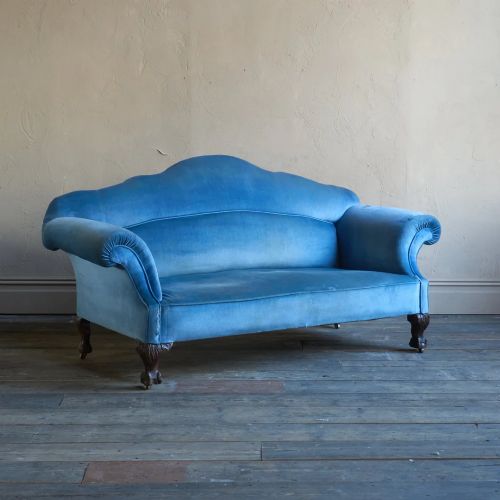
A vintage blue sofa brings colour and comfort to a room, drawing the eye with rich upholstery and period timber frames.
Vintage Blue Sofa
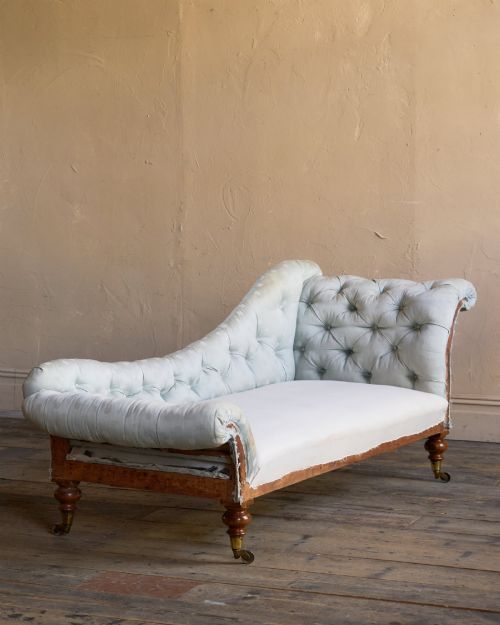
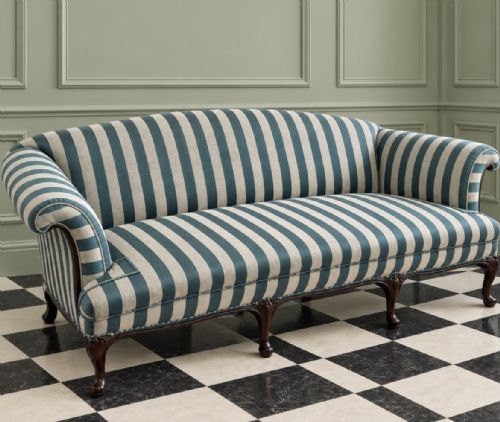
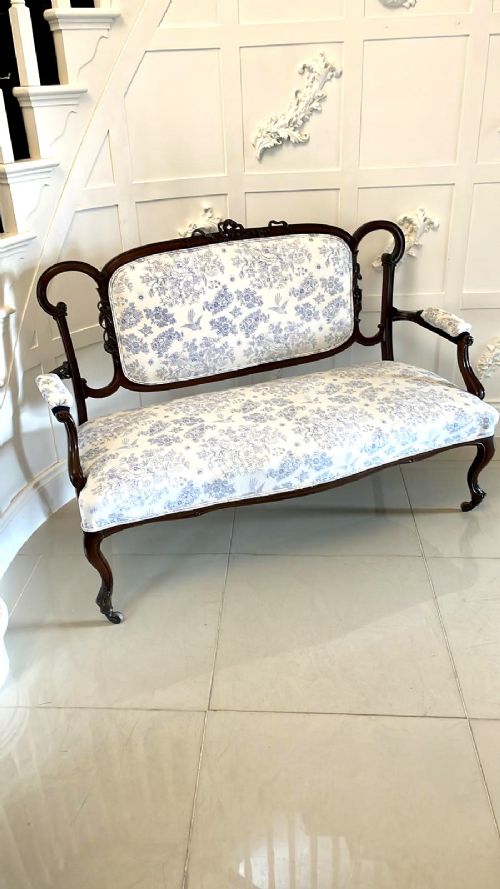
When you search for a vintage blue sofa, you encounter a range of nineteenth-century and early twentieth-century seating options that span Victorian, Edwardian, and Continental design styles. These pieces encompass everything from button-backed canapés and deep-sprung Chesterfields to carved walnut settees and French day beds.
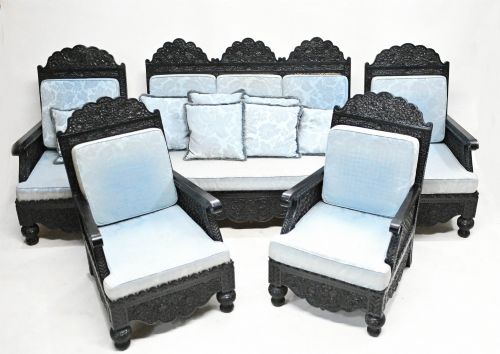
You are most likely to meet heavily upholstered styles covered in blue velvet or traditional fabric, often finished with tassel trims, drop arms, or exposed mahogany and walnut frames. Forms vary from two-seat couches and camelback shapes to larger multi-piece suites originating from English, French, and colonial workshops.
How they were made
Upholstery forms the central element of comfort, utilising traditional stuffing and webbing beneath top layers of fabric, velvet, and cane work. Brass accents, ball and claw feet, and tassel trims frequently complete the detailing on these seating pieces.
Vintage Blue Sofa Retail Price Guide 2026
Typical asking prices for vintage blue sofa among the pieces listed under this phrase on Sellingantiques today, from the lower quarter to the upper quarter. They describe what is for sale here now, not the wider market.
One literary-linked settee carries the name of Daphne Du Maurier's Rebecca, proving that antique seating sometimes holds a dramatic story.
What varies in quality
The standard of a vintage blue sofa depends heavily on the integrity of its wooden frame and the precision of its hand-carved ornamentation. Finer examples display crisp, deep carving in solid mahogany or walnut, whereas simpler pieces rely on painted finishes or plain turned supports.
Quality also rests on the preservation of original elements, such as turned legs, castors, cane panels, and structural joinery. Pieces retaining their original proportions and robust internal framing stand apart from those requiring extensive reconstruction.
Robert Strahan & Co
The Vintage Blue Sofa Glossary
- Chesterfield sofa
- A deep-buttoned, upholstered sofa traditionally featuring rolled arms of the same height as the back.
- Canapé
- An ornamental eighteenth or nineteenth-century French-style settee with an exposed wooden frame and upholstered seat and back.
- Cane panel
- Woven rattan or split cane used to form breathable backrests and seat bases on period chairs and settees.
- Camelback sofa
- A seating form distinguished by a graceful, undulating curved wooden or upholstered top rail resembling a camel's hump.
- Drop arm sofa
- A couch or settee featuring hinged arms that can be lowered independently to create a day bed or lounger.
Vintage Blue Sofa: Frequently Asked Questions
How do I identify a Victorian sofa?
Victorian sofas are generally characterised by heavy timber frames in mahogany or walnut, often featuring deep button-backed upholstery and elaborate carved details. Many examples sit upon turned legs fitted with castors.
Looking beneath the frame and examining the joinery helps confirm the nineteenth-century origin, alongside traditional upholstery materials and sprung construction.
What is a Howard style sofa?
A Howard style sofa is a nineteenth-century English design known for deep, comfortable proportions, low rolled arms, and upholstered wooden legs on brass castors. These pieces prioritise relaxed seating without sacrificing structural refinement.
They pair well with traditional and eclectic interiors, offering generous depth compared to formal parlour seating.
Can I reupholster a vintage sofa?
Many vintage sofas require reupholstering due to age and wear, particularly when dealing with worn fabric or vintage velvet. Frames with sound internal webbing and sturdy timber can easily accommodate new upholstery.
Working with traditional materials ensures the piece maintains its correct profile and sits properly within its period aesthetic.
How do French and English styles differ?
French styles like the Louis XV and Louis XVI usually display painted frames, cabriole legs, and exposed carved woodwork with cane panels or subtle upholstery. English pieces tend towards heavy fabric coverings, deep buttoning, and robust turned mahogany supports.
Each national tradition brings a distinct decorative vocabulary to nineteenth-century seating forms.