









Vintage Blue Porcelain Jar
When you handle a vintage blue porcelain jar, you hold a piece shaped by centuries of ceramic tradition.
Vintage Blue Porcelain Jar
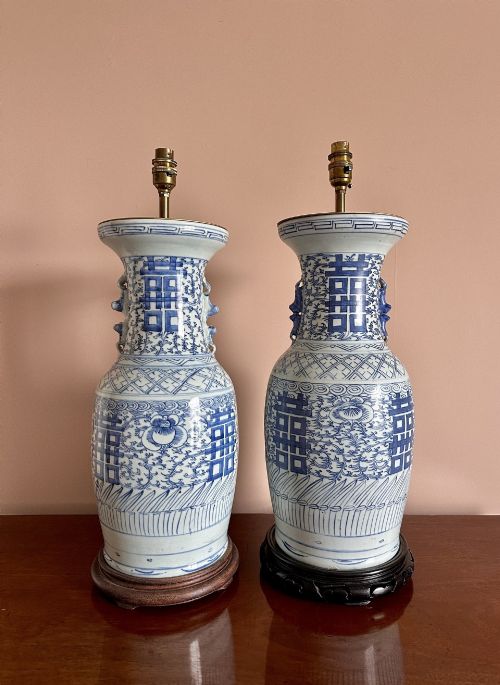
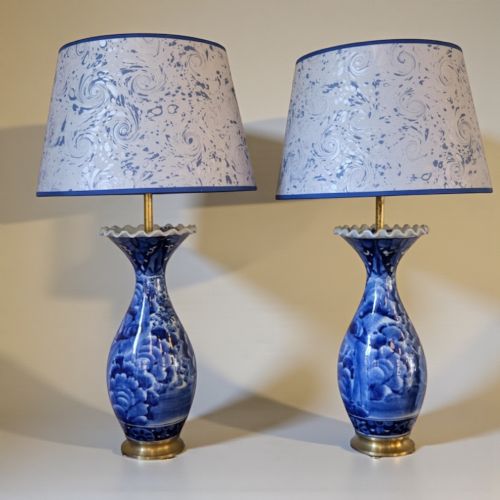
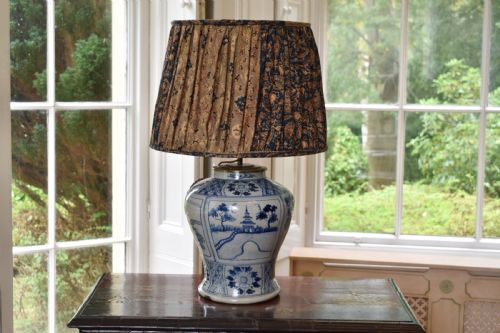
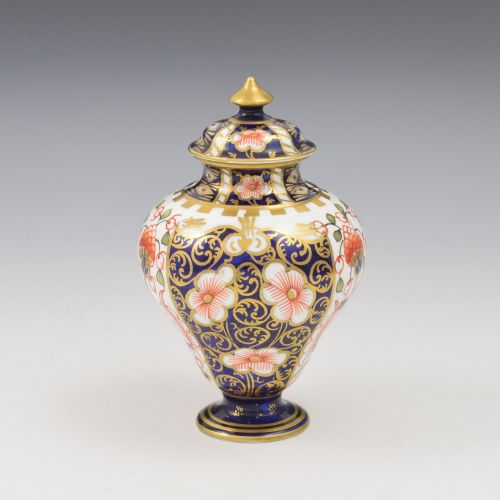
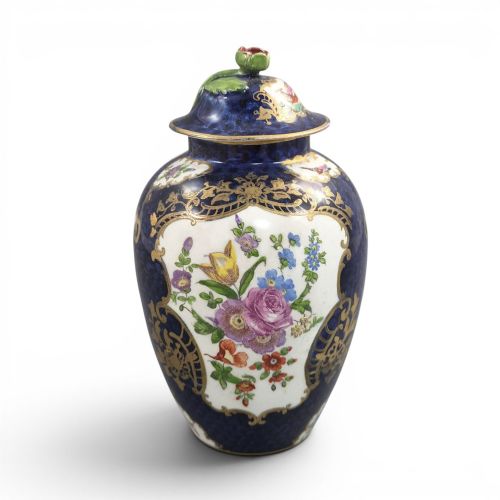
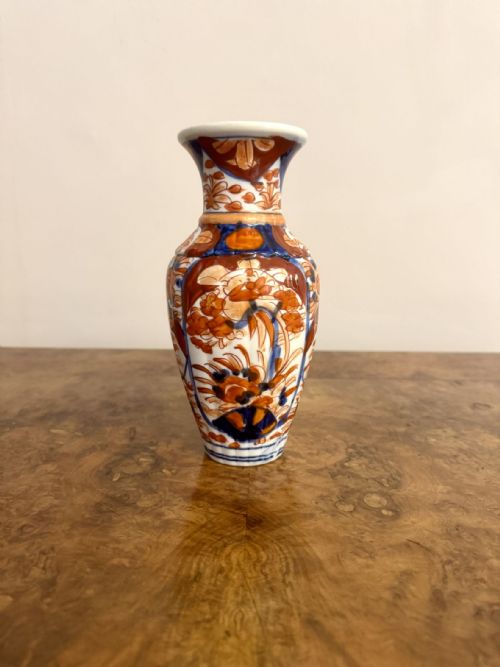
A vintage blue porcelain jar brings together centuries of ceramic design, ranging from traditional Chinese forms to Japanese Imari patterns and European interpretations. When searching for a vintage blue porcelain jar, collectors encounter lidded ginger jars, table lamps, biscuit barrels, and covered vases.
The pieces on this page span the nineteenth and twentieth centuries, taking in Victorian, Edwardian, and Art Deco periods alongside Meiji period Japanese works. Chinese blue and white porcelain and Japanese Imari styles dominate the selection, accompanied by English and French earthenwares and porcelains.
How they were made
Potters shaped these vessels from porcelain, ceramic, earthenware, and ironstone, applying cobalt blue pigments beneath transparent glazes or painting them with enamels and gold leaf. Many pieces incorporate secondary materials such as brass, wood, and silver plate for mounts, covers, and lamp fittings.
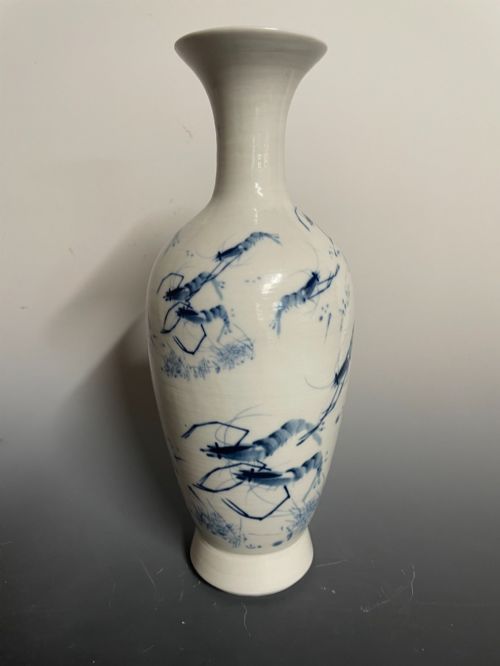
Techniques range from hand-painted underglaze blue decoration and crackle ware finishes to transfer printing seen in flow blue items. Kiln firing methods dictate the depth of the glaze and the crispness of the blue pigment against the white ceramic ground.
Vintage Blue Porcelain Jar Retail Price Guide 2026
Typical asking prices for vintage blue porcelain jar among the pieces listed under this phrase on Sellingantiques today, from the lower quarter to the upper quarter. They describe what is for sale here now, not the wider market.
Listings feature porcelain, earthenware, ironstone, and ceramic materials decorated in styles from Japanese Imari and Chinoiserie to Art Deco.
What varies in quality
Quality rests in the precision of the hand-painted decoration, the clarity of the blue pigment, and the uniformity of the glaze without excessive pooling or dry patches. Finer examples display balanced proportions on covered jars and sharply defined botanical or figurative motifs.
The execution of secondary materials also separates standard production from superior work, seen in the weight of brass mountings, the retention of original gilding, and the integrity of fitted lids and covers.
Royal Crown Derby·Booth S Silicon China·Carlton Ware·Samson of Paris·Royal Worcester·Fukagawa
The Vintage Blue Porcelain Jar Glossary
- Imari
- A style of Japanese porcelain decorated in underglaze blue, iron red, and gold, named after the port from which it was shipped.
- Biscuit barrel
- A covered ceramic container used originally on dining tables to hold dry biscuits or crackers, frequently fitted with metal mounts.
- Ginger jar
- A high-shouldered ceramic vessel with a domed cover, historically used for storing spices and later prized for display.
- Flow blue
- A type of transfer-printed earthenware where the cobalt blue ink bled slightly into the glaze during firing to create a soft, blurred effect.
Vintage Blue Porcelain Jar: Frequently Asked Questions
How do I date a blue porcelain jar?
Dating relies on stylistic markers, pottery marks stamped or painted on the base, and the characteristics of the glaze and body. Nineteenth-century pieces often show hand-thrown irregularities, while twentieth-century examples display more uniform industrial casting.
Examining the wear on the base and the formulation of the blue pigment provides further clues to the manufacturing era.
Were these jars used for food storage?
Many lidded vessels served utilitarian purposes in the pantry or on the dining table, such as tobacco jars, biscuit barrels, and powder boxes. Over time, decorative ginger jars and vases transitioned primarily into ornamental display objects.
Their robust ceramic and porcelain bodies made them practical containers before collectors repurposed them as lamps and mantel ornaments.
How should I clean my porcelain jar?
Dust porcelain surfaces gently with a soft, dry cloth to prevent accumulation in recessed areas and around painted details. Avoid soaking pieces with metal mounts, wooden elements, or delicate enamel and gold leaf decorations.
Lukewarm water and mild soap suffice for unmounted ceramic bodies, provided they are dried immediately with a lint-free towel.