



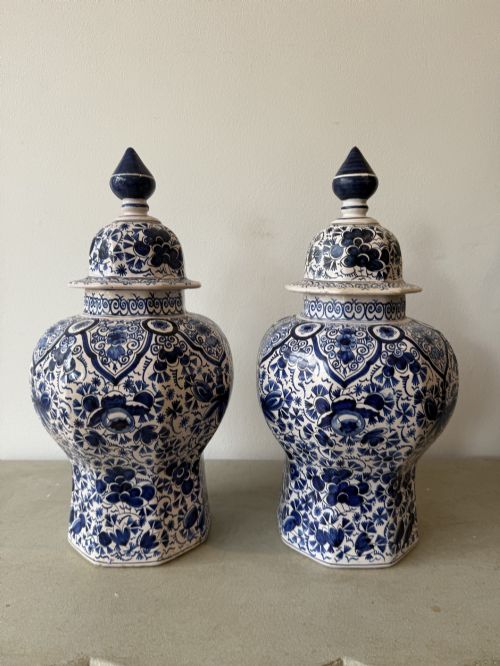




Vintage Blue and White Jar
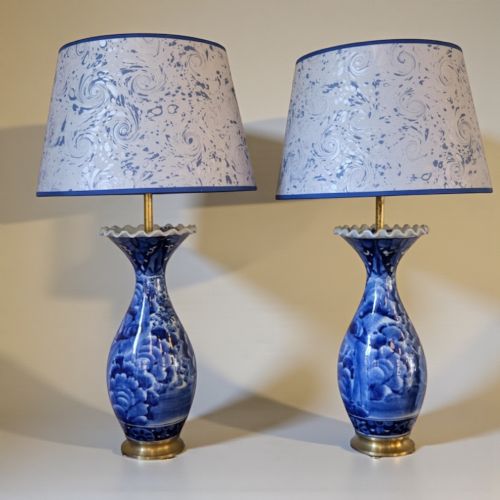
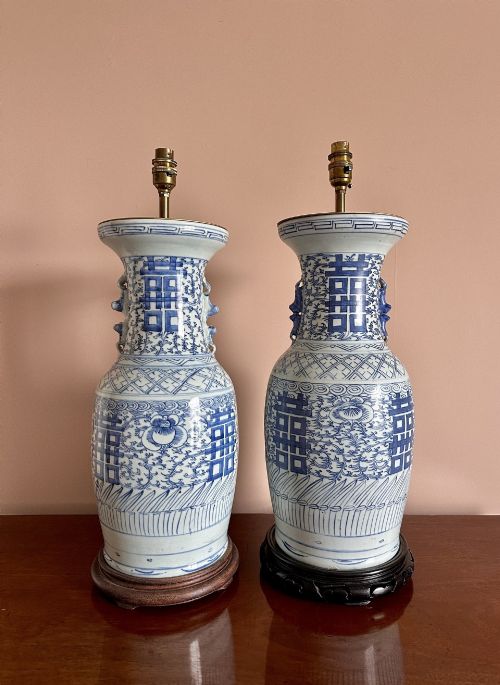
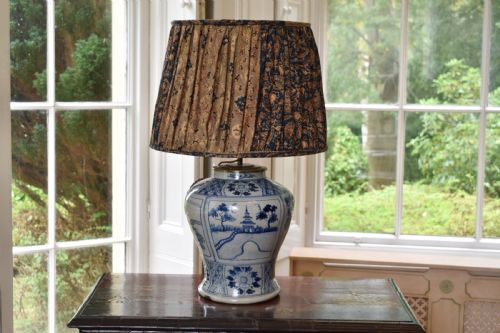
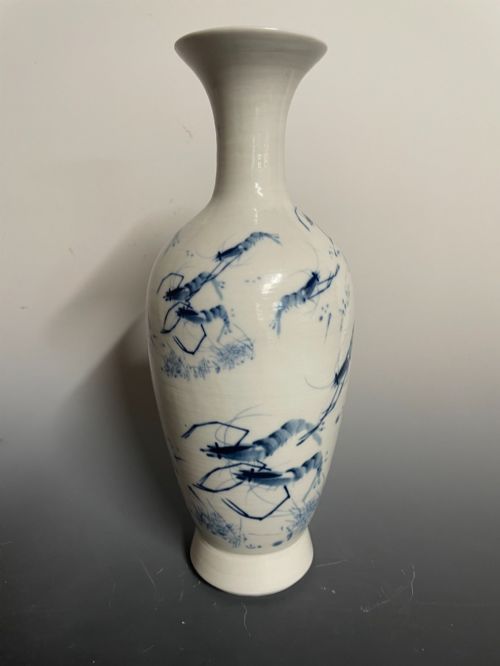
These vintage blue and white jars bring timeless cobalt decoration to a room, ranging from Chinese porcelain to Dutch Delftware.
Vintage Blue and White Jar
A vintage blue and white jar spans centuries of ceramic tradition, encompassing utility and display pieces across global aesthetics. Buyers seek these objects for their striking cobalt decoration set against white grounds.
The selections on this page concentrate heavily on nineteenth-century examples alongside eighteenth-century pieces. Common forms take shape as ginger jars, pharmacy albarellos, biscuit barrels, and lidded vases.
Origins stretch from Chinese workshops and Japanese kilns to European centres including Dutch, French, Italian, and English potteries. Buyers encounter traditional Chinese motifs alongside European interpretations in Delftware and Majolica.
Materials and construction methods
Potters utilised porcelain, earthenware, and tin-glazed earthenware as the primary bodies for these vessels. Cobalt glaze provides the characteristic blue pigment applied directly to the ceramic ground before firing.
Glass appears in specific items alongside enamel and ironstone variations. Glazing techniques seal the porous clay bodies, producing either high gloss finishes or softer crackle ware textures.
Vintage Blue and White Jar Retail Price Guide 2026
Typical asking prices for vintage blue and white jar among the pieces listed under this phrase on Sellingantiques today, from the lower quarter to the upper quarter. They describe what is for sale here now, not the wider market.
Several pharmacy jars once stored dry drugs and wet medicinal syrups before finding a peaceful retirement on modern mantelpieces.
Judging the quality of the jar
Quality rests in the crispness of the cobalt painting and the balance of the form. Finer pieces display confident brushwork and controlled glaze application without pooling or fading.
The integrity of the body and the survival of matching lids dictate desirability. Superior examples maintain original covers and well-preserved surface decoration across the ceramic or glass.
Carlton Ware·Masons Ironstone·Samson of Paris·Wedgwood·Fukagawa
The Vintage Blue and White Jar Glossary
- Albarello
- A type of majolica pharmacy jar designed for holding dry drugs or ointments. These tall, waistless containers originate from ancient Near Eastern apothecary traditions.
- Biscuit Barrel
- A covered ceramic vessel used in Victorian dining rooms to hold dry biscuits. They often incorporate plated metal mounts and covers.
- Tin-Glazed Earthenware
- Pottery covered with a glaze containing tin oxide, which turns white and opaque upon firing. This surface accepts cobalt painting directly.
- Imari
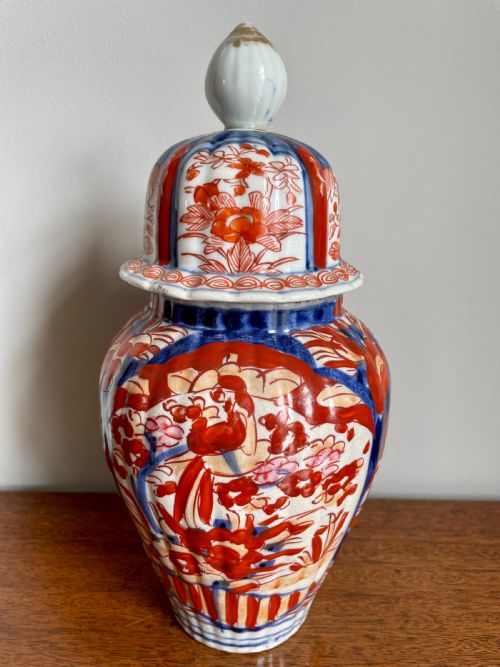
- A style of Japanese porcelain decorated in underglaze blue and overglaze iron red, gold, and other colours. European potteries frequently copied these bold patterns.
Vintage Blue and White Jar: Frequently Asked Questions
What were these jars originally used for?
Many examples served utilitarian roles in pharmacies, kitchens, and merchant houses. Drug jars held medicinal ingredients, while ginger jars and tobacco jars stored dry goods for daily use.
Other vessels functioned purely for decorative display in period interiors. Lidded vases and pot pourri containers brought symmetry and colour to mantelpieces and side tables.
How do I style a blue and white jar at home?
These pieces integrate easily into traditional and contemporary schemes due to their neutral white and blue palette. Single jars make striking focal points on bookshelves, sideboards, or coffee tables.
Pairs of lidded vases or jar lamps create balanced symmetry on side tables or console surfaces. The strong cobalt patterns anchor neutral rooms without overwhelming the existing decor.
How can I tell eighteenth-century pieces from nineteenth-century ones?
Eighteenth-century examples, such as Dutch Delftware and Italian Majolica, often display softer tin-glazed bodies and hand-mixed cobalt pigments with subtle variations in tone. The potting may show slight irregularities characteristic of earlier hand-thrown production.
Nineteenth-century pieces frequently exhibit more industrial precision in body preparation and kiln firing. Ironstone, porcelain, and mass-produced transfer printing emerge more strongly during this later era.
Are all blue and white jars made of porcelain?
Ceramic materials vary significantly across these listings, extending beyond standard porcelain. Earthenware, tin-glazed earthenware, ironstone, and majolica form the body of many continental and European pieces.
Glass and enamel also appear among the records for specific apothecary bottles and storage canisters. Each material creates a distinct weight, surface texture, and visual depth for the cobalt decoration.