




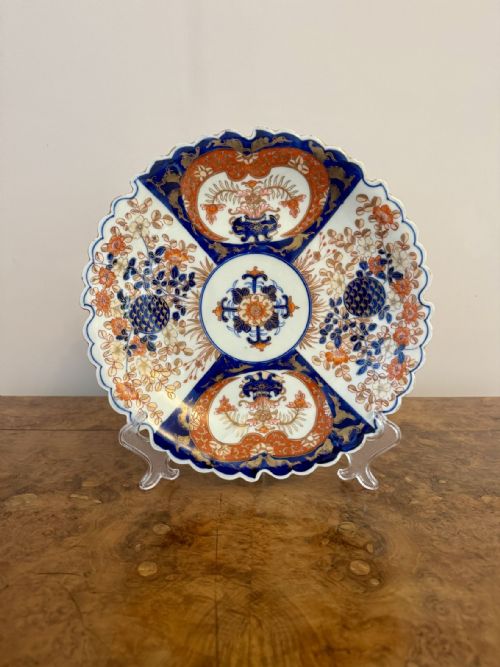


Vintage Blue and Red Plate
These vintage blue and red plate examples bring striking Imari porcelain and earthenware to interiors, offering bold colour and intricate patterns for everyday display.
Vintage Blue and Red Plate
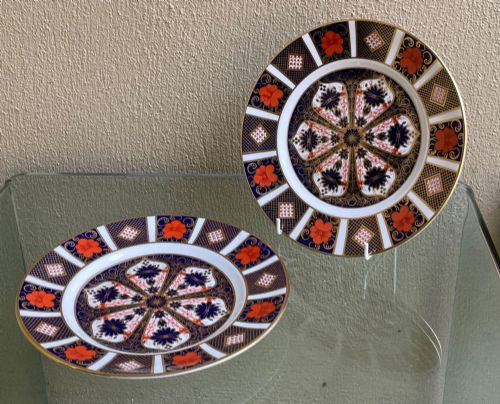
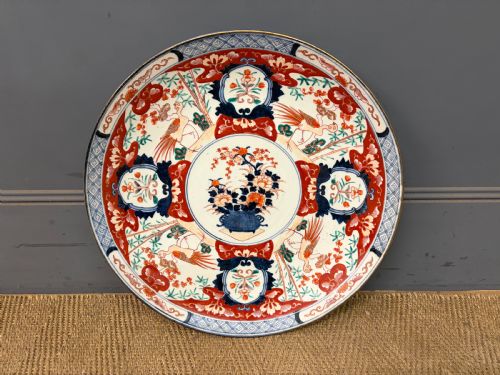
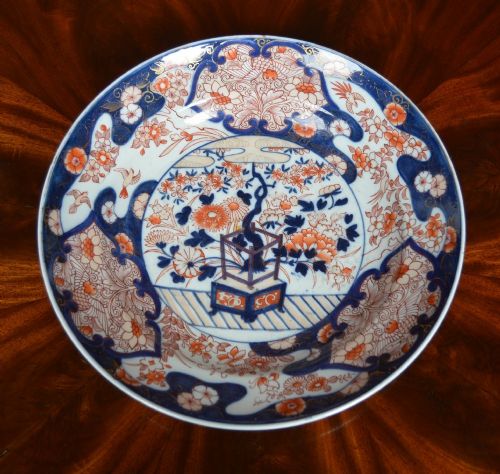
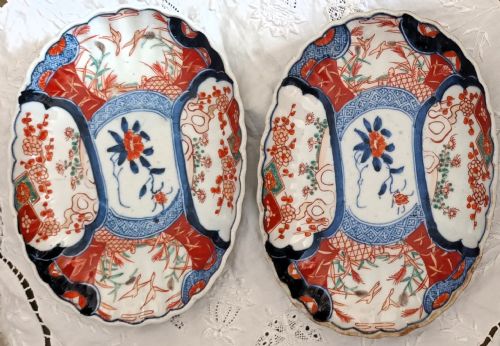
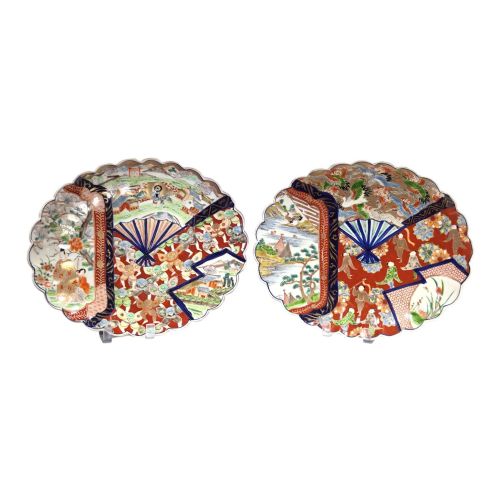
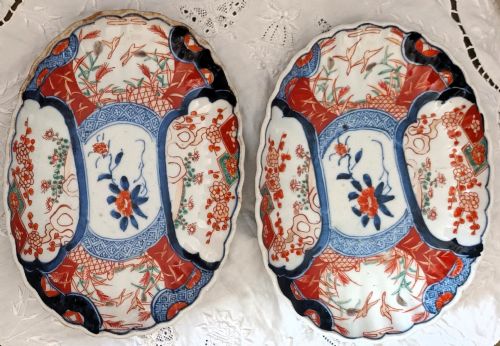
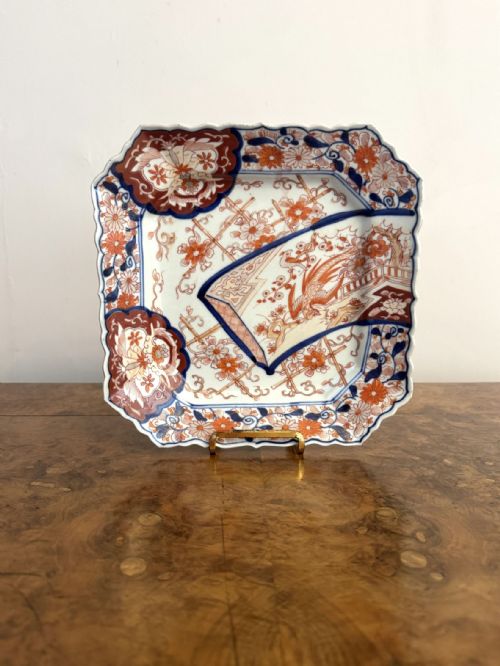
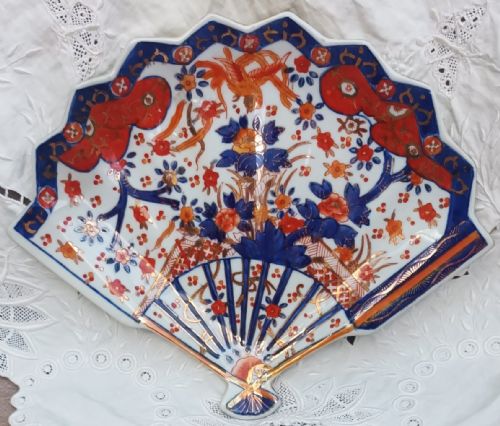
When searching for a vintage blue and red plate, buyers encounter Japanese Imari ceramics dating from the nineteenth and early twentieth centuries, alongside mid-twentieth-century British interpretations. The forms range from standard circular dishes to large chargers, scalloped edges, square shapes, and leaf-moulded designs.
The dominant aesthetic stems from Japanese Edo and Meiji period traditions, where artisans combined underglaze cobalt blue with iron red enamel, frequently augmented by gold leaf details. Chargers and wall plates dominate the larger formats, while smaller plates serve as decorative dishes for tables and cabinets.
How they were made
Potters shaped porcelain and ceramic bodies before applying cobalt blue pigments under the glaze, followed by high-temperature firing. Artisans then added iron red enamel and gold leaf highlights in subsequent low-temperature enamel firings.
Hand-painting defines the decoration, resulting in varied depictions of floral motifs, geometric panels, and traditional subjects such as the Seven Lucky Gods. The interaction between the vitreous glaze, cobalt, and gilt creates the characteristic layered surface texture.
Vintage Blue and Red Plate Retail Price Guide 2026
Typical asking prices for vintage blue and red plate among the pieces listed under this phrase on Sellingantiques today, from the lower quarter to the upper quarter. They describe what is for sale here now, not the wider market.
Several plates depict the Seven Lucky Gods, offering a subtle theological backup for anyone needing extra fortune while serving biscuits.
What varies in quality
The crispness and density of the hand-painted brushwork separate standard production ware from superior examples, with finer pieces exhibiting precise geometric borders and detailed figurative scenes. The purity of the white porcelain body and the richness of the iron red and gold leaf application also dictate the tier of a piece.
Form complexity influences the standing of individual items, as unusual shapes such as square plates, scalloped edges, and leaf moulds require greater skill from the potter than simple circular dishes.
Royal Crown Derby
The Vintage Blue and Red Plate Glossary
- Imari
- A style of Japanese porcelain originating from the port of Arita, characterised by a palette of cobalt blue and iron red, often enriched with gold.
- Charger
- A large decorative plate traditionally used for ceremonial display or placed beneath smaller course plates on a dining table.
- Meiji Period
- The era in Japanese history spanning from 1868 to 1912, noted for an increase in porcelain production destined for export.
- Enamel
- A decorative glassy substance fused to the surface of fired ceramic during a secondary, lower-temperature kiln firing.
- Gilt
- A thin layer of gold applied to the surface of ceramics to provide metallic highlights and decorative borders.
Vintage Blue and Red Plate: Frequently Asked Questions
What is an Imari plate?
An Imari plate is a Japanese ceramic piece decorated in a distinctive palette dominated by deep blue and iron red, frequently accented with gold.
These plates were produced extensively for export during the nineteenth and early twentieth centuries, combining traditional East Asian motifs with durable porcelain bodies.
How do I display a charger plate?
Charger plates are larger than standard dining plates and are typically mounted on walls using specialised hangers or displayed upright on plate stands within cabinets.
Their substantial size and detailed surface decoration make them well-suited as focal points in dining rooms or living spaces.
Are these plates meant for daily dining?
While structurally robust, antique Imari pieces featuring delicate enamel work and gold leaf are generally intended for decorative display rather than regular use.
Hand-washing is recommended for collectors who choose to use their vintage dishes occasionally, avoiding abrasive detergents that can degrade the surface gilding.
How do I date a Meiji period plate?
Meiji period plates date from 1868 to 1912, aligning with an era of significant international trade and refined ceramic production in Japan.
Identifying markers include porcelain weight, the depth of the underglaze blue, and the specific style of iron red floral panels painted across the surface.