



Vintage Blanket Rail
A vintage blanket rail is a practical piece of period furniture that brings warmth and organisation to a room.
Vintage Blanket Rail
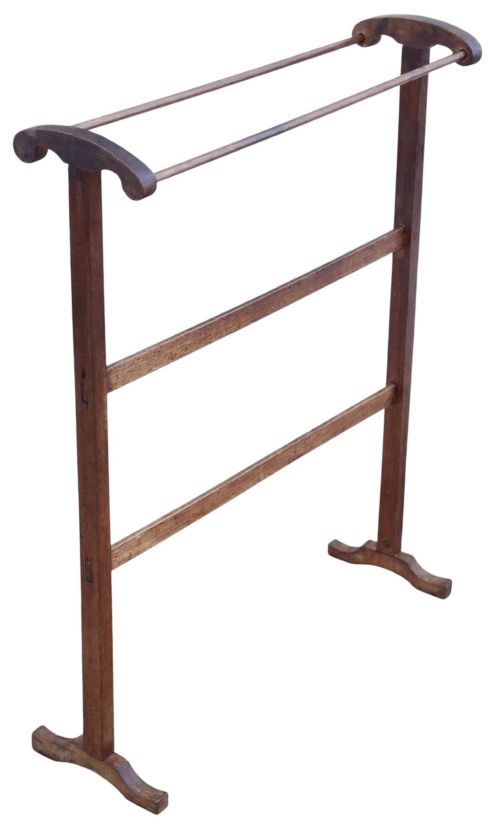
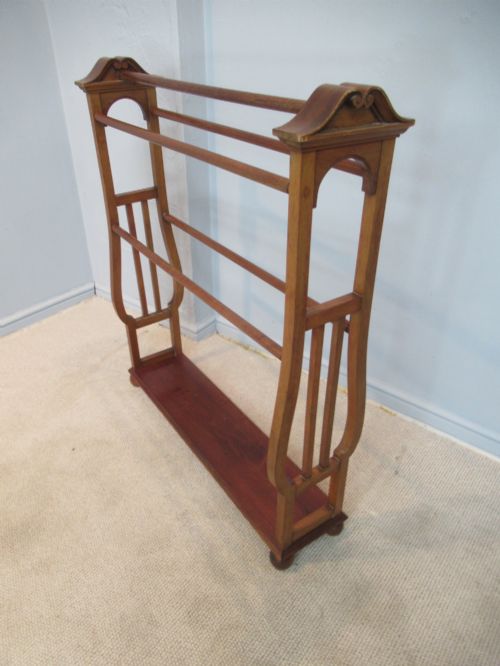
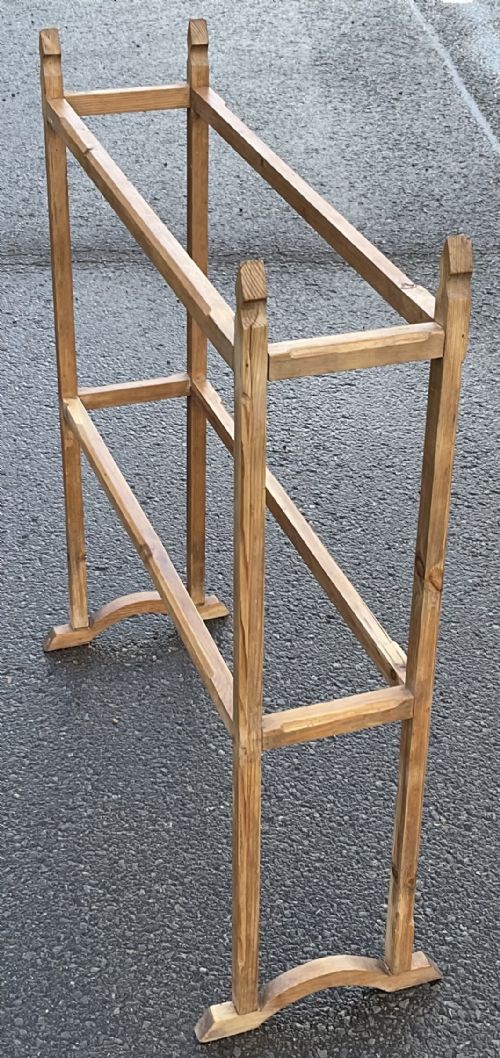
A vintage blanket rail is most commonly encountered on this page in the form of standing towel rails dating from the nineteenth and early twentieth centuries. These pieces span Victorian, Edwardian, and Regency periods, offering functional freestanding frames designed to hold linens.
The selections available include items constructed from timber such as mahogany, oak, walnut, and pine. Many feature multiple rails and upright supports, sometimes configured with up to five bars for generous capacity.
Makers utilised various decorative touches, including satinwood inlay, boxwood details, and ebonised wood finishes. These functional stands served bedrooms and dressing rooms alike.
How they were made
Carpenters constructed these pieces primarily from solid hardwoods like mahogany, oak, and walnut, alongside softer woods such as pine. They relied on traditional joinery to build sturdy standing frames capable of supporting heavy textiles.
Craftsmen applied decorative elements by incorporating satinwood inlay and boxwood details into the timber frames. Certain examples received ebonised finishes to achieve a dark, uniform appearance across the rails and uprights.
Vintage Blanket Rail Retail Price Guide 2026
Typical asking prices for vintage blanket rail among the pieces listed under this phrase on Sellingantiques today, from the lower quarter to the upper quarter. They describe what is for sale here now, not the wider market.
Some five-bar rails provide ample space for textile collections, proving that nineteenth-century household chores possessed a structured rhythm.
What varies in quality
The standard of timber selection and complexity of ornamentation dictate the standing of a piece within the range. Examples featuring detailed satinwood inlay and boxwood work sit above plain pine utility frames.
Proportion and scale also separate standard items from superior pieces, particularly those attributed to notable workshops or executed in generous proportions.
The Vintage Blanket Rail Glossary
- Inlay
- A technique where contrasting woods like satinwood or boxwood are inserted into the primary timber surface to create decorative patterns. This adds visual interest to the uprights and rails.
- Ebonised wood
- Timber treated with a chemical stain or finish to imitate expensive ebony wood. It yields a deep black surface often seen on nineteenth-century stands.
- Standing towel rail
- A freestanding furniture piece designed with horizontal bars for hanging textiles. They provide portable storage without requiring wall attachment.
- Mahogany
- A durable hardwood prized for its rich reddish-brown tone and fine grain. It forms the primary material for many nineteenth-century and Edwardian pieces on this page.
Vintage Blanket Rail: Frequently Asked Questions
What is a vintage blanket rail used for?
These pieces function primarily as freestanding frames for holding and airing blankets, quilts, and towels. Their multiple horizontal rails allow textiles to drape neatly without touching the floor.
Historically placed in bedrooms and dressing areas, they kept bed linen organised and ready for use. Today they serve a similar practical purpose while adding period character to a room.
How do I identify an Edwardian towel rail?
Edwardian examples typically date from around 1900 and frequently utilise mahogany or pine. Many incorporate decorative details such as satinwood inlay along the frame.
These pieces often feature multiple horizontal bars, sometimes totalling five rails for increased capacity. Their lighter timber tones and refined proportions distinguish them from earlier Victorian designs.
What woods were used for these rails?
Constructors utilised a variety of hardwoods and softwoods depending on the period and intended quality. Mahogany, oak, walnut, and hardwood feature prominently across the available selection.
Additionally, pine appears in functional utility pieces, while ebonised wood and boxwood provide contrasting finishes and decorative inlay work.
Are these pieces freestanding?
Every item listed functions as a standing unit designed to rest directly on the floor without wall mounting. Their sturdy upright bases provide the necessary balance to hold heavy linens safely.
This freestanding nature allows the furniture to be moved easily between rooms as storage needs change.