

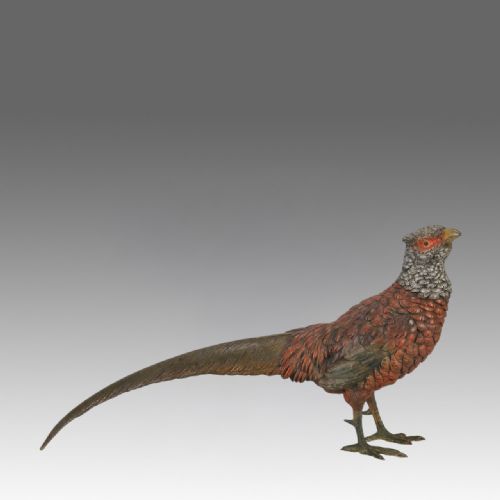


Vintage Bird Paperweight
These vintage bird paperweight examples bring avian character to a desk, combining utility with miniature sculpture from the nineteenth and twentieth centuries.
Vintage Bird Paperweight
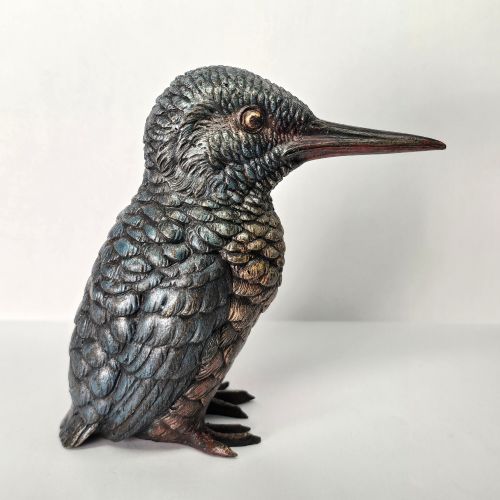
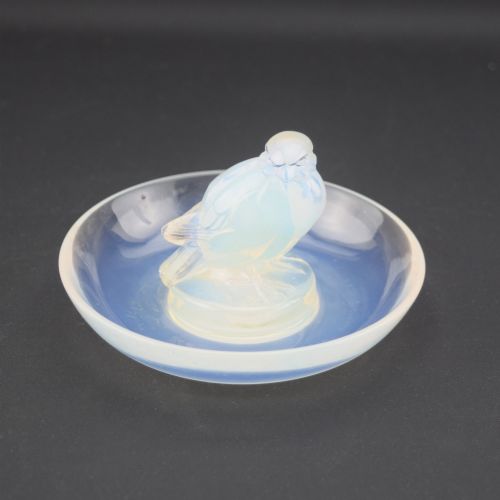
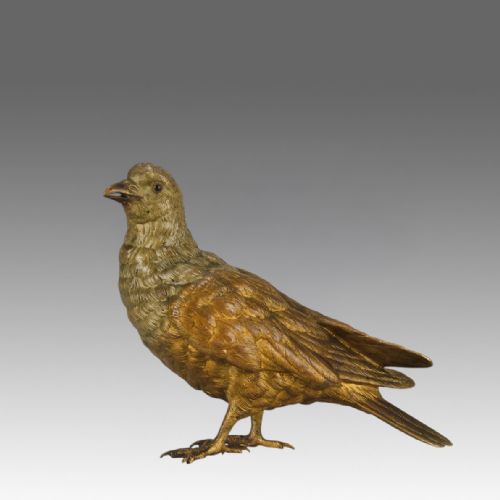
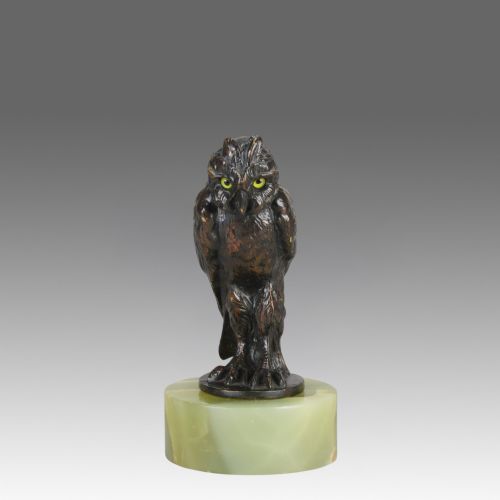
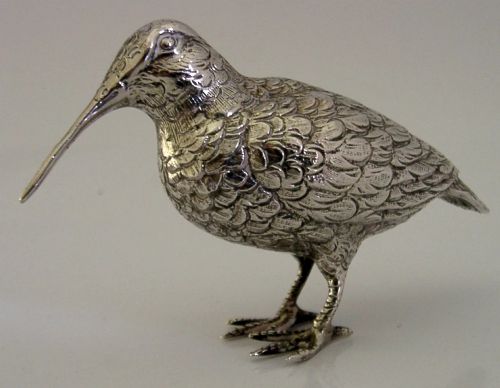
When someone searches for a vintage bird paperweight, they encounter desk accessories and sculptural figures shaped as pigeons, owls, penguins, and sparrows. These items serve to anchor loose papers while displaying the varied forms of avian life.
The pieces listed here span the nineteenth century through the mid-twentieth century, encompassing Art Deco glass, Vienna bronze, and silver figures. Production methods range from moulded opalescent crystal to hand-finished metalwork.
Most frequent among these are glass depictions from the interwar period and cold-painted bronze studies originating from Austrian foundries. Buyers choose between functional desk weights and small decorative sculptures that double as paper weights.
How they were made
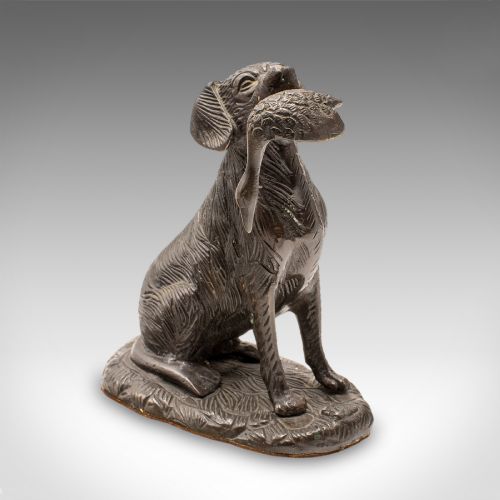
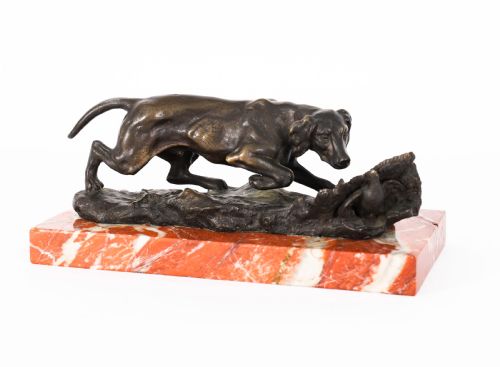
Bronze figures utilise casting methods often finished with cold painting, where enamel or oil paint is applied to the metal surface without subsequent firing. Marble and onyx plinths frequently support these metal sculptures.
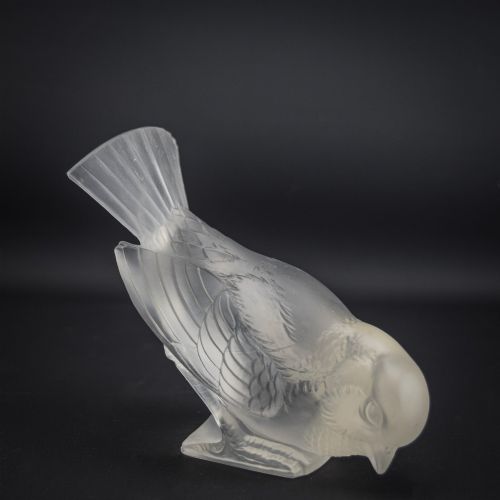
Glass pieces rely on pressing and moulding techniques, sometimes incorporating blue staining or frosted finishes to accentuate the feather details. Silver examples involve silversmithing techniques combined with wooden bases or structural clips.
Vintage Bird Paperweight Retail Price Guide 2026
Typical asking prices for vintage bird paperweight among the pieces listed under this phrase on Sellingantiques today, from the lower quarter to the upper quarter. They describe what is for sale here now, not the wider market.
Materials in these listings include bronze, frosted glass, onyx, marble, enamel paint, opalescent glass, crystal, and silver.
What varies in quality
The standard of a bronze figure depends on the crispness of the chasing and the preservation of the original cold-painted finish. Greater depth in the patination and finer anatomical detailing distinguish superior metal castings.
For glass items, the clarity of the material and the evenness of the opalescence or staining determine the caliber of the piece. Crisp mould definition remains essential for identifying quality in pressed glass designs.
Rene Lalique·Carl Kauba·Franz Bergman
The Vintage Bird Paperweight Glossary
- Cold painted
- A method where bronze figures are painted by hand with oil or enamel paints after casting, without high-temperature firing. This finish is delicate and susceptible to rubbing over time.
- Opalescent glass
- Glass that diffuses light with a milky or glowing appearance, shifting in tone between transmitted and reflected light. It is characteristic of twentieth-century decorative pieces.
- Vienna bronze
- Small bronze sculptures produced in Austrian workshops during the late nineteenth and early twentieth centuries. These are typically characterised by naturalistic animal subjects.
- Animalier
- A nineteenth-century artistic style focusing on the realistic depiction of animals. Sculptors in this tradition paid close attention to anatomical accuracy and natural postures.
- Socle
- A short plinth or pedestal supporting a sculpture or paperweight. It elevates the primary figure and provides stability on a desk.
Vintage Bird Paperweight: Frequently Asked Questions
What is a cold painted bronze?
A cold painted bronze is a metal sculpture finished with paint applied directly to the cold surface rather than fired in a kiln.
This technique allows for intricate multi-coloured details on small animal figures.
How do I identify a Lalique paperweight?
Lalique paperweights from this era typically feature moulded glass figures like sparrows, often with frosted or opalescent textures.
They rely on sculptural form rather than heavy metal bases to hold down papers.
Where were Vienna bronzes made?
Vienna bronzes were manufactured in workshops located in Austria, particularly during the late nineteenth and early twentieth centuries.
These foundries specialised in small, naturalistic animal figures and desk ornaments.
Are marble bases original to the bronzes?
Many bronze bird figures were mounted on marble or onyx plinths by the maker to provide weight and stability for desk use.
The stone base complements the metalwork and protects the desk surface.