


Vintage Bird Mounting
Vintage bird mounting brings together taxidermy specimens and artistic representations preserved in frames, cases, and bronze to capture natural history.
Vintage Bird Mounting
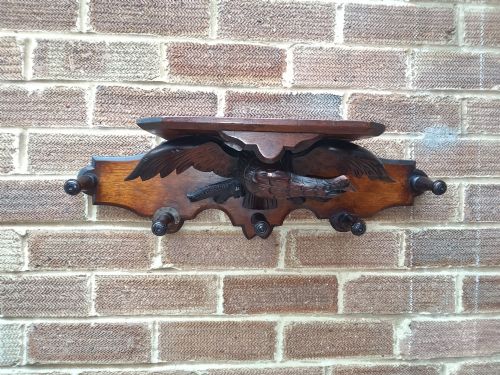
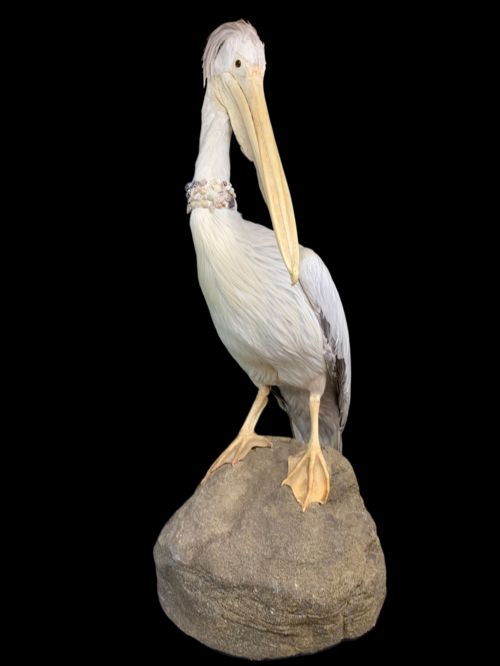
Vintage bird mounting encompasses preserved taxidermy specimens alongside framed prints, watercolours, and sculptures depicting avian subjects. When exploring vintage bird mounting, buyers encounter Victorian and Edwardian taxidermy cases, domes, and diorama displays alongside 19th-century engravings and paintings.
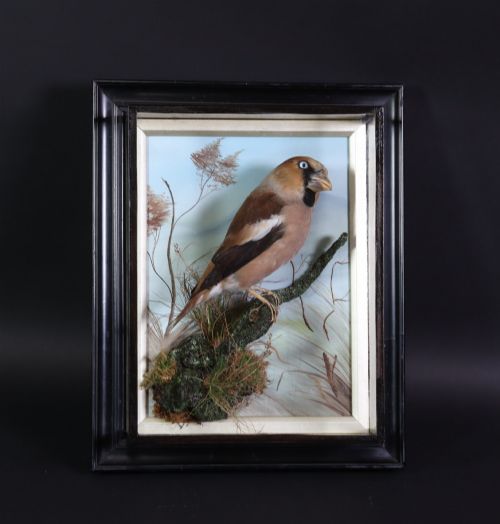
The objects span from the mid-19th century through the early 20th century, reflecting naturalist traditions and decorative arts. Specimens appear in glazed wooden picture frame cases, glass domes, or mounted upon carved brackets and plinths.
Origin points range from English provincial workshops to London taxidermists, alongside international artworks. These pieces serve as historical records of natural history collecting and interior decoration.
Materials and construction methods
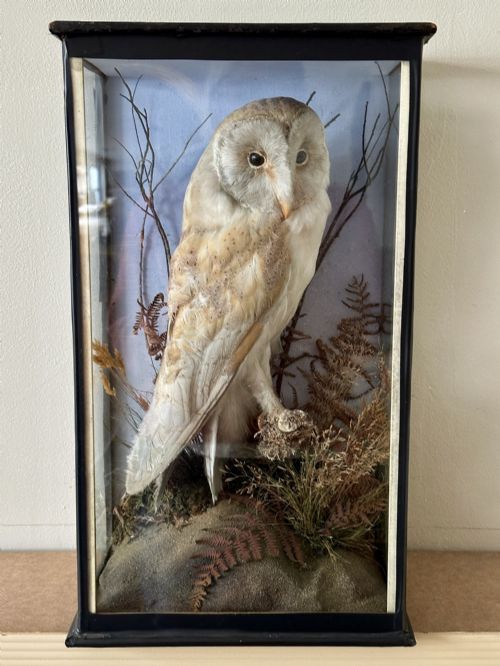
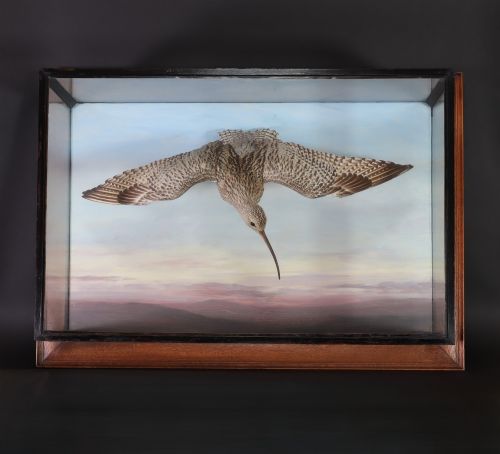
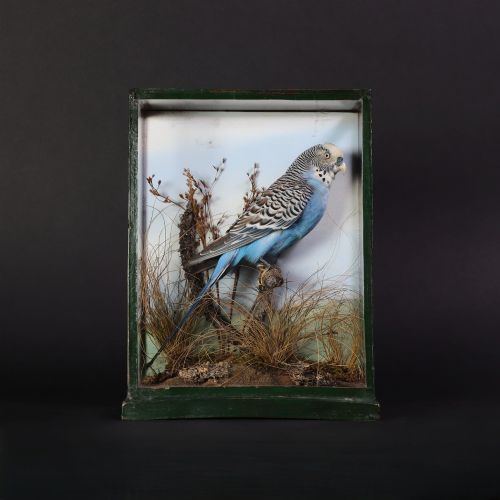
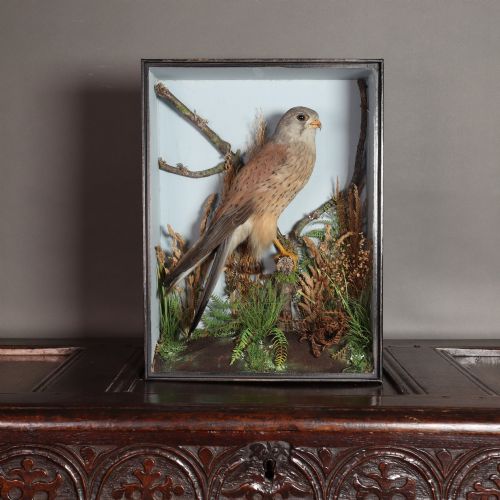
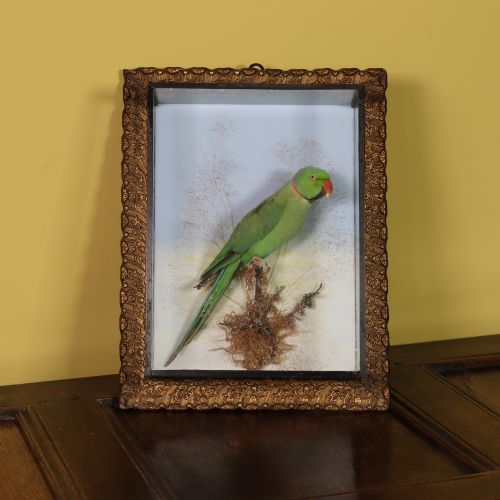
Taxidermy specimens were prepared using preserved skins mounted over anatomical forms, then arranged within wooden and glass display cases alongside natural elements like moss and paper. Artisans utilised glass domes and ebonised wood frames to protect delicate feathers from dust and damage.
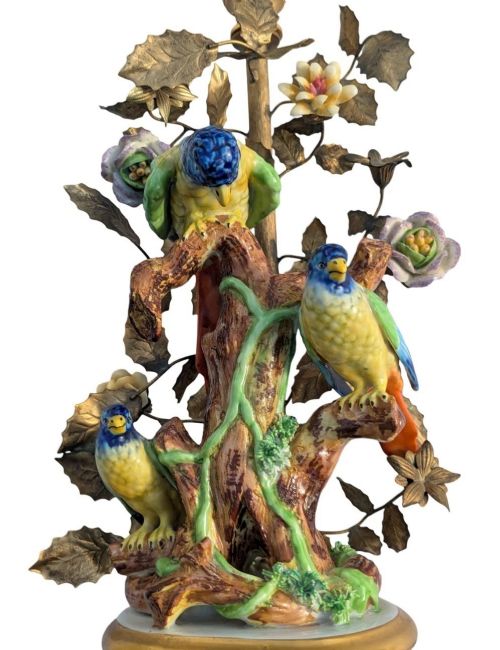
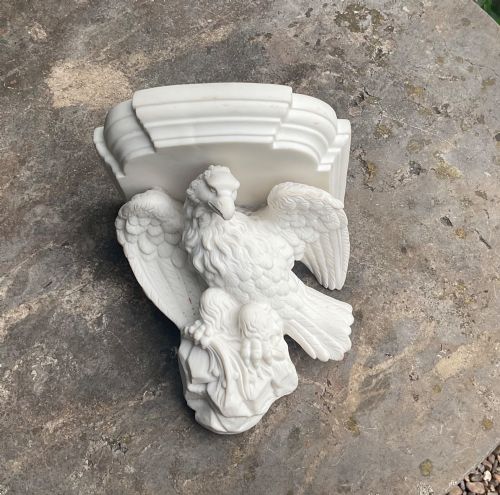
Artworks and decorative items employ media such as watercolour, lithography, and engraving on paper, housed within deep giltwood mounts and carved wooden frames. Bronze, parian ware, ormolu, and cloisonne enamel provide sculptural alternatives using metalwork and ceramics.
Cabinets and cases incorporate secondary materials including brass hardware, burr maple, and painted backdrops that simulate natural habitats behind the birds.
Vintage Bird Mounting Retail Price Guide 2026
Typical asking prices for vintage bird mounting among the pieces listed under this phrase on Sellingantiques today, from the lower quarter to the upper quarter. They describe what is for sale here now, not the wider market.
Materials across these listings include glass, feathers, moss, ormolu, and burr maple alongside traditional paper and wood.
Quality variations in mounting and preservation
Taxidermy quality rests upon the anatomical accuracy of the pose and the preservation condition of the feathers. Skilled practitioners from known firms created lifelike postures and balanced compositions that maintain their structural integrity over decades.
Enclosure construction also dictates standard, with tight glazing and well-sealed wooden cases protecting the interior contents from environmental degradation. Finer examples retain original painted backgrounds, intact moss, and documented maker labels.
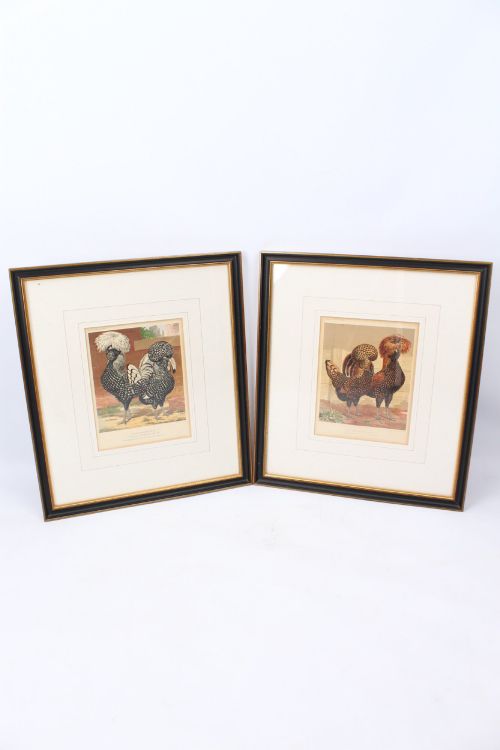
In printed and painted works, the clarity of the engraving, the preservation of pigment colours, and the quality of the surrounding giltwood mount distinguish standard pieces from finer examples.
J Griffiths of Burford·T. E. Gunn·William Bazeley & Sons·James Gardner·W.F. Homer London·William Swainson
The Vintage Bird Mounting Glossary
- Taxidermy
- The art of preparing, stuffing, and mounting the skins of animals for display. In this context, it refers to preserved birds arranged in realistic poses.
- Diorama
- A three-dimensional scene in which stuffed specimens are set against a painted background inside a glass-fronted case. This technique creates an illusion of a natural habitat.
- Dome
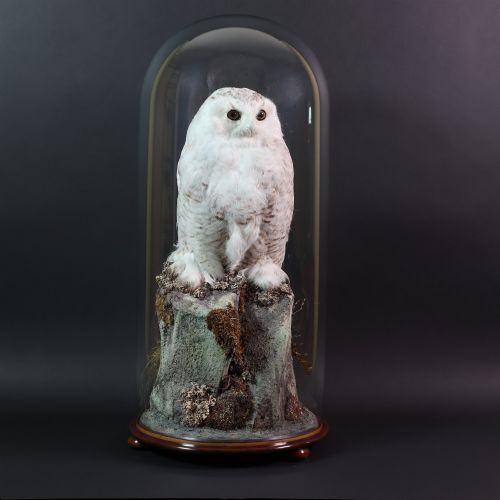
- A bell-shaped glass cover set upon a wooden or metal base, utilised to protect delicate taxidermy arrangements from dust. It allows all-round visibility of the specimens within.
- Lithography
- A planographic printing method used to produce coloured or monochrome bird prints. The process relies on the antipathy of oil and water on a limestone or metal plate.
- Ormolu
- Gilded bronze ornamentation applied to furniture, clocks, or decorative objects. It provides a bright metallic accent to complement ceramic or wooden bodies.
Vintage Bird Mounting: Frequently Asked Questions
How should I display taxidermy cases safely?
Keep mounted specimens away from direct sunlight and high humidity to prevent feather fading and material deterioration. Place cases on stable surfaces where temperature fluctuations remain minimal.
Ensure glass panels and frames are cleaned gently with dry cloths without spraying moisture directly onto the antique surfaces or joints.
What periods do these pieces represent?
The items span from the mid-nineteenth century through the early twentieth century, encompassing Victorian and Edwardian periods of natural history collecting. Styles range from strict scientific display to Aesthetic Movement and early modern interpretations.
Earlier nineteenth-century examples often feature detailed paper engravings, while later Victorian decades brought elaborate taxidermy cases and glass domes.
How do I identify a maker on a case?
Look for paper trade labels pasted onto the interior backing boards, base panels, or wooden frames of taxidermy displays. These inscriptions typically record the taxidermist business name and location.
Signatures or stamps may also appear on the margins of prints, watercolours, and metalwork bases to indicate the artist or workshop origin.
What is the difference between a dome and a case?
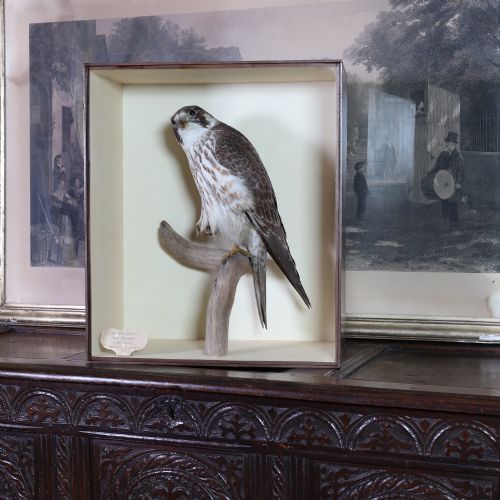
A dome consists of a curved blown glass cover resting on a flat wooden or plinth base, offering panoramic visibility from all angles. A case is generally a rectangular wooden box with a glazed front panel and a painted interior background.
Domes usually protect tabletop arrangements of multiple smaller birds, while cases often house single specimens or specific dioramas.