





Vintage Bird Dome
A vintage bird dome brings preserved wildlife or ornamental architecture under glass into a room, offering a distinct glimpse into historical display.
Vintage Bird Dome
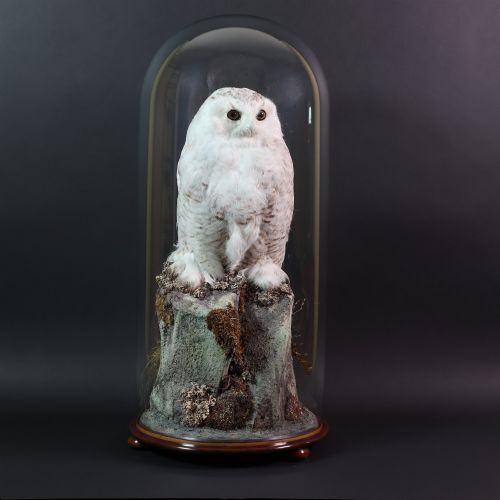
When you search for a vintage bird dome, you are looking at nineteenth and twentieth century enclosures designed to protect and display taxidermy specimens or decorative objects. These pieces bring natural history and interior ornamentation together beneath a clear glass cover.
The versions you are most likely to meet on this page span the Victorian and Edwardian eras, alongside later twentieth century examples. They combine protective glass covers with timber, iron, or brass bases and internal structures.
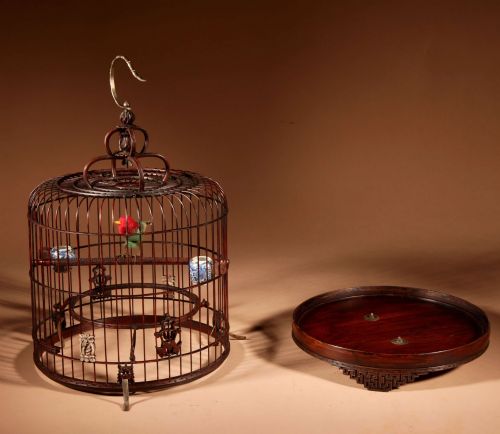
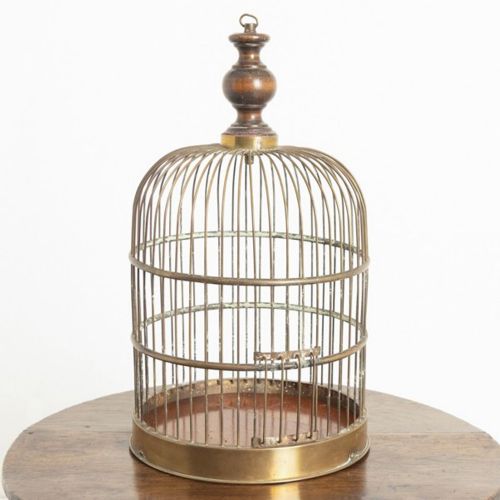
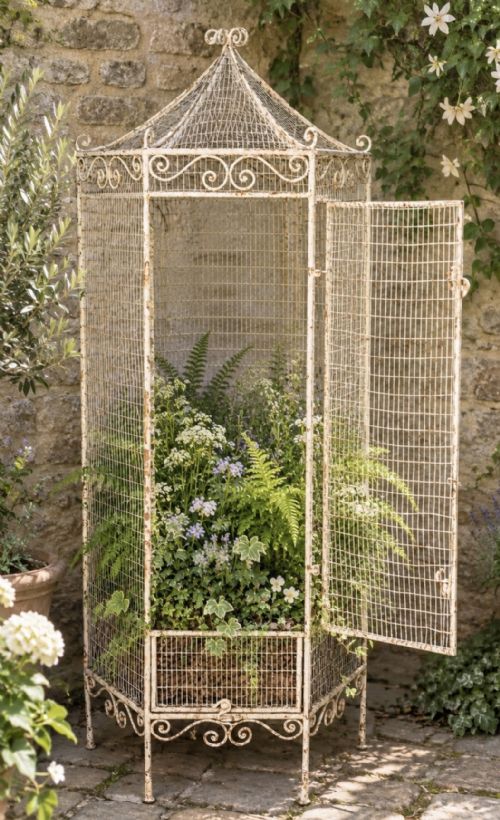
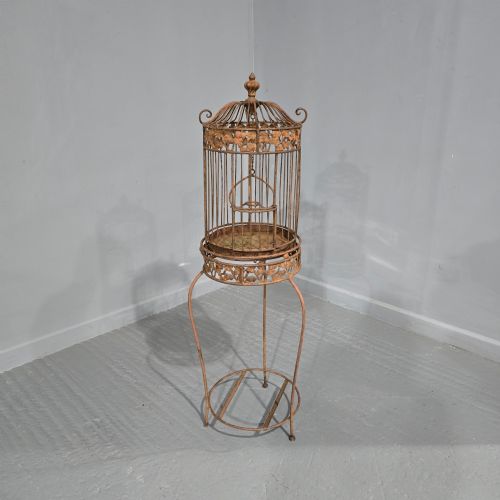
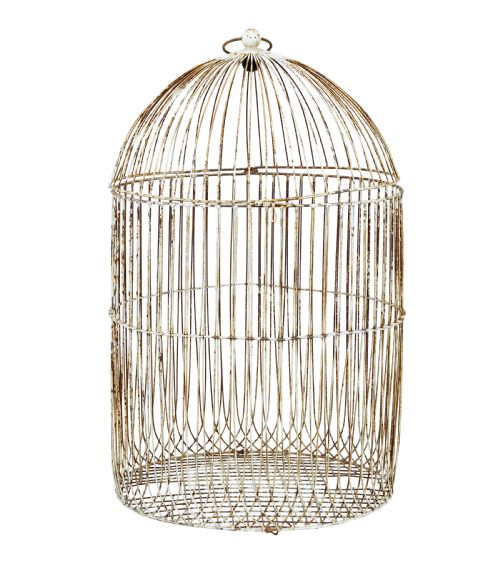
The selection here encompasses both taxidermy domes featuring preserved birds and various styles of decorative bird cages. Each option reflects the distinct aesthetic preferences of periods ranging from the late nineteenth century through the Art Deco and Art Nouveau movements.
How they were made
Makers constructed the protective covers from blown or formed glass, seated upon turned wooden timber bases like mahogany or sturdy cast iron platforms. These heavy foundations provided the necessary stability to support the delicate glass domes above.
Internal elements and structural frameworks frequently incorporate brass, copper, wire, and wrought iron. Artisans shaped these metals by hand to form perches, frames, or decorative enclosures designed to hold specimens securely.
Surface decoration often involved carved bamboo, painted details, and intricate metalwork. These finishing touches demonstrated the specific stylistic influences of the period, from Qing Dynasty inspired bamboo work to flowing Art Nouveau curves.
Vintage Bird Dome Retail Price Guide 2026
Typical asking prices for vintage bird dome among the pieces listed under this phrase on Sellingantiques today, from the lower quarter to the upper quarter. They describe what is for sale here now, not the wider market.
Some Victorian owls spent decades judging drawing room conversations without blinking once.
What varies in quality
Quality rests significantly on the clarity and thickness of the glass dome itself, as older hand-formed glass exhibits subtle distortions and weight that modern replacements lack. A well-preserved, original dome protects the interior contents while maintaining optical purity.
The execution of the base and internal framework distinguishes finer pieces from simpler utilitarian items. Solid timber foundations with carved details or heavy cast iron and substantial brass construction indicate superior craftsmanship.
The condition and skill of the taxidermy work or the intricacy of the metal bird cage structure dictate the overall desirability of the piece. Master taxidermists and skilled metalworkers achieved a level of anatomical accuracy and decorative refinement that elevates the entire object.
James Gardner
The Vintage Bird Dome Glossary
- Taxidermy dome
- A preserved animal specimen housed beneath a clear glass cover resting on a fitted base. This method protected delicate feathers and mounting materials from dust and handling.
- Bird cage
- An enclosure constructed from wire, brass, copper, or bamboo intended to house live birds. Many antique examples survive purely as decorative objects rather than functional enclosures.
- Mahogany
- A durable hardwood commonly utilised for the heavy bases of nineteenth century domes. Its rich grain and stability made it a preferred material for quality display furniture.
- Wrought iron
- Iron beaten and bent into shape by hand to form sturdy stands or structural frameworks. This material offers both structural integrity and ornamental potential.
- Art Nouveau
- A stylistic movement characterised by organic, flowing lines and natural motifs. Objects from this period frequently display asymmetrical plant and floral influences in their metalwork.
Vintage Bird Dome: Frequently Asked Questions
What is a vintage bird dome?
A vintage bird dome is an antique display piece consisting of a glass cover set over preserved taxidermy birds or decorative elements. These objects preserve natural history specimens and ornamental designs for interior display.
They combine glass, timber, and metal to create protected environments that showcase nineteenth and twentieth century craftsmanship.
How were bird domes used historically?
Historically, these domes served as drawing room ornaments that displayed exotic taxidermy specimens or intricate bird cages under glass. They protected delicate feathers from dust in homes.
Owners placed them on tables or stands where visitors could inspect the preserved wildlife and decorative metalwork up close.
How do I care for a glass dome?
Caring for a glass dome involves gentle cleaning of the exterior glass using a soft cloth and mild cleaner. Avoid lifting the heavy glass cover unless necessary to prevent accidental breakage.
Keep the piece away from direct sunlight and damp environments to protect the internal specimens, wooden bases, and metal components from degradation.
How can I tell Victorian domes apart?
Victorian domes typically feature heavy mahogany bases, hand-blown glass, and elaborate taxidermy arrangements. They often reflect strict nineteenth century taxidermy standards and naturalistic positioning.
Later Edwardian and twentieth century examples introduce different metals like copper and wirework, or embrace stylistic shifts toward Art Nouveau and Art Deco designs.